Category: News

Latest news on electric vehicles in Indonesia.

  • Industry minister presses Toyota to go full electric and export more

    Industry minister presses Toyota to go full electric and export more

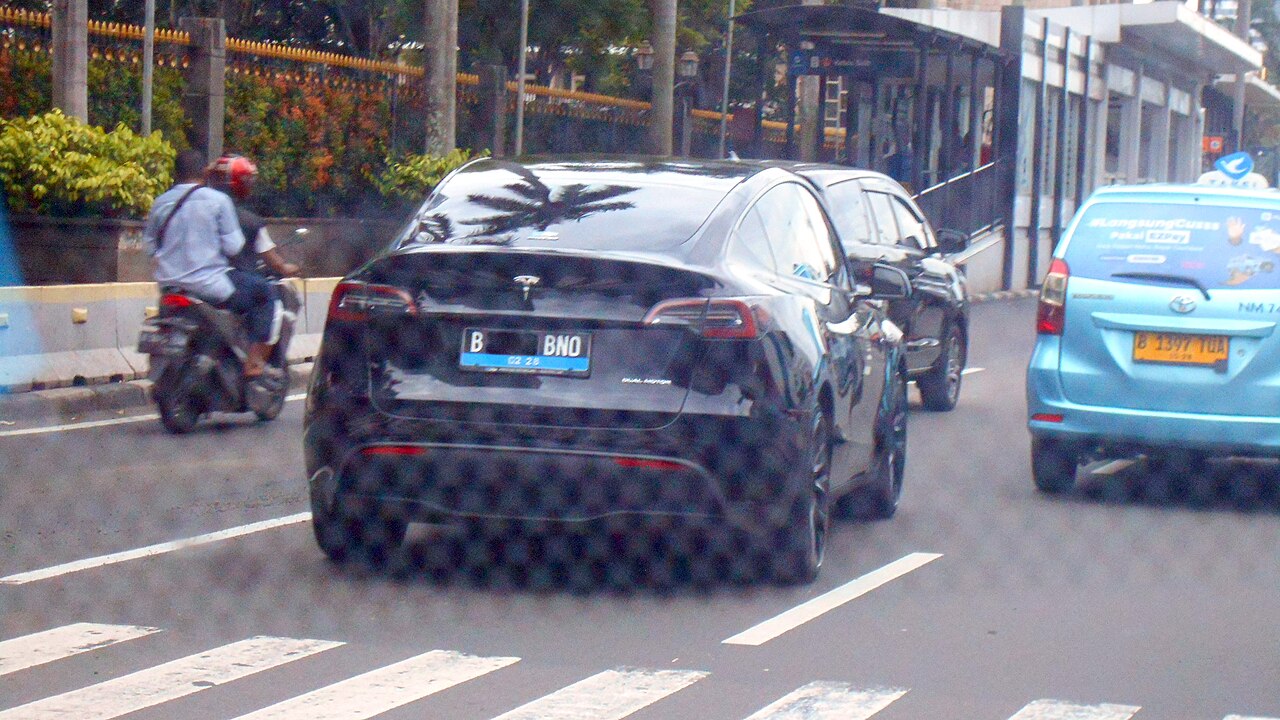
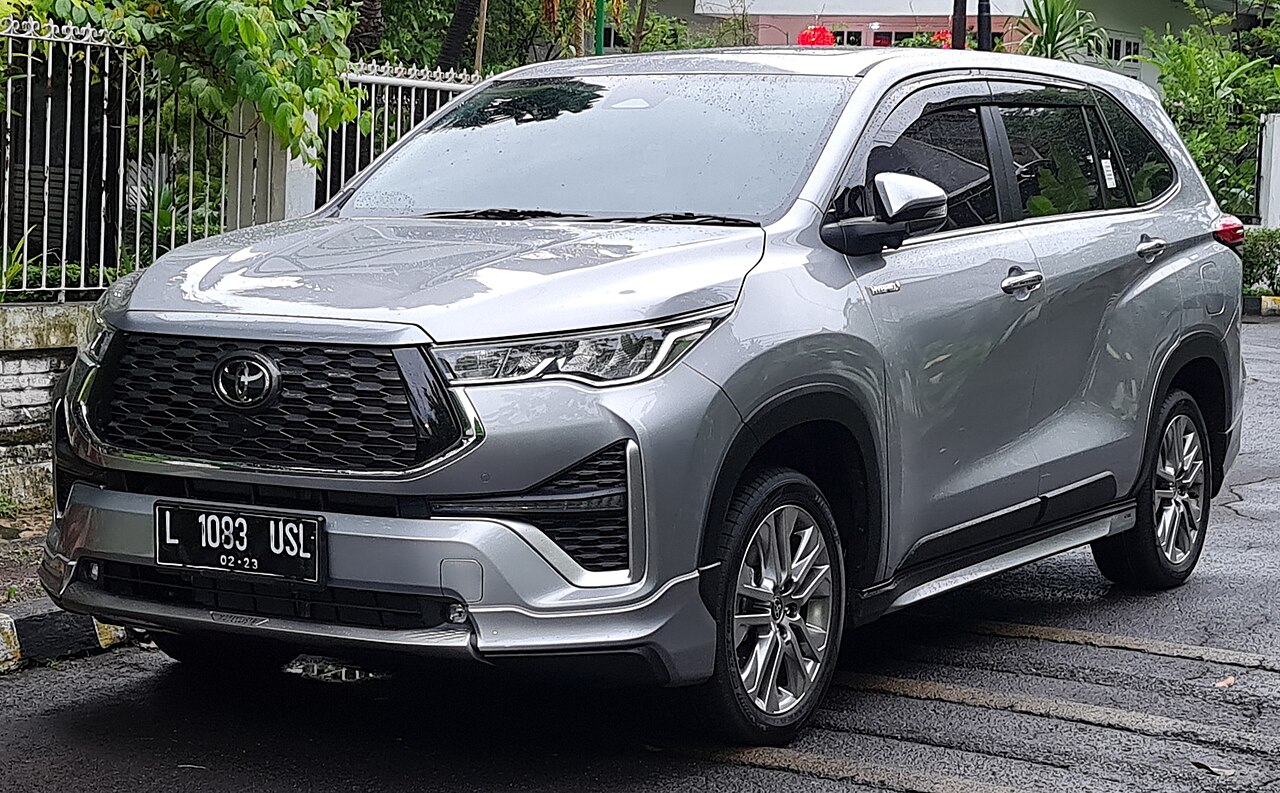
    Top image: Photo: TTTNIS, CC0, via Wikimedia Commons

    Indonesia’s industry minister, Muhammad Sarmuji, has asked Toyota to move beyond hybrids and build more fully battery-electric vehicles (BEVs) in the country, while also pushing the brand to ship more Indonesian-made cars abroad. The request came at a meeting on Tuesday 27 October at the Ministry of Industry in Jakarta with Nandi Julyanto, president director of PT Toyota Motor Manufacturing Indonesia (TMMIN), Antara reported.

    “Go further” than hybrids

    Sarmuji praised Toyota’s hybrid production and its local battery plant for hybrids, which already exports components, but said the government now wants the company to commit more firmly to full electrification. He argued that Indonesia’s battery ecosystem is now advanced enough to support it.

    “We are asking Toyota to also go further, to full electric.”
    — Muhammad Sarmuji, Minister of Industry, via InvestorTrust (translated from Indonesian)

    The push follows the ministry’s recent signals that it is also open to support for hybrids and range-extended EVs, which we covered in our report on Sarmuji’s hybrid and REEV incentive proposal. Tuesday’s message suggests the ministry still wants Toyota to put BEVs at the centre of its local plans.

    Toyota: more BEVs on the way, details unknown

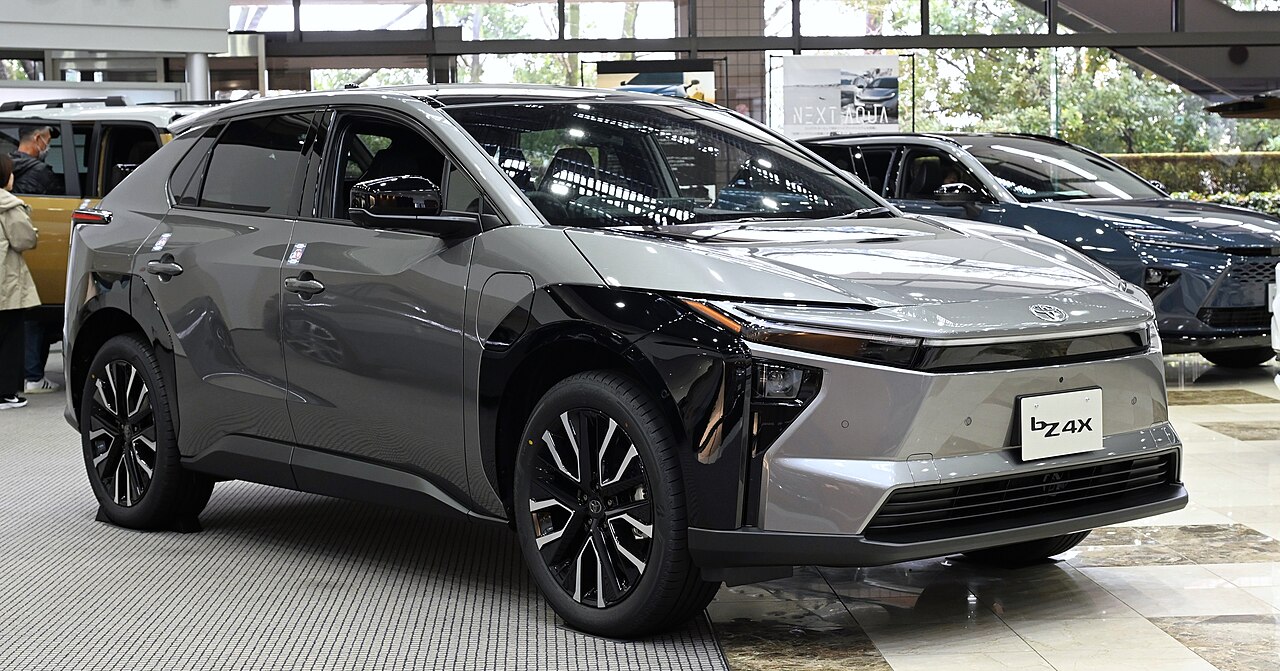
    Nandi said Toyota already builds the bZ4X electric SUV in Indonesia and is working on further battery-electric models for the local market. He did not disclose segments, specifications, prices or timing, according to CNBC Indonesia.

    “We are also preparing the next BEV models that suit the needs and conditions of the Indonesian market.”
    — Nandi Julyanto, TMMIN, via CNBC Indonesia (translated from Indonesian)

    Asked whether those models would be cheaper than the bZ4X, Nandi said he hoped so. CNBC Indonesia lists Jakarta on-the-road prices of about Rp799 million for the bZ4X Standard and Rp889 million for the all-wheel-drive bZ4X Touring, which puts Toyota’s locally built EV well above many of the Chinese-brand EVs on sale.

    Local content and the 2027 deadline

    The timing matters because the minimum local-content (TKDN) requirement for EVs rises to 60% from 2027, as set out in the ministry’s local-content roadmap. Earlier this month TMMIN vice president I Nyoman Winaya said the Karawang-built bZ4X stood at 40% local content and that the company was still studying how to reach the higher threshold, Radar Bogor reported. The same report said Toyota is working with CATL on battery production in Indonesia, with an investment reported at around Rp1.3 trillion, initially aimed at hybrids but with potential to supply BEVs later.

    Exports: Australia and double-cab pickups

    On exports, Sarmuji asked TMMIN to widen both its model range and its list of destination markets. He singled out Australia, citing its proximity and existing trade agreements, and urged Toyota to build double-cab pickups in Indonesia to compete for Australian demand, saying the government was prepared to adjust domestic rules to make that possible. Antara did not record a direct Toyota answer on the pickup idea.

    According to the minister, TMMIN employs around 8,000 people directly and supports roughly 360,000 jobs across its suppliers and dealer network.

    What it means for buyers

    For now, nothing changes on the showroom floor: the bZ4X remains Toyota’s only locally assembled BEV, and the brand has not said when the next one will arrive or what it will cost. But a more affordable, locally built Toyota EV would give buyers who value Toyota’s dealer and service network an alternative to Chinese brands. Our Toyota directory entry lists the current line-up and prices.

    Sources: Antara News; CNBC Indonesia; InvestorTrust; Radar Bogor (Jawa Pos)
  • Prabowo to open CATL-IBC battery plant in Karawang, Bahlil says

    Prabowo to open CATL-IBC battery plant in Karawang, Bahlil says

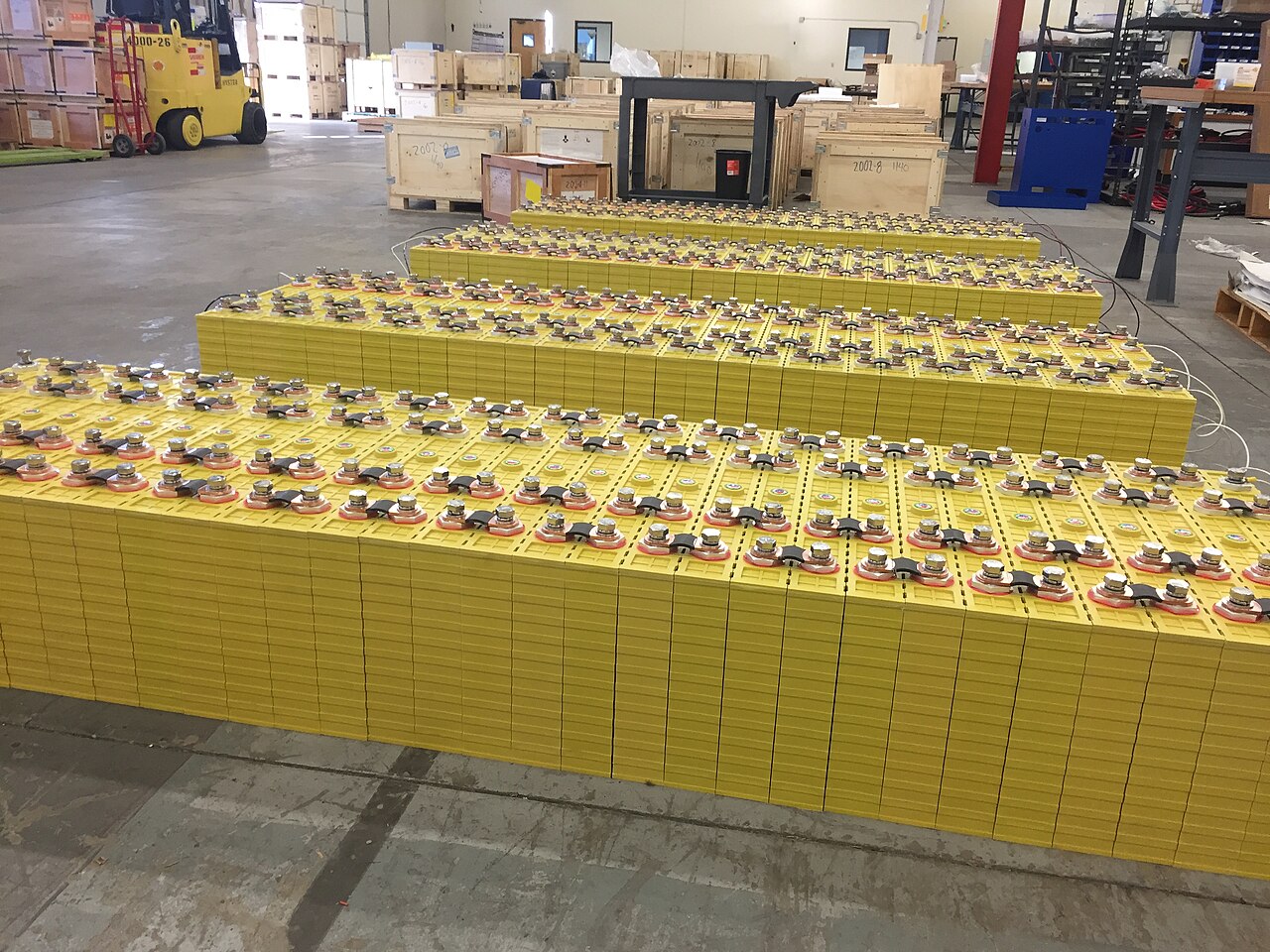
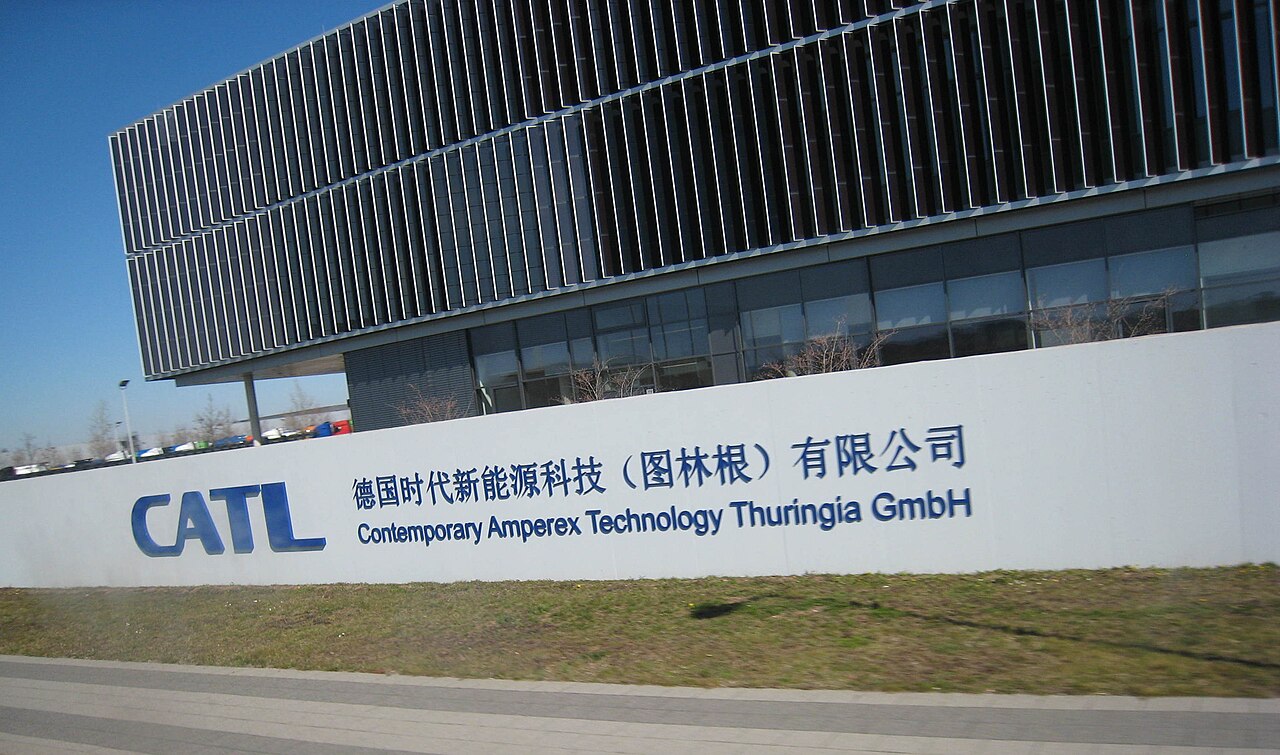
    Top image: Photo: Giorno2, CC BY-SA 4.0, via Wikimedia Commons. The photo shows CATL’s plant in Arnstadt, Germany, not the Karawang site.

    President Prabowo Subianto will soon formally open the electric vehicle battery factory built by CATL and Indonesia Battery Corporation (IBC) in Karawang, West Java, according to Bahlil Lahadalia, the coordinating minister for downstreaming and energy transition. No date has been given.

    Bahlil made the announcement at the State Palace in Jakarta on Monday 19 October, CNBC Indonesia reported. He framed it as evidence that nickel downstreaming is “going well” (translated from Indonesian), pointing to factories Prabowo recently opened at Weda Bay in North Maluku, the hub from which Indonesia shipped its first EV batteries this month.

    Already producing since July

    The ceremony will be a formal opening rather than a start-up. As we reported in August, the plant began phased operations earlier this year. IBC chief executive Aditya Farhan Arif told a media event in Jakarta on 14 September that the factory had been running since July, according to CNBC Indonesia. It makes battery cells and packs for EVs, as well as battery energy storage systems (BESS).

    Key details, as reported by CNBC Indonesia and summarised by Kayonews:

    • Operator: PT Contemporary Amperex Technology Indonesia Battery (CATIB), a joint venture between IBC and CBL, a CATL subsidiary.
    • Location: the Artha Industrial Hill and Karawang New Industry City estates.
    • Capacity: 6.9 GWh in the first phase, with a plan to reach at least 15 GWh, which IBC says would be enough for around 250,000 EVs.
    • Investment: about US$1.2 billion (around Rp21.19 trillion) to build out to 15 GWh.
    • Timeline: ground was broken on 29 June 2025, so production began roughly 13 months later.
    • Workforce: IBC sent 600 employees to China for training.
    • Plans: an 18 MWp solar power plant is planned for 2027, and IBC and CATL are also developing a US$600 million battery materials project in Halmahera.

    CNBC Indonesia describes the factory as Indonesia’s second EV battery plant, after Hyundai LG Indonesia (HLI) Green Power, which was opened in July 2024.

    Why it matters

    Battery supply is becoming central to Indonesia’s EV rules. Carmakers face a 60% local-content (TKDN) requirement from 2027, and the battery is the single most valuable component in an electric car. A domestic cell and pack plant gives brands assembling locally a possible route to higher local content, although neither CNBC Indonesia nor IBC has said which carmakers will buy the Karawang output or which battery chemistry it uses.

    The opening also comes as the government finalises a new incentive package, with debate over whether cars using nickel-based batteries should get bigger support than those using lithium iron phosphate (LFP).

    What it means for buyers

    For now, very little changes on the showroom floor. Locally made cells could in time help brands meet local-content rules and keep tax incentives, which affects prices. But until carmakers confirm they are sourcing from Karawang, buyers should treat the plant as a long-term factor rather than a reason to expect cheaper EVs soon.

    Follow-up (4 November 2026): Speaking on 2 November, Bahlil again said the Antam-CATL plant would be inaugurated this month, and claimed Indonesia now has a mine-to-cell battery chain. Read more.

    Sources: CNBC Indonesia – Prabowo Segera Resmikan Pabrik Baterai EV Terbesar ke-2 RI (20 Oct 2026); Kayonews – Prabowo Segera Resmikan Pabrik Baterai EV, Investasi Tembus Rp21 Triliun (22 Oct 2026).

  • Moeldoko: EVs could lose Jakarta odd-even exemption at 30% of fleet

    Moeldoko: EVs could lose Jakarta odd-even exemption at 30% of fleet

    Top image: Photo: Firzafp, CC BY 4.0, via Wikimedia Commons

    Battery electric cars may not keep their exemption from Jakarta’s odd-even (ganjil genap) traffic rule forever, according to Moeldoko, chairman of the Indonesian Electric Vehicle Industry Association (Periklindo). But he suggests the perk, and government purchase incentives, should stay in place until EVs make up roughly 30% of the vehicle population, a level Indonesia is still a long way from.

    The comments, reported by Bisnis.com on Monday 26 October, add an industry view to a debate that has been building for a fortnight. Jakarta’s transport agency is reviewing the odd-even scheme, and Industry Minister Muhammad Sarmuji has proposed extending the exemption to hybrids and range-extender EVs.

    A 30% threshold

    Moeldoko told Bisnis he had discussed the rule with Jakarta Governor Pramono Anung, and that it is a matter for regional governments to weigh. His position is that the exemption can reasonably go once EVs are common on the roads, but not yet.

    “If the electric vehicle population reaches around 30%, the odd-even exemption may need to be revoked.” (translated from Indonesian)

    Because the EV population is still relatively small, he argued, the current policy can be kept for now. He applied the same logic to incentives: in his view, government support is still needed to drive adoption until EVs reach about 30%, after which the market should be stable enough to stand on its own.

    He also played down the risk that losing the exemption would kill demand. Lower running costs, he said, remain a strong draw for buyers while non-subsidised petrol prices stay high.

    Where EV adoption stands

    Bisnis cited Gaikindo wholesale data showing 117,218 battery electric vehicles shipped to dealers in January–September 2026, up 112.25% from 55,225 a year earlier. That was 17.26% of the 679,020 cars wholesaled nationally over the nine months. The figures match those we reported in our look at EV sales to September.

    It is worth stressing that the 17% figure is a share of new car sales. Moeldoko’s 30% refers to the vehicle population, meaning cars already on the road. Bisnis did not give a current figure for that, but because Indonesia’s fleet is dominated by petrol and diesel cars bought over many years, the EV share of the total stock is far below the share of new sales (our observation). On that measure, the 30% mark looks some years away.

    Part of a wider Periklindo push

    The remarks fit a pattern for the association in recent days. Periklindo has called for incentives for electric buses and trucks, and has questioned plans to favour nickel-battery cars in a new incentive package. The association is also co-organising the PEVS 2026 show, which opens at JIExpo Kemayoran on 29 October.

    What it means for buyers

    • No change yet: battery electric cars in Jakarta are still exempt from the odd-even rule. Nothing has been decided, and the provincial review is ongoing.
    • Don’t count on the perk forever: both the industry body and the city now openly discuss an end point. If the exemption is a main reason to buy, factor in that it may not last the life of the car.
    • Running costs remain the core case: as Moeldoko notes, the fuel savings do not depend on traffic rules. Our EV running-costs guide sets out the numbers.

    Update, 28 October 2026: Industry minister Muhammad Sarmuji says the government will hear Periklindo’s full case before deciding on the exemption. Read the follow-up.

    Explainer: how the rule works, which roads and vehicles it covers and what the review could mean for buyers, in our guide to Jakarta’s odd-even rule and EVs.

    Sources: Bisnis.com – Moeldoko Bicara Sinyal Mobil Listrik Tak Lagi Bebas Ganjil Genap (26 Oct 2026); Gaikindo wholesale data as reported by Bisnis.com.

  • Periklindo pushes back on bigger EV incentives for nickel-battery cars

    Periklindo pushes back on bigger EV incentives for nickel-battery cars

    Top image: Photo: Yo-Co-Man, CC BY-SA 4.0, via Wikimedia Commons

    The Indonesian Electric Vehicle Industry Association (Periklindo) has asked the government to rethink a plan to give bigger purchase incentives to electric cars that use nickel-based batteries, arguing that cheaper chemistries such as lithium iron phosphate (LFP) have caught up and that tying support to one material could make EVs less affordable.

    The comments came at a Periklindo press conference in Jakarta on Friday, 23 October, Republika reported, as the government works to finalise its long-delayed incentive package for battery electric vehicles (BEVs). It follows the association’s call earlier in the week for incentives to be extended to electric buses and trucks.

    What the government has proposed

    Finance Minister Purbaya Yudhi Sadewa set out the basic idea in May: value-added tax on electric cars would be partly or fully borne by the state (PPN DTP), at 100 per cent for cars with nickel manganese cobalt (NMC) batteries and 40 per cent for cars with non-nickel batteries such as LFP, according to InvestorTrust and DDTCNews. The package was meant to start in mid-2026 but was postponed; in June, Coordinating Minister for Economic Affairs Airlangga Hartarto said the scheme was still being reviewed.

    Energy and Mineral Resources Minister Bahlil Lahadalia has defended the nickel tilt. In August he said LFP was not a government priority because Indonesia lacks its key raw materials, and argued that nickel batteries perform better on long journeys, Metro TV reported. Antara said on 23 October that a larger incentive for nickel-based EVs, aimed at using domestic minerals and building the national battery industry, remains one of the options under consideration.

    Periklindo’s objections

    Periklindo chairman Moeldoko said Indonesia’s large nickel reserves should not dictate which battery technology carmakers use.

    “Does the material have to be nickel? In my view it cannot be forced like that.” – Moeldoko, quoted by Antara and Republika (translated from Indonesian)

    The association’s deputy chairman for development and research, Prabowo Kartoleksono, said LFP batteries now offer energy density comparable to NMC at a price about 30 per cent lower, Antara reported. He warned that reserving the larger incentive for nickel batteries could limit manufacturers’ freedom to pick the technology that suits the market, which matters most for price-sensitive products such as electric motorbikes.

    He also pointed to a link with local-content rules: according to Otodream and Antara, he said that earning TKDN (local content) credit currently requires using nickel batteries, which he described as very expensive. That ties the debate to the ministry’s plan for a 60 per cent local-content requirement from 2027 and its view that local batteries could lift imported EVs’ local content.

    Prabowo Kartoleksono did see a nickel opportunity elsewhere. He said solid-state batteries can use nickel, and suggested Indonesia should consider entering that technology while it is still new. He also mentioned sodium-ion batteries as another alternative under development.

    Uncertainty is the bigger worry

    Beyond the nickel question, Periklindo asked for incentive policy that is clear, consistent and transparent. Republika reported the association’s concern that repeated delays encourage buyers to hold off while they wait for announcements, which makes production planning harder. The separate electric-motorbike subsidy is also still being finalised, after earlier plans pointed to a start no earlier than September 2026.

    What it means for buyers

    No final scheme has been published, so current prices still reflect the existing tax rules set out in our 2026 EV tax guide. If the 100/40 split proposed in May is adopted, the battery chemistry of a car would affect how much VAT relief it gets, so buyers comparing models should check whether a car uses an NMC or LFP pack. Anyone planning to buy soon faces the same dilemma Periklindo describes: waiting could bring a bigger discount, but there is still no confirmed date or final design.

    Sources: Antara (Indonesian), 23 Oct 2026; Republika (Indonesian), 24 Oct 2026; Otodream (Indonesian), 25 Oct 2026; DDTCNews (Indonesian), 23 Jun 2026; InvestorTrust (Indonesian), 2 Jun 2026; Metro TV (Indonesian), 4 Aug 2026.

  • South Korea hands Bali 11 electric buses as Koster seeks free conversions

    South Korea hands Bali 11 electric buses as Koster seeks free conversions

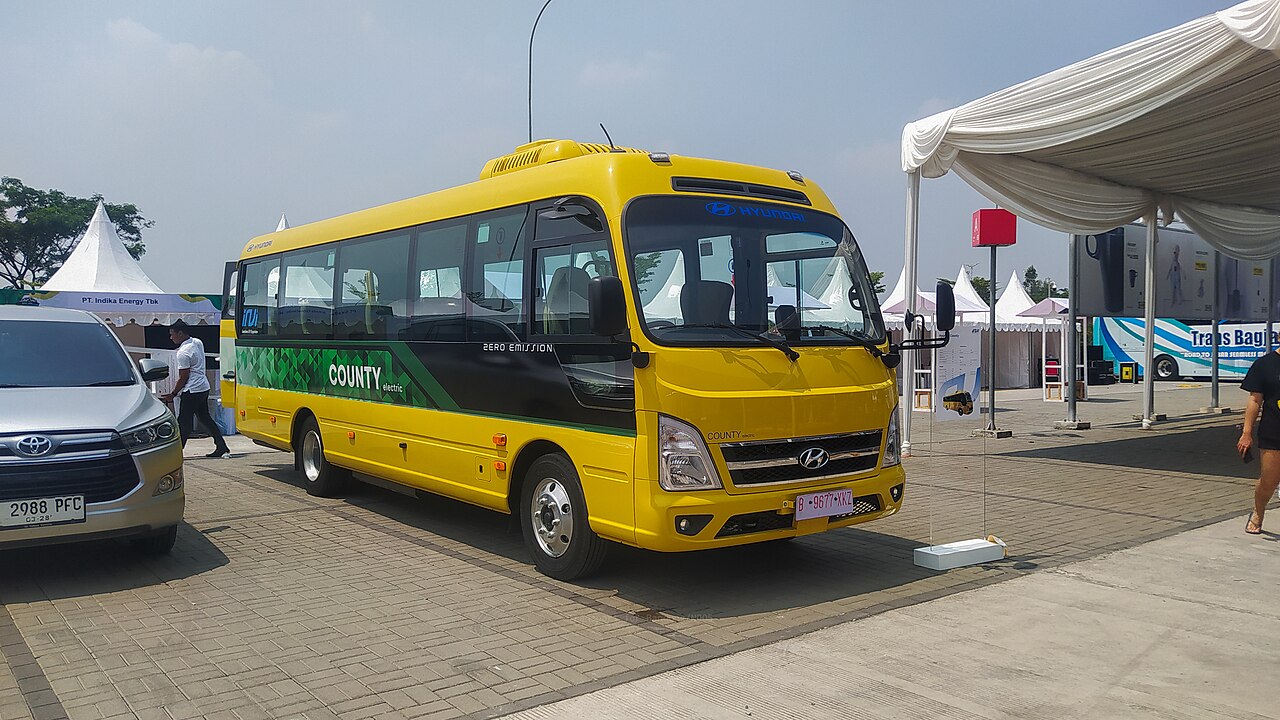
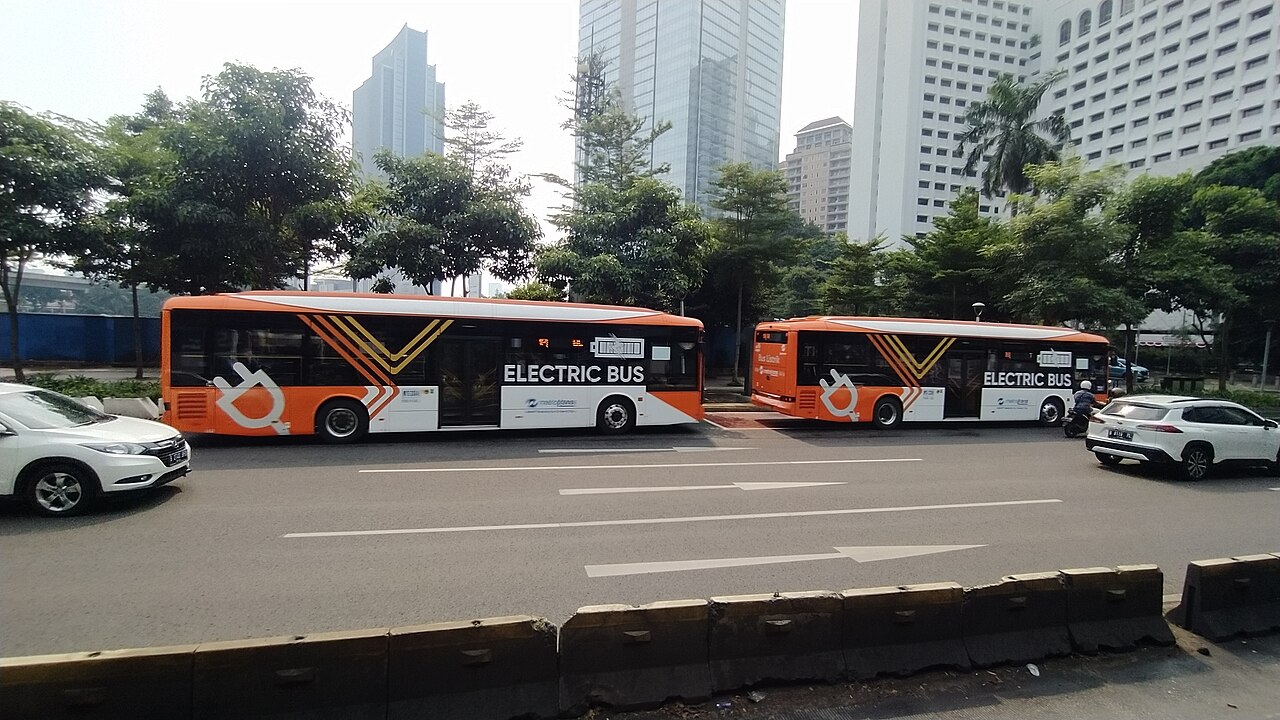
    Top image: Photo: NFarras for Transport for Bandung, CC BY-SA 4.0, via Wikimedia Commons. The photo shows a Hyundai County Electric in West Java, the model supplied to Bali.

    Bali has put 11 Korean-funded electric buses on show, and a day later its governor asked South Korea to help with a bigger task: converting petrol vehicles to electric without the owners paying for it.

    The buses and six charging units were handed to the provincial government on Thursday 22 October at Niti Mandala Renon in Denpasar, Kompas reported. The grant comes through the Bali E-Mobility project, a partnership between South Korea’s Ministry of Climate, Energy and Environment, Indonesia’s national planning ministry (Bappenas) and the Global Green Growth Institute (GGGI).

    Korean chassis, Indonesian bodies

    According to a Hyundai Motor statement carried by CleanTechnica, the vehicles are Hyundai County EV mid-size buses: 8 metres long, 20 seats, a 128 kWh battery and a claimed range of more than 200 km per charge. Hyundai supplied the electric platforms and the bodies were built by Indonesian coachbuilder Laksana. GGGI ran the supply tender in the second half of 2025, after the two governments signed a memorandum of understanding that year.

    Governor I Wayan Koster said the buses meet Indonesia’s local-content (TKDN) requirements because the bodywork was made in the country, and that he had chosen a black, red and white livery referencing Tri Datu, a symbol closely tied to Balinese culture. When the grant was first announced in April 2025, The Bali Sun reported a figure of 10 buses and said Bali had asked for 8-metre vehicles to suit its narrow roads; the fleet delivered this week numbers 11.

    Hyundai said it will run a field quality-assurance programme during the initial deployment. Neither Kompas nor Hyundai’s statement set out the routes the buses will serve.

    “Studies in Bali show more than 90 percent of air pollution comes from fossil-fuelled power generation and transport.” — Governor I Wayan Koster, to Kompas (translated from Indonesian)

    Free conversions: an aim, not yet a programme

    On Friday 23 October Koster met South Korea’s ambassador to Indonesia, Yoon Soon-gu, at the governor’s residence in Denpasar. Kompas reported that he said the province needs third-party partners willing to convert conventional vehicles to battery power without placing a cost on owners, with cooperation sought on technology, investment and charging infrastructure.

    The talks also covered clean energy, public transport, digital technology, artificial intelligence, waste management and smart-city projects. Yoon pointed to South Korea’s 2050 carbon-neutrality target and offered to put Bali in touch with relevant Korean parties. No company, budget, vehicle type or timetable for a conversion scheme was announced.

    Bali’s EV policy dates back to Governor Regulation 48 of 2019 on battery electric vehicles, which Koster said was held back by the Covid-19 pandemic. He also said the central government has allocated 1,000 MW of solar capacity for Jembrana and Gilimanuk in west Bali, which is still going through permits and is expected to start in 2027.

    What it means for buyers and riders

    • Do not wait for a free conversion. There is no scheme to apply for yet, only a stated goal. If you are weighing a conversion now, our guide to converting a petrol motorbike to electric sets out the current costs and rules.
    • Bali’s charging base is growing. The island already had more than 17,700 EVs on the road earlier this month, as we reported, and PLN is rolling out battery-swap stations for work vehicles.
    • Electric public transport is still small. Eleven buses are a pilot rather than a network; watch for route announcements before planning around them.

    The grant comes in the same week that the electric vehicle association Periklindo called for EV incentives to be extended to electric buses and trucks.

    Sources: Kompas.com (Denpasar), 23 Oct 2026, bus grant; Kompas.com (Denpasar), 23 Oct 2026, conversion talks; CleanTechnica / Hyundai Motor, 22 Oct 2026; The Bali Sun, April 2025.

  • Chinese nickel producers in Indonesia weigh output cuts, including battery MHP

    Chinese nickel producers in Indonesia weigh output cuts, including battery MHP

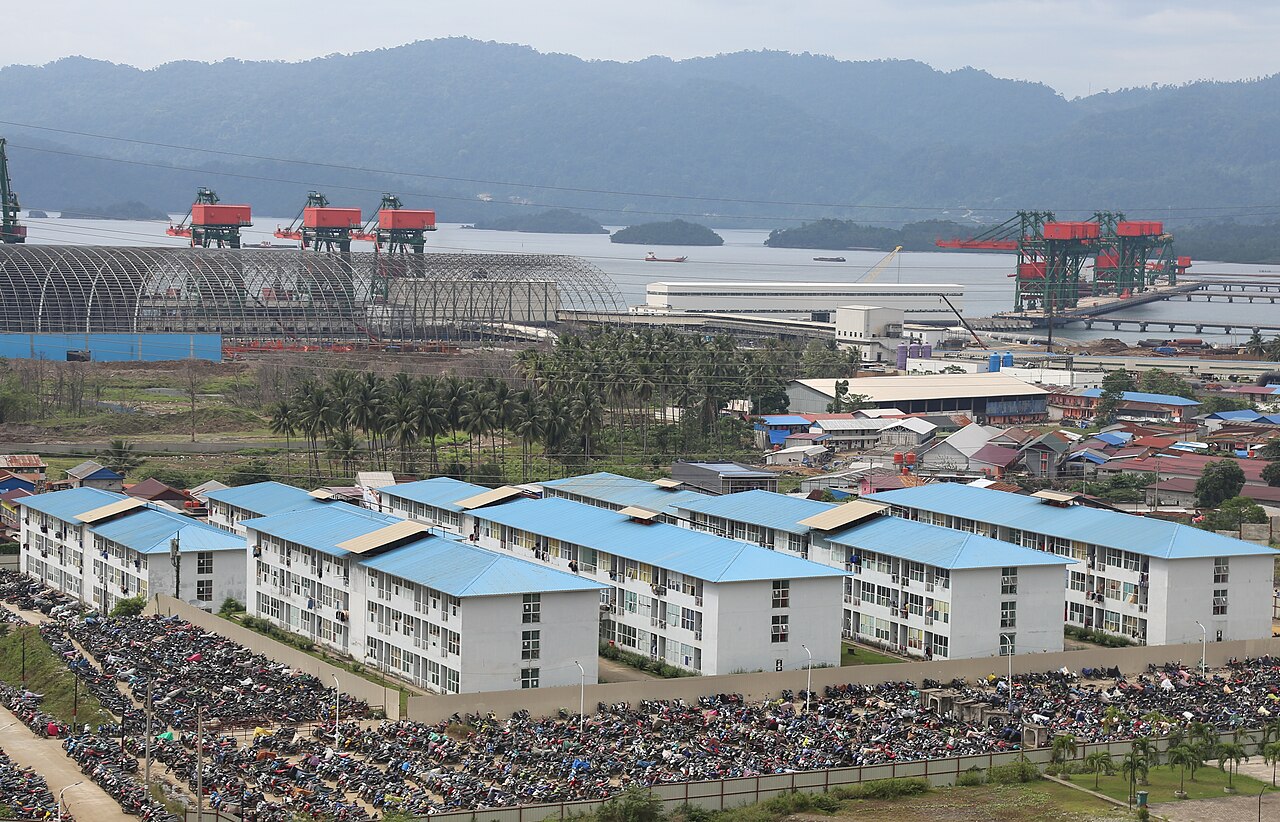
    Top image: Photo: Ministry of Public Works of Indonesia, Public domain, via Wikimedia Commons

    Chinese nickel producers operating in Indonesia are discussing coordinated output cuts, including at plants that make a key feedstock for electric-vehicle batteries, after a slide in nickel prices squeezed their margins.

    Executives from companies including Tsingshan Group, Huayou Cobalt, CNGR Advanced Material, Lygend Resources and GEM met on Tuesday, 20 October, to discuss curbs, Reuters reported, following an earlier report by Bloomberg. No decision had been taken on the size or length of any cut. Reuters cited three sources as saying the firms were weighing halving output of mixed hydroxide precipitate (MHP), an intermediate product used to make battery chemicals, and four sources as saying a 20 per cent cut to nickel pig iron (NPI), used mainly in stainless steel, was under consideration.

    Australian-listed Nickel Industries, which holds a 10 per cent stake alongside Huayou in the Huayue nickel-cobalt project at the Indonesia Morowali Industrial Park (IMIP) in Central Sulawesi, said cuts were coming. Managing director Justin Werner told an earnings call there would be “coordinated cuts across all of the operations within the IMIP”, without giving a percentage, and said producers without integrated operations would be hit hardest. The company has already reduced its own Indonesian NPI output to 75 per cent of capacity this month, according to Reuters.

    Prices, costs and quotas

    Nickel had fallen nearly 25 per cent from its 2026 peak of about US$20,000 a tonne to US$15,070 last week, its lowest level since December 2025, Reuters said. Talk of cuts has since lifted prices: The Edge Malaysia reported that nickel rose for a fourth straight day on 21 October to above US$16,000 a tonne on the London Metal Exchange, and Reuters said LME nickel gained 3.7 per cent that day. An earlier attempt to agree cuts, in August, failed, The Edge noted.

    Producers are also dealing with sulphur shortages, which push up the cost of making MHP, and with tighter ore-mining quotas set by the Indonesian government. Jakarta has separately been weighing a halt to new semi-finished nickel smelters because of oversupply.

    Indonesia produced about two-thirds of the world’s mined nickel in 2025, according to US Geological Survey figures cited by Reuters, so decisions taken at Morowali ripple through global supply chains for both steel and batteries.

    What it means for Indonesia’s EV ambitions

    MHP links Indonesia’s nickel mines to its battery ambitions: it feeds the precursor and cathode materials used in nickel-based lithium-ion cells. A deep MHP cut would tighten supply for battery-chemical makers, though it could also support prices that have been under pressure. Indonesia only recently shipped its first EV batteries from the Weda Bay nickel hub, and the industry’s reliance on captive coal power has also drawn scrutiny.

    For car and motorbike buyers in Indonesia, there is no direct effect on showroom prices in the short term, and many lower-priced EVs use lithium iron phosphate (LFP) batteries that contain no nickel. The cuts matter more for the longer-term case that Indonesia can turn its nickel reserves into a domestic battery and EV industry, which underpins the government’s local-content rules and incentives.

    Sources: Reuters via MINING.COM; The Edge Malaysia; Bloomberg.

  • Periklindo urges EV incentives for buses and trucks as hybrid debate grows

    Periklindo urges EV incentives for buses and trucks as hybrid debate grows

    Top image: Photo: NFarras, CC BY-SA 4.0, via Wikimedia Commons

    The Indonesian Electric Vehicle Industry Association (Periklindo) has asked the government to extend electric-vehicle incentives beyond passenger cars to commercial vehicles such as buses and logistics trucks, adding a new voice to a policy debate that has so far centred on private cars and, this week, hybrids.

    Periklindo chairman Moeldoko made the case at a press conference in Jakarta on 22 October to promote the PEVS 2026 electric vehicle show, which runs from 29 October to 1 November at JIExpo Kemayoran. According to VIVA, he said the association has written to the government asking for commercial vehicles to be included in EV incentive policy.

    Why commercial vehicles?

    Moeldoko argued that commercial vehicles use a lot of fuel and emit a lot of CO2, and that Indonesia’s logistics costs are relatively high, so electrifying fleets could cut both emissions and operating costs for businesses that depend on distribution. Bus operators in particular face rising running costs as fuel prices climb, Investortrust reported, while JPNN said he also named logistics trucks as a target.

    “So far only passenger vehicles have been considered; all incentives have focused on passenger cars.” – Moeldoko, as quoted by Investortrust (translated from Indonesian)

    On the form of support, VIVA reported that Moeldoko suggested commercial vehicles could get the same kind of tax relief as passenger EVs, referring to a reduction from a 10 per cent rate, alongside non-fiscal perks in selected regions such as tourist areas. He gave no cost estimate, and the government has not announced any commercial EV incentive. Moeldoko also said that, in his view, EVs will need incentives until adoption reaches roughly 30 per cent; that is not an official target.

    A crowded incentive debate

    The call came a day after Industry Minister M. Sarmuji said he would ask the Finance Minister to consider incentives for hybrids, plug-in hybrids and range-extended EVs (REEVs), possibly including exemption from Jakarta’s odd-even traffic rule, as we reported earlier. CNBC Indonesia reported that Sarmuji hopes the incentives can take effect this year, or early next year if not.

    Unlike economists at INDEF, who argued that incentives should stay focused on battery EVs, Moeldoko did not oppose the hybrid plan. CNBC Indonesia quoted him as saying hybrids still help cut fuel consumption and CO2, and that fiscal and non-fiscal incentives are a concrete way to speed up the take-up of cleaner vehicles.

    The wider passenger-car package is still unclear. Bisnis.com reported on 23 October that, as of mid-October, the government had not officially announced the scheme or timetable for incentives covering 500,000 electric cars and 500,000 electric motorbikes that Finance Minister Purbaya Yudhi Sadewa had mentioned earlier. Separately, the local-content (TKDN) threshold linked to EV incentives is due to rise from 40 per cent to 60 per cent in 2027.

    What it means for buyers

    For private buyers, Periklindo’s push for commercial vehicles changes nothing immediately. The bigger question for anyone shopping for an EV now is whether the passenger-car incentives and the 2027 local-content rules will change which models qualify, and at what price. Bisnis.com’s own illustration shows the stakes: on a car priced at Rp 300 million before tax, 12 per cent VAT comes to Rp 36 million, so the size of any VAT relief makes a material difference. Until the rules are published, buyers should check whether a quoted price assumes an incentive that has not yet been confirmed. Our guide to EV taxes and incentives in 2026 explains the current position.

    Fleet operators, from bus companies to delivery and ride-hailing firms, have more reason to watch closely. If commercial EVs gain tax relief, the economics of electric buses and vans, such as the locally assembled DFSK Gelora E, would improve, but there is no timetable yet. Expect the subject to come up again at PEVS next week, where VIVA lists exhibitors including BAIC, BYD, Chery, DFSK, MAB, MG, Polytron and Wuling.

    Follow-up: Periklindo has also asked the government to rethink bigger incentives for nickel-battery EVs. Read: Periklindo pushes back on bigger EV incentives for nickel-battery cars.

    Sources: VIVA; Investortrust; JPNN; CNBC Indonesia; Bisnis.com.

  • Industry minister seeks hybrid and REEV incentives, including odd-even exemption

    Industry minister seeks hybrid and REEV incentives, including odd-even exemption

    Top image: Photo: Alex Neman, CC BY-SA 4.0, via Wikimedia Commons

    Indonesia’s Industry Minister, Muhammad Sarmuji, says his ministry will push for a package of incentives for hybrid, plug-in hybrid (PHEV) and range-extended electric vehicles (REEV). The proposed perks include exemption from city odd-even traffic rules and dedicated parking. Until now those benefits have been closely tied to battery electric vehicles (BEVs). Not everyone is convinced: a think-tank warns that the money and perks should stay focused on cars that burn no fuel at all.

    What the minister proposed

    Sarmuji spoke on Wednesday 21 October after meeting the car industry association Gaikindo at the ministry in Jakarta, CNBC Indonesia and detikFinance reported. He gave two reasons: cutting fuel consumption and emissions as fuel prices rise, and giving the domestic car industry a boost.

    According to the two reports, the ideas fall into two groups:

    • Non-fiscal incentives: easier administration, exemption from odd-even (ganjil genap) restrictions in cities, dedicated parking spaces and possibly charging facilities.
    • Fiscal incentives: some form of tax relief, which the government will study. Sarmuji said this would not necessarily match what BEVs receive.

    “The tax relief doesn’t have to be the same. What matters is that there is an incentive so the industry grows too,” he said, as quoted by detikFinance (translated from Indonesian).

    The minister acknowledged that no specific scheme exists yet for hybrids, PHEVs or REEVs. He argued that these vehicles suit local factories because they pair a battery with a combustion engine, so carmakers would not need to overhaul their existing component base. He said he would raise the plan with the Finance Ministry and other stakeholders and hoped to hold a meeting before the end of October. He is aiming to finish it this year, with early next year as a fallback, CNBC Indonesia reported. Because traffic and parking rules belong to other agencies and local governments, the ministry would also need to coordinate with them.

    Gaikindo chairman Putu Juli Ardika backed the move. He told reporters that the association’s survey, which it shared with the ministry, found that most vehicles produced in Indonesia can meet the 60% local-content (TKDN) requirement, detikFinance reported. The report did not say how a TKDN threshold would apply to hybrids specifically.

    Think-tank: keep the focus on battery EVs

    The proposal drew criticism from the INDEF Green Transition Initiative (INDEF GTI). According to KatadataOTO, the group urged President Prabowo Subianto’s government to channel incentive funding into battery-powered cars instead. It argues that BEVs give the biggest fuel saving for each rupiah of incentive, and that this would ease pressure on the state budget.

    Andry Satrio Nugroho, who heads industrial and transport decarbonisation at INDEF GTI, put it plainly: “Hybrid cars still fill up at the petrol station; electric cars don’t” (translated from Indonesian).

    INDEF GTI also pointed to fuel shortages in some regions. According to the figures KatadataOTO reported, consumption of subsidised fuel reached about 13.4 million kilolitres by September, up 9.1% on a year earlier. Energy subsidies and compensation payments have reached Rp 376.8 trillion, or 84.3% of the 2026 budget ceiling.

    Why the odd-even question matters

    The timing is sensitive. Jakarta is already reviewing its odd-even scheme, including whether BEVs should keep their exemption, and Leapmotor has already warned about what losing it could mean for EV demand. If the exemption were also given to hybrids, PHEVs and REEVs, it would cover far more cars and become less valuable to each one, especially on congested corridors where the rule is meant to cut traffic.

    Hybrids have had tax help before. Under the 2025 rules covered in our guide to EV taxes and incentives, battery EVs with at least 40% local content had 10 percentage points of VAT covered by the state, while hybrids got a smaller luxury-tax discount. The ministry is also still waiting on the Finance Ministry over a separate, long-delayed electric motorbike incentive.

    What it means for buyers

    For now, nothing has changed. No hybrid incentive has been drafted, and any tax relief needs Finance Ministry approval. Any traffic perk also depends on decisions by Jakarta and other cities. If you are choosing between a hybrid and a battery EV mainly for the odd-even exemption, that advantage could narrow, either because hybrids gain the exemption or because Jakarta changes the BEV rule. It is worth keeping an eye on the Finance Ministry meeting Sarmuji hopes to hold before the end of the month.

    Update, 23 October: Periklindo has since urged the government to extend EV incentives to buses and logistics trucks, while backing support for hybrids. Read our follow-up.

    Explainer: how hybrids, plug-in hybrids, REEVs and battery EVs differ, and which suits which driver, in our guide to choosing an electrified car in Indonesia.

    Update (27 October 2026): Periklindo chairman Moeldoko has also weighed in on the odd-even exemption. Read our follow-up.

    Update: On 27 October Sarmuji also asked Toyota to step up full battery-electric production in Indonesia. Read our follow-up.

    Explainer: how the rule works, which roads and vehicles it covers and what the review could mean for buyers, in our guide to Jakarta’s odd-even rule and EVs.

    Sources: CNBC Indonesia; detikFinance; KatadataOTO.

  • Jakarta reviews odd-even rule as Leapmotor warns over EV exemption

    Jakarta reviews odd-even rule as Leapmotor warns over EV exemption

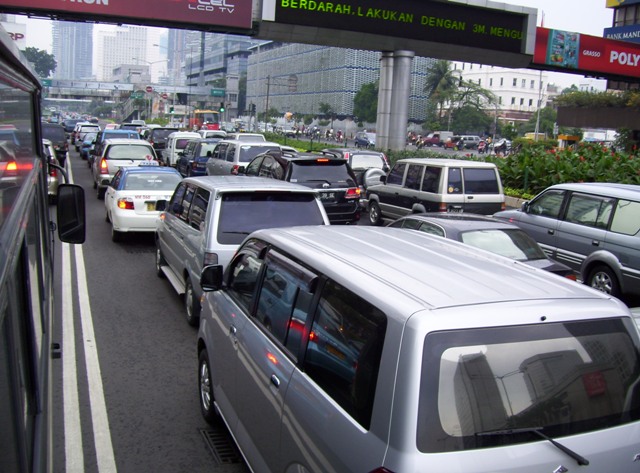
    Top image: Photo: Serenity, CC BY-SA 3.0, via Wikimedia Commons

    Jakarta’s provincial government is reviewing its odd-even (ganjil genap) traffic restriction, and the question of whether battery electric cars should keep their exemption from it is now firmly on the table. Carmakers are watching closely: for many Jakarta buyers, being able to drive on any day regardless of number plate is one of the most tangible everyday perks of owning an EV.

    What is being reviewed

    The odd-even scheme, which limits private cars on major corridors to alternate days based on the last digit of their plate, has been in place for roughly a decade. At the end of September the Jakarta Transportation Agency (Dinas Perhubungan) held a focus group discussion on the policy. According to Suara.com and Liputan6, the review is looking at emissions, economic and environmental effects, and how vehicles are classified by fuel or power source.

    Agency head Budi Awaludin stressed that the discussion was only about gathering public input and that further study is needed before anything changes. No decision has been announced on the EV exemption. In early October, Jakarta DPRD member Muhammad Taufik Zoelkifli (PKS) also said the policy, which dates from 2016, should be evaluated with more attention to its economic impact, Kumparan reported.

    The review is a shift in tone from May, when the agency’s then head, Syafrin Liputo, said the province would keep the odd-even exemption for battery EVs, alongside its exemptions from regional vehicle tax (PKB) and title-transfer duty (BBNKB), according to the National Police news portal. That followed a national interior ministry regulation (Permendagri 11/2026) which stopped treating EVs as automatically exempt from those regional taxes, leaving each province to decide. Our guide to EV taxes and incentives in 2026 explains how those levies work.

    Leapmotor: removal would hit demand

    Speaking at a media event near Bogor on 20 October, Leapmotor Indonesia brand head Samuel Christian Wowor said the exemption is one of the triggers that persuade consumers to switch to an electric car, so removing it would inevitably affect the market. He also argued that people who bought EVs on the basis of the current rules should be considered in any change (Suara.com).

    “For our part, we will of course simply follow whatever government regulations are in force.”
    — Samuel Christian Wowor, Leapmotor Indonesia, to Suara.com (translated from Indonesian)

    Local content push could also affect prices

    At the same event, Wowor said Leapmotor aims to lift the local content (TKDN) of its locally assembled cars from 40% to 60% by 2027, in line with the government’s requirement. The company is still studying which parts to localise, with the battery among the options, and said the investment needed could end up reflected in vehicle prices, Suara.com reported. The B10 and C10 are currently listed at Rp 499 million and Rp 618 million on the road in Jakarta, and are assembled by PT National Assemblers. BYD has set out a similar 60% target for its Subang plant.

    What it means for buyers

    • Nothing has changed yet. Battery EVs remain exempt from Jakarta’s odd-even rule while the study continues.
    • Do not rely on the perk for the long term. If daily access to odd-even corridors is a major reason for buying an EV, factor in that the exemption is under review and could be narrowed.
    • Watch local-content timelines. Brands moving from 40% to 60% TKDN by 2027 have warned that localisation costs could push prices up, although none has announced an increase.

    Update, 23 October: Industry Minister Muhammad Sarmuji has proposed extending odd-even exemptions and other perks to hybrids, PHEVs and REEVs. Read our follow-up.

    Update (27 October 2026): Periklindo chairman Moeldoko says the EV exemption could be dropped once EVs reach about 30% of vehicles. Read our follow-up.

    Explainer: how the rule works, which roads and vehicles it covers and what the review could mean for buyers, in our guide to Jakarta’s odd-even rule and EVs.

    Sources: Suara.com (30 Sept); Liputan6 (30 Sept); Kumparan (21 Oct); Suara.com (21 Oct, odd-even); Suara.com (21 Oct, TKDN); Tribratanews Polri (5 May).

  • PEVS 2026 EV show opens 29 October at JIExpo, targeting Rp500bn in deals

    PEVS 2026 EV show opens 29 October at JIExpo, targeting Rp500bn in deals

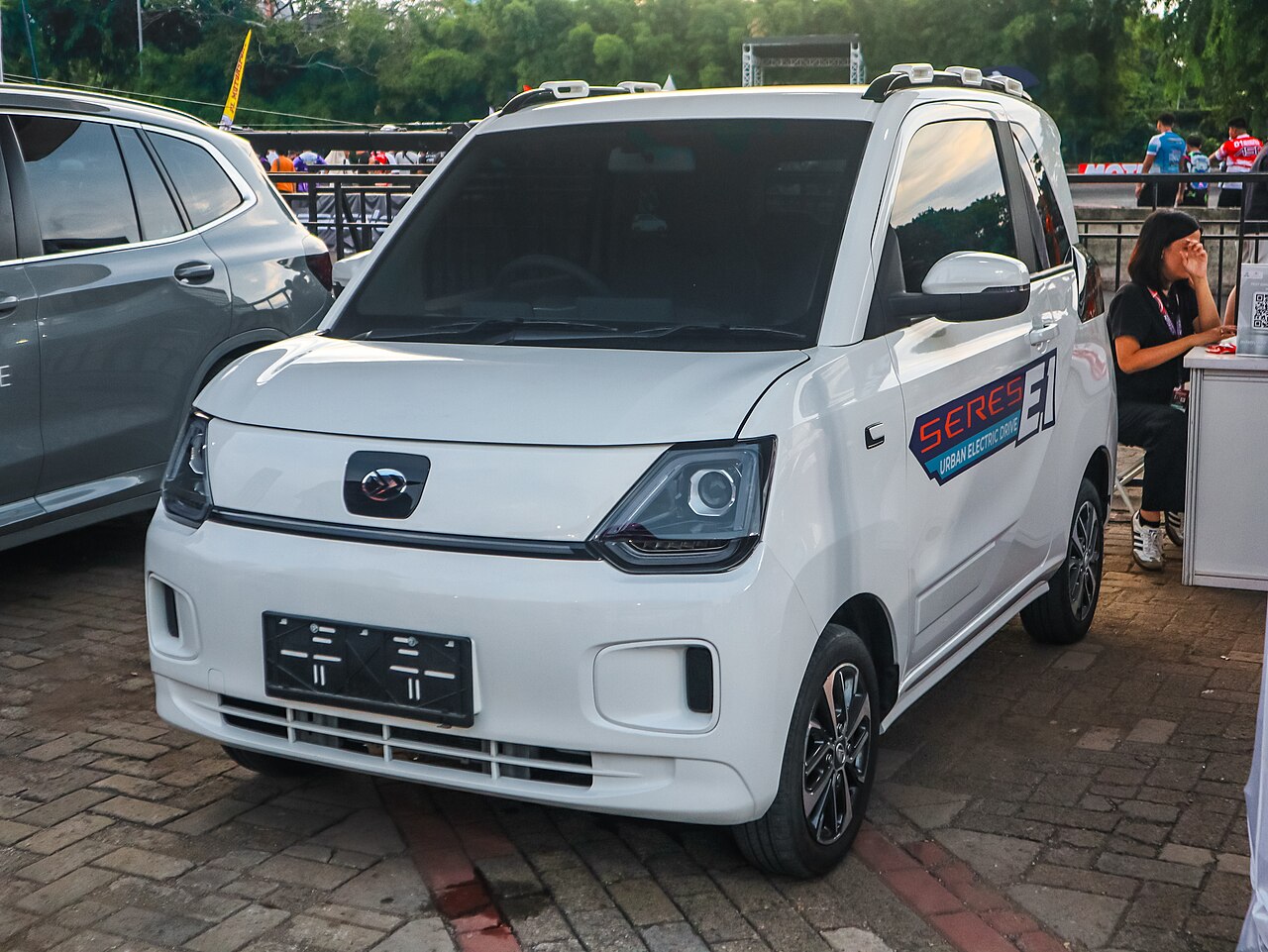
    Top image: Photo: Sulthan Naufal, CC BY-SA 4.0, via Wikimedia Commons. Pictured: the Seres E1 on display at IIMS 2025 in Indonesia.

    Update, 30 October 2026: PEVS 2026 has now opened. Read our report on the opening, including new industry ministry figures on battery EVs’ market share and the full exhibitor list: PEVS 2026 opens as battery EVs reach 16.88% of Indonesia’s car market.

    Indonesia’s dedicated electric-vehicle show, the Periklindo Electric Vehicle Show (PEVS) 2026, opens at JIExpo Kemayoran in Central Jakarta on 29 October and runs until 1 November. Organisers are hoping it will generate Rp500 billion in transactions over its four days.

    Key details

    • Dates: Thursday 29 October to Sunday 1 November 2026.
    • Venue: JIExpo Kemayoran, Jakarta, halls B3–C3, according to Medcom.
    • Entry: free for the public, with online registration required (Medcom; Antara).
    • Organisers: the Indonesian Electric Vehicle Industry Association (Periklindo) with event company Dyandra Promosindo (MarkLines; Medcom).
    • Theme: “The Future of A Clean and Efficient Mobility”.

    What is on show

    According to Medcom, the show will cover battery-electric, hybrid, plug-in hybrid, range-extended and hydrogen fuel-cell vehicles. PEVS 2026 project manager Rudi MF said the programme will also go beyond road vehicles, with battery-powered transport for water, air and rail, alongside wider use of solar panels.

    The programme is split into business-to-business, business-to-consumer and business-to-government strands, covering industry deals, hands-on experiences and education for the public, and links with investors and government, Antara reported. The sources we reviewed did not publish a full exhibitor list; last year’s show attracted 143 exhibitors and more than 40,000 visitors.

    Rp500 billion target

    Periklindo chairman Moeldoko set the Rp500 billion transaction target when the show was announced in May, presenting EVs as a response to geopolitical pressure on oil prices. “Our choice is to stand still or create a breakthrough,” he said (translated from Indonesian, via Antara).

    The market backdrop has improved since then. EV sales in the first nine months of 2026 have already passed the full-year 2025 total, as we reported in our January–September sales round-up.

    Conference the day before

    Periklindo is also holding its third Periklindo Electric Vehicle Conference (PEVC) on 28 October at the Mövenpick Hotel Jakarta, after two editions in Bali, detikOto reported. Four plenary sessions are planned: Indonesia’s 2027 economic and geopolitical outlook, next-generation EVs and autonomous driving, electric commercial fleets for logistics, and electrification of urban delivery, maritime and industrial uses.

    What it means for buyers

    Motor shows are often where brands announce launch prices and offer show-only packages, so PEVS may be a useful place to compare cars and electric motorbikes side by side, especially as the 60% local-content rule for 2027 starts to shape which models keep their tax incentives. As always, check what is included in any deal (home charger, battery warranty, free servicing) and whether prices are on-the-road for your city. The show also falls shortly before November’s Gaikindo auto week, where several new EVs are due to debut, so buyers who are not in a hurry may want to see both. Our EV directory lists the car and motorbike brands currently on sale in Indonesia.

    Sources: Antara (22 May 2026); Medcom (21 May 2026); detikOto (5 Aug 2026); MarkLines (28 May 2026).

  • BYD says Subang-built EVs already top 40% local content, eyes 60% for 2027

    BYD says Subang-built EVs already top 40% local content, eyes 60% for 2027

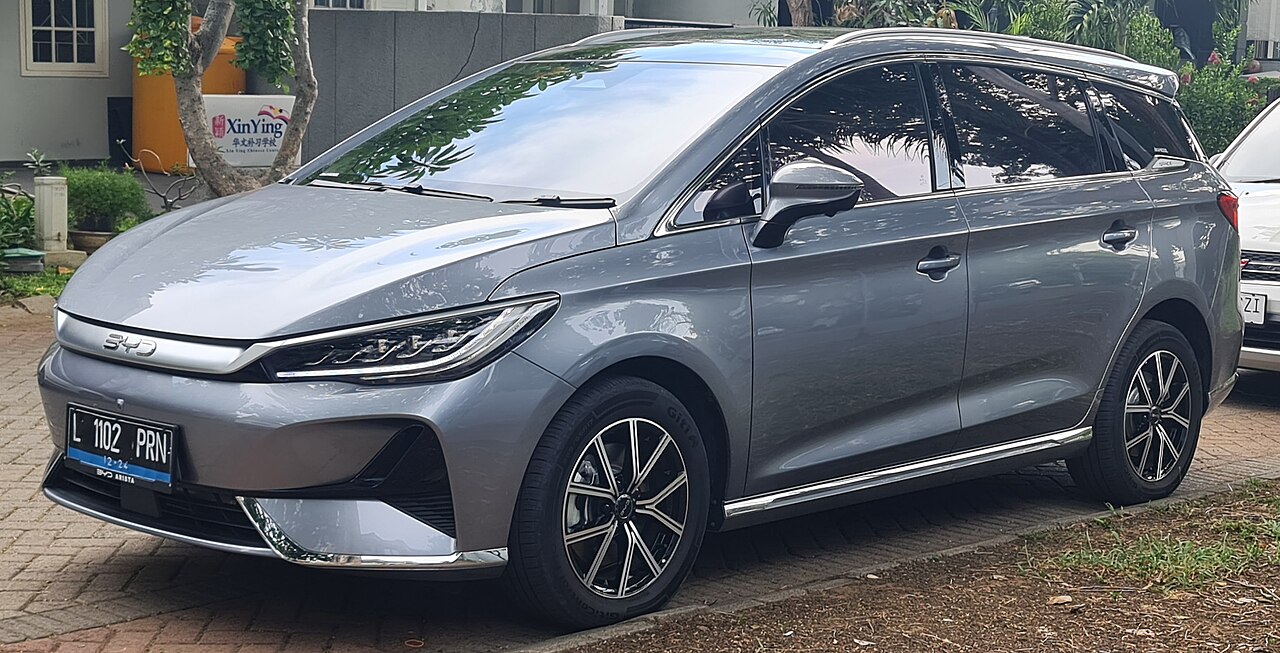
    Top image: Photo: Alex Neman, CC BY-SA 4.0, via Wikimedia Commons. Pictured: a BYD M6 in Surabaya; the M6 is one of three BYD models now built at the Subang plant.

    BYD Motor Indonesia says the cars rolling out of its new factory in Subang, West Java, already exceed 40% local content, and that it is confident of clearing the higher 60% threshold that Indonesia’s electric-vehicle rules set from 2027.

    The comments, made by Luther Panjaitan, BYD Indonesia’s head of public relations and government relations, at a press event in South Jakarta and reported by Suara.com on 19 October, are the clearest signal yet that the market’s best-selling EV brand intends to keep its models eligible for incentives once the local-content bar rises.

    What BYD said

    According to Suara.com and an earlier interview with KatadataOTO, Panjaitan said:

    • Units produced at BYD’s own Indonesian facility already have local content (TKDN) of more than 40%.
    • Three models are now made locally: the Atto 1 city car, the M6 EV and the M6 DM plug-in hybrid. BYD said localising these models was a response to demand and would speed up deliveries to dealers.
    • Because the Subang plant has its own stamping, welding, painting and assembly lines, the company says it has the flexibility to raise local content further.

    Panjaitan argued that owning a factory is currently one of the most realistic ways for a carmaker to reach 60%. “We are very confident and will meet the government’s request to reach that target as soon as possible,” he said (translated from Indonesian, via Suara.com).

    KatadataOTO also reported that one model from BYD’s premium Danza line-up will be assembled at a BYD facility in future, although no timing was given.

    The Subang plant

    The factory, in the Subang Smartpolitan industrial park, was inaugurated on 3 September. At the opening, BYD Indonesia president director Eagle Zhao said it can build up to 150,000 vehicles a year, that more than 5,000 local workers had already joined the company with a target of around 20,000, and that BYD was aiming to reach 60% TKDN from January 2027, Republika reported. Zhao also said BYD planned to carry out some battery-related assembly work in Indonesia, but gave no details of capacity or timing.

    What the rules require

    Local-content requirements for battery EVs are set by Presidential Regulation 79 of 2023. As summarised by KatadataOTO, the minimum is 40% for 2022–2026, rising to 60% for 2027–2029 and 80% from 2030. (Suara.com’s report describes the 60% stage as covering 2027–2028; we have followed the regulation’s dates as reported by KatadataOTO.)

    BYD is not the only route to compliance. As we reported last week, the Ministry of Industry says brands could also reach 60% by using batteries from Indonesian producers, without needing to build their own plants. The ministry has also reaffirmed that the 60% rule will start in 2027.

    Why it matters

    BYD’s locally built Atto 1 topped EV wholesales in September with 4,840 units, ahead of the Jaecoo J5 EV (3,276) and Geely EX2 (1,890), according to Gaikindo figures cited by KatadataOTO. Keeping that model compliant is therefore important both for BYD’s volumes and for the wider market (see our January–September EV sales round-up).

    What it means for buyers

    For now, nothing changes at the showroom: the Atto 1, M6 EV and M6 DM are already built in Subang. The bigger question is 2027. Models that cannot show 60% local content may lose access to tax incentives, which could push up prices, while brands with Indonesian plants, or access to Indonesian-made batteries, should be better placed to hold prices steady. Buyers weighing an imported EV against a locally built one may want to ask dealers how each model will be treated after January 2027. Current BYD prices and models are listed in our EV directory entry for BYD.

    Update (3 November 2026): The National Economic Council has since said the 60% requirement will apply from 2027 together with locally assembled battery packs. Read our follow-up.

    Sources: Suara.com (19 Oct 2026); KatadataOTO (16 Oct 2026); Republika (3 Sep 2026).

  • GAC, LEPAS and BAW line up new EV debuts for November’s Gaikindo Auto Week

    GAC, LEPAS and BAW line up new EV debuts for November’s Gaikindo Auto Week

    Top image: Photo: JustAnotherCarDesigner, CC0, via Wikimedia Commons

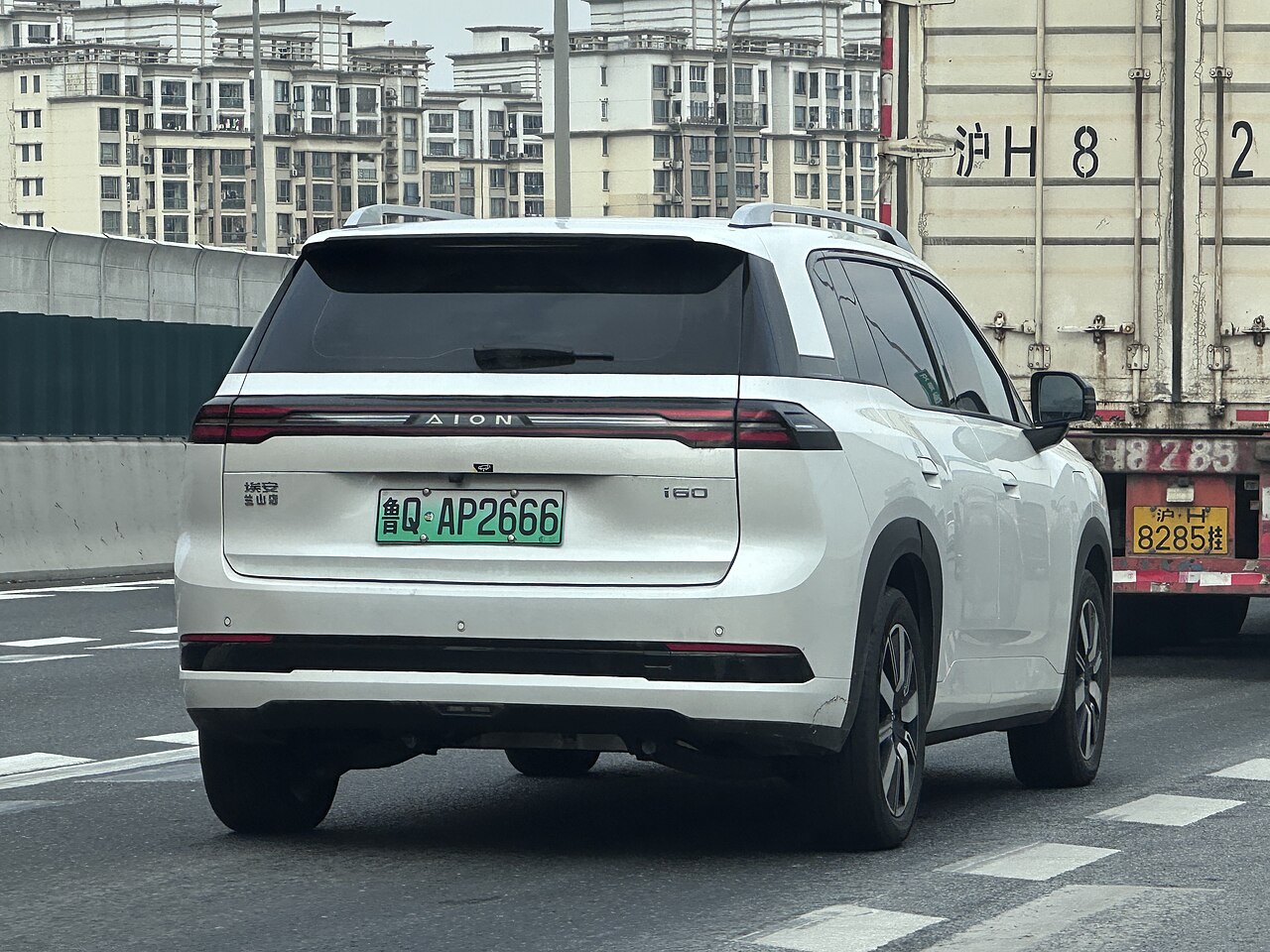
    Update, 8 November 2026: GAC has since confirmed the model as the Aion i60 and opened pre-bookings. Read our follow-up.

    Three Chinese brands have now confirmed, or strongly signalled, new electric models for Gaikindo’s year-end motor show, setting up a busy November for Indonesian EV shoppers. GAC Indonesia says an electric SUV never before shown in the country is coming, LEPAS has confirmed its E6 SUV is on schedule, and newcomer BAW plans to put a price on its M8 electric people carrier.

    The show, officially the Permata Bank GAIKINDO Auto Week 2026 (GAW 2026, still widely called GJAW), runs from 20 to 29 November at ICE BSD City in Tangerang, according to the organiser’s website. For the first time, smaller satellite exhibitions will run simultaneously from 25 to 29 November in nine other cities, including Bali, Bandung, Makassar, Medan and Surabaya, IDN Times reported.

    GAC: an Aion SUV new to Indonesia

    GAC Indonesia plans to unveil a new battery-electric SUV at its next event, which OtoDream understands to be GAW 2026. Speaking in Bekasi, Iqbal Taufiqurrahman, who leads product planning and strategy at GAC Indonesia, did not name the model but stressed its novelty:

    “This has never been displayed in Indonesia at all.” – Iqbal Taufiqurrahman, GAC Indonesia, to OtoDream (translated from Indonesian)

    OtoDream names the Aion i60 and Aion N60, two mid-size electric SUVs sold in China, as the likely candidates. In Chinese specification both use a 165 kW (about 224 PS) front motor and share a 2,775 mm wheelbase. The i60’s battery-electric version offers 56.68 kWh or 77.65 kWh packs with up to 520 km and 700 km of range on China’s generous CLTC test cycle, while the N60 is offered with three packs rated at up to 410, 510 or 610 km (CLTC). GAC has not confirmed which model, battery or price Indonesia will get, so these figures should be treated as indicative only. The new SUV would join the Aion line-up already on sale here, which runs from the compact UT to the Hyptec HT.

    LEPAS E6 “on track”

    Chery Group’s new-energy brand LEPAS says the E6 electric SUV remains on schedule for its public national debut at the November show, Bisnis Market reported on 16 October. Vice country director Temmy Wiradjaja confirmed the timing while opening a new dealer in Puri Indah, West Jakarta. Full specifications and variants are being held back for the show’s press day.

    The E6 is an adaptation of the LEPAS L6 EV that debuted at the Beijing show this year. In global form the L6 has a single 178 kW front motor, a 67 kWh lithium iron phosphate (LFP) battery and up to 510 km of range on the older NEDC cycle; Indonesian figures may differ. See our new LEPAS directory entry.

    BAW M8: a big electric MPV

    Beijing Automobile Works (BAW), which first showed five models at GIIAS in July, has chosen the M8 electric MPV as the first vehicle it will actually sell in Indonesia. Brand marketing director Rifkie Setiawan told JawaPos that the seven-to-nine-seat model suits Indonesian buyers who often travel in groups, and that the price and full specification will be announced at GAW 2026. CleanTechnica has reported an 81 kWh LFP battery and up to 505 km of claimed CLTC range for the M8, and that BAW plans knock-down assembly in West Java. We have added BAW to our EV directory.

    What it means for buyers

    • More choice in family-sized EVs. Two mid-size SUVs and a large MPV would add competition in segments where buyers already compare models such as the MG S6 EV and the Danza D9 MPV.
    • No prices yet. None of the three brands has published Indonesian pricing, and Chinese-market range figures (CLTC) are typically optimistic compared with real-world driving.
    • Tax status matters. Whether these cars are imported or locally assembled will affect the final price; our 2026 EV tax and incentive guide explains why.

    Sources: OtoDream (18 Oct 2026); Bisnis Market (16 Oct 2026); JawaPos (13 Oct 2026); CleanTechnica (10 Aug 2026); IDN Times (22 Sep 2026); GAIKINDO Jakarta Auto Week.