
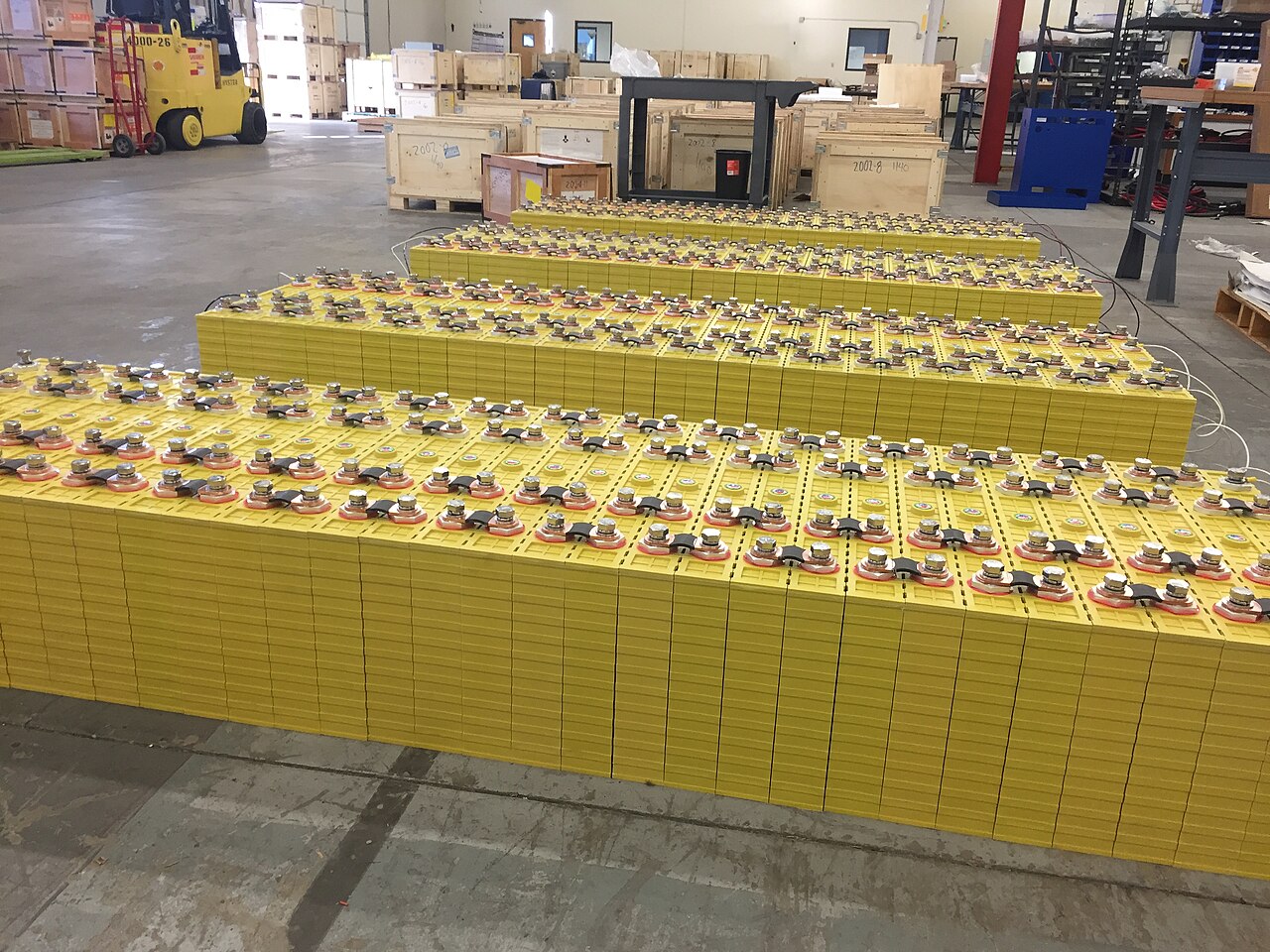
Top image: Photo: Yo-Co-Man, CC BY-SA 4.0, via Wikimedia Commons

The Indonesian Electric Vehicle Industry Association (Periklindo) has asked the government to rethink a plan to give bigger purchase incentives to electric cars that use nickel-based batteries, arguing that cheaper chemistries such as lithium iron phosphate (LFP) have caught up and that tying support to one material could make EVs less affordable.
The comments came at a Periklindo press conference in Jakarta on Friday, 23 October, Republika reported, as the government works to finalise its long-delayed incentive package for battery electric vehicles (BEVs). It follows the association’s call earlier in the week for incentives to be extended to electric buses and trucks.
What the government has proposed
Finance Minister Purbaya Yudhi Sadewa set out the basic idea in May: value-added tax on electric cars would be partly or fully borne by the state (PPN DTP), at 100 per cent for cars with nickel manganese cobalt (NMC) batteries and 40 per cent for cars with non-nickel batteries such as LFP, according to InvestorTrust and DDTCNews. The package was meant to start in mid-2026 but was postponed; in June, Coordinating Minister for Economic Affairs Airlangga Hartarto said the scheme was still being reviewed.
Energy and Mineral Resources Minister Bahlil Lahadalia has defended the nickel tilt. In August he said LFP was not a government priority because Indonesia lacks its key raw materials, and argued that nickel batteries perform better on long journeys, Metro TV reported. Antara said on 23 October that a larger incentive for nickel-based EVs, aimed at using domestic minerals and building the national battery industry, remains one of the options under consideration.
Periklindo’s objections
Periklindo chairman Moeldoko said Indonesia’s large nickel reserves should not dictate which battery technology carmakers use.
“Does the material have to be nickel? In my view it cannot be forced like that.” – Moeldoko, quoted by Antara and Republika (translated from Indonesian)
The association’s deputy chairman for development and research, Prabowo Kartoleksono, said LFP batteries now offer energy density comparable to NMC at a price about 30 per cent lower, Antara reported. He warned that reserving the larger incentive for nickel batteries could limit manufacturers’ freedom to pick the technology that suits the market, which matters most for price-sensitive products such as electric motorbikes.
He also pointed to a link with local-content rules: according to Otodream and Antara, he said that earning TKDN (local content) credit currently requires using nickel batteries, which he described as very expensive. That ties the debate to the ministry’s plan for a 60 per cent local-content requirement from 2027 and its view that local batteries could lift imported EVs’ local content.
Prabowo Kartoleksono did see a nickel opportunity elsewhere. He said solid-state batteries can use nickel, and suggested Indonesia should consider entering that technology while it is still new. He also mentioned sodium-ion batteries as another alternative under development.
Uncertainty is the bigger worry
Beyond the nickel question, Periklindo asked for incentive policy that is clear, consistent and transparent. Republika reported the association’s concern that repeated delays encourage buyers to hold off while they wait for announcements, which makes production planning harder. The separate electric-motorbike subsidy is also still being finalised, after earlier plans pointed to a start no earlier than September 2026.
What it means for buyers
No final scheme has been published, so current prices still reflect the existing tax rules set out in our 2026 EV tax guide. If the 100/40 split proposed in May is adopted, the battery chemistry of a car would affect how much VAT relief it gets, so buyers comparing models should check whether a car uses an NMC or LFP pack. Anyone planning to buy soon faces the same dilemma Periklindo describes: waiting could bring a bigger discount, but there is still no confirmed date or final design.
Sources: Antara (Indonesian), 23 Oct 2026; Republika (Indonesian), 24 Oct 2026; Otodream (Indonesian), 25 Oct 2026; DDTCNews (Indonesian), 23 Jun 2026; InvestorTrust (Indonesian), 2 Jun 2026; Metro TV (Indonesian), 4 Aug 2026.
Comments
One response to “Periklindo pushes back on bigger EV incentives for nickel-battery cars”
[…] Latest: the planned VAT relief may favour nickel-battery cars over LFP models, a split the industry body Periklindo is challenging. Read: Periklindo pushes back on bigger EV incentives for nickel-battery cars. […]