Category: News

Latest news on electric vehicles in Indonesia.

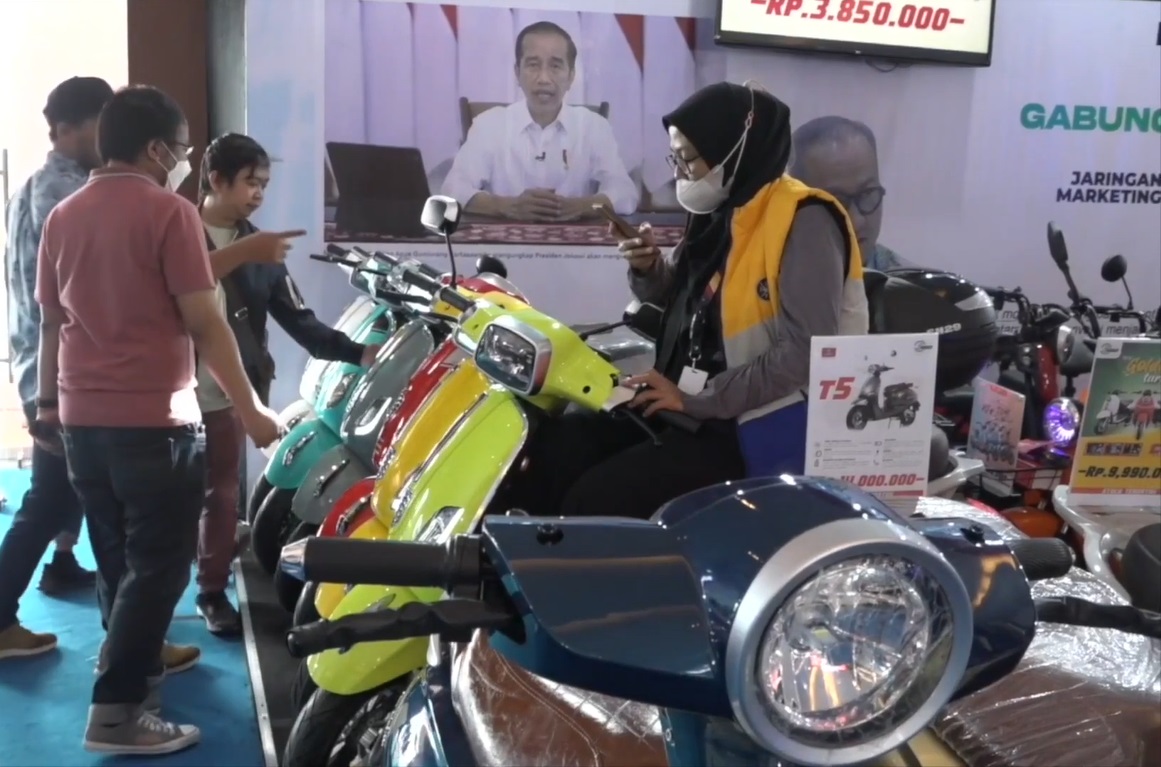
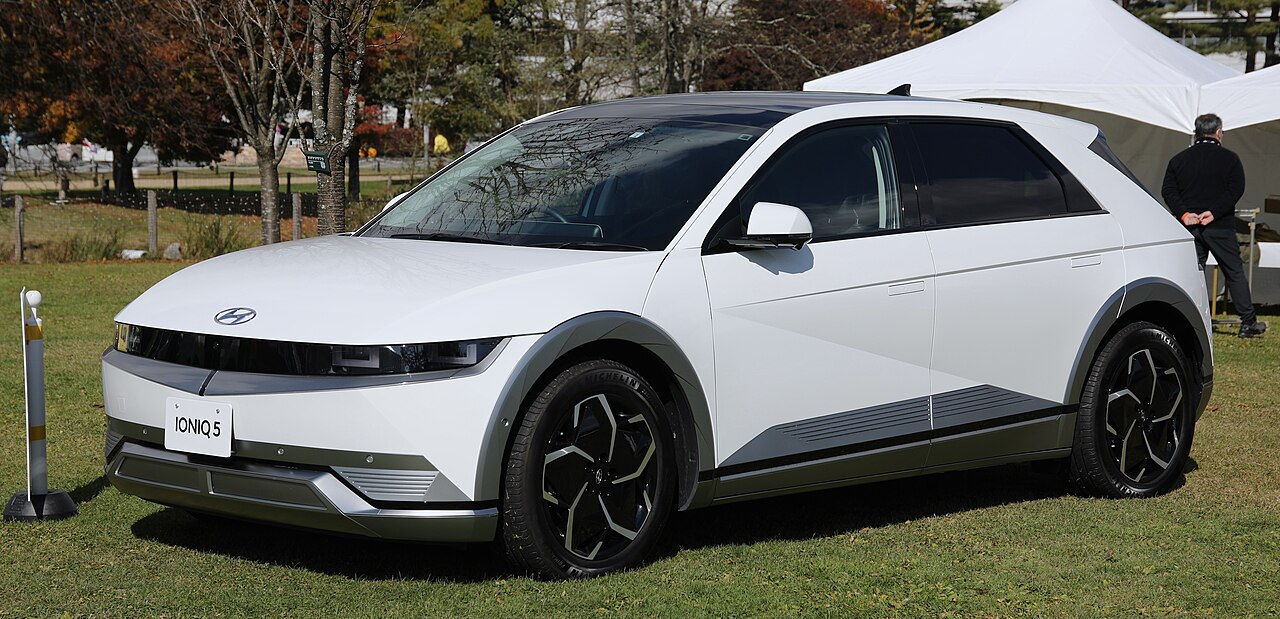
  • E-motorcycle sales slump as Rp 3m purchase incentive stays in limbo

    E-motorcycle sales slump as Rp 3m purchase incentive stays in limbo

    Top image: Photo: オーバードライブ83, CC BY-SA 4.0, via Wikimedia Commons

    Sales of electric motorcycles in Indonesia have fallen sharply this year as buyers hold off while waiting for a promised government purchase incentive, industry groups have warned. The government says the scheme is still due to launch in 2026, but it continues to await the regulations needed to put it into effect.

    Sales down sharply

    According to the Indonesian Electric Motorcycle Industry Association (Aismoli), cited by The Jakarta Post, e-motorcycle sales dropped to only 18,900 units between January and August 2026, compared with 70,000 units for the whole of last year. Industry players told the paper that consumers were postponing purchases until the discount is available, leaving dealers with stagnant sales and, in some cases, facing the prospect of closure.

    Moeldoko, chairman of the Indonesian Electric Vehicle Industry Association (Periklindo) and a former presidential chief of staff, urged the government to act:

    “Why is this going back and forth, with us still waiting for when it will actually be implemented?” – Moeldoko, Periklindo, to The Jakarta Post

    What is on the table

    The planned scheme would give buyers a Rp 3 million discount on each locally made electric motorcycle, funded from a total budget of Rp 3 trillion. It replaces an earlier Rp 5 million-per-unit proposal, Antara reported. Accounts of the scheme’s scale differ: The Jakarta Post described it as covering up to 100,000 units, while Antara said the Rp 3 trillion budget was intended to support purchases of as many as one million domestically produced e-motorcycles, even though national production capacity is expected to reach only about 100,000 units by the end of 2026.

    Expectations had been raised in August, when The Jakarta Post reported, under the headline that the subsidy would return in September, that then Finance Minister Purbaya Yudhi Sadewa expected the scheme to restart that month. That month has now almost passed without the programme starting.

    Government: decided, but paperwork pending

    Deputy Industry Minister Faisol Riza told Antara on 24 September that the government had already decided on the incentive and remained committed to implementing it this year. He said the remaining question was how quickly it could be realised, and indicated that officials were waiting for the new deputy finance minister to take up the post.

    Implementation depends on a Finance Ministry Regulation (PMK), and Antara reported that the programme may also require a Presidential Regulation to give it a firm legal basis. Only once those rules are issued can the technical guidelines, lists of eligible models and dealer procedures be finalised.

    What it means for buyers

    For anyone considering an electric scooter or motorcycle, the delay creates a clear dilemma. Waiting could save Rp 3 million on an eligible model, which is a significant share of the price of many entry-level e-scooters. But there is no confirmed start date, and the incentive is expected to apply only to locally made models that meet local-content (TKDN) requirements, so not every bike on sale will qualify. Buyers should check with dealers whether a model is expected to be eligible and whether any dealer promotions already offset the potential discount. Those who need a bike now may find that existing manufacturer offers make waiting less worthwhile.

    IndoEVs will report on the regulation and the list of eligible models once they are published.

    Sources: The Jakarta Post – EV two-wheeler sales slump as incentive hangs in limbo, industry warns; Antara – RI govt still targets electric motorcycle incentive this year; The Jakarta Post – EV motorcycle subsidy to return in September: Purbaya
  • Indonesia’s EV sales hit record in August as 2025 total nearly matched

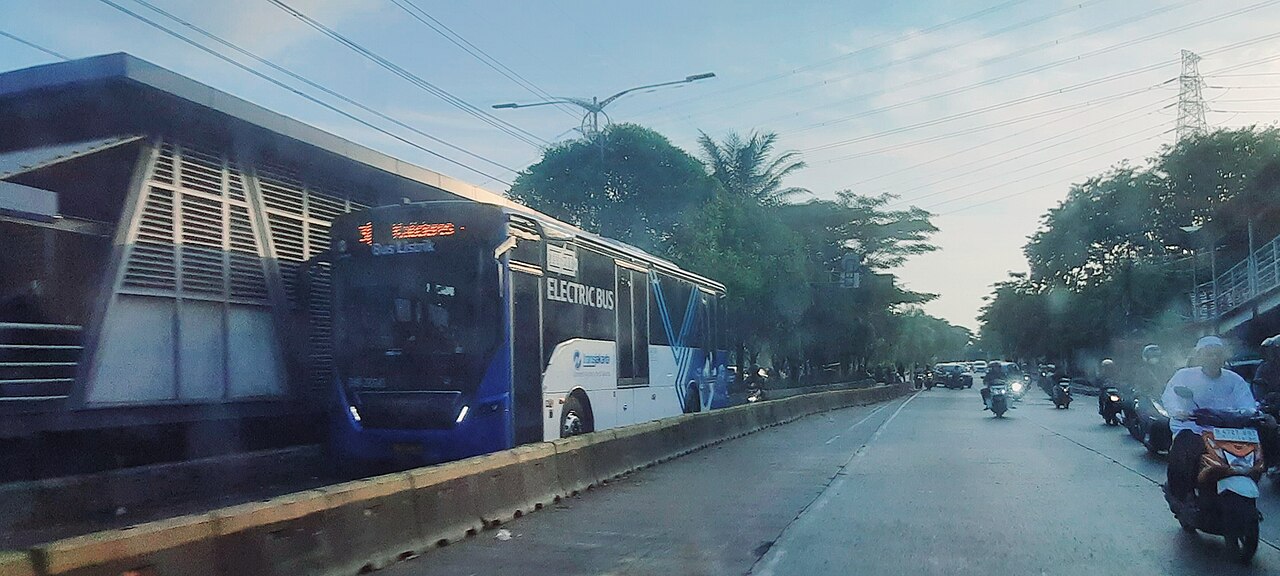
    Indonesia’s EV sales hit record in August as 2025 total nearly matched

    Top image: Photo: TTTNIS, CC0, via Wikimedia Commons

    Indonesia’s battery electric vehicle (BEV) market posted its strongest month on record in August 2026, and the eight-month total has already come within touching distance of everything sold in the whole of 2025. Wholesale figures from the Indonesian Automotive Industry Association (Gaikindo), reported by several Indonesian outlets this month, show demand for fully electric cars continuing to climb even as the wider car market grows at a more modest pace.

    A record month

    According to a tally of Gaikindo data compiled by KilasJatim, BEV wholesales (factory-to-dealer shipments) reached 17,413 units in August, up 24.6% on July’s 13,972 units and the highest monthly figure yet recorded. That took the January–August total to 101,171 units, almost double (up 99.4%) the 50,749 units shipped in the same period of 2025. The full-year 2025 total was 103,931 units, meaning the market needed only around 2,760 more units to overtake it with four months of the year still to run.

    The overall market was also firm. iNews reported that total car wholesales reached 81,756 units in August, the best month of the year so far, bringing the year-to-date figure to 599,491 units. By IndoEVs’ calculation, fully electric cars therefore accounted for just over a fifth of all wholesales in August.

    Chinese brands fill the top ten

    The BYD Atto 1 was the standout model. Gaikindo’s own monthly bestseller report placed the compact hatchback second among all cars sold in Indonesia in August, with about 5,560 units, behind only the Daihatsu Gran Max and ahead of long-established favourites such as the Toyota Innova and Avanza. The Jaecoo J5 also made the overall top six with 3,214 units.

    VIVA published the August BEV top ten, every one of which came from a Chinese brand:

    • BYD Atto 1 – 5,560 units
    • Jaecoo J5 – 3,214
    • Geely EX2 – 1,595
    • Wuling Air EV – 754
    • BYD M6 – 679
    • AION V – 563
    • iCAR V23 – 500
    • Geely EX5 – 487
    • Wuling Darion EV – 443
    • MG S5 EV – 428

    An analysis by Maybank Investment Bank, reported by TNGlobal, put BYD’s share of the BEV segment at 32.7% over the first eight months, followed by Jaecoo at 23% and Geely at 12%. Maybank estimated that electrified vehicles of all types (battery electric, hybrid and plug-in hybrid) made up 28% of car sales over the period, with BEVs alone at 18%.

    Why buyers are switching

    Gaikindo attributes the surge mainly to product and price. Speaking to JawaPos, Jongkie Sugiarto, Gaikindo’s deputy chair for market development, said the jump reflected the arrival of well-designed BEVs at affordable prices. JawaPos also pointed to higher oil prices driven by geopolitical tensions, the growth of local assembly by global manufacturers, and a wave of new models unveiled at the GIIAS motor show in July.

    Mr Sugiarto was nonetheless cautious about how quickly electric cars would displace petrol models:

    “Replacing ICE, perhaps not yet, but their market share will keep rising. BEVs will keep growing.” – Jongkie Sugiarto, Gaikindo, to JawaPos (translated from Indonesian)

    What it means for buyers

    For Indonesian car shoppers, the numbers point to a market that is maturing quickly. A broader range of affordable models means more choice below the price points that once defined the segment, and strong volumes should help dealers and service networks expand beyond the big cities. Buyers should, however, keep an eye on how prices and incentives evolve now that the tax breaks for fully imported BEVs have ended and manufacturers are shifting to local production. Checking a model’s local-content status and the availability of after-sales support in their area remains sensible before signing.

    With the 2025 total all but matched by the end of August, 2026 is on track to be a new annual record for electric car sales in Indonesia. IndoEVs will report September’s figures when Gaikindo releases them.

    Sources: JawaPos – Mobil Listrik Makin Laris, Gaikindo Ungkap Harga Terjangkau jadi Kunci; VIVA – 10 Mobil Listrik Terlaris Agustus 2026; Gaikindo – Mobil Terlaris Agustus 2026; KilasJatim – Penjualan Mobil Listrik Indonesia Tembus 101 Ribu Unit; iNews – Penjualan Mobil Indonesia Tembus 599 Ribu Unit hingga Agustus 2026; TNGlobal – Maybank sees EV adoption continues to accelerate in Indonesia

  • BYD opens 150,000-unit Subang factory, eyes 60% local content by 2027

    BYD opens 150,000-unit Subang factory, eyes 60% local content by 2027

    Top image: Photo: Exynoss78739, CC BY 4.0, via Wikimedia Commons

    BYD has formally opened its first Indonesian car factory, a 126-hectare site in the Subang Smartpolitan industrial estate in West Java, marking the Chinese brand’s shift from importing cars to building them locally. The plant was inaugurated on Thursday 3 September 2026 and has an annual production capacity of 150,000 vehicles.

    Investment, jobs and first models

    CNN Indonesia reported the investment at Rp11.6 trillion. The facility covers the core stages of car manufacturing – stamping, welding, painting and final assembly – and currently employs around 5,000 local workers, a figure that could rise to more than 20,000 once the plant runs at full capacity. The first model off the line was the BYD M6 DM plug-in hybrid MPV, which CNN Indonesia said carries local content of more than 40%.

    According to Antara, the plant’s line-up also includes the Atto 1, the battery-electric M6 and models from BYD’s premium Denza brand. detikOto reported that the factory is already producing around 10,000 units a month.

    Local-content targets and batteries next

    The opening comes as Indonesia tightens its local-content rules for electric vehicles. As The Jakarta Post noted, the domestic component threshold (known as TKDN) stands at 40% this year, rises to 60% from January 2027 and is set to reach 80% by 2030. BYD Indonesia president director Eagle Zhao told Antara that the company would be ready for the higher bar:

    “In 2027, we will certainly be the first to stand in support of the TKDN requirement, which will become 60 per cent.” – Eagle Zhao, BYD Motor Indonesia, to Antara (translated from Indonesian)

    Mr Zhao said battery assembly would form the next phase of BYD’s Indonesian investment, arguing that a product cannot truly be called Indonesian-made without a comprehensive local production process. BYD has also sent hundreds of Indonesian technicians and engineers to its research and development centre in China, according to Antara. The Jakarta Post reported that Mr Zhao sees Subang as a potential regional export base as well as a supplier to the home market.

    Government message

    President Prabowo Subianto did not attend the ceremony. Industry Minister Agus Gumiwang Kartasasmita delivered a message on his behalf, telling the audience that the transition of the market towards green mobility and electric vehicles needed to move faster, detikOto reported. CNN Indonesia said the minister described the plant as a milestone in moving from simply dominating sales to strengthening domestic components within the EV ecosystem.

    BYD Co. vice-president Liu Xueliang called the opening important not only for the company but for the Indonesian government. detikOto noted that Indonesian EV sales reached 83,758 units in January–July 2026, up 88.6% year on year – a market in which BYD has become the leading brand.

    What it means for buyers

    Local assembly matters for Indonesian buyers in several ways. The tax exemptions that allowed brands to import fully built EVs ended in 2025, so producing locally is now the main route for manufacturers to keep prices competitive. A domestic plant should also mean shorter waiting times, easier access to parts and, eventually, locally assembled batteries. Buyers comparing BYD models should check which variants are built in Subang and what local-content level they carry, as this can affect eligibility for government incentives.

    Several other brands, including VinFast, are pursuing local production in Indonesia, and the BYD opening raises the stakes for competitors ahead of the 60% local-content deadline in January 2027.

    Sources: CNN Indonesia – Pabrik BYD senilai Rp11 triliun di Subang akhirnya diresmikan; Antara – Usai resmikan pabrik Subang, BYD siapkan perakitan baterai di RI; detikOto – Pesan Presiden Prabowo buat BYD yang baru resmikan pabrik di Subang; The Jakarta Post – EV push gains traction as factories expand

  • CATL-IBC battery plant in Karawang starts phased operations

    CATL-IBC battery plant in Karawang starts phased operations

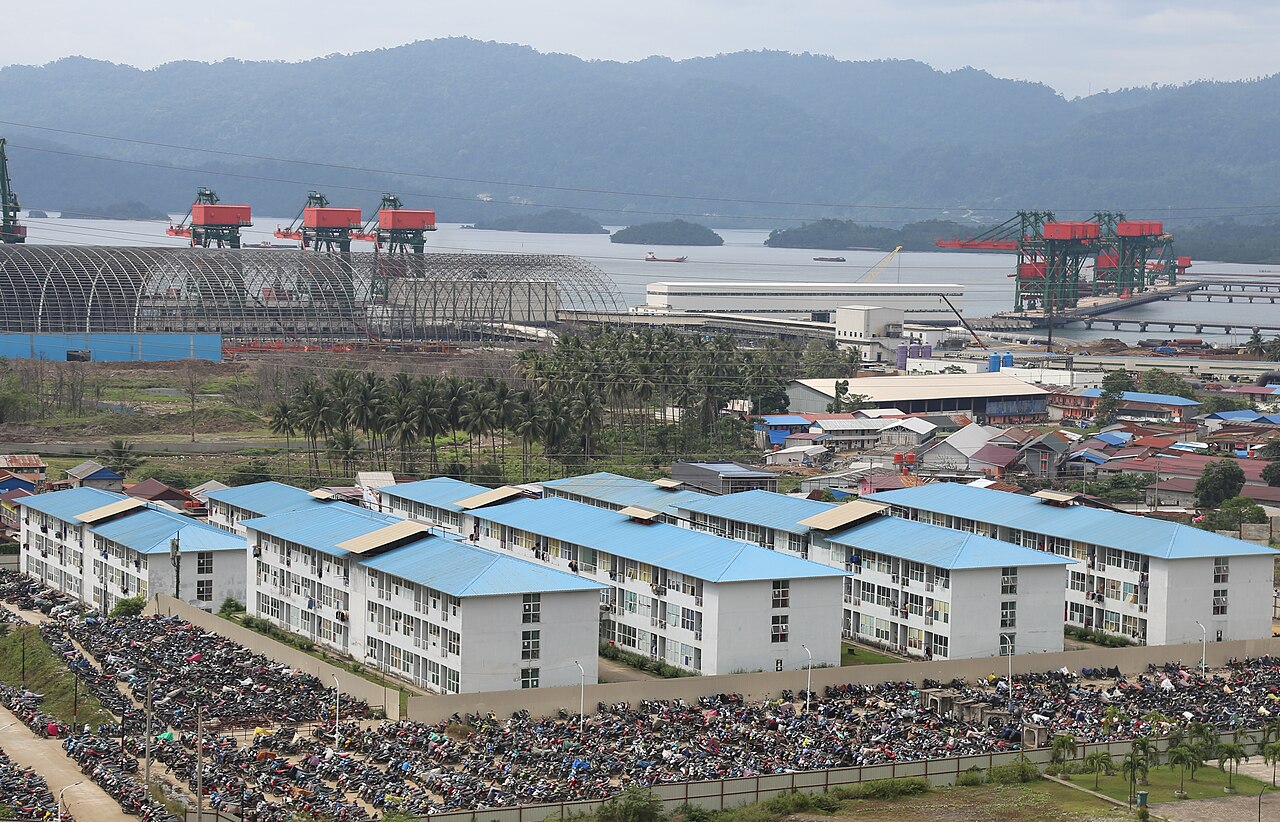
    Top image: Photo: Ministry of Public Works of Indonesia – Kementerian PUPR Republik Indonesia, Public domain, via Wikimedia Commons

    Indonesia’s flagship electric vehicle battery factory, a joint venture between China’s CATL and state-owned Indonesia Battery Corporation (IBC) in Karawang, West Java, has begun operating on a phased basis, government officials said in August. The plant is a key piece of Jakarta’s plan to turn the country’s vast nickel reserves into a domestic battery industry.

    Commissioning under way

    Ahmad Erani Yustika, secretary-general of the Ministry of Energy and Mineral Resources, confirmed the start of operations to Bloomberg Technoz on 21 August:

    “It may still be in stages, but it has started operating.” – Ahmad Erani Yustika, Ministry of Energy and Mineral Resources, to Bloomberg Technoz (translated from Indonesian)

    Bloomberg Technoz reported that commissioning was under way and that the factory had been expected to be formally inaugurated by President Prabowo Subianto before Independence Day on 17 August, although the ceremony was still awaiting a date in the president’s schedule. English-language outlet Investortrust described the start as trial runs and quoted Mr Erani as saying construction was effectively complete.

    Cells, modules and packs

    The plant is run by PT Contemporary Amperex Technology Indonesia Battery (CATIB), a company formed by CATL subsidiary CBL, mining firm Antam and IBC. Speaking to Bisnis.com in June, IBC chief executive Aditya Farhan Arif said CATIB would produce battery cells, modules and complete battery packs, serving both electric vehicles and battery energy storage systems (BESS).

    Initial capacity is 6.9 GWh a year, with plans to expand to 15 GWh – more than double – which Bisnis said was targeted for the following year. Mr Aditya signalled that the pace of expansion would depend on the market:

    “With batteries, a battery factory really has to wait for demand.” – Aditya Farhan Arif, IBC, to Bisnis.com (translated from Indonesian)

    IBC has also said it hopes to export batteries to Europe, kumparan reported in May.

    Part of a larger nickel-to-EV chain

    According to Investortrust, the Karawang plant represents an investment of about US$1.2 billion and forms part of the wider Indonesia Battery Integration Project, valued at US$5.9–6 billion, which aims to link nickel mining and processing with cell production and recycling. The outlet also quoted President Prabowo setting a goal of large-scale commercial production of Indonesian electric passenger cars by 2028.

    Indonesia holds the world’s largest nickel reserves, and nickel-based chemistries such as NMC are central to the government’s industrial strategy. However, many of the most popular EVs now sold in Indonesia use lithium iron phosphate (LFP) batteries, which contain no nickel – one reason why officials are keen to secure a domestic cell supply chain that carmakers will actually use. Whether the Karawang plant’s output ends up in locally assembled cars, energy storage or exports will be closely watched.

    What it means for buyers

    For now, the start of production at Karawang will not change the price of any EV in a showroom. Over time, however, a domestic source of cells and packs should help carmakers meet Indonesia’s rising local-content requirements – 60% from January 2027 – which determine eligibility for tax incentives. Locally made batteries could also make replacement packs and battery servicing easier and cheaper to obtain, a common concern for Indonesian buyers weighing up an EV’s long-term running costs.

    Sources: Bloomberg Technoz – Pabrik Baterai CATL & IBC di Karawang Resmi Beroperasi; Bisnis.com – Pabrik Baterai CATL-IBC di Karawang Punya Kapasitas Awal 6,9 GWh per Tahun; Investortrust – CATL-IBC battery plant begins trial runs in West Java; kumparan – Pabrik Baterai Listrik di Karawang Beroperasi Juli 2026, IBC Mau Ekspor ke Eropa

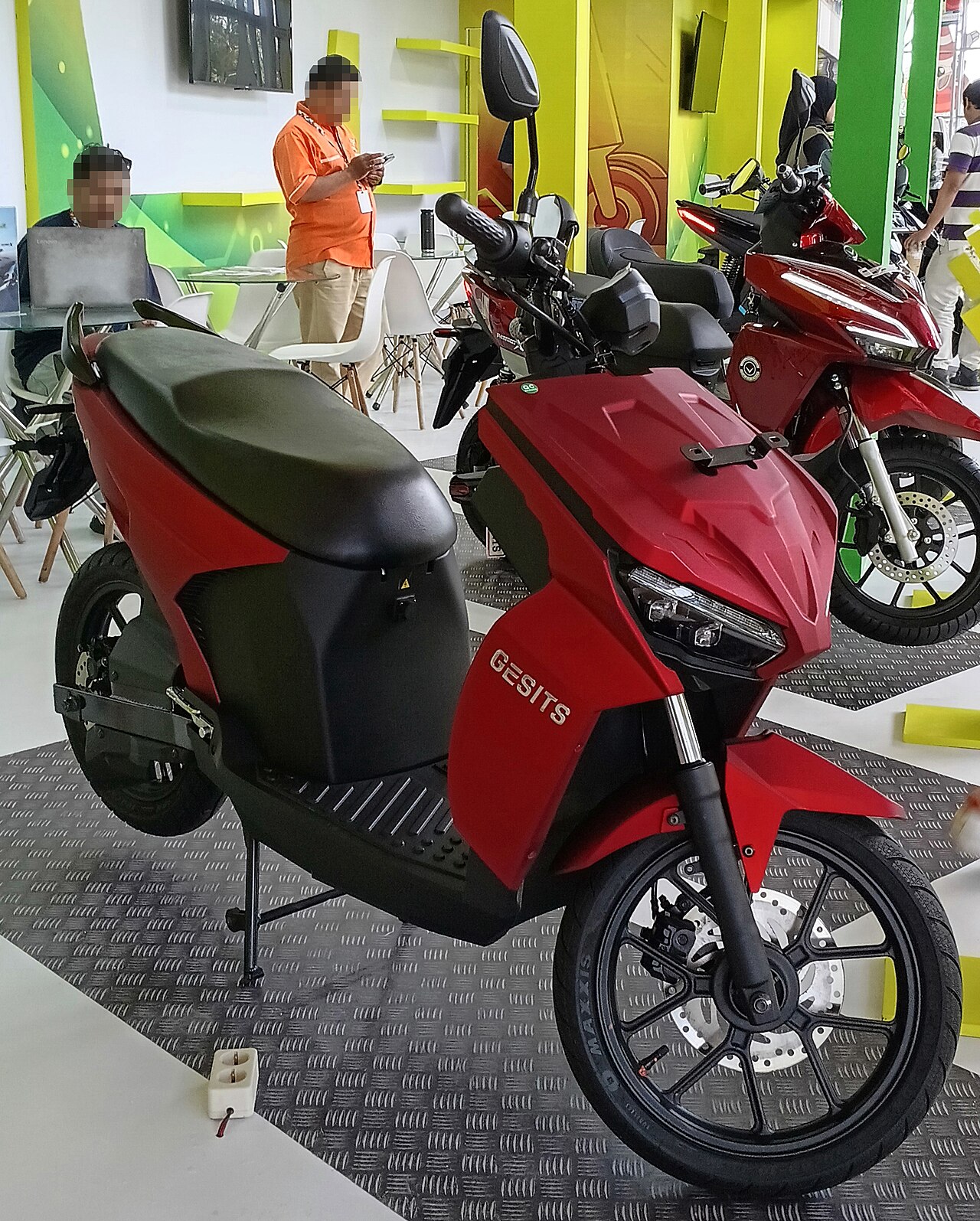
  • Prabowo launches Molinas national e-motorcycle programme to use nickel

    Prabowo launches Molinas national e-motorcycle programme to use nickel

    Top image: Photo: AntaraTV, CC BY 3.0, via Wikimedia Commons

    President Prabowo Subianto has launched Molinas, short for Motor Listrik Nasional (National Electric Motorcycle), a government-led programme to build a domestic electric motorcycle industry backed by locally processed nickel batteries. The launch took place on 13 August 2026 at the production facility of electric motorcycle maker ALVA in Cikarang, Bekasi, West Java.

    More than a single bike

    Despite the name, Molinas is not one model but an ecosystem. According to Antara, it covers manufacturing and components, batteries, charging and battery-swapping infrastructure, financing, distribution, after-sales service and market uptake. The Jakarta Post reported that state-owned PT Len Industri is the lead integrator, working with the sovereign wealth fund Danantara and at least 10 national motorcycle companies that meet local-content requirements. ALVA is produced by PT Ilectra Motor Group, part of the Indika Energy group.

    Mr Prabowo described the programme as a collaboration between private companies, state-owned enterprises and universities:

    “Today, in my opinion, is one good example of what I call Indonesia Incorporated.” – President Prabowo Subianto, reported by Antara

    The nickel angle

    A central aim is to create demand for batteries made from Indonesian nickel. Indonesia holds around 46% of the world’s nickel reserves, and Rosan Roeslani – investment and downstreaming minister and chief executive of Danantara – linked the programme’s affordability directly to that resource, Antara reported:

    “Molinas can be affordable and high quality, especially since we can carry out downstreaming from nickel into batteries.” – Rosan Roeslani, reported by Antara

    Mr Rosan also framed the programme as a question of economic self-reliance, telling the launch that Indonesia needed to stand on its own feet in every area of economic activity, according to the Cabinet Secretariat.

    Big targets from a small base

    The scale of ambition is considerable. A follow-up report by Antara noted that Indonesia sells 6–7 million motorcycles a year, but only 60,000–70,000 of them – about 1% – are electric. It said 69 companies already make battery-powered vehicles, with a combined capacity of 2.511 million units a year, and that at least 10 local firms meet local-content rules. ALVA currently produces around 20,000 units a year and aims to expand to 200,000.

    Antara reported a national goal of 2 million Molinas e-motorcycles, without a specified timeframe, and a longer-term target of 11 million electric motorcycles on the road by 2037. Supporters argue that the shift could cut fuel subsidy spending by Rp 82.2 trillion between 2027 and 2037 and create around 215,000 direct and indirect jobs.

    What it means for buyers

    Molinas does not yet change what riders can buy or how much they pay. Its practical effect will depend on the details still to come: which models carry the Molinas label, whether battery-swapping networks become widespread enough to ease range worries, and how financing schemes are structured. It also sits alongside the separate Rp 3 million purchase incentive for locally made e-motorcycles, which has yet to take effect. Buyers interested in a Molinas-affiliated bike should look for clear information on battery warranties, swapping availability in their city and after-sales coverage before committing.

    Sources: Antara – Indonesia launches Molinas in push for electric vehicle self-reliance; Antara – Prabowo calls Molinas an example of “Indonesia Incorporated”; Antara – ‘Molinas’ marks new chapter in Indonesia’s EV industrialization; The Jakarta Post – Prabowo kicks off e-motorcycle ecosystem to push nickel use; Cabinet Secretariat – President Prabowo launches National Electric Motorcycle (MoLiNas)

  • PLN charging use in H1 2026 overtakes all of 2025 as network passes 5,000

    PLN charging use in H1 2026 overtakes all of 2025 as network passes 5,000

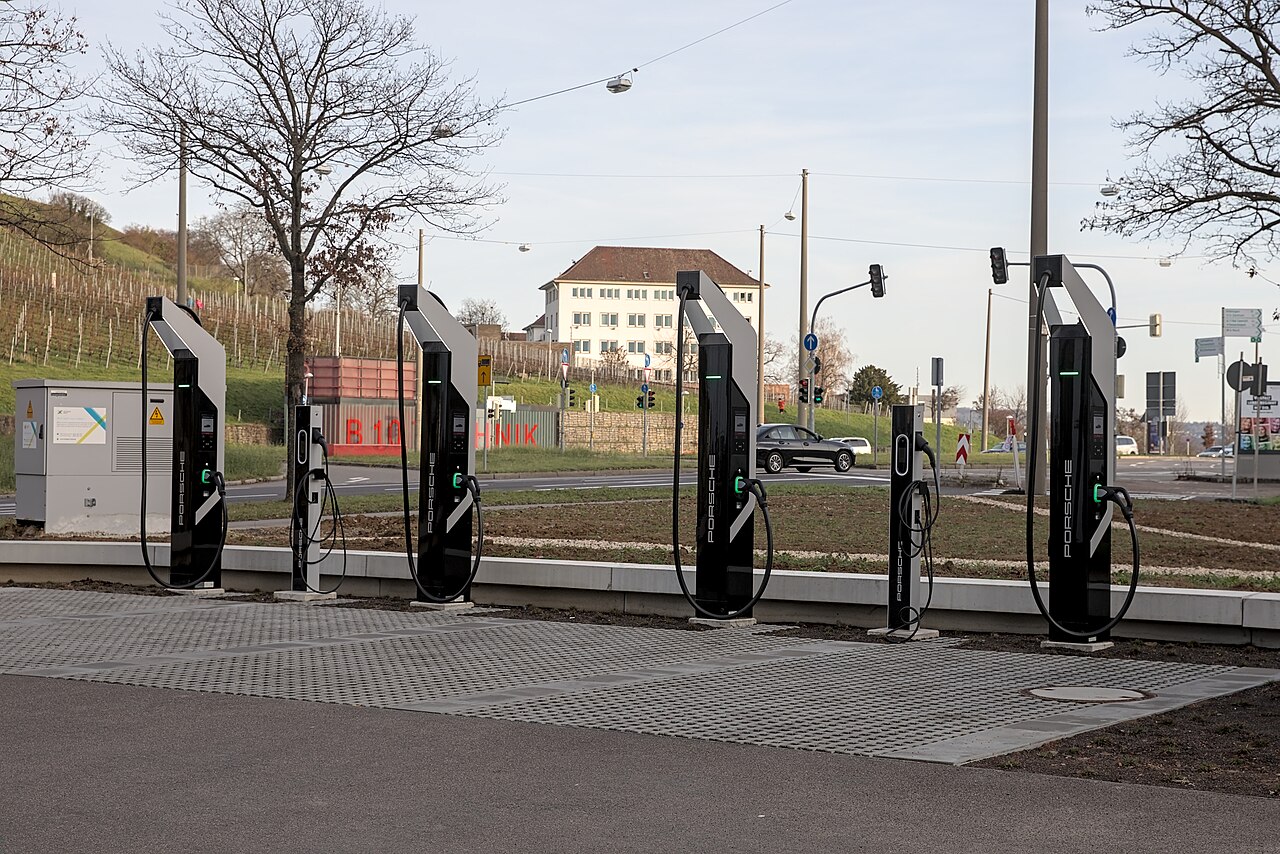
    Top image: Photo: Alexander Migl, CC BY-SA 4.0, via Wikimedia Commons

    Electricity drawn from Indonesia’s public electric vehicle charging stations in the first half of 2026 exceeded the total for the whole of 2025, according to state utility PLN, which says it is expanding its network and opening it further to private partners in response.

    Usage outpaces last year

    PLN recorded 62.4 million kWh of electricity consumption at public charging stations – known locally as SPKLU (Stasiun Pengisian Kendaraan Listrik Umum) – between January and June 2026, VIVA reported. That compares with 48.5 million kWh for the whole of 2025, meaning six months of charging this year was already about 28% higher than all of last year.

    The network itself has grown more slowly. PLN operated 5,016 SPKLU units at 3,132 locations as of June 2026, according to VIVA and Periskop. Periskop reported that 361 units were added in the first half, from 4,655 at the end of 2025 – a figure PLN also gave in a February press release. Periskop added that average spacing between charging facilities is around 22 km, and that usage during the Ramadan and Idul Fitri travel season was 4.14 times higher than in the same period of 2025.

    PLN’s response

    M. Fahrur Rozy, PLN’s director of retail and commerce, told VIVA that growth in SPKLU consumption had been consistent over the past three years.

    “Public demand for reliable and affordable SPKLU is already our priority in supporting the acceleration of EVs in Indonesia.” – M. Fahrur Rozy, PLN, to VIVA (translated from Indonesian)

    A central part of the utility’s plan is its SPKLU partnership scheme, under which private businesses can take part as landowners, suppliers of charging equipment or operators of charging sites. PLN says it supports partners with simplified procurement, certainty over grid connection, discounted connection fees and a revenue-sharing arrangement. The company is also adding features to its PLN Mobile app, including AntreEV, a digital queuing tool for busy chargers, and a Trip Planner that locates stations along a route.

    A long way to the 2030 target

    The government’s ambitions are considerably larger than today’s network. Ferry Triansyah, electricity services coordinator at the Ministry of Energy and Mineral Resources’ Directorate General of Electricity, told Periskop that there were about 4,892 four-wheel SPKLU units in May 2026, against a target of 62,918 by 2030. Reaching that would require the network to grow more than twelvefold in under five years.

    Demand for charging is being driven by rapid growth in EV sales. Periskop cited figures showing that around 117,000 electrified vehicles were sold in the first half of 2026, up 69.4% year on year, including about 69,000 battery electric vehicles. Electrified models accounted for 26.8% of passenger car sales in that period.

    What it means for EV owners

    For drivers, the figures confirm what many have experienced at busy chargers, particularly on holiday routes: usage is rising faster than the number of plugs. Most EV owners in Indonesia still do the bulk of their charging at home, and home charging is generally the cheapest option. For longer trips, the PLN Mobile app’s queuing and route-planning tools should help reduce waiting times, and the partnership scheme could bring more chargers to shopping centres, hotels and petrol stations. Owners outside Java and Bali, where coverage is thinner, should plan long journeys with care.

    Sources: VIVA – PLN Perkuat Infrastruktur EV Respons Melonjaknya Konsumsi Listrik SPKLU; Periskop – Konsumsi SPKLU Tembus 62,4 Juta kWh, PLN Perluas Jaringan; PLN – PLN Operasikan 4.655 SPKLU Sepanjang 2025