Tag: Electric cars

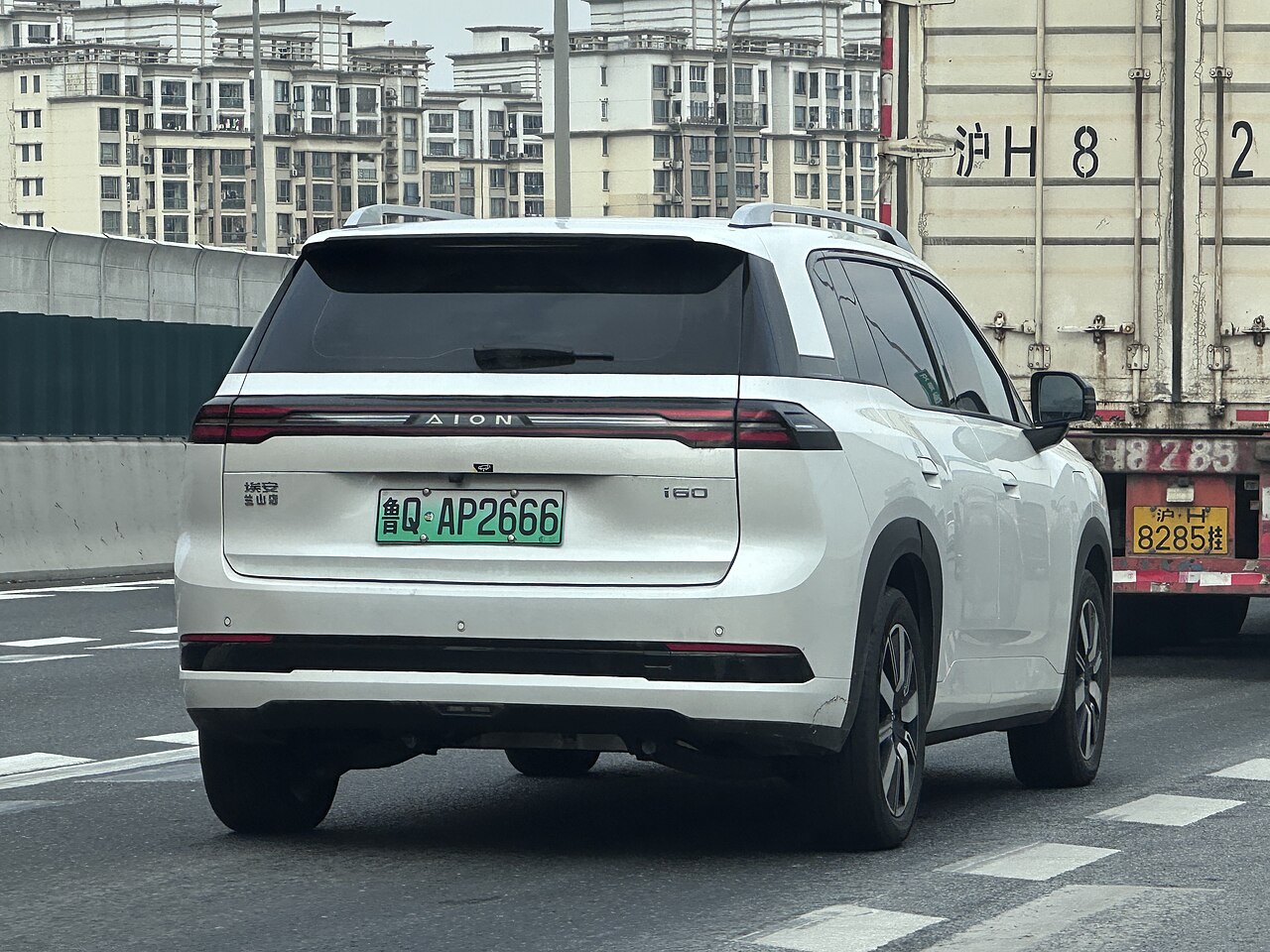
  • GAC opens Aion i60 pre-bookings in Indonesia, price guided at Rp500m-plus

    GAC opens Aion i60 pre-bookings in Indonesia, price guided at Rp500m-plus

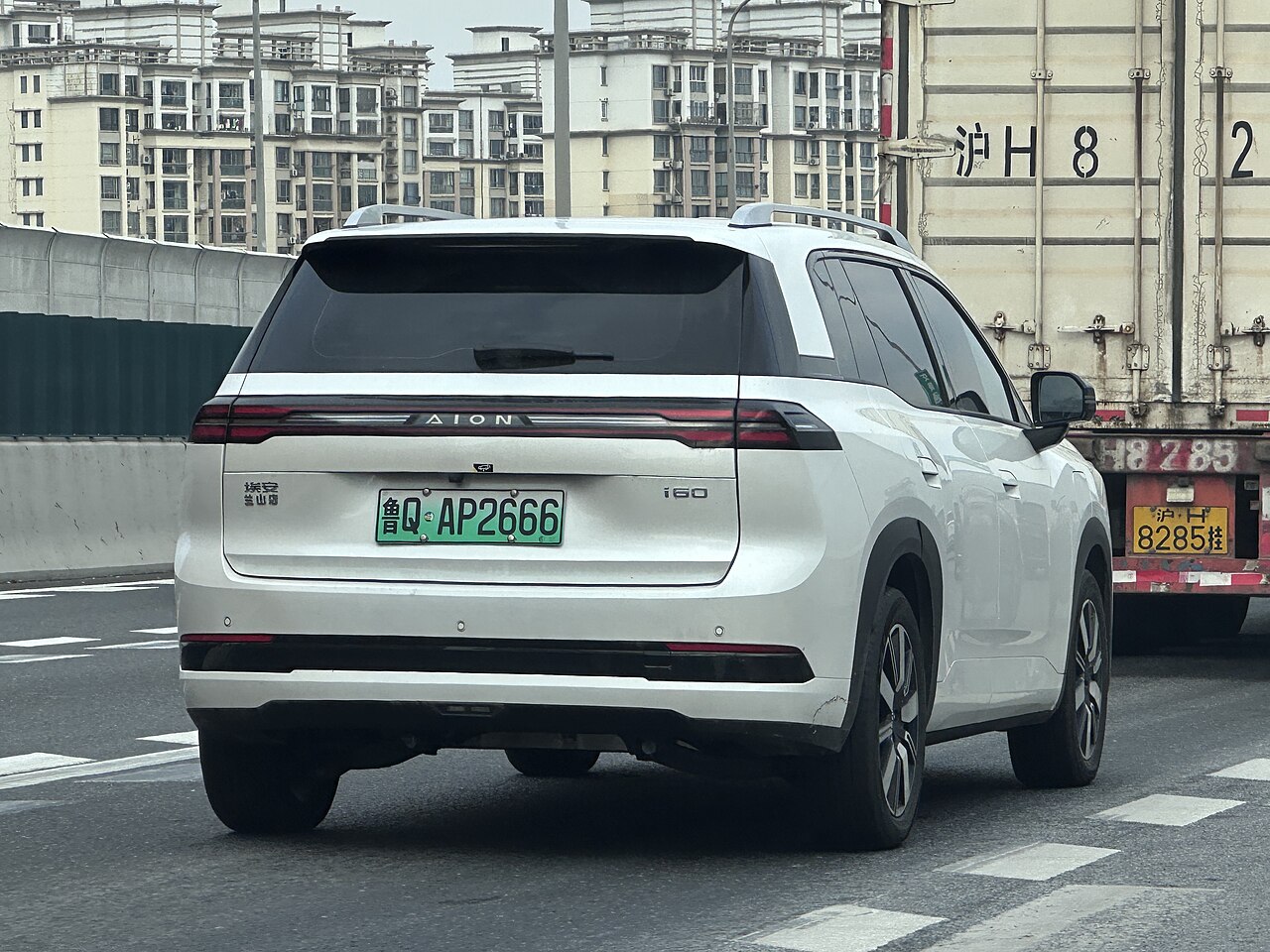
    Top image: Photo: JustAnotherCarDesigner, CC0, via Wikimedia Commons

    GAC Indonesia has unveiled the Aion i60 electric SUV in Jakarta and opened pre-bookings, putting a guide price of “Rp500 million-something” on the car while holding back the official figure until Gaikindo Auto Week (GAW) later this month. The model is the battery-electric crossover that GAC hinted at in October without naming it, when it promised a car that had never been shown in Indonesia.

    The launch took place on Saturday, 7 November, according to Kompas.com and OtoDream.

    First right-hand-drive i60

    Indonesia gets the i60 in right-hand-drive form, and GAC is presenting that as a first. The two outlets frame it slightly differently: Kompas.com describes the launch as the model’s Southeast Asian debut in right-hand-drive configuration, while OtoDream quotes GAC Indonesia chief executive Andry Ciu going further.

    “The Aion i60 launched in Indonesia is the first right-hand-drive [version] outside China.” – Andry Ciu, CEO, GAC Indonesia, to OtoDream (translated from Indonesian)

    GAC markets the car as an “All-Rounder Vehicle”, a family crossover that borrows from SUV, MPV and saloon packaging. Masato Katsumata, chief technology officer of GAC International, told reporters the company was aiming for a quality standard that combined comfort, safety and reliability, and described Indonesia as a strategic market.

    Size, range and equipment

    According to Kompas.com, the i60 measures 4,685 mm long, 1,854 mm wide and 1,660 mm tall, on a 2,775 mm wheelbase. GAC claims an effective cabin length of more than three metres, with 1,037 mm of second-row legroom and 1,020 mm of headroom.

    OtoDream reports the following headline claims for the Indonesian car:

    • Range of up to 602 km on a single charge (the test standard was not stated)
    • DC fast charging from 30% to 70% in about 15 minutes
    • A 60-litre front boot (“frunk”)
    • A 15.6-inch, 2.5K-resolution infotainment screen and a “nap mode” for resting in the car
    • Level 2 driver assistance with 15 functions, including adaptive cruise control, traffic jam assist and lane keeping assist

    Neither outlet gave the battery capacity or motor output for Indonesian-market cars. As we noted in October, the Chinese-market i60 is sold with 56.68 kWh and 77.65 kWh packs and quoted on China’s CLTC cycle, which tends to produce higher range figures than the WLTP standard used in Europe. Buyers should treat the 602 km claim as a best-case number until GAC publishes full specifications.

    Pre-booking terms and deliveries

    Pre-bookings run from 7 to 19 November 2026 through GAC Indonesia’s dealer network, with a booking fee of Rp99,000. GAC says customers who book in that window are eligible for unspecified “free upgrade” offers, and deliveries are targeted to start in December 2026. The official price is due at GAW 2026, which OtoDream says runs from 20 to 29 November.

    Neither report said whether the i60 will be imported or assembled locally. That matters: from 2027 the government wants electric cars to reach 60% local content with locally built battery packs to keep their tax advantages, and locally assembled rivals are already lining up, such as the XPeng G9L due on 11 November.

    What it means for buyers

    At around Rp500 million, the i60 would sit in the middle of the Aion range in Indonesia; our Aion directory entry lists current models from about Rp345 million for the Aion UT to Rp755 million for the Hyptec HT. The Rp99,000 booking fee is a low-risk way to hold a place in the queue, but buyers should wait for the confirmed price, battery size and warranty terms at GAW before committing, and check how any free upgrades compare with show discounts other brands typically offer at the event. Our guide to EV taxes and incentives in 2026 explains how import status can affect the final on-the-road price.

    Sources: Kompas.com – GAC Resmi Luncurkan AION i60 di Indonesia, Harga Rp 500 Jutaan (7 Nov 2026); OtoDream – Indonesia Jadi Negara Pertama Peluncuran Aion i60 di Luar China (7 Nov 2026).
  • XPeng to launch locally assembled G9L electric SUV in Indonesia on 11 November

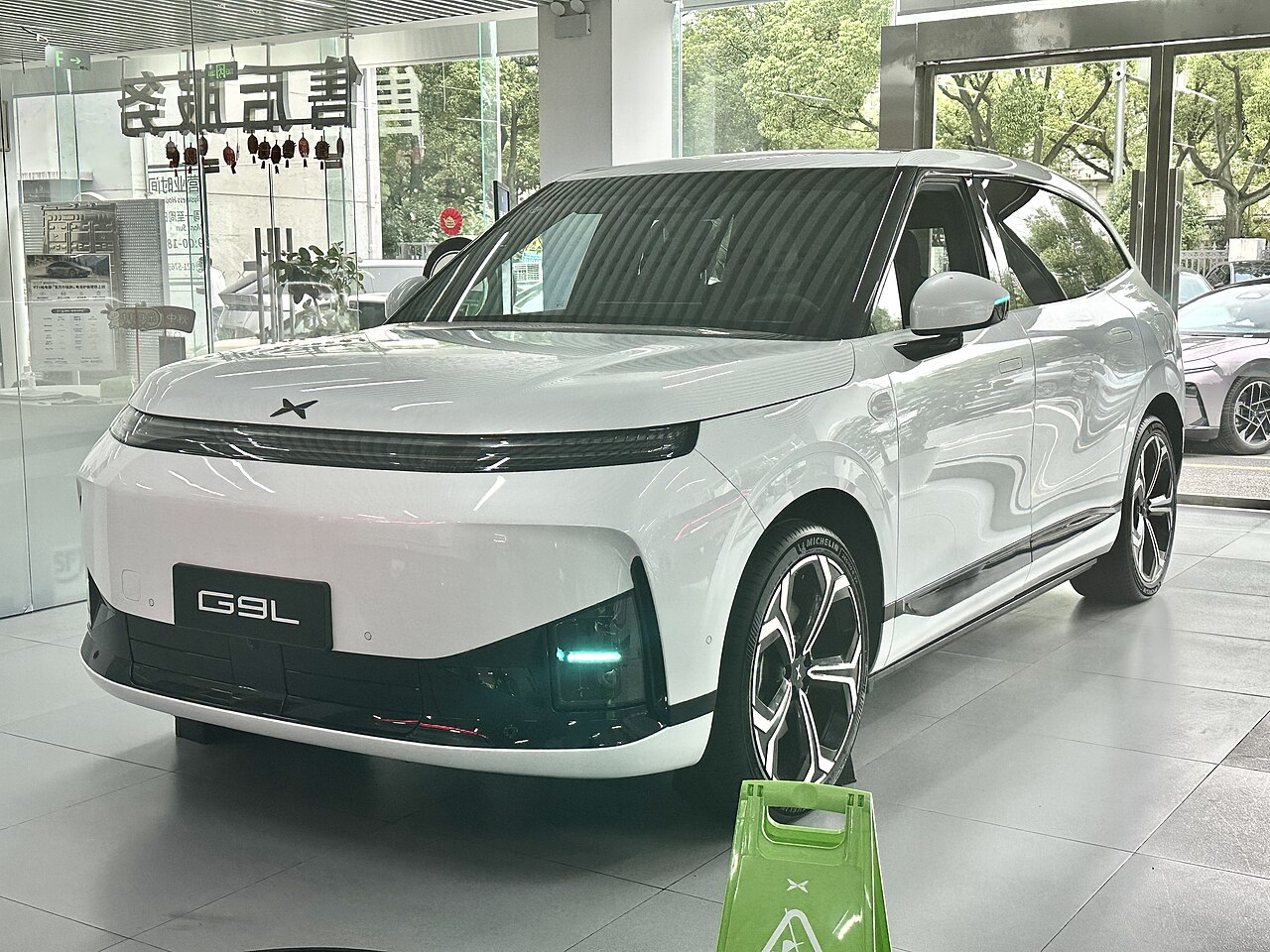
    XPeng to launch locally assembled G9L electric SUV in Indonesia on 11 November

    Top image: XPeng G9L. Photo: JustAnotherCarDesigner, CC0, via Wikimedia Commons

    XPeng Indonesia will launch the G9L, its new flagship electric SUV, in Jakarta on 11 November 2026, barely a month after the model’s global debut at the Paris Motor Show on 12 October. The Indonesian cars will be assembled locally, and the brand gave media, including Kompas.com, an early look ahead of the unveiling.

    Battery-only, all-wheel drive for Indonesia

    Globally the G9L is sold as both a battery EV and a range-extended EV (REEV), in which a petrol engine acts only as a generator for the battery. XPeng Indonesia will offer just one version: the battery-electric model with all-wheel drive. (Our guide to hybrids, PHEVs, REEVs and EVs explains the difference.)

    Despite the similar name, the G9L is not an SUV version of XPeng’s X9 people carrier. It is a large three-row SUV measuring 5,120 mm long, 1,999 mm wide and 1,782 mm tall, on a 3,100 mm wheelbase, with six seats arranged in pairs across all three rows.

    Key specifications

    • Motors: dual motors (160 kW front, 270 kW rear) for a combined 430 kW (585 PS) and 695 Nm
    • Performance: 0–100 km/h claimed in 4.45 seconds
    • Battery: 110 kWh nickel-manganese-cobalt (NMC) pack on an 800-volt architecture
    • Charging: 5C capable; XPeng’s European specification quotes up to 540 kW DC and about 11.7 minutes for 10–80%
    • Assembly: Handal Indonesia Motor (HIM), Purwakarta, West Java

    The rear-wheel-drive version sold in some markets, with a single 270 kW motor and 465 Nm, is not planned for Indonesia, according to Kompas.com’s specification report. Indonesian range figures, trim levels and the full equipment list had not been published at the preview, so the launch event should fill in those gaps.

    XPeng says the G9L was designed to meet the requirements of four crash-test bodies – Euro NCAP, ANCAP, C-NCAP and China’s CIASI – and went through 192 crash tests covering more than 110 assessment items. Development testing over three years covered 26 countries and regions and more than 6.74 million km. These are manufacturer claims rather than published independent crash-test results, so buyers should treat them as such until ratings appear.

    What it means for buyers

    Pricing will only be revealed at the launch, so it is too early to say where the G9L sits against rivals such as BYD’s Danza range. Local assembly could help XPeng’s pricing and its standing under the government’s tightening local-content rules, but XPeng has not said what TKDN rating the car achieves.

    The headline charging time also needs context: Kompas notes it depends on the charger’s output and the battery’s condition, so owners using lower-powered public chargers or home wallboxes should expect much longer sessions. Our EV running-costs guide covers charging options. XPeng’s Indonesian line-up is listed in the EV directory, and we will update this story with prices after the launch.

    Sources: Kompas.com – XPeng G9L Meluncur di Indonesia 11 November 2026 (5 Nov 2026); Kompas.com – Spesifikasi XPeng G9L yang Mau Meluncur di Indonesia (6 Nov 2026)

  • Wuling puts five EVs at 60% local content as INDEF warns of box-ticking

    Wuling puts five EVs at 60% local content as INDEF warns of box-ticking

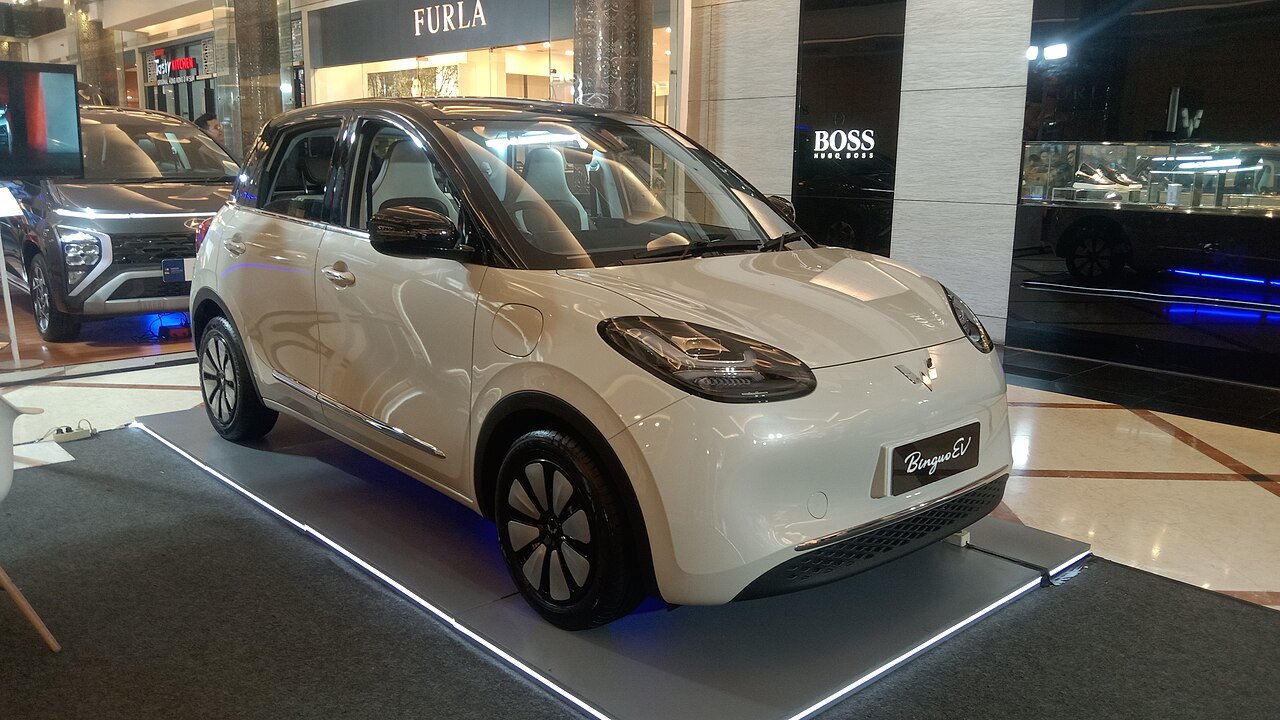
    Top image: Wuling BinguoEV in Bandung. Photo: Mocarey15, CC0, via Wikimedia Commons

    Wuling Motors says five of its Indonesian-built electric cars now meet a 60% local content (TKDN) rating, putting the brand ahead of the government’s plan to make 60% the bar for EV incentives from 2027. The announcement came in the same week that economists at the Institute for Development of Economics and Finance (INDEF) questioned whether the higher threshold will build a real supplier industry or simply become a paperwork exercise.

    Which Wuling models qualify

    According to Kompas.com, the five models are the New BinguoEV hatchback, the larger New Cloud EV, the Darion EV MPV, the Eksion EV SUV and the compact Aira ev city car. Wuling said the rating had risen from 40% to 60%, largely because it now assembles battery packs in Indonesia, sourcing pack packaging, battery housings and wiring harnesses locally.

    The cars are built at Wuling’s plant in Cikarang, West Java, which handles body welding, painting, final assembly and quality checks. Local suppliers named by the company include PT Asahimas Flat Glass, tyre maker PT Gajah Tunggal and PT GS Battery. Vice President Arif Pramadana said the milestone would push Wuling to keep developing local production, including battery pack assembly.

    Wuling joins a growing list of brands positioning for the new rule. Hyundai said this week that its Indonesian-built Neira seven-seater will clear 60%, while BYD has said its Subang-built cars already exceed 40% and target 60% for 2027.

    INDEF: percentages are not enough

    INDEF economist M Rizal Taufikurahman argued in a statement reported by Bisnis.com that the success of the policy should not be judged by the local-content percentage alone, but by whether it delivers domestic value added, technology transfer and stronger component suppliers.

    “If the increase relies on assembly and bodywork while strategic components remain imported, industrial deepening will be limited,” Rizal said (translated from Indonesian).

    He also warned that raising TKDN without demand certainty and ready suppliers could push up production costs and slow EV adoption, and that without strict oversight the rule risks becoming administrative compliance with limited industrial benefit. Local suppliers, he said, need financing for machinery, certification and quality support.

    The legacy of the import window

    Rizal’s wider point is about timing. Under the 2024–2025 incentive scheme, fully imported (CBU) EVs paid 0% import duty instead of the normal 50%, and 0% luxury sales tax (PPnBM) instead of 15%. In return, brands had to build the same number of cars locally, backed by bank guarantees, with that production due in 2026–2027 – the same period in which the 60% threshold arrives. The CBU window closed on 31 December 2025, but imported stock and the market share it built are still in play, so local producers face a stiffer climb.

    The market itself is growing fast. Citing Gaikindo figures, INDEF noted battery EV wholesales reached 117,218 units in January–September 2026, about 17.26% of all car sales and already above the 103,931 sold in the whole of 2025 (see our January–September sales report). INDEF also flagged commercial vehicles: Indonesia imported 15,070 complete trucks from China in 2025, worth US$688.6 million, many with bodywork already fitted, leaving little work for local coachbuilders.

    What it means for buyers

    For now, little changes at the showroom. The 60% rule is due from 2027 (see our explainer on the new battery-pack requirement), and models that already meet it, such as the five Wuling EVs, look best placed to keep any VAT relief once it applies. Buyers considering a model that is still imported or below the threshold may want to ask dealers how the brand plans to qualify, as that could affect future pricing. Wuling’s full line-up is in our EV directory.

    Sources: Kompas.com – Lima Mobil Listrik Wuling Sudah Kantongi TKDN 60 Persen (4 Nov 2026); Bisnis.com – INDEF Soroti Konsistensi Kebijakan Impor dan TKDN Kendaraan Listrik (6 Nov 2026)

  • Hyundai says Indonesian-built Neira seven-seat EV will clear 60% TKDN

    Hyundai says Indonesian-built Neira seven-seat EV will clear 60% TKDN

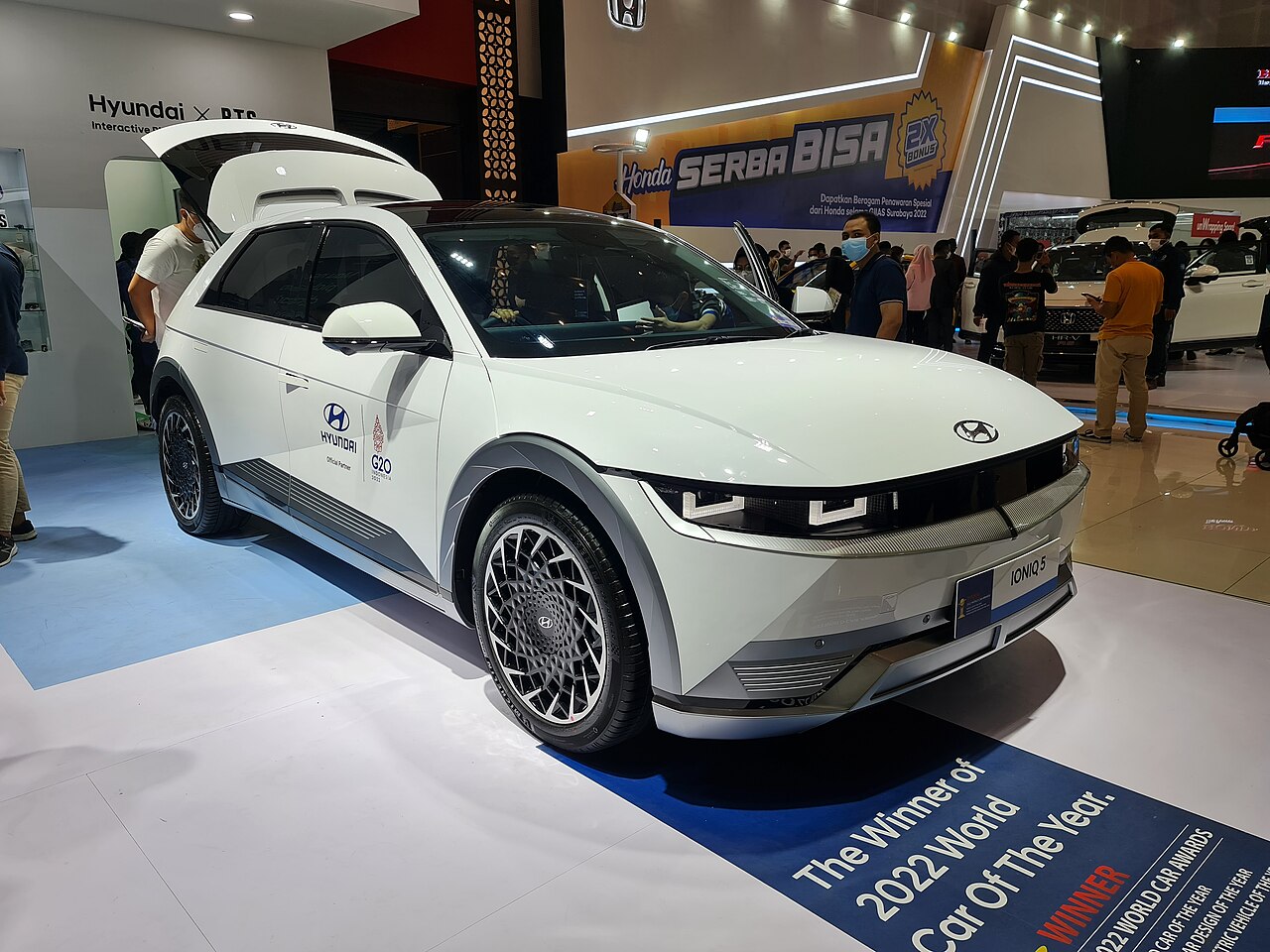
    Top image: a Hyundai Ioniq 5 on display at GIIAS in Surabaya. Photo: Alex Neman, CC BY-SA 4.0, via Wikimedia Commons

    Hyundai Motors Indonesia (HMID) says its forthcoming Neira, a three-row, seven-seat electric SUV that will be built at its Cikarang plant, will comfortably exceed the 60% local-content (TKDN) threshold that battery EVs must meet from 2027. The company gave the assurance at a media briefing in Jakarta on Thursday (5 November), ahead of the car’s public introduction at Gaikindo’s Jakarta auto show later this month.

    Battery plant underpins the TKDN claim

    HMID chief operating officer Fransiscus Soerjopranoto credited Hyundai’s existing battery manufacturing facility in Karawang, West Java, and final assembly at the Hyundai Motor Manufacturing Indonesia (HMMI) plant in Cikarang for the local-content level, according to Antara. Battery packs from Karawang would also be assembled into the car in Cikarang, he said.

    “Neira’s TKDN is definitely above 60 per cent, because the battery plant itself is already in Karawang, so it’s just a matter of utilising it.”
    — Fransiscus Soerjopranoto, HMID, to Antara (translated from Indonesian)

    The timing matters. As we reported this week, the government is tightening the rules so that battery EVs need 60% local content, including locally built battery packs, from 2027. Antara notes that the roadmap in Presidential Regulation No. 79 of 2023 sets 60% for 2027–2029, rising to 80% from 2030. Brands that rely on imported packs or imported cars will need to localise further to keep qualifying for incentives, while manufacturers with local cell or pack production start with an advantage.

    Filling a half-empty factory

    In a separate Antara report, Fransiscus said the HMMI plant has an annual capacity of around 150,000 units but is currently running at about half of that. Hyundai hopes the Neira, together with the Kia Carens it also builds there, will push the factory towards full utilisation. Production will serve the domestic market first; exports are possible but are not the immediate priority, he said.

    What Hyundai has revealed so far

    The Neira, whose name refers to Banda Neira in Maluku, is aimed squarely at Indonesia’s appetite for seven-seaters. Kontan lists four selling points Hyundai highlighted:

    • 200 mm of ground clearance, which Hyundai says suits Indonesia’s uneven roads;
    • Bluelink connected-car technology linking the car to the driver’s smartphone;
    • Blind-Spot Collision-Avoidance Assist, a feature Hyundai says scored well in its customer car-clinic research;
    • a roomy three-row cabin with easy access from the second row to the third.

    Hyundai has not yet published a price, battery size or range. Jawa Pos reports that HMID has not disclosed pricing and that pre-bookings will open during the show. Antara says full details of prices, variants and the ordering process will be announced there, and that several variants, from an entry trim to a top specification, are planned. Kontan reports the exhibition opens on 20 November and that visitors will be able to inspect the car at a dedicated “Neira Corner”. Antara refers to the show by its new name, Gaikindo Auto Week (GAW) 2026, formerly GJAW; Kontan still uses GJAW.

    The Neira joins a growing list of debuts planned for the event, alongside the GAC, LEPAS and BAW models we covered in October. Hyundai’s current electric range in Indonesia includes the Ioniq 5 and Ioniq 9, according to Jawa Pos; see our Hyundai directory entry for the wider line-up.

    What it means for buyers

    A locally built seven-seat EV from a mainstream brand would compete in one of the market’s most important segments, where families currently have relatively few electric options. Clearing the 60% TKDN bar should help keep the Neira eligible for whatever incentives apply from 2027, which in turn could make its pricing more competitive than imported rivals. Until Hyundai confirms the price, battery and range at the show, though, buyers should treat it as a model to watch rather than one to commit to; pre-booking terms are worth reading carefully before paying any deposit.

    Sources: Antara: Hyundai pastikan Neira penuhi TKDN di atas 60 persen untuk aturan 2027; Antara: Hyundai optimalkan utilisasi pabrik lewat produksi Neira dan Carens; Kontan: Hyundai siapkan mobil listrik 7 penumpang NEIRA, ini empat keunggulannya; Jawa Pos: Hyundai siapkan NEIRA, SUV listrik 7 penumpang, buka pre-booking di GAW 2026

  • PEVS 2026 closes with 35,257 visitors as activists grade carmakers

    PEVS 2026 closes with 35,257 visitors as activists grade carmakers

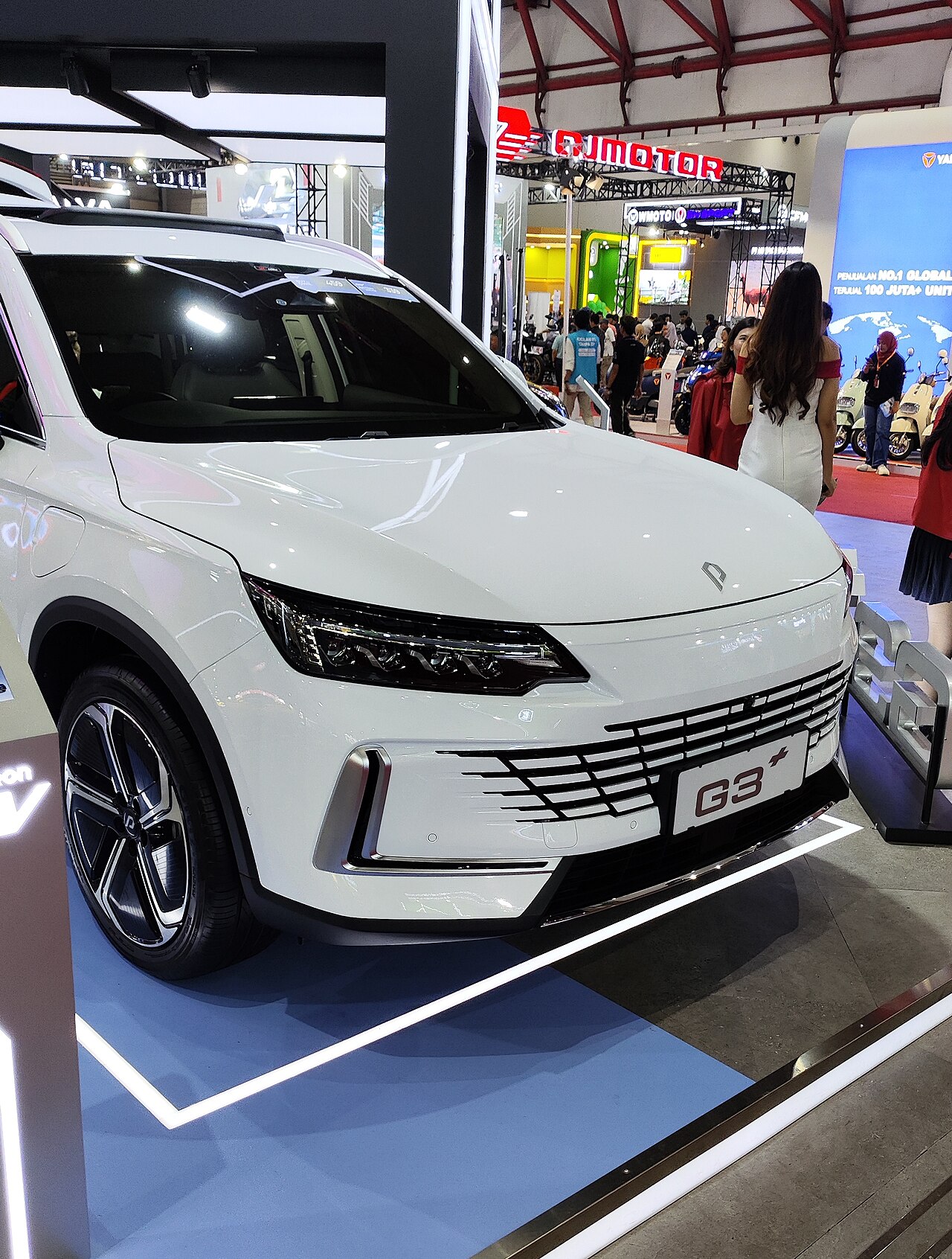
    Top image: Polytron G3+ electric SUV. Photo: Turbo Time 6, CC BY-SA 4.0, via Wikimedia Commons

    The Periklindo Electric Vehicle Show (PEVS) 2026 closed at JIExpo Kemayoran in Jakarta on Sunday 1 November, with organisers reporting 35,257 visitors over four days. The figure was counted at 15:00 WIB, three hours before the doors shut, so the final tally may be slightly higher, Antara and Jawa Pos reported.

    The closing day also brought a reminder that the electric transition has critics as well as customers: a civil-society coalition used the show to hand carmakers a symbolic “report card” on their supply chains.

    Visitors, exhibitors and deals

    According to Antara, 45 exhibitors took part, spanning car and motorbike brands and the wider supply industry. Names on the floor included BYD, Chery, Hyundai, MG, VinFast, Wuling, Alva, Polytron, Selis and United E-Motor, while Transjakarta, MRT Jakarta and LRT Jakarta also had stands. Visitors could test-drive cars and test-ride motorbikes inside the venue, and cashback of up to Rp200 million was offered on purchases of two- and four-wheel EVs. (We covered the opening-day market data in PEVS 2026 opens as battery EVs reach 16.88% of the car market, and the motorbike price cuts in our report on Honda, Polytron and United discounts.)

    Periklindo chairman Moeldoko said the attendance showed a positive public response to EVs, praising visitors’ “enthusiasm that did not fade from the first day to the closing” (translated from Indonesian), as quoted by Jawa Pos. Rumpoko Hadi, director of co-organiser Dyandra Promosindo, said the numbers reflected growing interest in electric vehicles.

    Neither organiser published a transaction total at the close. Back in May, Moeldoko told Antara the show was targeting Rp500 billion in sales; the same report said the previous edition attracted more than 40,000 visitors. On those figures, this year’s provisional attendance is roughly 12% lower (our calculation), although the comparison is not like-for-like because the 2026 count stopped before closing time.

    Activists’ “report card” for carmakers

    On the final day, the Just EV coalition, which includes the groups Satya Bumi, CERAH and Enter Nusantara, unfurled a banner at the show reading “Automaker Accountability Report Card”, Suara.com reported. Citing analysis by the international campaign Lead the Charge, the coalition said 18 major carmakers each scored below 50% on supply-chain environmental impact, support for climate policy, and respect for the rights of indigenous peoples and workers. Suara did not list the brands or their individual scores. Lead the Charge’s 2026 leaderboard, published in March, put even its top-ranked company, Tesla, just under 50% overall, Ford Authority noted.

    The coalition’s concerns centre on battery minerals. It linked nickel and cobalt mining to pollution and land conflicts in West Papua, North Maluku, Central Sulawesi and North Kalimantan, and pointed to the heavy reliance of nickel processing on coal-fired power, an issue we examined in our report on captive coal at nickel parks. It also argued that hybrids, which still burn fuel, keep adding to transport emissions.

    “The transition we want is not merely a change of technology.” Tamimah Ashilah, Satya Bumi (translated from Indonesian), via Suara.com

    Agung Budiono, executive director of CERAH, said EV makers should set standards for raw materials produced without fossil energy, while Enter Nusantara coordinator Reka Maharwati said the report card voiced young people’s concerns about green claims in the energy transition.

    What it means for buyers

    • Show discounts may linger: dealers often extend exhibition offers for a short time after a show ends. If you missed PEVS, ask whether the show price or cashback is still available before paying list price.
    • Battery chemistry and sourcing are becoming a talking point: as policy debates over nickel versus LFP batteries continue, expect more questions about where battery materials come from. Buyers who care can ask brands for their supply-chain or sustainability disclosures.
    • Compare brands in one place: many PEVS exhibitors, including Polytron, are listed in our EV directory for Indonesia.

    Sources: Antara (2 Nov 2026); Jawa Pos; Antara (22 May 2026); Suara.com; Ford Authority

  • Jakarta’s odd-even rule and EVs: what drivers need to know in 2026

    Jakarta’s odd-even rule and EVs: what drivers need to know in 2026

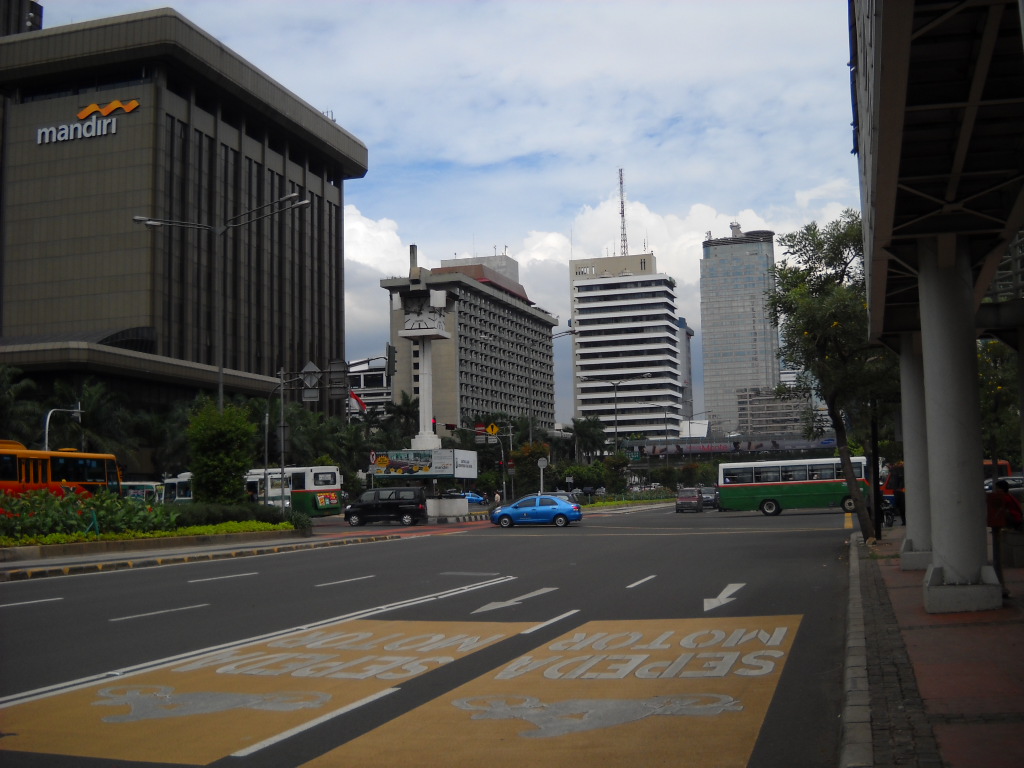
    Top image: Photo: Taman Renyah, CC BY 3.0, via Wikimedia Commons

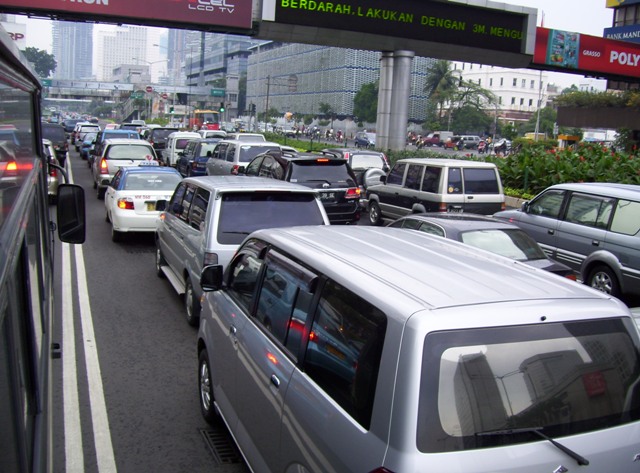
    For many Jakarta drivers, the single most practical reason to choose a battery electric car is not the tax break or the running costs. It is being able to drive into the city centre on any weekday, whatever the last digit of the number plate. That perk comes from Jakarta’s odd-even (ganjil genap) traffic restriction, and it is now under review.

    This guide explains how the rule works, which vehicles are exempt, why hybrids do not qualify, what happens if you break it, and how the current debate could affect anyone thinking of buying an EV.

    How the odd-even rule works

    The scheme is set out in Jakarta Governor Regulation (Pergub) No. 88 of 2019, which amended an earlier 2018 regulation, according to a summary of the current rules published by Harian.news in August. The basics:

    • Days: Monday to Friday only. It does not apply on Saturdays, Sundays or national public holidays.
    • Hours: two sessions, 06:00–10:00 and 16:00–21:00 Western Indonesian Time (WIB).
    • Plates: cars whose plate ends in an odd digit (1, 3, 5, 7, 9) may use the restricted roads on odd-numbered dates; those ending in an even digit (0, 2, 4, 6, 8) on even-numbered dates.

    The restriction covers private four-wheeled vehicles on specified corridors, not the whole city. Outside the listed roads and hours, any car can drive as normal.

    Which roads are covered

    Harian.news lists 25 road sections, concentrated on Jakarta’s main north–south and east–west arteries. They include:

    • Central spine: Jalan M.H. Thamrin, Jalan Jenderal Sudirman, Jalan Medan Merdeka Barat, Jalan Sisingamangaraja, Jalan Panglima Polim and Jalan Fatmawati (between Jalan Ketimun 1 and Jalan T.B. Simatupang).
    • Old town and the north: Jalan Pintu Besar Selatan, Jalan Gajah Mada, Jalan Hayam Wuruk, Jalan Majapahit, Jalan Gunung Sahari and Jalan Stasiun Senen.
    • Business districts and the inner ring: Jalan Gatot Subroto, Jalan H.R. Rasuna Said, Jalan M.T. Haryono, Jalan D.I. Panjaitan, Jalan Jenderal S. Parman (Tomang Raya to Gatot Subroto) and Jalan Jenderal A. Yani (Bekasi Timur Raya to Perintis Kemerdekaan).
    • West and east links: Jalan Suryopranoto, Jalan Balikpapan, Jalan Kyai Caringin, Jalan Tomang Raya, Jalan Pramuka, Jalan Salemba Raya and Jalan Kramat Raya.

    If you commute along Sudirman–Thamrin or the Gatot Subroto–Rasuna Said business belt, the rule is likely to affect you on half of all working days.

    Who is exempt

    Medcom.id lists 13 categories of vehicle that are not bound by the rule. For private motorists the relevant ones are:

    • electric vehicles;
    • motorcycles, which are outside the scheme altogether, so electric motorbikes are unaffected either way;
    • cars carrying people with disabilities (with the appropriate sticker).

    The remaining categories cover emergency and official traffic: ambulances, fire engines, yellow-plate public transport, fuel tankers, red-plate government vehicles, military and police vehicles, vehicles of senior state officials and visiting foreign dignitaries, accident-recovery vehicles, supervised cash-in-transit vans, and vehicles granted discretion by the police.

    Only battery electric cars qualify

    The EV exemption applies to vehicles powered solely by electricity. As GridOto has explained, conventional hybrids still use a petrol engine, so they are not covered. The same logic applies to plug-in hybrids (PHEVs) and range-extender EVs (REEVs), which carry a petrol engine as a generator; our guide to hybrids, PHEVs, REEVs and full EVs explains the differences.

    Battery electric cars are identified by their number plate, which carries a blue strip along the validity-date section. There is no separate sticker to apply for: if your car is registered as a battery EV, the plate itself signals the exemption to officers and cameras.

    Fines and enforcement

    Breaking the rule is treated as ignoring a traffic sign under Law No. 22 of 2009 on Road Traffic and Transport. Harian.news cites Article 287, which allows a fine of up to Rp500,000 or up to two months’ imprisonment. Police enforce the rule both with officers at the roadside and through ETLE electronic cameras, Sinergianews reports.

    Is the EV exemption going to end?

    Not yet, but it is no longer guaranteed. The rule has been in place for roughly a decade, and in late September the Jakarta Transportation Agency held a focus group discussion to evaluate it. The agency is studying its economic and emissions effects, how vehicles should be classified, and which roads should be covered.

    Speaking at City Hall on 30 September, agency head Budi Awaluddin said simply: “There has been no change yet,” Antara reported (translated from Indonesian). He added that the scheme has been effective at reducing congestion and needs further study. Suara.com framed the dilemma: the exemption helps EV sales, but a fast-growing EV fleet using the restricted corridors freely could bring congestion back.

    Since then the debate has moved in two directions at once:

    • Extending the perk: Industry Minister Muhammad Sarmuji has proposed incentives for hybrids, PHEVs and REEVs that include odd-even exemption. We covered his proposal here. Carmakers such as Honda and Chery have argued for the same thing before, detikOto reported in 2025.
    • Phasing it out eventually: Periklindo chairman Moeldoko has suggested the EV exemption could end once EVs reach around 30% of the vehicle population, a level still far off (our report). Sarmuji has said he will hear Periklindo’s full case before taking a view (follow-up).

    Leapmotor, among other brands, has warned that removing the exemption could dent demand (background here). As of 1 November no change to the regulation has been announced, so battery EVs remain exempt.

    What it means for buyers

    • If you drive restricted corridors daily, a battery EV currently doubles the weekdays you can use them at peak times compared with a petrol car or hybrid. That is a real convenience, but treat it as a bonus rather than a permanent right when weighing up a purchase.
    • Do not buy a hybrid or PHEV expecting the exemption. Proposals to extend it are only proposals; under the current regulation they must follow the odd-even rule.
    • Check the plate on a used EV. The blue strip should be present and the registration should show an electric power source.
    • Look at the full cost picture. Tax, charging and depreciation matter more over several years than one traffic perk. Our guides to EV taxes and incentives and electric car prices and models cover those.
    • On two wheels, the rule does not apply to motorbikes at all, so an electric motorbike gains nothing extra here.

    We will update this guide if Jakarta changes the regulation or its list of exempt vehicles.

    Sources: Harian.news; Medcom.id; GridOto; Sinergianews; Antara; Suara.com; detikOto.

  • Omoda O4 EV set for Indonesian production from November

    Omoda O4 EV set for Indonesian production from November

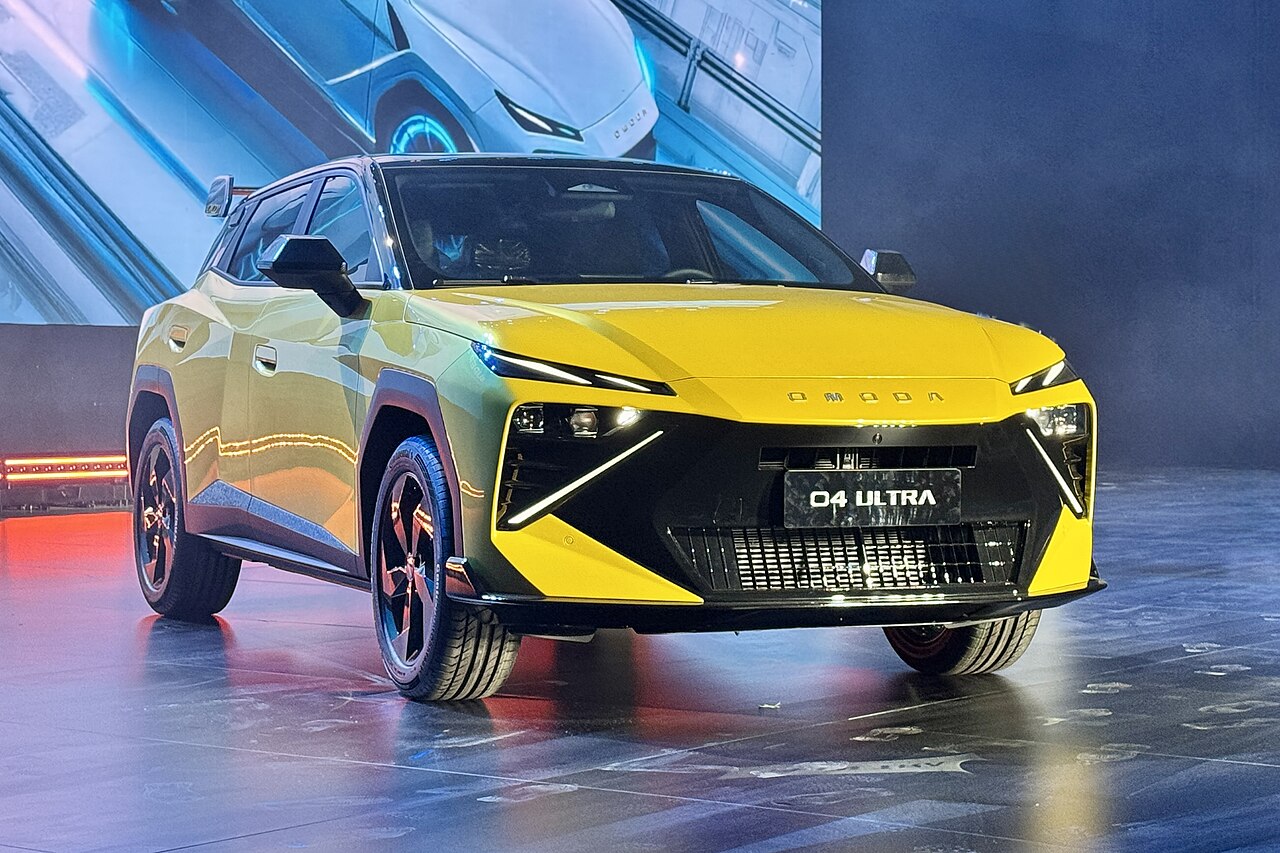
    Top image: Photo: Jigugo, CC BY-SA 4.0, via Wikimedia Commons

    Omoda Jaecoo plans to start building the Omoda O4 electric car in Indonesia in November 2026, with official prices to be revealed when production begins, according to reports by detikOto and Deliknews.

    Shawn Xu, President Director of Omoda Jaecoo International, told Indonesian journalists at the company’s OJ Building in Wuhu, China, that the O4 would move onto an Indonesian production line in around two months, and that the official launch, including pricing, would take place at the same time.

    “At that same time, we will officially launch it [including the price].” – Shawn Xu, President Director, Omoda Jaecoo International, quoted by Deliknews (translated from Indonesian)

    Neither report named the plant that will build the car. The O4 was first shown to the Indonesian public in July 2026, and the brand has been taking reservations with a Rp 5 million booking fee since the GIIAS 2026 show, Deliknews reported.

    Claimed specifications

    • Battery: 65.05 kWh lithium iron phosphate (LFP)
    • Range: up to 553 km on the NEDC test cycle (a photo caption on detikOto gives 533 km, but the article text and Deliknews both state 553 km)
    • Charging: DC fast charging at up to 119 kW, with 20–80% in about 22 minutes
    • Performance: 160 kW and 275 Nm; 0–100 km/h in a claimed 7.1 seconds
    • Cabin tech: a voice-controlled “Super AI Cockpit” that the company says runs on a large language model with ten AI agents

    The styling follows the brand’s “Cyber Mecha” design language, with what Omoda calls “Cyber Lightning” headlamps.

    Where it fits

    The O4 would join a growing Chery-group electric line-up in Indonesia. Sister brand Jaecoo’s J5 EV, listed at Rp 279.9 million to Rp 324.9 million OTR Jakarta in September (see our Jaecoo directory entry), has been among the country’s best-selling EVs this year, as our January–September sales round-up shows. Omoda’s existing electric model in Indonesia is the E5 (Omoda in our EV directory).

    What it means for buyers

    • No price yet. Anyone paying the Rp 5 million booking fee is committing before the price is known, so check the refund terms with the dealer.
    • Local production matters. Indonesia’s EV tax incentives are linked to local-content (TKDN) requirements, so locally built models are generally better placed to qualify – see our EV tax incentives guide. The launch price will show how much of that advantage reaches buyers.
    • Treat the range claim with care. NEDC figures tend to be optimistic, so real-world range is likely to be lower than 553 km.

    Sources: detikOto – Omoda O4 Diproduksi di Indonesia November 2026, Bakal Dijual Harga Berapa? (24 Oct 2026); Deliknews – Omoda O4 Mulai Diproduksi November 2026, Harga Resminya Segera Terungkap (24 Oct 2026)

  • Industry minister presses Toyota to go full electric and export more

    Industry minister presses Toyota to go full electric and export more

    Top image: Photo: TTTNIS, CC0, via Wikimedia Commons

    Indonesia’s industry minister, Muhammad Sarmuji, has asked Toyota to move beyond hybrids and build more fully battery-electric vehicles (BEVs) in the country, while also pushing the brand to ship more Indonesian-made cars abroad. The request came at a meeting on Tuesday 27 October at the Ministry of Industry in Jakarta with Nandi Julyanto, president director of PT Toyota Motor Manufacturing Indonesia (TMMIN), Antara reported.

    “Go further” than hybrids

    Sarmuji praised Toyota’s hybrid production and its local battery plant for hybrids, which already exports components, but said the government now wants the company to commit more firmly to full electrification. He argued that Indonesia’s battery ecosystem is now advanced enough to support it.

    “We are asking Toyota to also go further, to full electric.”
    — Muhammad Sarmuji, Minister of Industry, via InvestorTrust (translated from Indonesian)

    The push follows the ministry’s recent signals that it is also open to support for hybrids and range-extended EVs, which we covered in our report on Sarmuji’s hybrid and REEV incentive proposal. Tuesday’s message suggests the ministry still wants Toyota to put BEVs at the centre of its local plans.

    Toyota: more BEVs on the way, details unknown

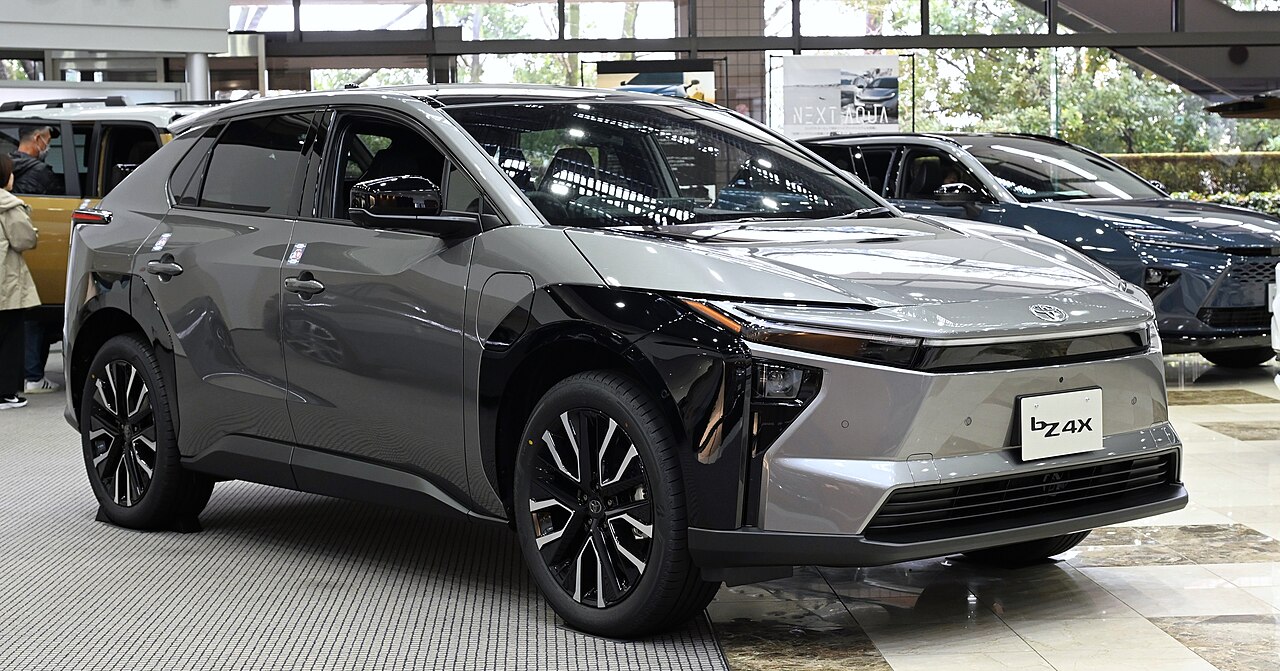
    Nandi said Toyota already builds the bZ4X electric SUV in Indonesia and is working on further battery-electric models for the local market. He did not disclose segments, specifications, prices or timing, according to CNBC Indonesia.

    “We are also preparing the next BEV models that suit the needs and conditions of the Indonesian market.”
    — Nandi Julyanto, TMMIN, via CNBC Indonesia (translated from Indonesian)

    Asked whether those models would be cheaper than the bZ4X, Nandi said he hoped so. CNBC Indonesia lists Jakarta on-the-road prices of about Rp799 million for the bZ4X Standard and Rp889 million for the all-wheel-drive bZ4X Touring, which puts Toyota’s locally built EV well above many of the Chinese-brand EVs on sale.

    Local content and the 2027 deadline

    The timing matters because the minimum local-content (TKDN) requirement for EVs rises to 60% from 2027, as set out in the ministry’s local-content roadmap. Earlier this month TMMIN vice president I Nyoman Winaya said the Karawang-built bZ4X stood at 40% local content and that the company was still studying how to reach the higher threshold, Radar Bogor reported. The same report said Toyota is working with CATL on battery production in Indonesia, with an investment reported at around Rp1.3 trillion, initially aimed at hybrids but with potential to supply BEVs later.

    Exports: Australia and double-cab pickups

    On exports, Sarmuji asked TMMIN to widen both its model range and its list of destination markets. He singled out Australia, citing its proximity and existing trade agreements, and urged Toyota to build double-cab pickups in Indonesia to compete for Australian demand, saying the government was prepared to adjust domestic rules to make that possible. Antara did not record a direct Toyota answer on the pickup idea.

    According to the minister, TMMIN employs around 8,000 people directly and supports roughly 360,000 jobs across its suppliers and dealer network.

    What it means for buyers

    For now, nothing changes on the showroom floor: the bZ4X remains Toyota’s only locally assembled BEV, and the brand has not said when the next one will arrive or what it will cost. But a more affordable, locally built Toyota EV would give buyers who value Toyota’s dealer and service network an alternative to Chinese brands. Our Toyota directory entry lists the current line-up and prices.

    Sources: Antara News; CNBC Indonesia; InvestorTrust; Radar Bogor (Jawa Pos)

  • Hybrid, PHEV, REEV or full EV: which suits drivers in Indonesia?

    Hybrid, PHEV, REEV or full EV: which suits drivers in Indonesia?

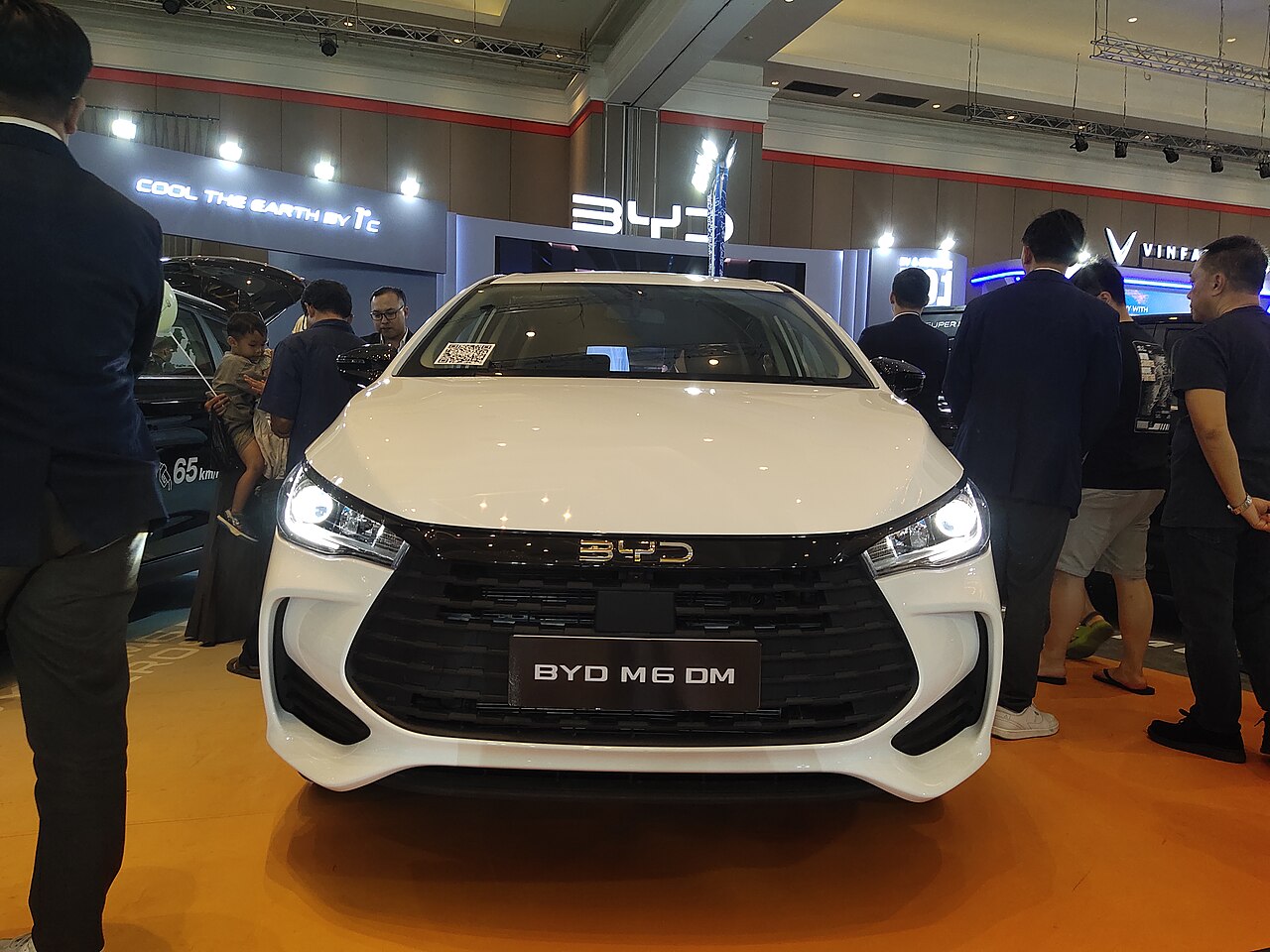
    Top image: Photo: M Raisfath, CC BY 4.0, via Wikimedia Commons. The BYD M6 DM-i, Indonesia’s best-selling plug-in hybrid so far in 2026, at GIIAS in Bandung.

    Walk into an Indonesian showroom in late 2026 and the word “electrified” can mean four quite different cars. Some never plug in, some plug in but still burn petrol most days, one type uses its engine only as a generator, and some have no engine at all. The government is now debating whether the three petrol-assisted types should get some of the perks that so far go only to full battery EVs. This guide explains how each works, how they are treated today and which suits which kind of driver.

    The four types in plain terms

    Hybrid (HEV)

    A conventional hybrid pairs a petrol engine with an electric motor and a small battery that is charged by the engine and by braking. You fill it with petrol and never plug it in. The electric side mainly helps at low speeds and in stop-start traffic, which is where it saves the most fuel.

    Plug-in hybrid (PHEV)

    A PHEV has a much larger battery that you charge from the mains, so it can cover shorter trips on electricity alone before the engine takes over. Chinese brands often market these under their own names, such as BYD’s DM-i, Chery’s CSH or Jaecoo’s SHS. The fuel savings depend almost entirely on how often you charge it: an uncharged PHEV is simply a heavy hybrid.

    Range-extended EV (REEV, sometimes EREV)

    A REEV is driven only by its electric motor. It carries a battery that is large by plug-in standards and a petrol engine whose job is to generate electricity when the battery runs low, not to turn the wheels. KatadataOTO describes the driving experience as much closer to a pure EV than a PHEV. Changan’s Deepal S05 REEV, launched this year as the first REEV on sale in Indonesia, lists a pure electric mode, a range-extending mode in which the engine-driven generator tops up the battery, regenerative braking and a “camping mode” that runs the generator while the car is parked.

    Battery electric vehicle (BEV)

    A BEV has no engine and runs entirely on its battery, charged at home or at public SPKLU stations. It has the lowest running costs and the fewest moving parts, but it depends on you having somewhere reliable to charge. Our charging guide covers the options.

    What Indonesians are actually buying

    Gaikindo’s wholesale figures (factory-to-dealer shipments) for January to September 2026 show the battery EV has overtaken the hybrid:

    • Battery EVs: 117,218 units, or 17.26% of a total market of 679,020, according to detikOto. Kompas gives a rounded figure of about 117,800 (17.3%); the small gap appears to come from different data cuts.
    • Hybrids: 65,968 units, or 9.72% of the market (detikOto). Hybrids led electrified sales from 2021 to 2024 before BEVs surged in 2025 and 2026.
    • Plug-in hybrids: 10,264 units, up 209.5% on the same period of 2025, led by the BYD M6 with 5,121 and the Chery Tiggo 8 CSH with 2,066 (CNN Indonesia). We covered the PHEV surge here.
    • REEVs: still a niche. CNN Indonesia’s PHEV table counts 29 Deepal S05 REEVs over the nine months.

    Our own calculation from these figures: battery EVs, hybrids and plug-ins together made up about 28.5% of all vehicles wholesaled in the first nine months.

    How the rules treat each type today

    Luxury tax. Under the luxury-tax regulation PP 74/2021, battery EVs are taxed on a 0% base, while plug-in hybrids and full hybrids pay luxury tax on a reduced share of their price, with the size of the reduction tied to fuel economy and emissions, as Gaikindo summarised when the rule was issued. The wider 2026 picture, including the end of the VAT discount and changes to regional vehicle tax, is in our EV tax and incentives guide.

    Odd-even and other perks. In Jakarta, battery EVs are exempt from the odd-even number-plate restriction; hybrids, PHEVs and REEVs are not. The city is reviewing that rule, and some brands have warned against removing the EV exemption.

    What may change. On 21 October Industry Minister Muhammad Sarmuji told Gaikindo that he wants non-fiscal incentives for hybrids, PHEVs and REEVs, including odd-even exemption and dedicated parking, and that tax relief is also being studied, though not necessarily at BEV levels (Koran Jakarta; our report is here). Nothing has been issued yet.

    “The plug-in hybrid and REEV incentives will be formulated.” — Industry Minister Muhammad Sarmuji, to detikOto (translated from Indonesian)

    Which one suits you?

    • Choose a battery EV if you can charge at home or at work, most of your driving is in and around one city, and you want the lowest running costs and, in Jakarta, freedom from odd-even. Our running-cost comparison sets out what charging costs against petrol.
    • Consider a REEV if you want to drive on electricity day to day but regularly travel where chargers are thin, such as long inter-city trips. Changan’s marketing head Ridjal Mulyadi told KatadataOTO that drivers covering about 170 km a day or less would run mainly on the battery. The choice is small: the S05 is priced in the Rp 500 million range.
    • Consider a PHEV only if you will plug it in most days. It suits households that can charge but want a petrol fallback for family trips.
    • Choose a hybrid if you cannot charge at all, for example in a flat or boarding house with no parking socket. You will still save fuel in traffic, with no change to how you refuel.

    Things to check before you buy

    • Your charging access, whether a home connection upgrade from PLN or a reliable SPKLU near your route.
    • Battery warranty terms for BEVs, PHEVs and REEVs, including whether they transfer to a second owner.
    • Your region’s vehicle tax. Exemptions are now set by each province, so check with your local Samsat or Bapenda.
    • Policy timing. Past EV incentives have been tied to local-content thresholds, so if a hybrid or REEV scheme is announced, ask the dealer where the car is assembled.

    Bottom line: the more reliably you can plug in, the further along the scale towards a full EV it makes sense to go.

    Sources: detikOto, Oct 2026; CNN Indonesia, 19 Oct 2026; Kompas.com, 17 Oct 2026; KatadataOTO, 11 Jul 2026; Kompas.com (biz), 28 Apr 2026; Koran Jakarta, 21 Oct 2026; Gaikindo, PP 74/2021 summary.

  • Jakarta reviews odd-even rule as Leapmotor warns over EV exemption

    Jakarta reviews odd-even rule as Leapmotor warns over EV exemption

    Top image: Photo: Serenity, CC BY-SA 3.0, via Wikimedia Commons

    Jakarta’s provincial government is reviewing its odd-even (ganjil genap) traffic restriction, and the question of whether battery electric cars should keep their exemption from it is now firmly on the table. Carmakers are watching closely: for many Jakarta buyers, being able to drive on any day regardless of number plate is one of the most tangible everyday perks of owning an EV.

    What is being reviewed

    The odd-even scheme, which limits private cars on major corridors to alternate days based on the last digit of their plate, has been in place for roughly a decade. At the end of September the Jakarta Transportation Agency (Dinas Perhubungan) held a focus group discussion on the policy. According to Suara.com and Liputan6, the review is looking at emissions, economic and environmental effects, and how vehicles are classified by fuel or power source.

    Agency head Budi Awaludin stressed that the discussion was only about gathering public input and that further study is needed before anything changes. No decision has been announced on the EV exemption. In early October, Jakarta DPRD member Muhammad Taufik Zoelkifli (PKS) also said the policy, which dates from 2016, should be evaluated with more attention to its economic impact, Kumparan reported.

    The review is a shift in tone from May, when the agency’s then head, Syafrin Liputo, said the province would keep the odd-even exemption for battery EVs, alongside its exemptions from regional vehicle tax (PKB) and title-transfer duty (BBNKB), according to the National Police news portal. That followed a national interior ministry regulation (Permendagri 11/2026) which stopped treating EVs as automatically exempt from those regional taxes, leaving each province to decide. Our guide to EV taxes and incentives in 2026 explains how those levies work.

    Leapmotor: removal would hit demand

    Speaking at a media event near Bogor on 20 October, Leapmotor Indonesia brand head Samuel Christian Wowor said the exemption is one of the triggers that persuade consumers to switch to an electric car, so removing it would inevitably affect the market. He also argued that people who bought EVs on the basis of the current rules should be considered in any change (Suara.com).

    “For our part, we will of course simply follow whatever government regulations are in force.”
    — Samuel Christian Wowor, Leapmotor Indonesia, to Suara.com (translated from Indonesian)

    Local content push could also affect prices

    At the same event, Wowor said Leapmotor aims to lift the local content (TKDN) of its locally assembled cars from 40% to 60% by 2027, in line with the government’s requirement. The company is still studying which parts to localise, with the battery among the options, and said the investment needed could end up reflected in vehicle prices, Suara.com reported. The B10 and C10 are currently listed at Rp 499 million and Rp 618 million on the road in Jakarta, and are assembled by PT National Assemblers. BYD has set out a similar 60% target for its Subang plant.

    What it means for buyers

    • Nothing has changed yet. Battery EVs remain exempt from Jakarta’s odd-even rule while the study continues.
    • Do not rely on the perk for the long term. If daily access to odd-even corridors is a major reason for buying an EV, factor in that the exemption is under review and could be narrowed.
    • Watch local-content timelines. Brands moving from 40% to 60% TKDN by 2027 have warned that localisation costs could push prices up, although none has announced an increase.

    Update, 23 October: Industry Minister Muhammad Sarmuji has proposed extending odd-even exemptions and other perks to hybrids, PHEVs and REEVs. Read our follow-up.

    Update (27 October 2026): Periklindo chairman Moeldoko says the EV exemption could be dropped once EVs reach about 30% of vehicles. Read our follow-up.

    Explainer: how the rule works, which roads and vehicles it covers and what the review could mean for buyers, in our guide to Jakarta’s odd-even rule and EVs.

    Sources: Suara.com (30 Sept); Liputan6 (30 Sept); Kumparan (21 Oct); Suara.com (21 Oct, odd-even); Suara.com (21 Oct, TKDN); Tribratanews Polri (5 May).

  • PEVS 2026 EV show opens 29 October at JIExpo, targeting Rp500bn in deals

    PEVS 2026 EV show opens 29 October at JIExpo, targeting Rp500bn in deals

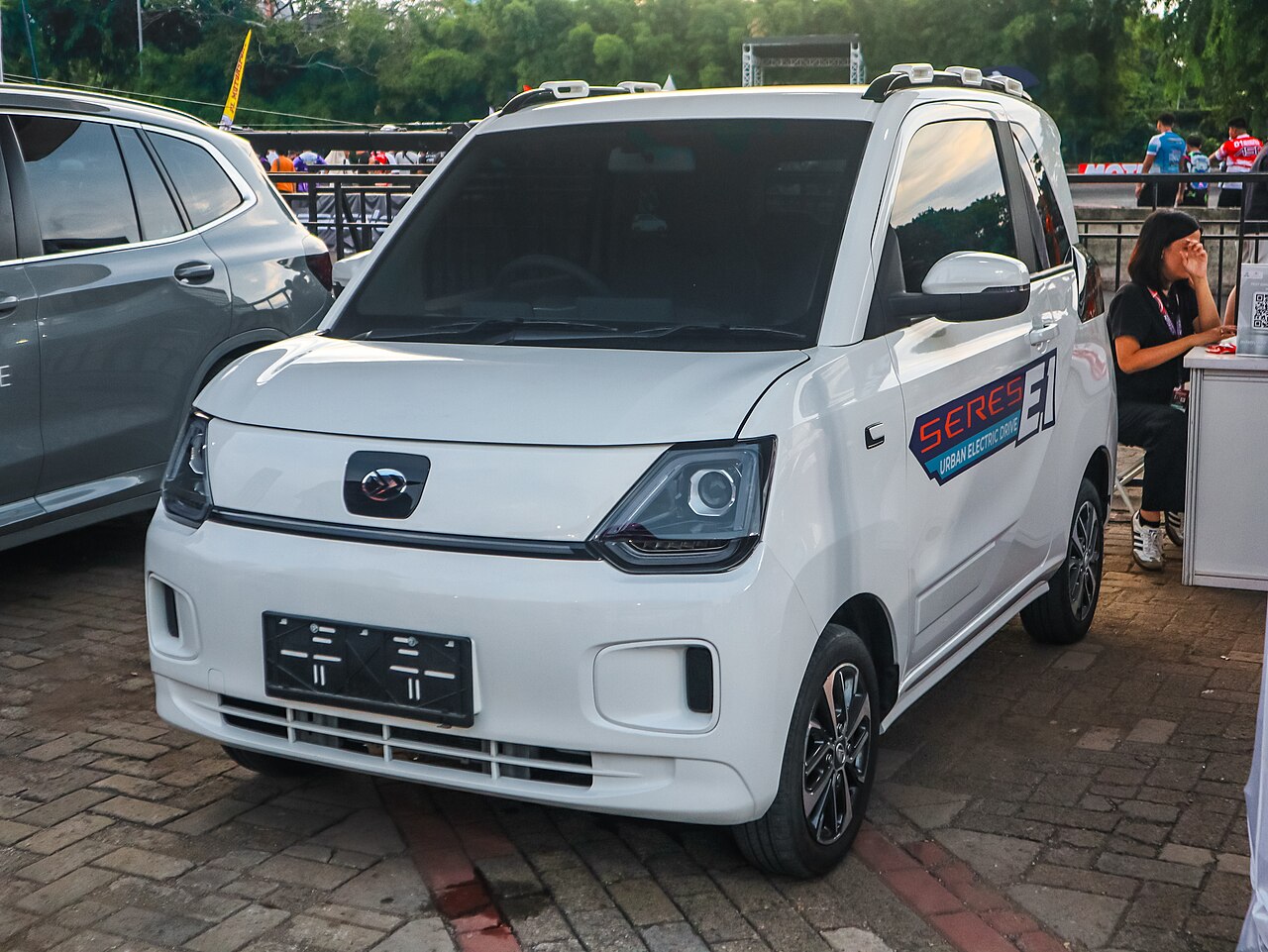
    Top image: Photo: Sulthan Naufal, CC BY-SA 4.0, via Wikimedia Commons. Pictured: the Seres E1 on display at IIMS 2025 in Indonesia.

    Update, 30 October 2026: PEVS 2026 has now opened. Read our report on the opening, including new industry ministry figures on battery EVs’ market share and the full exhibitor list: PEVS 2026 opens as battery EVs reach 16.88% of Indonesia’s car market.

    Indonesia’s dedicated electric-vehicle show, the Periklindo Electric Vehicle Show (PEVS) 2026, opens at JIExpo Kemayoran in Central Jakarta on 29 October and runs until 1 November. Organisers are hoping it will generate Rp500 billion in transactions over its four days.

    Key details

    • Dates: Thursday 29 October to Sunday 1 November 2026.
    • Venue: JIExpo Kemayoran, Jakarta, halls B3–C3, according to Medcom.
    • Entry: free for the public, with online registration required (Medcom; Antara).
    • Organisers: the Indonesian Electric Vehicle Industry Association (Periklindo) with event company Dyandra Promosindo (MarkLines; Medcom).
    • Theme: “The Future of A Clean and Efficient Mobility”.

    What is on show

    According to Medcom, the show will cover battery-electric, hybrid, plug-in hybrid, range-extended and hydrogen fuel-cell vehicles. PEVS 2026 project manager Rudi MF said the programme will also go beyond road vehicles, with battery-powered transport for water, air and rail, alongside wider use of solar panels.

    The programme is split into business-to-business, business-to-consumer and business-to-government strands, covering industry deals, hands-on experiences and education for the public, and links with investors and government, Antara reported. The sources we reviewed did not publish a full exhibitor list; last year’s show attracted 143 exhibitors and more than 40,000 visitors.

    Rp500 billion target

    Periklindo chairman Moeldoko set the Rp500 billion transaction target when the show was announced in May, presenting EVs as a response to geopolitical pressure on oil prices. “Our choice is to stand still or create a breakthrough,” he said (translated from Indonesian, via Antara).

    The market backdrop has improved since then. EV sales in the first nine months of 2026 have already passed the full-year 2025 total, as we reported in our January–September sales round-up.

    Conference the day before

    Periklindo is also holding its third Periklindo Electric Vehicle Conference (PEVC) on 28 October at the Mövenpick Hotel Jakarta, after two editions in Bali, detikOto reported. Four plenary sessions are planned: Indonesia’s 2027 economic and geopolitical outlook, next-generation EVs and autonomous driving, electric commercial fleets for logistics, and electrification of urban delivery, maritime and industrial uses.

    What it means for buyers

    Motor shows are often where brands announce launch prices and offer show-only packages, so PEVS may be a useful place to compare cars and electric motorbikes side by side, especially as the 60% local-content rule for 2027 starts to shape which models keep their tax incentives. As always, check what is included in any deal (home charger, battery warranty, free servicing) and whether prices are on-the-road for your city. The show also falls shortly before November’s Gaikindo auto week, where several new EVs are due to debut, so buyers who are not in a hurry may want to see both. Our EV directory lists the car and motorbike brands currently on sale in Indonesia.

    Sources: Antara (22 May 2026); Medcom (21 May 2026); detikOto (5 Aug 2026); MarkLines (28 May 2026).

  • GAC, LEPAS and BAW line up new EV debuts for November’s Gaikindo Auto Week

    GAC, LEPAS and BAW line up new EV debuts for November’s Gaikindo Auto Week

    Top image: Photo: JustAnotherCarDesigner, CC0, via Wikimedia Commons

    Update, 8 November 2026: GAC has since confirmed the model as the Aion i60 and opened pre-bookings. Read our follow-up.

    Three Chinese brands have now confirmed, or strongly signalled, new electric models for Gaikindo’s year-end motor show, setting up a busy November for Indonesian EV shoppers. GAC Indonesia says an electric SUV never before shown in the country is coming, LEPAS has confirmed its E6 SUV is on schedule, and newcomer BAW plans to put a price on its M8 electric people carrier.

    The show, officially the Permata Bank GAIKINDO Auto Week 2026 (GAW 2026, still widely called GJAW), runs from 20 to 29 November at ICE BSD City in Tangerang, according to the organiser’s website. For the first time, smaller satellite exhibitions will run simultaneously from 25 to 29 November in nine other cities, including Bali, Bandung, Makassar, Medan and Surabaya, IDN Times reported.

    GAC: an Aion SUV new to Indonesia

    GAC Indonesia plans to unveil a new battery-electric SUV at its next event, which OtoDream understands to be GAW 2026. Speaking in Bekasi, Iqbal Taufiqurrahman, who leads product planning and strategy at GAC Indonesia, did not name the model but stressed its novelty:

    “This has never been displayed in Indonesia at all.” – Iqbal Taufiqurrahman, GAC Indonesia, to OtoDream (translated from Indonesian)

    OtoDream names the Aion i60 and Aion N60, two mid-size electric SUVs sold in China, as the likely candidates. In Chinese specification both use a 165 kW (about 224 PS) front motor and share a 2,775 mm wheelbase. The i60’s battery-electric version offers 56.68 kWh or 77.65 kWh packs with up to 520 km and 700 km of range on China’s generous CLTC test cycle, while the N60 is offered with three packs rated at up to 410, 510 or 610 km (CLTC). GAC has not confirmed which model, battery or price Indonesia will get, so these figures should be treated as indicative only. The new SUV would join the Aion line-up already on sale here, which runs from the compact UT to the Hyptec HT.

    LEPAS E6 “on track”

    Chery Group’s new-energy brand LEPAS says the E6 electric SUV remains on schedule for its public national debut at the November show, Bisnis Market reported on 16 October. Vice country director Temmy Wiradjaja confirmed the timing while opening a new dealer in Puri Indah, West Jakarta. Full specifications and variants are being held back for the show’s press day.

    The E6 is an adaptation of the LEPAS L6 EV that debuted at the Beijing show this year. In global form the L6 has a single 178 kW front motor, a 67 kWh lithium iron phosphate (LFP) battery and up to 510 km of range on the older NEDC cycle; Indonesian figures may differ. See our new LEPAS directory entry.

    BAW M8: a big electric MPV

    Beijing Automobile Works (BAW), which first showed five models at GIIAS in July, has chosen the M8 electric MPV as the first vehicle it will actually sell in Indonesia. Brand marketing director Rifkie Setiawan told JawaPos that the seven-to-nine-seat model suits Indonesian buyers who often travel in groups, and that the price and full specification will be announced at GAW 2026. CleanTechnica has reported an 81 kWh LFP battery and up to 505 km of claimed CLTC range for the M8, and that BAW plans knock-down assembly in West Java. We have added BAW to our EV directory.

    What it means for buyers

    • More choice in family-sized EVs. Two mid-size SUVs and a large MPV would add competition in segments where buyers already compare models such as the MG S6 EV and the Danza D9 MPV.
    • No prices yet. None of the three brands has published Indonesian pricing, and Chinese-market range figures (CLTC) are typically optimistic compared with real-world driving.
    • Tax status matters. Whether these cars are imported or locally assembled will affect the final price; our 2026 EV tax and incentive guide explains why.

    Sources: OtoDream (18 Oct 2026); Bisnis Market (16 Oct 2026); JawaPos (13 Oct 2026); CleanTechnica (10 Aug 2026); IDN Times (22 Sep 2026); GAIKINDO Jakarta Auto Week.