Tag: Electric cars

  • MG opens MGS6 EV pre-orders in Indonesia at indicative Rp 550 million

    MG opens MGS6 EV pre-orders in Indonesia at indicative Rp 550 million

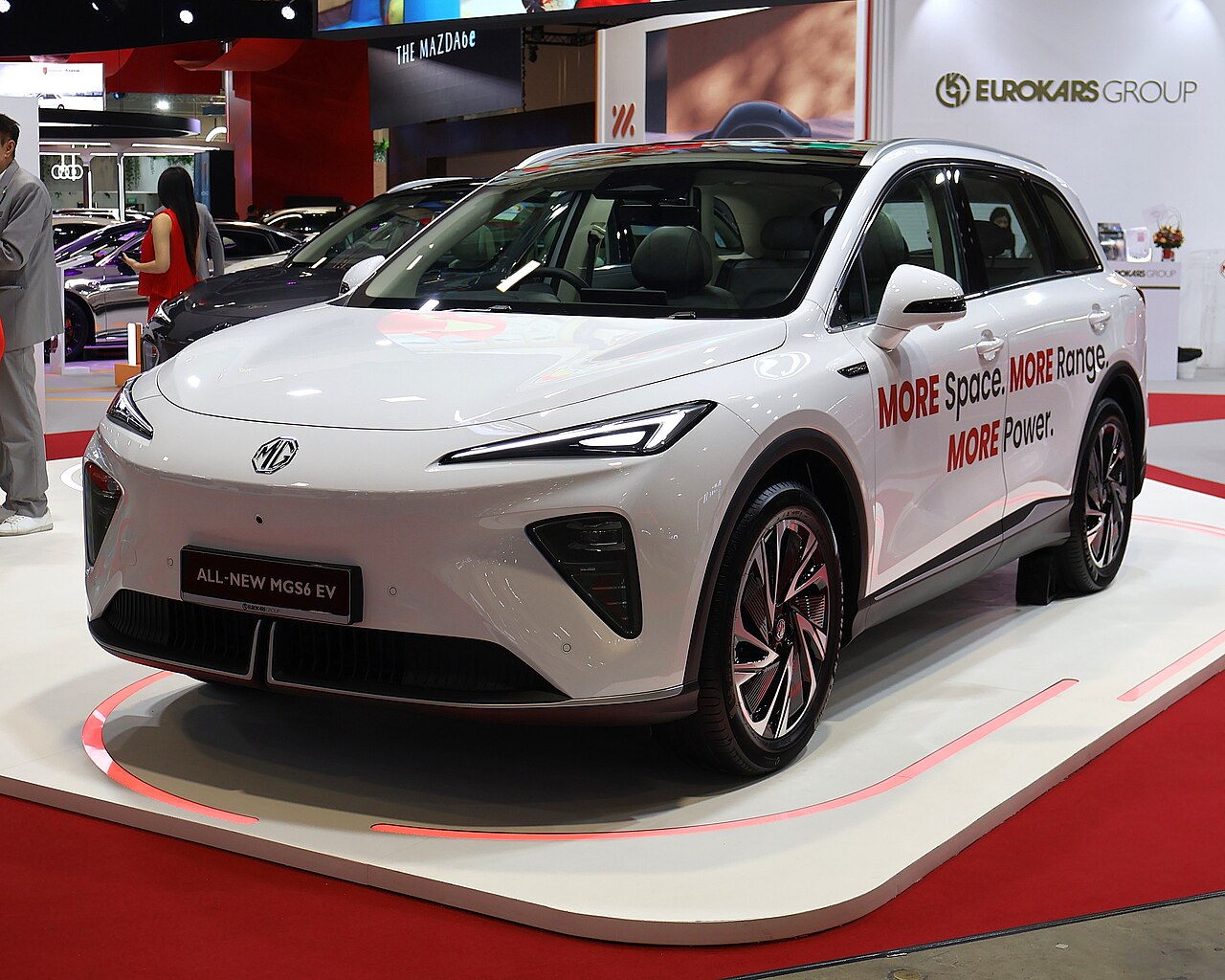
    Top image: MGS6 EV show car in Singapore. Photo: S5A-0043, CC BY 4.0, via Wikimedia Commons

    MG Motors Indonesia has opened pre-orders for the MGS6 EV, a five-seat electric SUV, but has not yet confirmed the price. The company unveiled the car in Jakarta on 14 October and gave an indicative starting price of Rp 550 million. The official price list is due at Gaikindo Auto Week (GAW) 2026, detikOto reported.

    Buyers can reserve a car now with a Rp 5 million booking fee and lock in the indicative price. MG says cars delivered to customers will be assembled locally at its Cikarang plant in West Java. Production is about to begin and deliveries are planned from December 2026.

    “Production will start soon, while deliveries will begin in December 2026,” said Harry Kurniawan, head of marketing at MG Motors Indonesia (translated from Indonesian).

    What buyers get

    The MGS6 EV comes in rear-wheel-drive (RWD) and all-wheel-drive (AWD) versions. The specifications MG published at the launch, as reported by CNN Indonesia and detikOto, are:

    • Output: up to 361 PS and 540 Nm. The AWD version reaches 100 km/h from a standstill in 5.1 seconds.
    • Battery and range: CATL cells, with up to 605 km of range on the NEDC cycle.
    • Charging: 30% to 80% in 32 minutes on a DC fast charger.
    • Safety: seven airbags, the MG Pilot driver-assistance suite with 16 ADAS functions, and a five-star NCAP rating.

    KatadataOTO gives separate figures for each version. It lists a 77 kWh NMC battery, 605 km of range for the RWD car and 550 km for the AWD car, and outputs of 241 hp and 350 Nm (RWD) and 356 hp and 540 Nm (AWD). That suggests the headline 361 PS figure applies to the AWD car only. The car measures 4,706 mm long on a 2,835 mm wheelbase. It has a front boot of 67–86 litres and a rear boot of 561 to 1,690 litres. MG has not confirmed the battery size or the per-version outputs for Indonesia, so buyers should check the final specification sheet at GAW.

    Where it fits on price

    At Rp 550 million, the MGS6 EV sits well above MG’s existing electric cars in Indonesia. In CNN Indonesia’s October price list, the MG S5 EV costs Rp 333.9 million to Rp 455.9 million, the MG4 EV costs Rp 405 million to Rp 419 million, and the ZS EV costs Rp 417.5 million. The MG Cyberster roadster, at Rp 1.704 billion, remains the brand’s flagship.

    Indonesian outlets have named the Deepal S07 and Xpeng G6 as the MGS6 EV’s closest rivals. The Deepal S07 is listed at Rp 619 million in the same CNN Indonesia list, while KatadataOTO quotes a Rp 599–619 million range. The Xpeng G6 costs Rp 679 million to Rp 769 million. On these figures, the MGS6 EV’s indicative price undercuts the Deepal by about Rp 50–70 million and the cheapest G6 by about Rp 129 million (IndoEVs calculation, based on published Jakarta prices).

    What it means for buyers

    The Rp 550 million figure is an indicative “from” price, not a confirmed one. MG has not said what the AWD version will cost, so buyers who book now are committing before the full price list is out. Local assembly matters too. Indonesia’s local-content (TKDN) rules for EVs tighten in 2027, and a car built in Cikarang is better placed for tax incentives than a fully imported rival. MG has not published a TKDN figure for the MGS6 EV. For background, see our coverage of the 60% local-content rule and our guide to EV taxes and incentives in 2026.

    The launch comes as the market’s top end gets busier: BYD’s premium brand Danza launched the D9 and Z9 GT the same week. You can find MG’s other models in our EV directory entry for MG.

    Sources: detikOto (16 Oct); detikOto (14 Oct); CNN Indonesia; KatadataOTO; CNN Indonesia October EV price list

  • BYD launches Danza D9 and Z9 GT in Indonesia with 1,500 kW flash charging

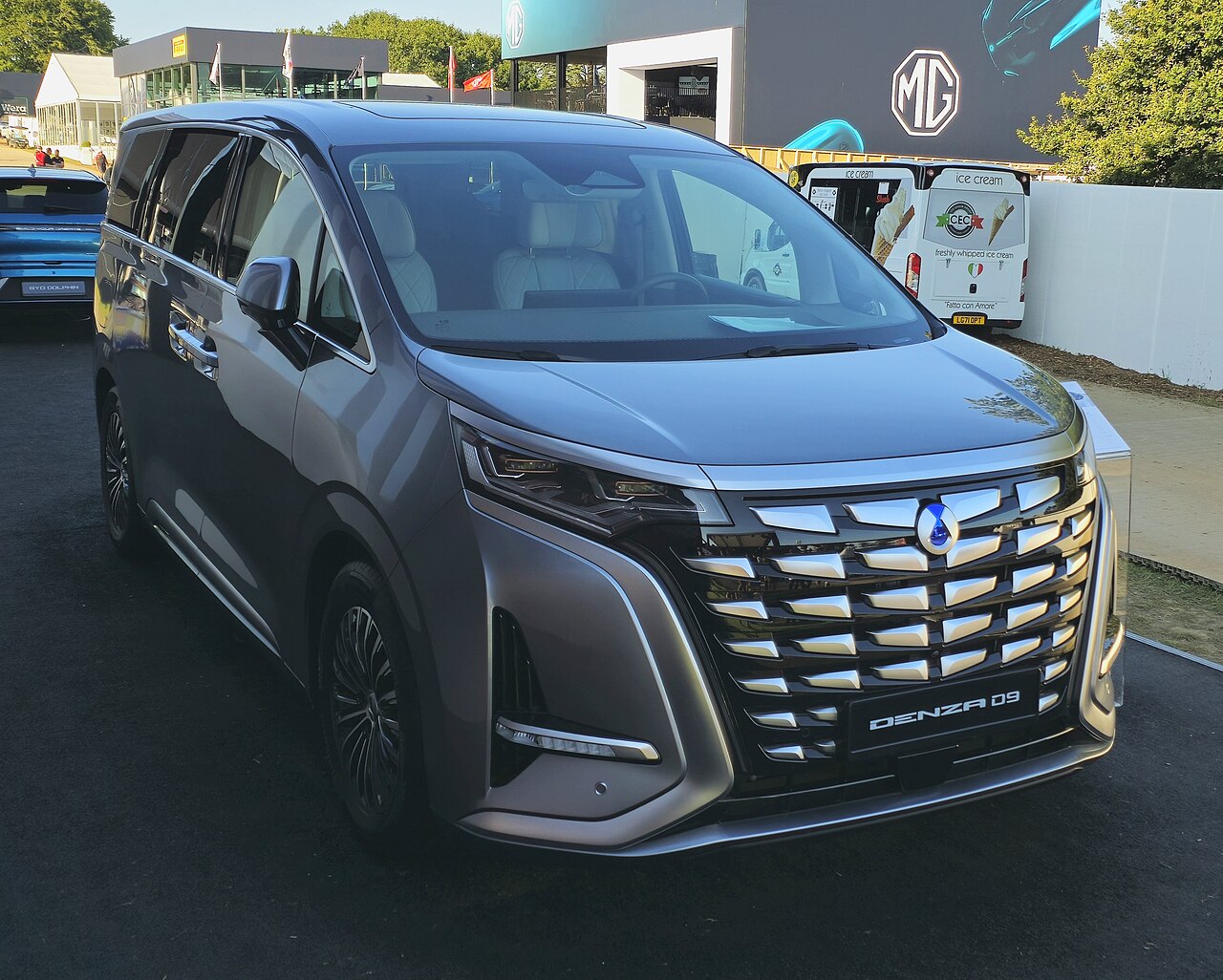
    BYD launches Danza D9 and Z9 GT in Indonesia with 1,500 kW flash charging

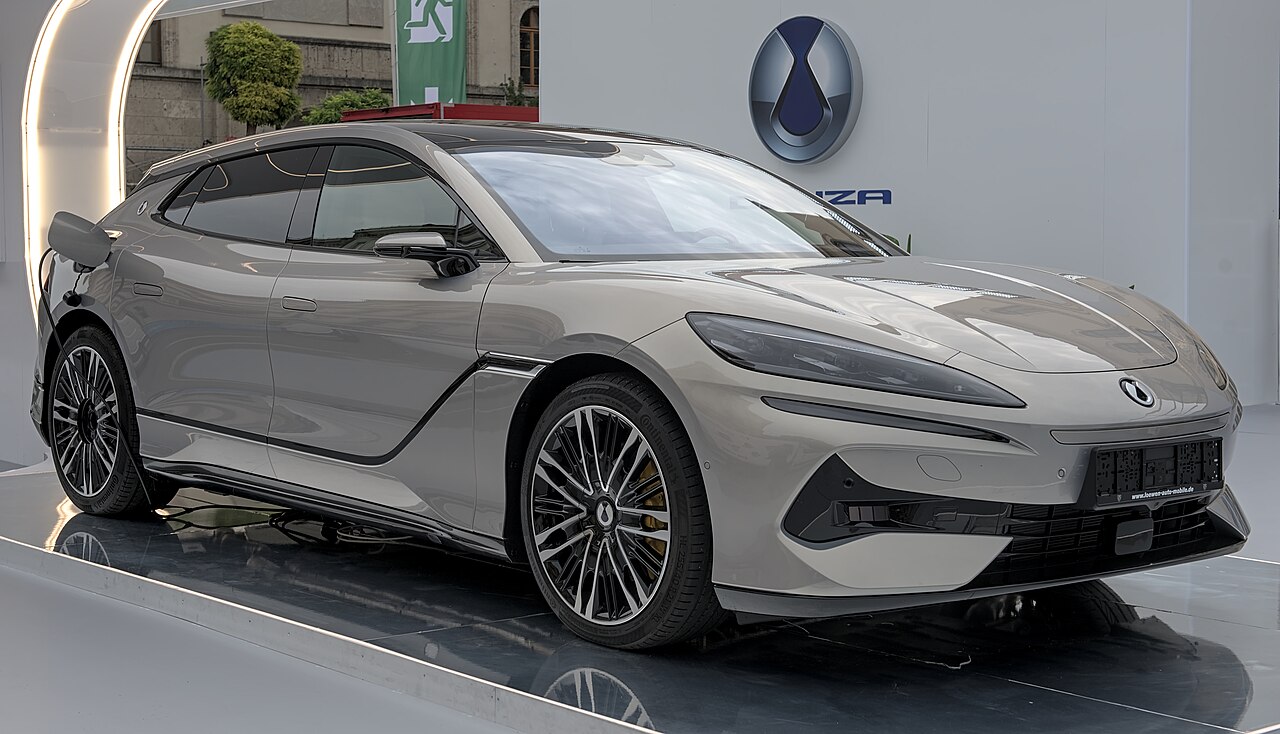
    Top image: Photo: Alexander Migl, CC BY-SA 4.0, via Wikimedia Commons. The Z9 GT pictured at IAA Mobility 2025 in Munich.

    BYD has put its premium Danza brand back in the spotlight in Indonesia, launching two new models in Jakarta on Wednesday 14 October and confirming that its megawatt-class “flash charging” system has arrived in the country. The New D9 luxury MPV and the Z9 GT grand tourer both run on BYD’s second-generation Blade Battery, which the company says can take a charge of up to 1,500 kW.

    The launch comes shortly after the brand switched from the Denza name in Indonesia following a trademark dispute, as we reported at the time.

    Prices and headline specifications

    According to CNN Indonesia and Kumparan, on-the-road Jakarta prices start at:

    • Danza New D9 (seven-seat MPV): from about Rp 1.08 billion
    • Danza Z9 GT (performance grand tourer): from about Rp 2.25 billion

    Neither outlet published a full variant price list or battery capacities, so only starting prices are confirmed so far.

    The updated D9 is quoted at up to 730 km of range on the NEDC test cycle. BYD has given it adaptive DiSus-C suspension, 10-point massage seats (up from four), a 16-speaker Devialet sound system, seats that rearrange automatically to free up luggage space, and a child presence detection system. Kumparan positions it as a rival to the Toyota Alphard, a long-time favourite in Indonesia’s executive MPV segment.

    The Z9 GT is the halo model. It uses three electric motors with a combined 850 kW (around 1,140 hp) and 1,210 Nm, and BYD claims 0–100 km/h in 2.7 seconds and about 701 km of NEDC range. Its rear wheels can steer by up to 15 degrees, enabling a sideways “crab walk” manoeuvre, and it rides on DiSus-A air suspension. NEDC figures are generally more generous than the WLTP figures used in Europe, so real-world range will be lower.

    How flash charging works

    The more significant announcement for the wider market may be the charger. BYD’s flash charger delivers up to 1,500 kW through a single overhead connector, the company said. Each unit has two connectors, and output drops to 1,000 kW each when both are in use, CNN Indonesia reported.

    BYD claims a 10–70% charge takes about five minutes and 10–97% about nine minutes in normal temperatures. Rather than drawing all that power straight from PLN’s grid, the station is fed by an integrated energy-storage system that buffers electricity, which BYD says reduces the load on the grid.

    Speaking at the launch, Eagle Zhao, President Director of PT BYD Motor Indonesia, said: “For the Indonesian market, all Danza EV products will be equipped with the second-generation Blade Battery and flash charging” (translated from Indonesian), according to detikOto.

    Where you can use it

    For now, the network is tiny. CNN Indonesia says the first flash charger is installed at the Danza dealer on Jalan Gatot Subroto in Jakarta, with plans to fit chargers at 10 Danza dealers and expand further next year. DetikOto describes the initial rollout as covering 10 Danza dealers, and adds that BYD is studying public locations, talking to charging operators, and in discussion with PLN.

    Only cars with the new battery can use the full speed. Cars with first-generation Blade batteries can plug in, but charge more slowly, CNN Indonesia reported. BYD says the technology will reach its mainstream brand gradually, starting with the BYD M6 and the upcoming Atto 2. Bisnis.com reports that BYD has confirmed the Atto 2 hatchback for Indonesia but has not given a launch date or local price; in China it sells from 96,800 yuan (about Rp 214.7 million, by Bisnis’s conversion).

    What it means for buyers

    • Danza buyers get BYD’s fastest charging technology, but only at a handful of dealer sites at first. Day-to-day charging will still mean home wallboxes or PLN’s public SPKLU network, which is covered in our guide to charging an EV in Indonesia.
    • Mainstream BYD buyers should watch the M6 and Atto 2. If those arrive with second-generation batteries and the charger network grows beyond dealers, five-minute top-ups could become relevant outside the luxury segment.
    • Existing BYD owners with first-generation batteries can use the chargers, but should not expect the headline times.

    Danza details, including the updated model line-up and prices, are in our EV directory entry for Danza. For the rest of BYD’s recent pricing moves, see our report on the Seal and Sealion 7 price rises.

    Sources: CNN Indonesia; Kumparan; detikOto; Bisnis.com.

  • Imported EVs could hit 60% local content with local batteries, ministry says

    Imported EVs could hit 60% local content with local batteries, ministry says

    Top image: Photo: RudolfSimon, CC BY-SA 3.0, via Wikimedia Commons

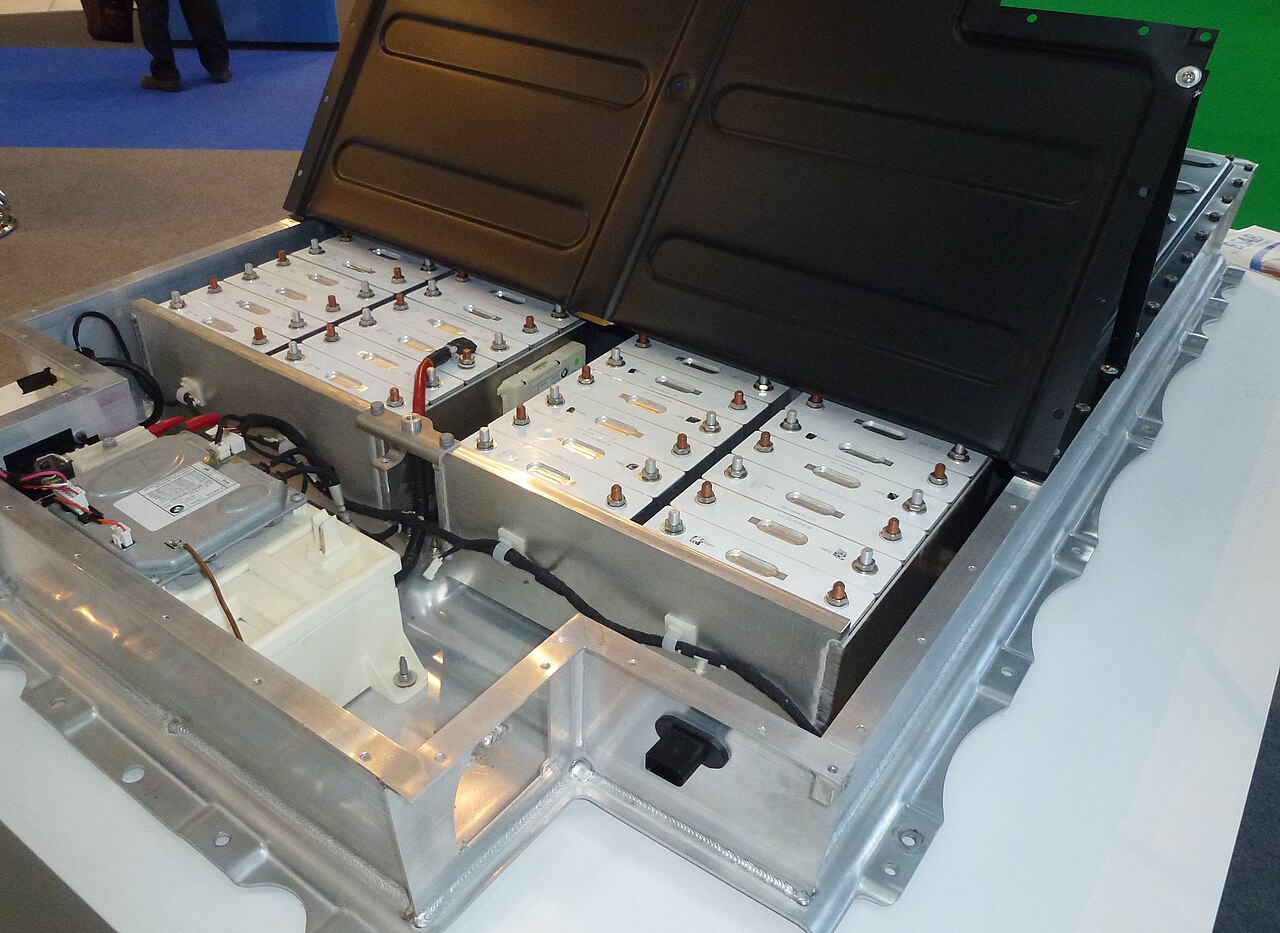
    Electric car brands that do not build vehicles in Indonesia could still meet the country’s 60% local-content requirement from 2027, provided they use batteries made in Indonesia, the Ministry of Industry (Kemenperin) said on Tuesday 13 October.

    The comments, reported by Suara.com from the ministry’s offices in Jakarta, add a new wrinkle to the tightening TKDN (domestic component level) rules that we covered when the ministry reaffirmed the 60% threshold at the start of the month.

    What the ministry said

    Setia Diarta, director general of metal, machinery, transport equipment and electronics industries (ILMATE) at Kemenperin, said the ministry’s own simulations showed the 60% level was reachable whether or not a brand operates an assembly plant in Indonesia. “So whether you have a factory or not, it is actually possible,” he said (translated from Indonesian).

    He pointed to an unnamed brand that still assembles its cars overseas but already fits Indonesian-made batteries, saying that approach could help it catch up with the local-content target. Suara’s report does not explain how a vehicle assembled abroad would be scored under the TKDN system, and the ministry did not name the brand.

    The timetable

    The requirements come from Presidential Regulation (Perpres) No. 79 of 2023, which revised Perpres No. 55 of 2019 on accelerating battery-electric vehicles. Under it, the minimum local content for battery-electric cars is:

    • 40% for 2022–2026
    • 60% for 2027–2029
    • 80% from 2030

    Patia J. Monangdo, who leads the ministry’s battery-electric vehicle industry working team, said the average TKDN of electric cars in Indonesia is currently around 45–47%, with the best-performing product at 80%. More than 100 electric vehicle products now hold TKDN certificates, he said. On those averages, many models would need to add well over ten percentage points of local content within roughly 15 months (our estimate, based on the ministry’s figures).

    Why batteries matter so much

    The battery is the single most expensive part of an electric car, so localising it moves the TKDN score more than almost any other component. At a separate industry discussion, the same ministry team said batteries were the “crucial topic” for the next stage, Katadata reported. According to Katadata’s account, local battery packaging adds around 10% to a vehicle’s score, locally made housings and wiring harnesses around 20%, and a domestically produced battery management system around 30%, with local cell production also seen as important.

    Not every carmaker is ready. Toyota’s Indonesian manufacturing arm TMMIN, which began building the bZ4X locally in late 2025, said at the end of September that it was still studying whether it could meet the 2027 target, Katadata reported.

    The push lines up with the government’s battery ambitions. Indonesia shipped its first export of EV batteries from the Weda Bay industrial park in North Maluku on 8 October, and officials want more of that output to end up in cars sold at home.

    What it means for buyers

    TKDN is not just an industrial target: it decides which cars qualify for tax breaks. The 40% threshold has been the gateway to government incentives such as VAT relief, according to the ministry, so models that miss the higher bar from 2027 risk losing that support and becoming more expensive. If imported models can qualify through local batteries, buyers could see a wider choice of incentive-eligible cars. Until the ministry publishes how such vehicles would be assessed, though, shoppers should check a model’s current TKDN status before counting on a discount. Our guide to EV tax incentives explains how the current schemes work.

    Update: BYD says its Subang-built models already exceed 40% local content and that it expects to meet the 60% rule in 2027. Read our follow-up.

    Update (3 November 2026): The National Economic Council has since said the 60% requirement will apply from 2027 together with locally assembled battery packs. Read our follow-up.

    Sources: Suara.com (13 Oct 2026); Katadata (30 Sep 2026); GridOto (23 Nov 2025); Antara (8 Oct 2026).

  • BYD raises Seal and Sealion 7 prices in Indonesia by up to Rp 250 million

    BYD raises Seal and Sealion 7 prices in Indonesia by up to Rp 250 million

    Top image: Photo: Alexander Migl, CC BY-SA 4.0, via Wikimedia Commons

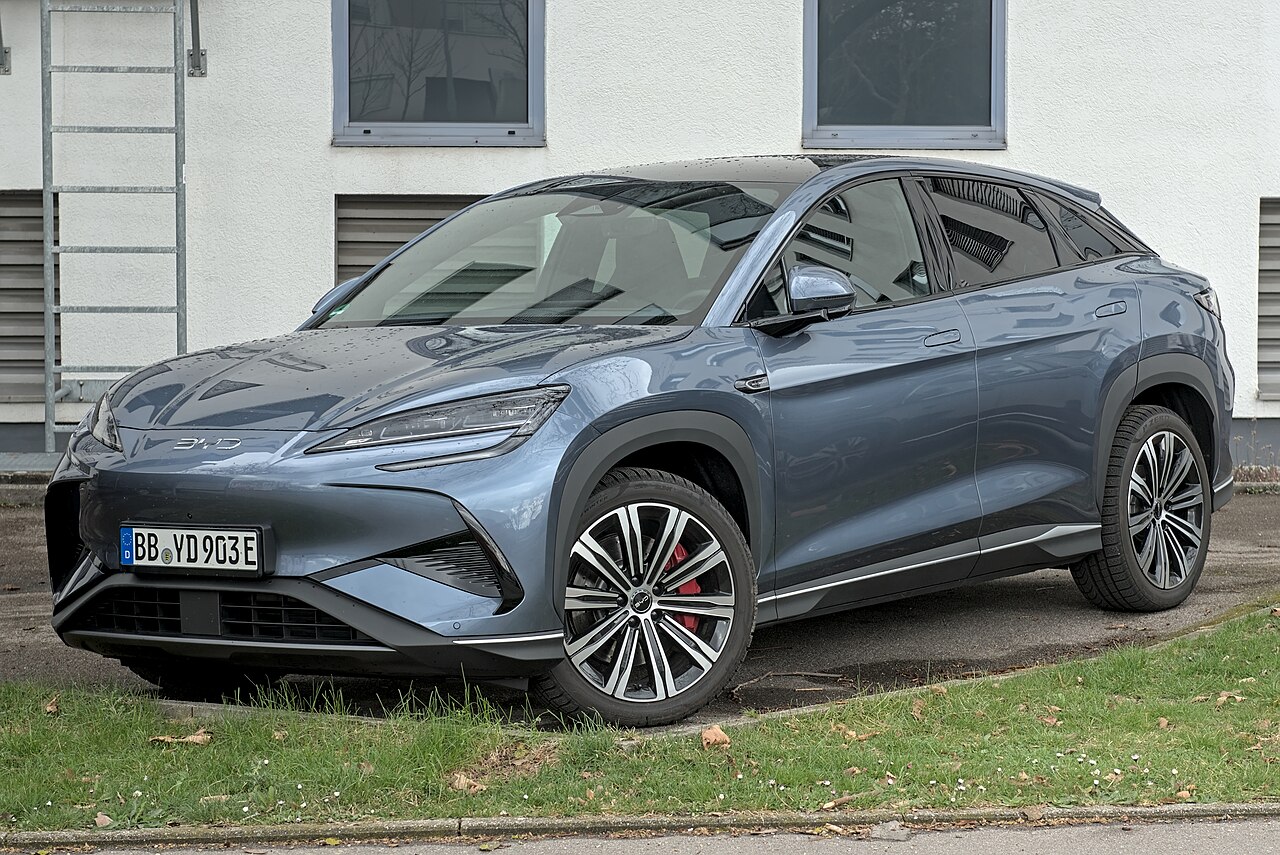
    BYD’s two most expensive models in Indonesia, the Seal saloon and the Sealion 7 SUV, have become dramatically dearer this month. According to an October price round-up published by Ranah Auto, the Sealion 7 Premium has moved from Rp 629 million to Rp 879 million, a rise of Rp 250 million, while the Seal Premium has gone from Rp 639 million to Rp 869 million.

    The new figures match the October price lists compiled by CNN Indonesia and Moladin, which both list the Seal at Rp 869 million and the Sealion 7 at Rp 879 million in Jakarta on-the-road terms.

    How big are the increases?

    By our own calculation, the Sealion 7’s new price is around 40% higher than before, and the Seal’s is about 36% higher. Smaller rises have hit the locally produced M6 MPV, according to Ranah Auto:

    • Sealion 7 Premium: Rp 629 million → Rp 879 million (+Rp 250 million)
    • Seal Premium: Rp 639 million → Rp 869 million (+Rp 230 million)
    • M6 Superior (7-seat): Rp 423 million → Rp 435 million (+Rp 12 million)
    • M6 Superior Captain Seat: Rp 433 million → Rp 445 million (+Rp 12 million)
    • M6 Standard: unchanged at Rp 395 million

    The entry-level Atto 1 is unaffected for now, still listed at Rp 199 million to Rp 245 million depending on variant. The Dolphin (Rp 369–429 million) and Atto 3 (Rp 415 million) appear on the October lists too, though neither outlet says whether those prices changed.

    Outside BYD, Ranah Auto also reports a Rp 10 million rise for the Changan Deepal S07, now Rp 629 million. CNN Indonesia’s list, published a few days earlier, still shows the Deepal S07 at Rp 619 million, so buyers should check with dealers for the current figure.

    Why now?

    None of the reports we reviewed gives an official explanation, and BYD Indonesia has not publicly commented on the new prices in the sources we found. The timing is notable, however. The duty-free scheme for fully imported (CBU) electric cars expired at the end of 2025. In January, OtoDream reported that BYD had kept prices unchanged despite the incentive ending, with the Sealion 7 then listed at Rp 629–719 million and the Seal at Rp 639–750 million.

    The Seal and Sealion 7 are not among the models BYD has said it builds at its Subang plant, which currently focuses on the Atto 1 and M6 range. That pattern, with big jumps on the imported flagships and only modest rises on the M6, is consistent with import costs finally being passed on, but this is our interpretation rather than a confirmed reason. We covered a similar move by Jaecoo last month in Jaecoo raises J5 EV prices, and our guide to EV tax incentives in 2026 explains which support schemes still apply.

    What it means for buyers

    • Flagship shoppers face a new price bracket. At close to Rp 880 million, the Sealion 7 now sits alongside the Toyota bZ4X (Rp 889 million on CNN Indonesia’s list) rather than undercutting it by a wide margin.
    • Locally built models look better value. The Atto 1 and the base M6 have held their prices, and BYD’s plug-in hybrid M6 DM-i starts at Rp 298 million on Moladin’s list.
    • Check stock and order dates. Dealers may still hold cars ordered at older prices, so it is worth asking whether a quoted price is guaranteed until delivery.

    See all BYD models and local production details in our BYD directory entry, or browse every brand in the Indonesia EV directory.

    Sources: Ranah Auto (7 Oct 2026); CNN Indonesia (5 Oct 2026); Moladin (1 Oct 2026); OtoDream (11 Jan 2026).

  • iCAR V23 passes 1,000 deliveries in Indonesia as Chery brand builds network

    iCAR V23 passes 1,000 deliveries in Indonesia as Chery brand builds network

    Top image: Photo: JustAnotherCarDesigner, CC0, via Wikimedia Commons

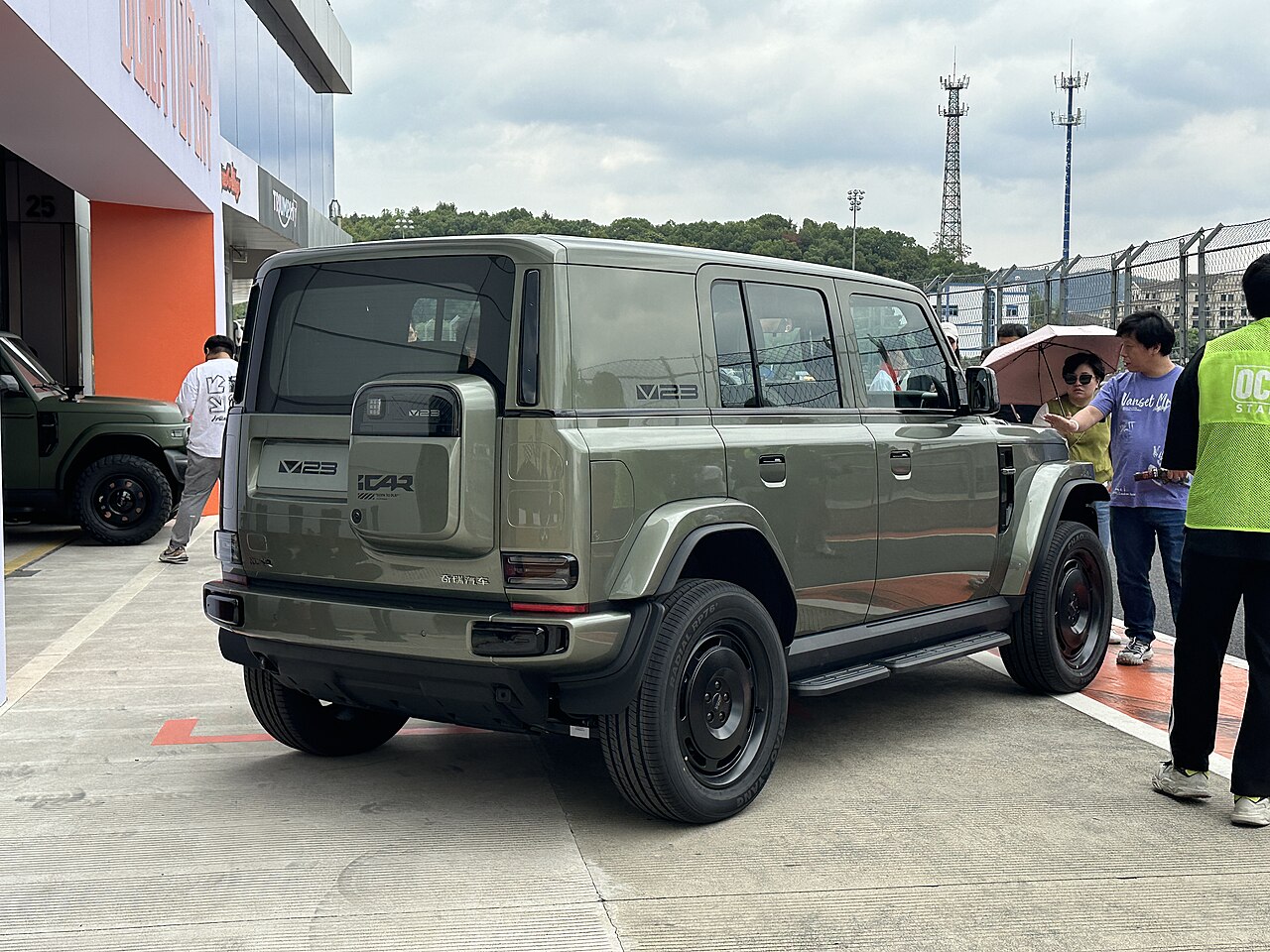
    iCAR, the lifestyle electric-car brand owned by China’s Chery, says 1,000 Indonesian customers have now taken delivery of its V23 electric SUV. The milestone was reached by the end of September 2026, detikOto reported.

    “Reaching 1,000 customers who have received the iCAR V23 is a very meaningful moment for iCAR’s journey in Indonesia,” said Bayu Apriadi, iCAR Indonesia’s regional sales manager, as quoted by detikOto (translated from Indonesian).

    A niche model with a growing network

    The V23 is a small, boxy SUV with retro off-road styling, aimed at buyers who want something more distinctive than the mainstream crossovers that dominate Indonesia’s EV market. It went on sale in Indonesia in February 2026 at the Indonesia International Motor Show, and is reported to be assembled locally in Bekasi, West Java.

    A thousand deliveries in roughly eight months is modest next to the market’s best-selling EVs, but it is a meaningful base for a new brand selling a single model. iCAR says it now has 16 service centres across Indonesia.

    Prices and specifications

    Published prices vary slightly by source. Car portal Oto.com lists three variants, on the road in Jakarta:

    • X RWD: Rp 389.9 million
    • Y RWD: Rp 439.9 million
    • Z iWD (dual motor): Rp 519.9 million

    iCAR’s official website currently shows the V23 from Rp 399.9 million and a Pro Plus Collector Series at Rp 789 million. Buyers should confirm the current price with a dealer, as several Chinese brands have raised EV prices this year.

    The official site lists a 59.93 kWh battery and a 100 kW (136 PS) motor for the rear-wheel-drive versions, with a claimed range of 360 to 401 km depending on the test cycle (NEDC or CLTC). Oto.com lists an 81 kWh battery and 208 hp for the top Z iWD.

    After-sales package

    Much of iCAR’s pitch is about ownership costs. According to detikOto, V23 buyers get:

    • free service labour for four years or 60,000 km;
    • a two-year pick-up and drop-off service membership;
    • three years of 24-hour roadside assistance;
    • an eight-year or 160,000 km battery warranty, and a six-year or 160,000 km vehicle warranty.

    What it means for buyers

    The V23 sits in the crowded Rp 390–520 million bracket, where it competes with more conventional electric SUVs. Its appeal is mainly its looks and the long warranty and service package. Before buying, check that one of the 16 service centres is within easy reach, since a young brand’s network is still thin outside the big cities, and compare the cost against the wider EV market. You can find iCAR and its sister brands Chery, Omoda and Jaecoo in our EV directory.

    Sources: detikOto; iCAR Indonesia; Oto.com; Wikipedia

  • Revised traffic law to classify vehicles by power source and cover self-driving

    Revised traffic law to classify vehicles by power source and cover self-driving

    Top image: Photo: Andylala Waluyo (VOA), Public domain, via Wikimedia Commons

    Electric vehicles and self-driving technology are set to get an explicit place in Indonesian road law for the first time. At a working meeting with the House of Representatives’ Commission V on 30 September, Transport Minister Dudy Purwagandhi said the government accepts lawmakers’ proposals to classify motor vehicles by their power source and to cover autonomous driving systems in a revised version of Law No. 22 of 2009 on Road Traffic and Transport (UU LLAJ), CNBC Indonesia and detikOto reported.

    The current law dates from 2009, before battery-electric cars and motorbikes were on sale in meaningful numbers in Indonesia. Since then, EV rules have mostly been set through presidential and ministerial regulations rather than primary legislation.

    What the draft would change for EVs

    According to detikOto, the proposals sit in Chapter VII of the bill, which deals with vehicle types. The revision would set out:

    • Vehicle categories by use: private vehicles, public transport and shared or ride-hailing services, each with its own requirements.
    • Classification by power source: vehicles grouped by fuel or energy type, which brings battery-electric vehicles into the law’s own definitions.
    • Autonomous technology: rules for steering systems with partial or full automated control.

    Autonomous vehicles will not become a separate vehicle category. Instead, detikOto reported, self-driving is treated as a development of steering technology with automatic control systems. Kumparan added that the bill also anticipates electronic traffic enforcement.

    A much wider rewrite

    The EV provisions are one part of a broad overhaul. Viva reported that the government’s list of issues (DIM) proposes revising 89 articles, adding 56 new ones and deleting five. The headline changes concern ride-hailing (ojol) platforms, including tariffs and the obligations of app companies, and tougher criminal penalties for over-dimension, overloaded (ODOL) trucks that would extend liability from drivers to vehicle owners, companies and cargo owners.

    The minister wants the work done quickly. “Our hope is this can be completed in 2026, so it can be implemented in 2027,” he said, as quoted by Viva (translated from Indonesian). CNBC Indonesia noted that the bill is on the 2026 priority legislation list (Prolegnas). No detailed EV wording has been published yet, and the bill still has to pass through committee deliberations before a plenary vote.

    Why it matters

    Much of Indonesia’s EV policy so far has been about money, such as the tax incentives and the local-content (TKDN) rules. Day-to-day questions about how EVs are treated on the road and in transport services have been handled piecemeal. This year, for example, some owners have faced refusals on ferries while operators set their own charging and safety rules. Bringing power source into the main traffic law could give regulators a clearer base for EV-specific technical, safety and transport rules later on.

    The ride-hailing provisions also matter for electrification, because app-based fleets are among the fastest adopters of electric cars and motorbikes in Jakarta, including the VinFast-based Green SM services.

    What it means for buyers

    Nothing changes yet for people who own or are buying an electric car or motorbike. Registration, taxes and incentives stay under the existing rules until the revised law is passed and its implementing regulations are issued, which on the government’s timetable would be 2027 at the earliest. The practical details, such as how EVs will be defined, what technical requirements follow, and how driver-assistance features are treated, will depend on the final text and the regulations that come after it. We will report on them as they emerge.

    Sources: CNBC Indonesia; detikOto; Viva; Kumparan

  • Ministry floats dedicated EV ships as ferry operators set charging rules

    Ministry floats dedicated EV ships as ferry operators set charging rules

    Top image: Photo: CEphoto, Uwe Aranas, CC BY-SA 3.0, via Wikimedia Commons

    Indonesia’s Ministry of Transportation (Kemenhub) has opened the door to ships built or set aside specifically for carrying electric vehicles, a week after the EV industry complained that owners and manufacturers were being turned away from ferries. At the same time, the national ferry operators’ association has spelled out the conditions its members now apply when an EV rolls up to the ramp.

    The comments were made on Friday 2 October at a press workshop in Bandung, West Java, and reported by CNBC Indonesia and CNN Indonesia. They follow the dispute we covered last week, when EV owners reported ferry refusals and the ministry restated its battery safety rules.

    Ministry: EVs are allowed, and dedicated ships may follow

    Lollan Andi Sutomo Panjaitan, acting director general of sea transportation at Kemenhub, repeated that electric vehicles may travel by sea as long as the safety conditions are met. On board, he said, they will be placed in designated areas that are watched more closely than the rest of the vehicle deck.

    Looking further ahead, he floated the idea of separate tonnage for EVs. “Ideally, in time there could also be dedicated ships specifically for electric cars,” he said, according to CNBC Indonesia (translated from Indonesian). No timetable, budget or operator was attached to the idea, so for now it is an option rather than a plan.

    What ferry operators now ask of EV owners

    Khoiri Soetomo, chairman of Gapasdap, the association of river, lake and ferry operators, set out the procedures its members are using, as reported by both outlets:

    • Arrive early. EV drivers are asked to check in ahead of other traffic so the crew can choose where to park the vehicle.
    • Ventilated placement. EVs go in areas with good air circulation and blowers, where they can be monitored during the crossing.
    • Do not board fully charged. Soetomo said batteries should not be at 100%.
    • A last-resort fire plan. Vehicles are positioned so that, if a battery fire cannot be brought under control, the car can be pushed into the sea.

    CNBC Indonesia also reported that Gapasdap and the state classification society, Biro Klasifikasi Indonesia (BKI), are drawing up certification standards for vessels that carry EVs, reflecting the fact that lithium-ion battery fires behave differently from petrol fires and need different equipment.

    Which battery limit applies?

    There is a gap between the operators’ wording and the ministry’s written rule. The governing document is still Kemenhub circular SE-DJPL 12 of 2024, issued on 4 April 2024, which CNN Indonesia said covers hybrids, plug-in hybrids, battery EVs and hydrogen fuel-cell vehicles. In September, CNBC Indonesia reported that the ministry’s guidance caps the charge at 50% and requires EVs to be parked on an open deck. “Not 100%”, as quoted from Gapasdap this week, is a looser description. Until the two are aligned, owners are safest working to the stricter 50% figure.

    Why the industry pushed

    The issue was escalated by Moeldoko, chairman of the EV industry association Periklindo, who told parliament’s Commission VII on 21 September that refusals were holding back distribution of electric motorbikes, cars and trucks between islands, CNBC Indonesia reported. Large brands such as BYD can operate their own car carriers, he noted, but smaller assemblers and dealers depend on scheduled ferries and cargo services. Separate EV vessels would ease that bottleneck, but would also add a new layer of cost and scheduling that the sector has not yet had to price in.

    What it means for buyers

    If you plan to take an electric car or motorbike between Java, Sumatra, Bali or other islands, expect extra checks rather than a ban. Charge to no more than 50% before you leave, allow time to arrive early, and be ready to be directed to an open or specially ventilated part of the deck. Plan a charging stop near the arrival port: our guide to SPKLU and home charging explains how to find one. Buyers outside Java may also see longer delivery times from smaller brands while shipping arrangements settle down, so check with the dealer before paying a deposit. You can compare which brands sell in Indonesia in our EV directory.

    Related: Revised traffic law to classify vehicles by power source and cover self-driving

    Sources: CNBC Indonesia, 2 Oct 2026; CNN Indonesia, 3 Oct 2026; CNBC Indonesia, 11 Sept 2026; CNBC Indonesia, 21 Sept 2026.

  • BYD renames Denza premium brand Danza in Indonesia after trademark loss

    BYD renames Denza premium brand Danza in Indonesia after trademark loss

    Top image: Photo: Calreyn88, CC BY-SA 4.0, via Wikimedia Commons

    BYD’s premium brand will no longer be sold as Denza in Indonesia. PT BYD Motor Indonesia has confirmed that the label now goes by Danza in the local market. The change follows a trademark dispute that BYD lost in the Indonesian courts.

    Signs of the switch appeared on 1 October, when the brand’s Indonesian social media accounts changed from “Denza Indonesia” to “Danza Indonesia”, CNN Indonesia reported. A day later, BYD confirmed the change on the record.

    “Denza has officially changed its name to Danza as its brand identity in Indonesia.”
    — Luther Panjaitan, Head of PR & Government, PT BYD Motor Indonesia, speaking to CNN Indonesia (translated from Indonesian)

    Panjaitan described the move as part of the company’s long-term commitment to premium mobility in Indonesia. BYD did not say directly that the rebrand was caused by the legal case, detikOto noted.

    How BYD lost the Denza name

    Reports from detikOto and CNN Indonesia set out the following timeline:

    • 3 July 2023: A local company, PT Worcas Nusantara Abadi, registered “Denza” with Indonesia’s intellectual property office under class 12, which covers vehicles. CNN Indonesia says this protection runs until 2033.
    • 8 August 2024: BYD filed its own application for the Denza mark, after the local registration.
    • January 2025: BYD launched the Denza D9 electric MPV in Indonesia.
    • 28 April 2025: The Central Jakarta Commercial Court rejected all of BYD’s claims. It applied Indonesia’s first-to-file principle and found that Denza was not yet established enough in Indonesia to count as a well-known mark.
    • Cassation: The Supreme Court rejected BYD’s appeal in decision No. 1338 K/Pdt.Sus-HKI/2025. According to detikOto, the court found that ownership of the Denza mark had by then passed to another company, PT Raden Reza Adi.
    • 11 August 2025: BYD applied to register “Danza” in the same vehicle class.

    The case shows how much risk trademark squatting creates under a first-to-file system. Brands that apply for local trademarks only shortly before launch are the most exposed.

    Same cars, new badge

    According to Oto.com, the line-up moves across to the Danza name. It includes the D9 MPV, which has been the brand’s main model in Indonesia, along with the B5, N9 and Z9 GT. Dealers now trade under names such as Danza Harmoni and Danza Arista. BYD says its service standards will stay the same under the new identity.

    detikOto also compared official vehicle tax valuations (NJKB) under the 2026 regulation. These values are used to calculate annual vehicle tax. Entries registered as Danza carry lower values than earlier Denza entries. In one example, an AWD variant is listed at Rp 585 million as Danza, against Rp 931 million as Denza. detikOto did not explain the difference. It is not clear whether it comes from the name change alone or from different variant specifications, so buyers should check the valuation for their exact model.

    What it means for buyers

    • Existing owners: According to BYD and dealer reports, warranty cover, servicing and the dealer network carry on as before. Only the name on the badge and the paperwork changes. Owners should keep their purchase documents in case dealer or registration records need to be reconciled.
    • New buyers: Look for “Danza” in price lists, dealer listings and registration documents. If an official dealer quotes for a “Denza” model, it should be the same car under the old name.
    • Running costs: If the lower NJKB values apply to the model you choose, the annual vehicle tax could be lower. Under current rules, most battery-electric cars are taxed lightly anyway. Our guide to EV taxes and incentives in 2026 explains how this works.

    The rebrand comes as BYD expands in Indonesia. Its Subang factory is ramping up, and stricter local-content rules from 2027 are on the way. Our directory has entries for BYD and Danza (formerly Denza).

    Update, 15 October 2026: Danza has since launched the New D9 and Z9 GT in Indonesia with BYD flash charging. Read our launch report.

    Sources: CNN Indonesia (1 Oct); CNN Indonesia (2 Oct); detikOto; detikOto; detikOto; Oto.com

  • EV taxes and incentives in Indonesia in 2026: what buyers now pay

    EV taxes and incentives in Indonesia in 2026: what buyers now pay

    Top image: Photo: Ilham jayakesuma, CC BY-SA 4.0, via Wikimedia Commons

    For most of 2024 and 2025, buying an electric car in Indonesia came with a stack of tax breaks: duty-free imports for brands that promised to build locally, a government-paid slice of VAT, and zero regional vehicle tax. In 2026 that stack has been largely dismantled, a replacement has been promised repeatedly but not yet delivered, and the rules now differ depending on where the car is made and where you live. This guide sets out what has changed, what still applies and what is still pending, based on reporting up to the end of September 2026.

    What ended on 31 December 2025

    The CBU import scheme

    Since 2024, brands that committed to building EVs in Indonesia could import fully built (CBU) electric cars without import duty or luxury tax (PPnBM). CNN Indonesia reported that this cut import duty from 50% to 0% and PPnBM from 15% to 0%, and that the scheme, under Industry Ministry Regulation 6/2023, was not extended beyond 2025.

    The catch for manufacturers is that the bill is not over. According to Kumparan, companies that used the scheme must build as many cars locally as they imported, by the end of 2027, backed by bank guarantees. Kumparan listed nine brands moving from imports to local production (Geely, BYD, VinFast, GWM, AION, Volkswagen, Xpeng, Citroën and Maxus), alongside six already assembling locally (Hyundai, Wuling, Chery, Polytron, Neta and MG). Brands that stayed out, such as BMW, Mercedes-Benz and Volvo, now face import duty of up to 50%, 12% VAT and 15% luxury tax on imported EVs, the outlet reported.

    The 10% VAT discount

    The other big break was PPN DTP, a portion of VAT paid by the government. Under Finance Ministry Regulation (PMK) 12/2025, the state covered 10 percentage points of VAT on four-wheeled battery EVs with at least 40% local content, from 4 February to 31 December 2025, Tempo reported. The same rule gave hybrids a 3% luxury-tax discount. CNN Indonesia confirmed in January that no new rule had been issued to carry the VAT break into 2026.

    The replacement incentive: promised, redesigned, delayed

    A new incentive has been under discussion all year, and its shape has changed several times:

    • May: Finance Minister Purbaya Yudhi Sadewa said the government would cover between 40% and 100% of VAT on electric cars depending on battery type, plus a Rp5 million subsidy per electric motorbike, for 100,000 of each, starting in June, Antara reported.
    • Late May: Purbaya postponed the scheme by a month because the calculations were not finished, CNBC Indonesia reported.
    • June: Coordinating Economic Minister Airlangga Hartarto confirmed a further delay. DDTC News reported the proposal as 100% VAT cover for cars with nickel-based (NMC) batteries and 40% for those using alternatives such as lithium iron phosphate (LFP).
    • August: At GIIAS, Purbaya said President Prabowo Subianto would announce the incentives within weeks, with the quota raised to 500,000 cars and 500,000 motorbikes, CNN Indonesia reported.
    • September: The motorbike element had been reshaped into Rp3 million per locally made e-motorbike, with a Rp3 trillion budget and a target of up to one million units, detikOto reported. On 24 September, ministers said they were still waiting for the Finance Ministry regulation, according to Telset.

    We have not found any report that the car VAT incentive has been put into force. Until a regulation is published, buyers should treat dealer talk of a coming “government discount” as unconfirmed. Our latest report on the e-motorbike subsidy has the most recent position on the two-wheeler scheme.

    “Yes, it’s delayed again, while we examine it first.” — Airlangga Hartarto, Coordinating Minister for Economic Affairs, to DDTC News, June 2026 (translated from Indonesian)

    Regional vehicle tax: no longer automatically zero

    Annual vehicle tax (PKB) and the transfer fee paid on a new registration (BBNKB) are regional taxes. EVs used to be exempt nationwide. Home Affairs Ministry Regulation 11/2026, effective from April, ended the automatic exemption and handed the decision to regional governments, which may grant a full exemption or a reduction, Antara and Liputan6 reported.

    “It still really needs incentives. But of course, we have to consider our fiscal situation.” — Deputy Industry Minister Faisol Riza, to Antara

    In practice, many EV owners are still paying nothing. Jakarta, the largest EV market, has kept PKB and BBNKB at zero and still exempts battery EVs from the odd-even traffic restriction, FIN reported in May. A Home Affairs circular dated 22 April (No. 900.1.13.1/3764/SJ) is cited as the basis; local reports differ on whether it simply permits governors to keep the exemption or instructs them to. Either way, the position can vary by province, so check with your local Samsat office or the provincial revenue agency (Bapenda) before you buy.

    Local content (TKDN): the rule behind every incentive

    Almost every EV incentive in Indonesia is tied to local content, known as TKDN. Battery-electric cars need 40% local content through 2026, rising to 60% from 2027 and 80% from 2030, as the Industry Ministry restated this week. Parts makers have warned that the 2027 step will be hard to meet without local battery cells, as we reported in our GIAMM story. If a future VAT incentive also depends on battery chemistry, as proposed, the price gap between models could widen depending on where and how they are built.

    Where the market stands

    The loss of incentives has not stopped growth. Electric cars reached 101,171 sales in January–August 2026, or 16.88% of the 599,491-unit market, Suara reported. The electric motorbike market has been weaker, which manufacturers partly blame on buyers waiting for the subsidy. See our report on the e-motorcycle sales slump.

    What it means for buyers

    • Locally assembled EVs are now the value end of the market. With the CBU scheme gone, brands that build locally have the clearest tax advantage. Brands still importing have to absorb the duty or pass it on in their prices.
    • Do not count on a VAT discount yet. If one arrives, it may favour cars with nickel-based batteries over LFP models. Ask the dealer whether a price-protection or refund clause applies if an incentive is introduced shortly after you buy.
    • Check your province. Whether you pay PKB and BBNKB now depends on where the car is registered. Jakarta remains at zero, but other regions can set their own rates.
    • Motorbike buyers have the most to gain from waiting. A Rp3 million subsidy is a large share of the price of an entry-level e-scooter, but there is still no firm start date.

    For models and current prices, see our electric car buying guide, our electric motorbike buyer’s guide and the IndoEVs directory of brands on sale in Indonesia. We will update this guide when the new incentive regulations are published.

    Related: EV running costs in Indonesia: home charging, SPKLU, tax and petrol compared

    Latest: the planned VAT relief may favour nickel-battery cars over LFP models, a split the industry body Periklindo is challenging. Read: Periklindo pushes back on bigger EV incentives for nickel-battery cars.

    Sources: CNN Indonesia (6 Jan 2026); Kumparan; Tempo (19 Feb 2025); Antara (7 May 2026); CNBC Indonesia (26 May 2026); DDTC News (23 Jun 2026); CNN Indonesia (4 Aug 2026); detikOto (1 Sep 2026); Telset (24 Sep 2026); Antara (22 Apr 2026); Liputan6; FIN (5 May 2026); Suara (1 Oct 2026).

  • Ministry reaffirms 60% EV local-content rule from 2027 as EV share hits 16%

    Ministry reaffirms 60% EV local-content rule from 2027 as EV share hits 16%

    Top image: Photo: Andra Febrian, CC BY 4.0, via Wikimedia Commons

    Indonesia’s Ministry of Industry has restated that locally built battery-electric vehicles will need to reach 60% local content (TKDN) from 2027, rising to 80% from 2030. Officials also said electric cars now make up 16% of the domestic market, and that EVs could overtake combustion-engine vehicles within the decade.

    The comments came at a forum on Wednesday 30 September titled “Powering Indonesia Future: Green Cars, Blue Skies”, CNN Indonesia reported. They come two days after the parts makers’ association GIAMM warned that the current rules leave little room for local suppliers.

    The timetable

    Patia J. Monangdo, head of the ministry’s working team for battery-based electric vehicles, set out the staged requirements. According to CNN Indonesia, the minimum local-content levels for electric cars are:

    • 2019–2021: 35%
    • 2022–2026: 40%
    • 2027–2029: 60%
    • 2030 onwards: 80%

    Similar stages apply to electric two- and three-wheelers, the report said.

    “The roadmap for 2026 is currently 40 per cent; from 2027 to 2029 it will be 60 per cent.” – Patia J. Monangdo, Ministry of Industry, to CNN Indonesia (translated from Indonesian)

    None of this is a new rule. The 60% level was first due in 2024 under Presidential Regulation 55/2019. It was pushed back to 2027 by Presidential Regulation 79/2023, signed in December 2023. That revision also exempted vehicles converted to electric power by certified workshops. It also said that companies which imported cars under the incentive scheme must build locally to the TKDN schedule, or repay an amount equivalent to the incentives they received.

    What the forum did show is that the government is not planning another delay. With 2027 only three months away, car makers have little time left to close the gap. According to CNN Indonesia, the average TKDN score for EVs in Indonesia is currently 45–47%. The highest is 80%, and more than 100 EV products have been certified. In July, Patia told Viva that one model had already reached 80%.

    EV share climbs to 16%

    Patia also gave new figures on how fast the market is growing. He said electric vehicles’ share of sales had been only around 2–3% previously, reached about 12% in 2025 and stands at 16% so far this year, Portal Media and CNN Indonesia reported. The reports did not say whether the figure covers only battery-electric cars or also includes hybrids. It is also not clear which sales measure it is based on, so it may not match Gaikindo’s monthly data exactly.

    He said Indonesia can produce almost 1.5 million motor vehicles a year. He also argued that the country’s nickel reserves should bring investment across the whole battery chain, from nickel processing and cathode and anode production to cell making and recycling. We cover this in our guide to Indonesia’s battery industry. The ministry says it will help component makers with certification, technical training and competency standards so that they can join EV supply chains.

    Overtaking petrol cars “by 2029–2031”

    Deputy Industry Minister Faisol Riza went further. CNN Indonesia reported that under the ministry’s fast-growth scenario, EVs could outnumber combustion-engine (ICE) vehicles in 2029–2031. Under a moderate scenario, battery-electric vehicles would overtake ICE in 2032–2034. He said the projection does not yet take hybrids and plug-in hybrids into account. The report’s headline refers to the vehicle “population”, but it does not explain whether the ministry means annual sales or the total number of vehicles on the road. The difference is large. With EVs at 16% of sales today, it would take much longer for them to outnumber ICE vehicles on the road than for them to outsell them.

    What it means for buyers

    • Local content is the price lever to watch. Indonesia’s EV incentives have been tied to TKDN thresholds, and the e-motorbike subsidy now under discussion also requires at least 40% local content, OtoDream reports. If car makers cannot reach 60% by 2027, and incentives stay linked to the minimum level, prices of some models could come under pressure unless makers use more local parts or change their line-ups.
    • Imported models are most exposed. Brands that entered with imported (CBU) cars under the incentive scheme have committed to local production. Buyers of those models may see changes in which variants are offered and how much they cost as local assembly begins.
    • Nickel-based batteries could become more common. The ministry’s focus on nickel suggests the government wants more nickel-based batteries in future locally built EVs.

    For current prices and models, see our electric car buying guide and the IndoEVs directory.

    Update, 13 October 2026: the ministry now says brands without an Indonesian assembly plant could still reach 60% by using locally made batteries. Read our follow-up.

    Sources: CNN Indonesia – TKDN rules; CNN Indonesia – TKDN roadmap; CNN Indonesia – 16% market share; CNN Indonesia – EV vs ICE projection; Portal Media; Viva (July 2026); OtoDream – e-motorbike incentive.

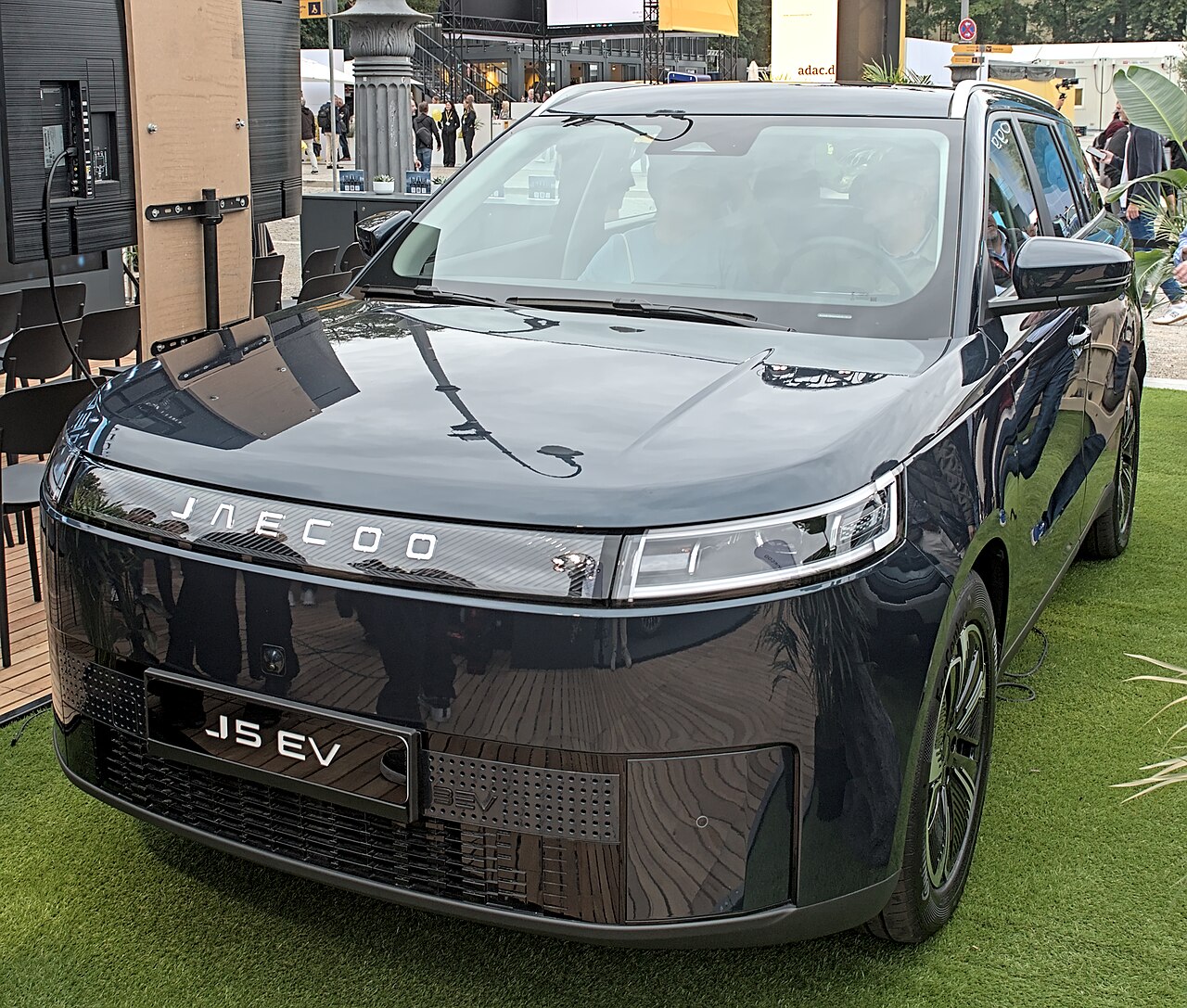
  • Jaecoo raises J5 EV Premium price again, citing currency and shipping costs

    Jaecoo raises J5 EV Premium price again, citing currency and shipping costs

    Top image: Photo: Alexander Migl, CC BY-SA 4.0, via Wikimedia Commons

    Indonesia’s best-selling electric car has become a little more expensive again. Jaecoo has lifted the price of the top J5 EV Premium to Rp 324.9 million on the road in Jakarta, while the entry-level Standard stays at Rp 279.9 million. The company says currency movements, shipping and production costs are behind the change.

    The adjustment was reported by kumparanOTO on 23 September, and followed up by Kompas and detikOto, which noted that no version of the J5 is now sold below Rp 250 million.

    A step-by-step climb from the launch price

    The J5 EV made its name with aggressive launch pricing of Rp 249.9 million for the Standard and Rp 299.9 million for the Premium. Since then the price has moved up in stages:

    • April 2026: the Standard rose to Rp 279.9 million and the Premium to Rp 309.9 million, according to Moladin.
    • Before this month’s change: kumparanOTO says the range last stood at Rp 279.9 million to Rp 319.9 million.
    • Now: Rp 279.9 million (Standard) and Rp 324.9 million (Premium).

    Headlines differ depending on the starting point. Kompas and detikOto compare today’s prices with the launch prices, giving increases of Rp 30 million for the Standard and Rp 25 million for the Premium. Compared with the previous list price, the latest move affects only the Premium and amounts to Rp 5 million. By our own calculation, the Standard is now 12% above its launch price and the Premium about 8% higher, and the gap between the two versions has widened to Rp 45 million.

    The hardware has not changed. According to detikOto, the J5 EV still uses a 60.9 kWh battery with a claimed 461 km range on the NEDC cycle, a 155 kW motor and fast charging of up to 130 kW.

    Why Jaecoo says prices went up

    Jim Ma, business unit director at Jaecoo Indonesia, told Kompas that exchange rates, shipping costs and production costs had all fed into the decision. He said the company had options to keep prices flat but chose not to cut corners to do so:

    “We will not sacrifice quality just to hold prices down.” – Jim Ma, Jaecoo Indonesia, to Kompas (translated from Indonesian)

    He also told kumparanOTO that after-sales service and the customer experience would stay the same despite the higher price.

    Demand is holding up so far

    The price rise comes while the J5 EV is still selling strongly. kumparanOTO’s figures show monthly wholesales of between 1,942 units in January and 3,214 units in August 2026, averaging roughly 3,000 a month. The J5 was the best-selling battery electric vehicle in Indonesia over January to August, as we reported in our August sales round-up.

    Jaecoo told kumparanOTO that buyers in Greater Jakarta (Jabodetabek) should wait no more than a month for delivery.

    What it means for buyers

    • The Standard is unchanged, for now. If you only need the base version, the price is the same as it has been since April. The Premium now costs Rp 45 million more.
    • Prices are OTR Jakarta. On-the-road prices in other provinces can differ because of regional taxes, so check with your local dealer.
    • Compare before you commit. At Rp 279.9 million to Rp 324.9 million, the J5 now sits in a busy mid-range bracket. Our electric car buying guide sets out the main rivals and their prices.
    • Ask about dealer offers. A higher list price does not rule out discounts or financing deals, which vary by dealer and month.

    Sources: kumparanOTO – Harga Jaecoo J5 Naik Lagi, Inden Paling Lama Satu Bulan (23 Sept 2026); Kompas – Harga Jaecoo J5 EV Naik, Ini Dalih Jaecoo Indonesia (25 Sept 2026); detikOto – Harga Jaecoo J5 Naik, Tak Ada Lagi yang di Bawah Rp 250 Juta (28 Sept 2026); Moladin – Update Penyesuaian Jaecoo J5 EV April 2026.

  • Parts makers say EV local-content rules leave little room for suppliers

    Parts makers say EV local-content rules leave little room for suppliers

    Top image: Photo: Andra Febrian, CC BY-SA 4.0, via Wikimedia Commons

    Indonesia’s rule that locally built electric cars must reach 40% local content (TKDN) this year is doing less for domestic parts makers than the headline figure suggests, according to the country’s automotive component industry association.

    Rachmat Basuki, secretary general of GIAMM (Gabungan Industri Alat Mobil dan Motor), told CNBC Indonesia on Monday 28 September that only a narrow range of EV parts is currently sourced from Indonesian suppliers. He listed tyres, wheel rims, safety glass, wiring harnesses and some interior parts as the main examples.

    How the 40% is reached

    The explanation lies in how the TKDN score for electric cars is weighted. As Rachmat described it to CNBC Indonesia, the calculation gives:

    • 30% for carrying out vehicle assembly in Indonesia;
    • 40% for localising the battery, down to cell level;
    • 10% for localising other main or supporting components.

    That means a manufacturer that assembles its cars locally already has three-quarters of the 2026 target in hand. In Rachmat’s words, the remaining gap is closed by localising a handful of components, “although not yet on a large scale” (translated from Indonesian).

    For component makers, the practical effect is that a carmaker can clear the current bar without buying much from them. Rachmat said suppliers want a bigger role and noted that the government has twice organised business-matching sessions between parts makers and EV producers, on top of the contacts carmakers make on their own.

    The bar rises from 2027

    The pressure on the supply chain is set to grow. The Industry Ministry’s local-content path for EVs rises from 40% in 2026 to 60% for 2027–2029 and 80% from 2030, Antara reported earlier this month. Under the weighting described by GIAMM, those higher thresholds are hard to meet through assembly alone; they point towards local battery cells and a far deeper parts base. (This is our reading of the figures, not a statement by GIAMM.)

    The government is also looking at tying future incentives more directly to local content. Speaking at the opening of BYD’s Subang plant on 3 September, Industry Minister Agus Gumiwang Kartasasmita said his ministry had been asked to study incentive schemes linked to TKDN and would work with the Finance Ministry on the design, according to Antara. He said the higher a product’s TKDN score, the more attention it should get from government. Antara reported on 26 September that this work on TKDN-based EV incentives is continuing.

    We covered the BYD factory opening and its local-content plans at the time, and the parallel debate on the motorbike side, where ALVA told lawmakers local suppliers are the bottleneck as TKDN requirements climb.

    Why batteries matter most

    With battery localisation carrying the single largest weight in the formula, cell production is the lever that will decide whether carmakers can hit 60% and later 80%. That links the car market directly to Indonesia’s nickel and battery investment push, including the CATL–IBC plant in Karawang. Our guide to Indonesia’s EV and battery industry explains how those pieces fit together.

    What it means for buyers

    The 40% rule for 2026 is already in place, so nothing changes at the showroom as a result of these comments. The bigger question is 2027. If incentives are rewritten to reward higher TKDN scores, brands that have invested in local cells and parts could gain a price advantage, while those relying mainly on local assembly may have to absorb costs or raise prices. Buyers comparing models over the next year may find it worth asking dealers whether a car is locally assembled and what its TKDN rating is. Our electric car buying guide covers the current line-up and prices.

    Update, 30 September: The Ministry of Industry has confirmed that the requirement will rise to 60% local content from 2027 and 80% from 2030. Read our follow-up.

    Sources: CNBC Indonesia, 28 Sep 2026; Antara, 3 Sep 2026; Antara, 26 Sep 2026