Tag: Batteries

  • Bahlil says nickel-to-cell battery chain is complete, eyes curbs on new smelters

    Bahlil says nickel-to-cell battery chain is complete, eyes curbs on new smelters

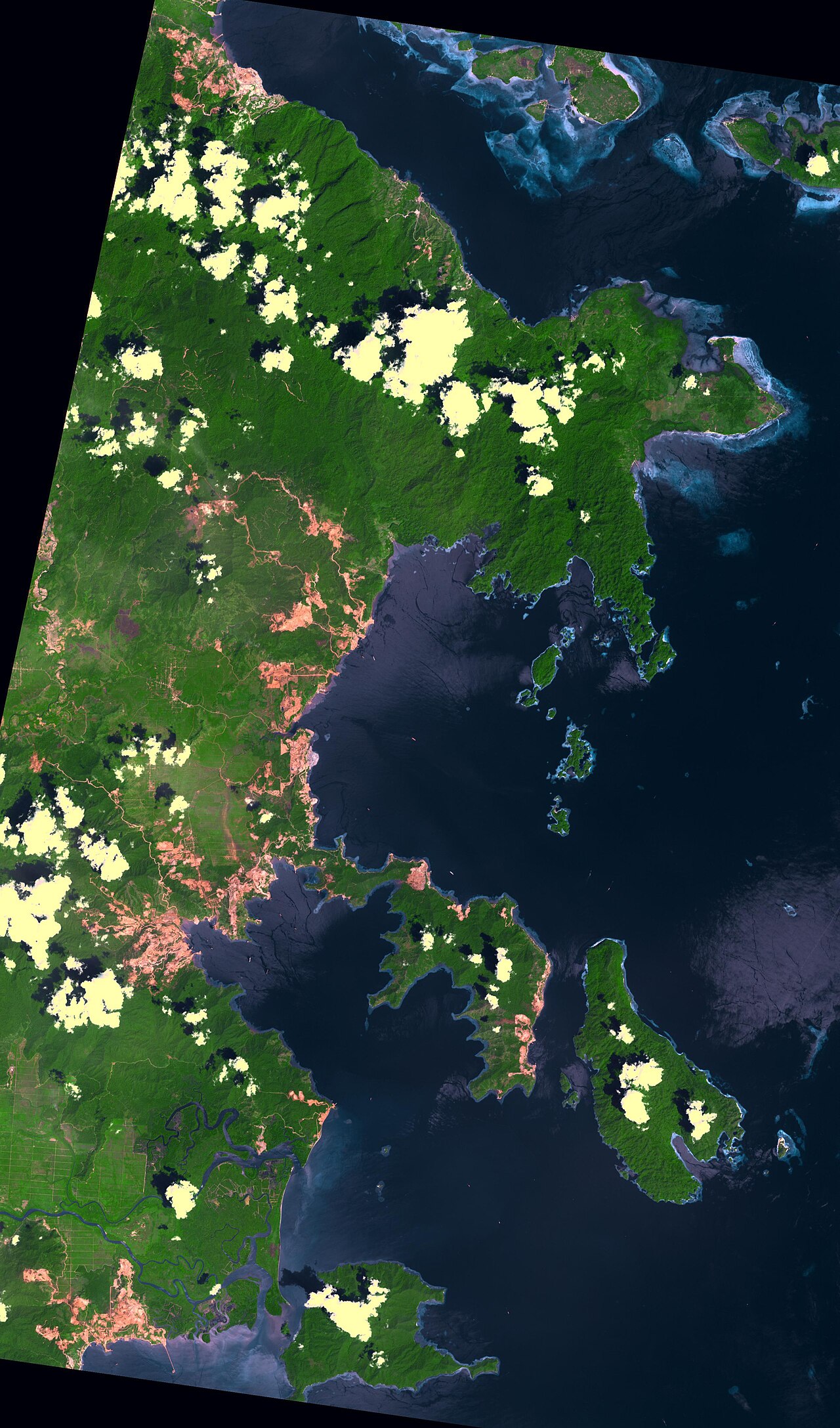
    Top image: NASA/JPL, NASA/METI/AIST/Japan Space Systems and U.S./Japan ASTER Science Team, Public domain, via Wikimedia Commons. NASA satellite view of nickel mining in Southeast Sulawesi.

    Indonesia now has a battery supply chain that runs all the way from nickel mines to finished battery cells, according to Bahlil Lahadalia, the coordinating minister for downstreaming and energy transition, who also serves as energy and mineral resources minister. In the same speech, however, he signalled that the government is reviewing whether new smelters making only semi-finished products should still be allowed, saying most of the industry is still stuck halfway up the value chain.

    Bahlil was speaking on Monday 2 November at the opening of the Minerba Convention and Exhibition (Minerba Convex) 2026 at JIExpo Kemayoran in Jakarta, the same event at which economic council official Septian Hario Seto laid out the 60% local-content target for EVs in 2027.

    “From mine to battery cell”

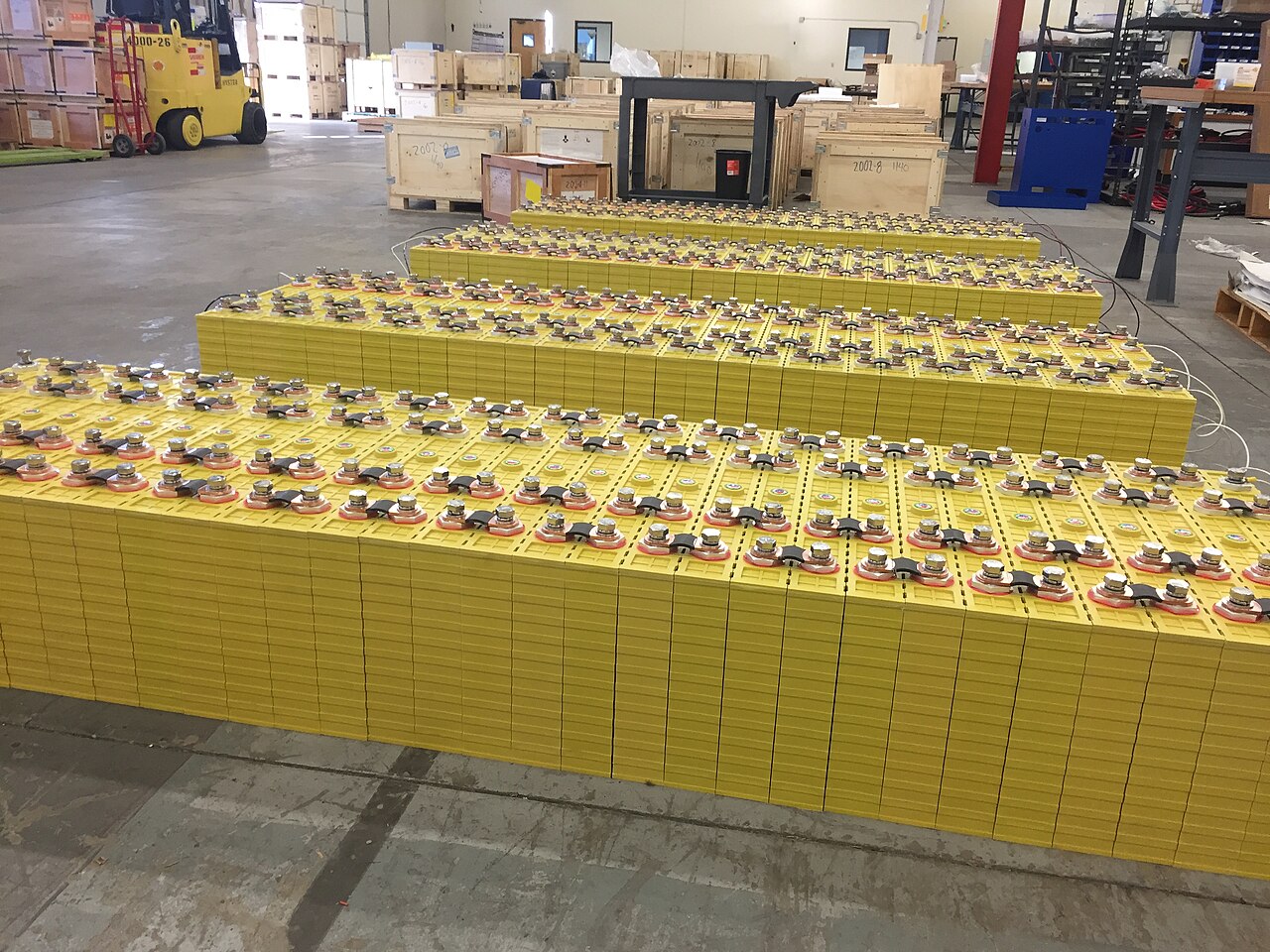
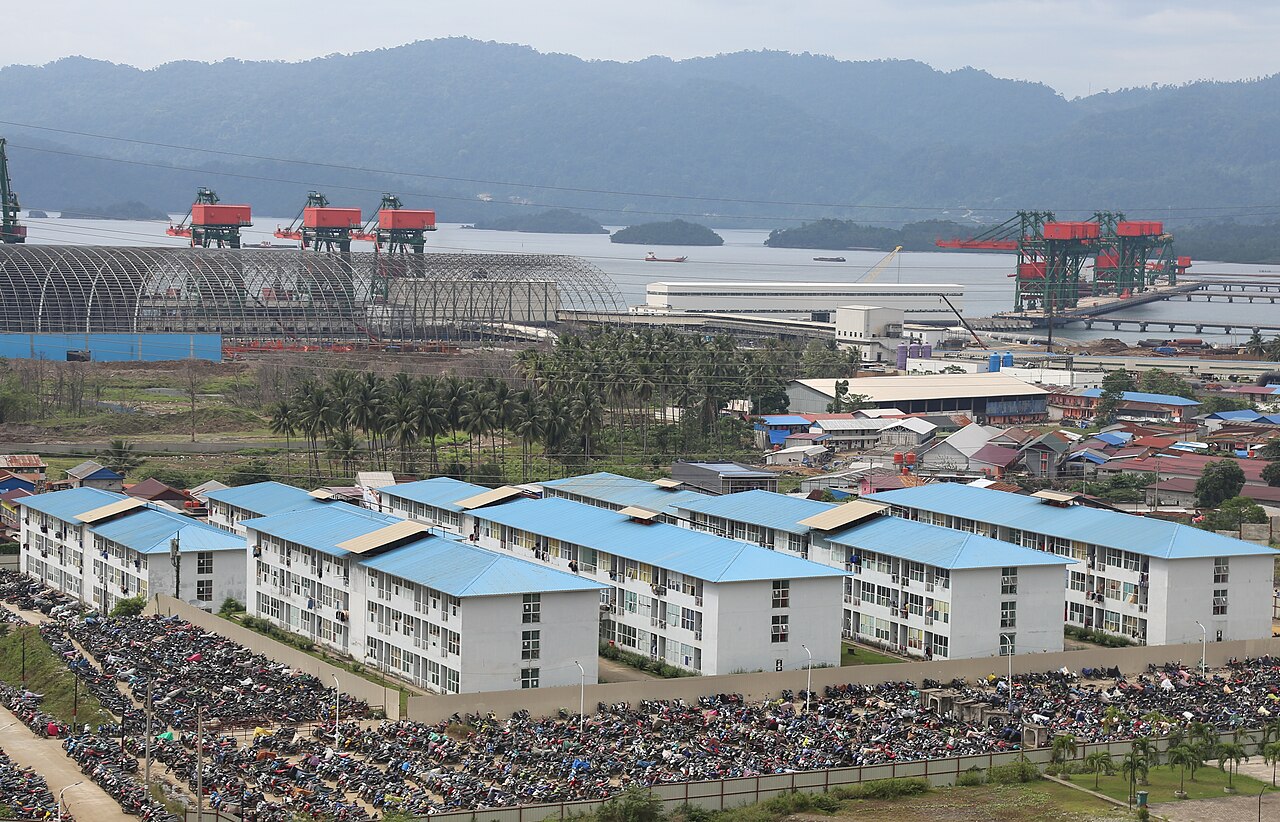
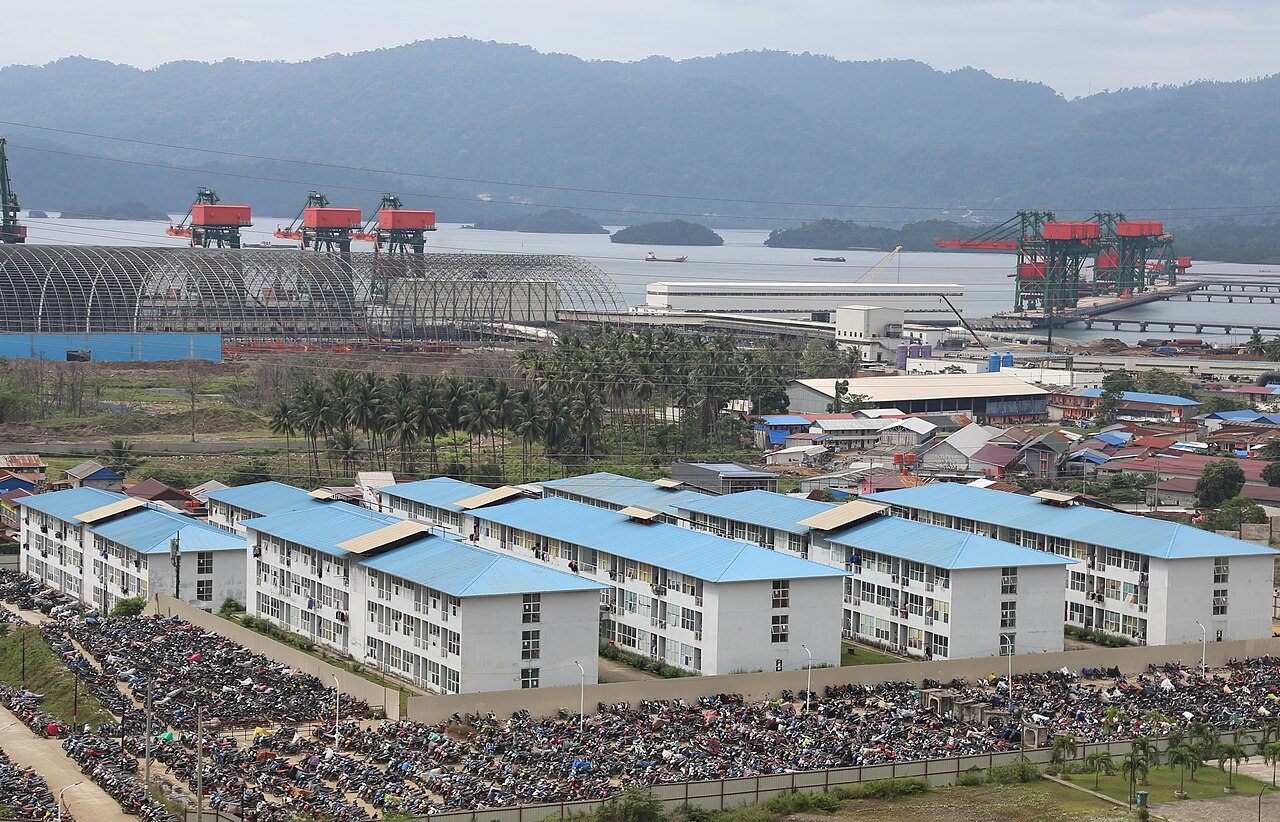
    According to Antara and JawaPos, Bahlil said Indonesia was one of the countries that had managed to build an integrated car-battery ecosystem stretching from mining to battery cells. He pointed to three battery facilities: a plant in the Indonesia Weda Bay Industrial Park (IWIP) in Central Halmahera, North Maluku; the Hyundai LG Indonesia (HLI) Green Power cell plant in Karawang, West Java, which has been operating since July 2024; and the joint venture between state miner Antam and China’s CATL, which he said President Prabowo Subianto would inaugurate in Karawang this month. IndoEVs reported last week that Prabowo is expected to open the CATL-IBC plant.

    Antara’s Indonesian service also quoted him as saying that the idea of an integrated battery ecosystem had been doubted when it was first presented in 2020, and that the United States now sources precursor and cathode material from Indonesia.

    Export figures: sources differ

    Bahlil used nickel exports to argue that halting raw ore exports had paid off, but the reports give different numbers. JawaPos, carrying Antara copy, says exports grew from US$3.3 billion in 2017 to US$40 billion in 2025, with US$25.96 billion recorded by the Directorate General of Minerals and Coal up to August 2026. Antara’s Indonesian report and Kumparan put the post-ban level at about US$34 billion, compared with US$3.3 billion in 2017–2019, without naming a year. The gap may reflect different years or definitions; the ministry has not clarified it.

    A rethink on smelters

    The more consequential part of the speech may be the warning about where processing has stalled. Bahlil said most downstream output was still at the intermediate stage, around 50–60% of the full value chain, and described the number of smelters as having “boomed”. Antara reported that the government is weighing whether smelters that produce only semi-finished goods should still be built, or should face further regulation.

    “What we need to push is the end product, so that semi-finished raw materials are not all exported abroad.” – Bahlil Lahadalia, quoted by Antara (translated from Indonesian)

    Tri Winarno, director general of minerals and coal, said the next phase should cover intermediate materials and components, including for the battery industry. Bahlil also stressed, as reported by Media Nikel Indonesia, that downstreaming must be “equitable”, with benefits reaching communities around mining areas, not only higher commodity value and state revenue.

    The review builds on the option of a moratorium on new semi-finished nickel smelters that Bahlil raised in October, and comes as some Chinese nickel producers weigh output cuts.

    What it means for buyers

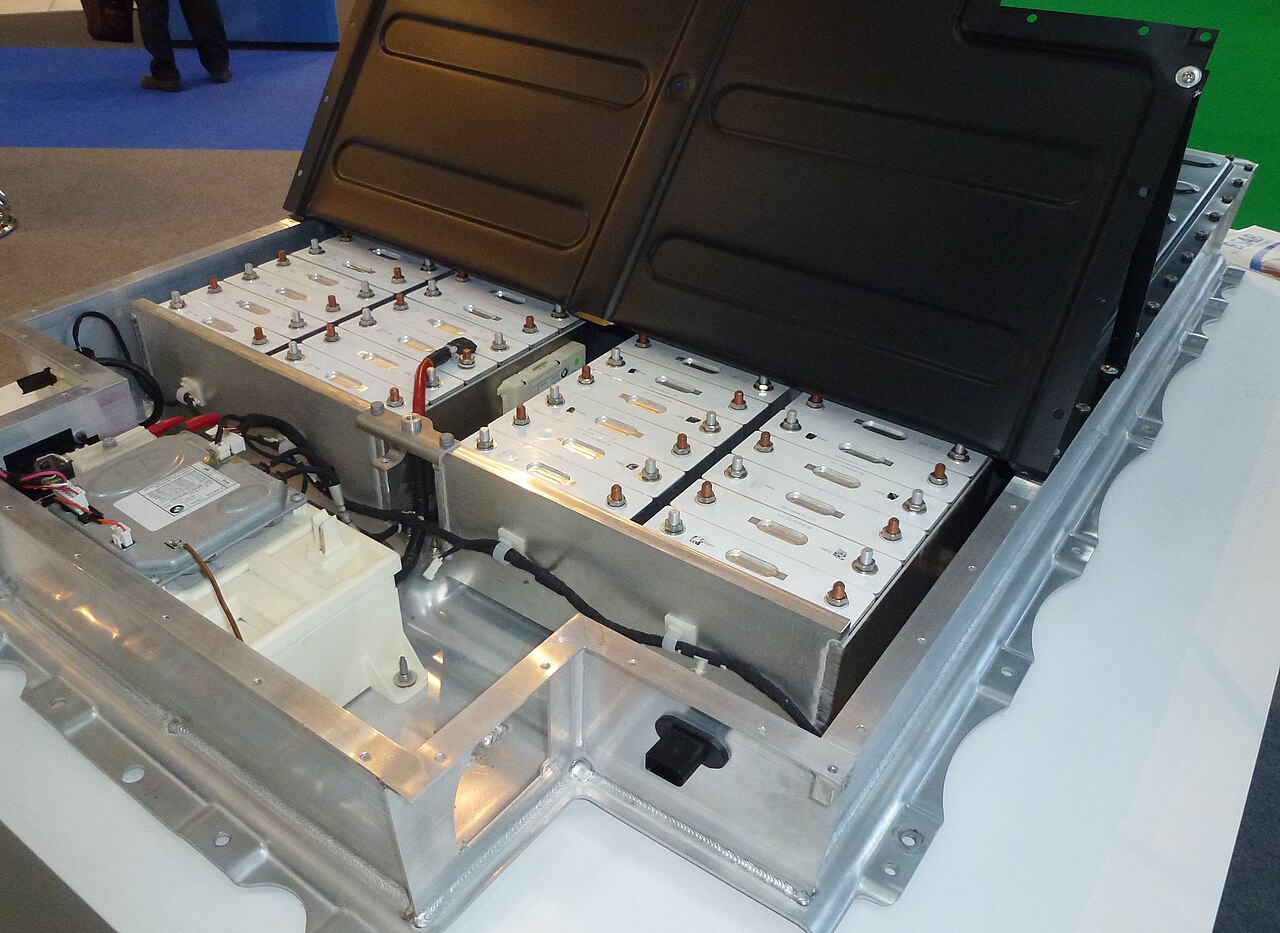
    For drivers, a mine-to-cell chain matters mainly through local content rules. With the TKDN threshold for battery EVs set to rise to 60% next year, carmakers that can buy locally made cells, such as those from HLI or the CATL joint venture, should find it easier to qualify for incentives and keep prices competitive. Whether incentives should favour nickel-based cells over nickel-free LFP (lithium iron phosphate) batteries remains a point of debate. The environmental footprint of the nickel parks, many of which run on captive coal power, is another open question. Hyundai, whose cell plant Bahlil cited, is listed in our EV directory.

    Sources: Antara (English); Antara (Indonesian); Kumparan; JawaPos; Media Nikel Indonesia.
  • EVs must hit 60% local content with locally built battery packs from 2027

    EVs must hit 60% local content with locally built battery packs from 2027

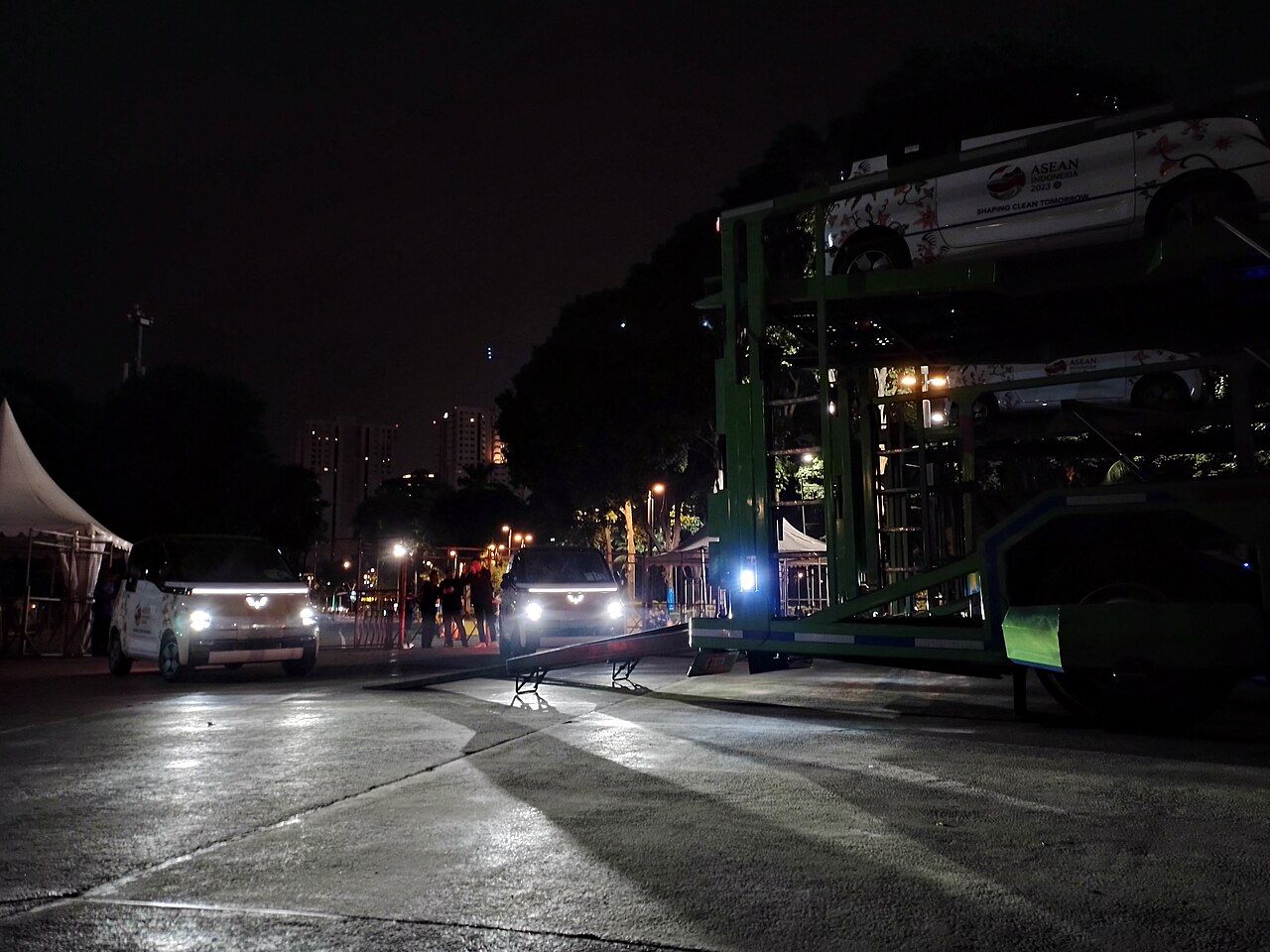
    Top image: Photo: RasyaAbhirama13, CC BY-SA 4.0, via Wikimedia Commons

    Electric cars sold in Indonesia will need at least 60% local content from next year, and their battery packs will have to be assembled in the country, according to Septian Hario Seto, executive secretary of the National Economic Council (DEN). Speaking at the Minerba Convention & Exhibition 2026 at JIExpo in Jakarta on Tuesday, Seto said the bar would rise again later in the decade to a level that forces carmakers to source battery cells locally, CNBC Indonesia reported.

    The comments are the clearest signal yet that the government intends to stick to the higher local-content threshold (TKDN) for battery electric vehicles in 2027, after weeks of debate over incentives, hybrids and nickel-based batteries.

    From 40% to 60%, then 80%

    Under the current rules, a battery EV needs at least 40% local content to qualify for Indonesia’s EV programme. Seto said that figure would step up to 60% next year, together with an obligation to turn imported or local cells into finished battery packs on Indonesian soil.

    He added that the requirement would reach 80% by 2029 – a date he gave with the caveat “if I’m not mistaken”. At that level, the battery cell itself must be produced domestically. “At 80%, the battery cells have to be made in Indonesia,” he said (translated from Indonesian).

    The timetable he described differs slightly from the one presented by the Ministry of Industry. In a September hearing with House Commission VII, cited in the same CNBC Indonesia report, Setia Diarta, director general of metal, machinery, transport equipment and electronics industries (ILMATE), set out a minimum of 40% until 2026, 60% for 2027–2029 and at least 80% from 2030. He said the industry would have to start making battery packs and modules locally so that finished batteries no longer need to be imported, and described the cell as the component that matters most for the TKDN score.

    Industry Minister Muhammad Sarmuji struck a confident note last week. Manufacturers that produce in Indonesia and use domestic components should be able to meet 60% by 2027, he said, according to Antara, adding that the government would push for technology transfer and monitor compliance.

    Why the government wants it

    Seto framed the TKDN path as a way to give investors predictable rules, arguing that Indonesia should avoid the kind of regulatory instability Thailand has experienced. He put national electric car sales last year at about 100,000 units, which he said places Indonesia among the world’s 20 largest EV markets.

    The battery requirement is also tied to Indonesia’s nickel strategy. Setia said downstream processing had already reached nickel sulphate and cobalt sulphate, and that the focus from 2026 to 2030 would shift to cathode and anode materials. Cell production capacity is starting to arrive: President Prabowo is due to open the CATL-IBC battery plant in Karawang, which would give carmakers a local source of cells.

    For brands already assembling locally, the step looks manageable. BYD has said its Subang-built cars already exceed 40% and that it is targeting 60% for 2027, while the ministry has suggested that even models that started life as imports could reach 60% with local batteries. The harder test will be the later move to locally made cells.

    Incentives still unresolved

    The local-content rules arrive while the industry is still waiting for clarity on incentives. Harry Yanto, vice president of operations at Kia Sales Indonesia, told reporters on 28 October that he expects the battery EV market to be flat in 2027 if no new support is introduced, CNN Indonesia reported. “Without attention from the government on this subsidy, prices will certainly be higher,” he said (translated from Indonesian). Kia is widening its line-up with hybrids and possibly plug-in hybrids in response.

    Several new incentive schemes have been discussed this year, including the proposal for bigger incentives for nickel-battery cars, but none had been implemented at the time of CNN Indonesia’s report.

    What it means for buyers

    • More locally assembled models: brands that want to stay in the EV programme will need local battery-pack lines, which favours makers with Indonesian plants such as BYD and Wuling.
    • Possible price pressure: localisation costs money up front, and with incentives still undecided, some brands warn prices could rise. Check our EV directory for current models and prices.
    • Longer term: local battery packs and, later, cells could make servicing and battery replacement easier to arrange in Indonesia.

    Official regulations setting out the 2027 threshold, including the exact start date and transition rules, had not been published at the time of writing.

    Update (5 November 2026): Hyundai says its Indonesian-built Neira seven-seater will clear the new threshold. Read our follow-up.

    Update (6 November 2026): Wuling now says five of its Indonesian-built EVs hold a 60% rating, while economists at INDEF warn the rule must build real suppliers rather than paperwork. Read the follow-up.

    Explainer: new to local-content rules? Read our guide, TKDN explained: what Indonesia’s EV local-content rules mean for buyers.

    Sources: CNBC Indonesia (3 Nov 2026); Antara News (29 Oct 2026); CNN Indonesia (30 Oct 2026)

  • Periklindo pushes back on bigger EV incentives for nickel-battery cars

    Periklindo pushes back on bigger EV incentives for nickel-battery cars

    Top image: Photo: Yo-Co-Man, CC BY-SA 4.0, via Wikimedia Commons

    The Indonesian Electric Vehicle Industry Association (Periklindo) has asked the government to rethink a plan to give bigger purchase incentives to electric cars that use nickel-based batteries, arguing that cheaper chemistries such as lithium iron phosphate (LFP) have caught up and that tying support to one material could make EVs less affordable.

    The comments came at a Periklindo press conference in Jakarta on Friday, 23 October, Republika reported, as the government works to finalise its long-delayed incentive package for battery electric vehicles (BEVs). It follows the association’s call earlier in the week for incentives to be extended to electric buses and trucks.

    What the government has proposed

    Finance Minister Purbaya Yudhi Sadewa set out the basic idea in May: value-added tax on electric cars would be partly or fully borne by the state (PPN DTP), at 100 per cent for cars with nickel manganese cobalt (NMC) batteries and 40 per cent for cars with non-nickel batteries such as LFP, according to InvestorTrust and DDTCNews. The package was meant to start in mid-2026 but was postponed; in June, Coordinating Minister for Economic Affairs Airlangga Hartarto said the scheme was still being reviewed.

    Energy and Mineral Resources Minister Bahlil Lahadalia has defended the nickel tilt. In August he said LFP was not a government priority because Indonesia lacks its key raw materials, and argued that nickel batteries perform better on long journeys, Metro TV reported. Antara said on 23 October that a larger incentive for nickel-based EVs, aimed at using domestic minerals and building the national battery industry, remains one of the options under consideration.

    Periklindo’s objections

    Periklindo chairman Moeldoko said Indonesia’s large nickel reserves should not dictate which battery technology carmakers use.

    “Does the material have to be nickel? In my view it cannot be forced like that.” – Moeldoko, quoted by Antara and Republika (translated from Indonesian)

    The association’s deputy chairman for development and research, Prabowo Kartoleksono, said LFP batteries now offer energy density comparable to NMC at a price about 30 per cent lower, Antara reported. He warned that reserving the larger incentive for nickel batteries could limit manufacturers’ freedom to pick the technology that suits the market, which matters most for price-sensitive products such as electric motorbikes.

    He also pointed to a link with local-content rules: according to Otodream and Antara, he said that earning TKDN (local content) credit currently requires using nickel batteries, which he described as very expensive. That ties the debate to the ministry’s plan for a 60 per cent local-content requirement from 2027 and its view that local batteries could lift imported EVs’ local content.

    Prabowo Kartoleksono did see a nickel opportunity elsewhere. He said solid-state batteries can use nickel, and suggested Indonesia should consider entering that technology while it is still new. He also mentioned sodium-ion batteries as another alternative under development.

    Uncertainty is the bigger worry

    Beyond the nickel question, Periklindo asked for incentive policy that is clear, consistent and transparent. Republika reported the association’s concern that repeated delays encourage buyers to hold off while they wait for announcements, which makes production planning harder. The separate electric-motorbike subsidy is also still being finalised, after earlier plans pointed to a start no earlier than September 2026.

    What it means for buyers

    No final scheme has been published, so current prices still reflect the existing tax rules set out in our 2026 EV tax guide. If the 100/40 split proposed in May is adopted, the battery chemistry of a car would affect how much VAT relief it gets, so buyers comparing models should check whether a car uses an NMC or LFP pack. Anyone planning to buy soon faces the same dilemma Periklindo describes: waiting could bring a bigger discount, but there is still no confirmed date or final design.

    Sources: Antara (Indonesian), 23 Oct 2026; Republika (Indonesian), 24 Oct 2026; Otodream (Indonesian), 25 Oct 2026; DDTCNews (Indonesian), 23 Jun 2026; InvestorTrust (Indonesian), 2 Jun 2026; Metro TV (Indonesian), 4 Aug 2026.

  • Chinese nickel producers in Indonesia weigh output cuts, including battery MHP

    Chinese nickel producers in Indonesia weigh output cuts, including battery MHP

    Top image: Photo: Ministry of Public Works of Indonesia, Public domain, via Wikimedia Commons

    Chinese nickel producers operating in Indonesia are discussing coordinated output cuts, including at plants that make a key feedstock for electric-vehicle batteries, after a slide in nickel prices squeezed their margins.

    Executives from companies including Tsingshan Group, Huayou Cobalt, CNGR Advanced Material, Lygend Resources and GEM met on Tuesday, 20 October, to discuss curbs, Reuters reported, following an earlier report by Bloomberg. No decision had been taken on the size or length of any cut. Reuters cited three sources as saying the firms were weighing halving output of mixed hydroxide precipitate (MHP), an intermediate product used to make battery chemicals, and four sources as saying a 20 per cent cut to nickel pig iron (NPI), used mainly in stainless steel, was under consideration.

    Australian-listed Nickel Industries, which holds a 10 per cent stake alongside Huayou in the Huayue nickel-cobalt project at the Indonesia Morowali Industrial Park (IMIP) in Central Sulawesi, said cuts were coming. Managing director Justin Werner told an earnings call there would be “coordinated cuts across all of the operations within the IMIP”, without giving a percentage, and said producers without integrated operations would be hit hardest. The company has already reduced its own Indonesian NPI output to 75 per cent of capacity this month, according to Reuters.

    Prices, costs and quotas

    Nickel had fallen nearly 25 per cent from its 2026 peak of about US$20,000 a tonne to US$15,070 last week, its lowest level since December 2025, Reuters said. Talk of cuts has since lifted prices: The Edge Malaysia reported that nickel rose for a fourth straight day on 21 October to above US$16,000 a tonne on the London Metal Exchange, and Reuters said LME nickel gained 3.7 per cent that day. An earlier attempt to agree cuts, in August, failed, The Edge noted.

    Producers are also dealing with sulphur shortages, which push up the cost of making MHP, and with tighter ore-mining quotas set by the Indonesian government. Jakarta has separately been weighing a halt to new semi-finished nickel smelters because of oversupply.

    Indonesia produced about two-thirds of the world’s mined nickel in 2025, according to US Geological Survey figures cited by Reuters, so decisions taken at Morowali ripple through global supply chains for both steel and batteries.

    What it means for Indonesia’s EV ambitions

    MHP links Indonesia’s nickel mines to its battery ambitions: it feeds the precursor and cathode materials used in nickel-based lithium-ion cells. A deep MHP cut would tighten supply for battery-chemical makers, though it could also support prices that have been under pressure. Indonesia only recently shipped its first EV batteries from the Weda Bay nickel hub, and the industry’s reliance on captive coal power has also drawn scrutiny.

    For car and motorbike buyers in Indonesia, there is no direct effect on showroom prices in the short term, and many lower-priced EVs use lithium iron phosphate (LFP) batteries that contain no nickel. The cuts matter more for the longer-term case that Indonesia can turn its nickel reserves into a domestic battery and EV industry, which underpins the government’s local-content rules and incentives.

    Sources: Reuters via MINING.COM; The Edge Malaysia; Bloomberg.

  • Imported EVs could hit 60% local content with local batteries, ministry says

    Imported EVs could hit 60% local content with local batteries, ministry says

    Top image: Photo: RudolfSimon, CC BY-SA 3.0, via Wikimedia Commons

    Electric car brands that do not build vehicles in Indonesia could still meet the country’s 60% local-content requirement from 2027, provided they use batteries made in Indonesia, the Ministry of Industry (Kemenperin) said on Tuesday 13 October.

    The comments, reported by Suara.com from the ministry’s offices in Jakarta, add a new wrinkle to the tightening TKDN (domestic component level) rules that we covered when the ministry reaffirmed the 60% threshold at the start of the month.

    What the ministry said

    Setia Diarta, director general of metal, machinery, transport equipment and electronics industries (ILMATE) at Kemenperin, said the ministry’s own simulations showed the 60% level was reachable whether or not a brand operates an assembly plant in Indonesia. “So whether you have a factory or not, it is actually possible,” he said (translated from Indonesian).

    He pointed to an unnamed brand that still assembles its cars overseas but already fits Indonesian-made batteries, saying that approach could help it catch up with the local-content target. Suara’s report does not explain how a vehicle assembled abroad would be scored under the TKDN system, and the ministry did not name the brand.

    The timetable

    The requirements come from Presidential Regulation (Perpres) No. 79 of 2023, which revised Perpres No. 55 of 2019 on accelerating battery-electric vehicles. Under it, the minimum local content for battery-electric cars is:

    • 40% for 2022–2026
    • 60% for 2027–2029
    • 80% from 2030

    Patia J. Monangdo, who leads the ministry’s battery-electric vehicle industry working team, said the average TKDN of electric cars in Indonesia is currently around 45–47%, with the best-performing product at 80%. More than 100 electric vehicle products now hold TKDN certificates, he said. On those averages, many models would need to add well over ten percentage points of local content within roughly 15 months (our estimate, based on the ministry’s figures).

    Why batteries matter so much

    The battery is the single most expensive part of an electric car, so localising it moves the TKDN score more than almost any other component. At a separate industry discussion, the same ministry team said batteries were the “crucial topic” for the next stage, Katadata reported. According to Katadata’s account, local battery packaging adds around 10% to a vehicle’s score, locally made housings and wiring harnesses around 20%, and a domestically produced battery management system around 30%, with local cell production also seen as important.

    Not every carmaker is ready. Toyota’s Indonesian manufacturing arm TMMIN, which began building the bZ4X locally in late 2025, said at the end of September that it was still studying whether it could meet the 2027 target, Katadata reported.

    The push lines up with the government’s battery ambitions. Indonesia shipped its first export of EV batteries from the Weda Bay industrial park in North Maluku on 8 October, and officials want more of that output to end up in cars sold at home.

    What it means for buyers

    TKDN is not just an industrial target: it decides which cars qualify for tax breaks. The 40% threshold has been the gateway to government incentives such as VAT relief, according to the ministry, so models that miss the higher bar from 2027 risk losing that support and becoming more expensive. If imported models can qualify through local batteries, buyers could see a wider choice of incentive-eligible cars. Until the ministry publishes how such vehicles would be assessed, though, shoppers should check a model’s current TKDN status before counting on a discount. Our guide to EV tax incentives explains how the current schemes work.

    Update: BYD says its Subang-built models already exceed 40% local content and that it expects to meet the 60% rule in 2027. Read our follow-up.

    Update (3 November 2026): The National Economic Council has since said the 60% requirement will apply from 2027 together with locally assembled battery packs. Read our follow-up.

    Explainer: new to local-content rules? Read our guide, TKDN explained: what Indonesia’s EV local-content rules mean for buyers.

    Sources: Suara.com (13 Oct 2026); Katadata (30 Sep 2026); GridOto (23 Nov 2025); Antara (8 Oct 2026).

  • Indonesia ships first EV batteries from Weda Bay nickel hub

    Indonesia ships first EV batteries from Weda Bay nickel hub

    Top image: Photo: Muhammad ECTOR Prasetyo from Pamiers, Toulouse, France, CC BY 2.0, via Wikimedia Commons

    President Prabowo Subianto on Thursday, 8 October, launched what the government called Indonesia’s first export of electric vehicle batteries. The shipment came from the Indonesia Weda Bay Industrial Park (IWIP) in Central Halmahera, North Maluku, a nickel processing hub. He launched it at a virtual ceremony, together with a package of industrial projects that officials valued at about Rp180 trillion (US$10.2 billion), Antara reported.

    “This is concrete proof that our downstreaming policy is on the right track,” Prabowo said, as quoted by Antara.

    Four projects go commercial, seven break ground

    Four projects at the park entered commercial operation. According to Bisnis.com, they are:

    • PT REPT Battero Indonesia, the battery exporter, which makes nickel manganese cobalt (NMC) and lithium iron phosphate (LFP) batteries;
    • PT Blue Sparking Energy, which exports mixed hydroxide precipitate (MHP), an intermediate nickel product used in battery supply chains;
    • PT Pioneer Aluminium Industries, which makes aluminium products;
    • PT XCMG Indonesia Manufacturing, which makes heavy equipment.

    Construction began on seven more projects, including nickel-cobalt, battery materials, aluminium and solar glass plants, and a vehicle plant listed as Guangqing Motor Indonesia. OtoDream reported that the four commercial projects represent about US$3.4 billion of investment and the seven new ones about US$6.8 billion. The government expects them to create more than 10,000 jobs. Investment minister Rosan Roeslani, who also heads the Danantara sovereign fund, said the projects cover battery materials, battery separators and electrolytes, aluminium, electric mining and industrial trucks, and photovoltaic glass.

    What was actually shipped is not yet clear

    None of the reports we reviewed gave the destination, volume or value of the first battery shipment. Accounts also differ on what was exported. Bisnis.com describes REPT Battero’s product as NMC and LFP batteries. detikFinance calls them battery raw materials, which could mean components rather than finished cells. The two outlets also describe Pioneer Aluminium’s product differently, as electrolytic aluminium (Bisnis.com) or aluminium electrolytic capacitors (detikFinance).

    REPT Battero is a Chinese battery maker. In January 2025 it announced plans for an 8 GWh cell factory in Indonesia aimed mainly at stationary energy storage. In May this year it said it expected Indonesian local-content (TKDN) and national standard (SNI) certification and had signed deals with makers of passenger and commercial EVs, ESS News reported. So it is possible that some of the first exports were energy-storage batteries rather than packs for cars or motorbikes.

    Why it matters

    The government’s downstreaming policy aims to process nickel at home into higher-value products rather than shipping raw ore, and battery exports are the step it has long promised. The Weda Bay launch follows phased operations at the CATL–IBC battery plant in Karawang. Our guide to Indonesia’s battery industry explains how the pieces fit together.

    What it means for buyers: do not expect any immediate effect on showroom prices. In the longer term, more cells and battery materials made in Indonesia would make it easier for carmakers to meet the 60% local-content requirement from 2027, which decides whether EVs qualify for tax incentives. Whether batteries made at Weda Bay end up in cars sold in Indonesia, or mainly go abroad, is a question to watch.

    Follow-up: Experts have since raised questions about the coal-heavy power supply behind the Weda Bay and Morowali parks. Read Nickel parks’ 15.9 GW power base, mostly coal, raises EV battery questions.

    Related: Imported EVs could hit 60% local content with local batteries, ministry says

    Update, 14 October 2026: the government is now weighing a moratorium on new smelters that make semi-finished nickel. Read more: Indonesia weighs halt to new semi-finished nickel smelters amid glut.

    Sources: Antara; Bisnis.com; detikFinance; OtoDream; Energy-Storage.news; ESS News.

  • Ministry floats dedicated EV ships as ferry operators set charging rules

    Ministry floats dedicated EV ships as ferry operators set charging rules

    Top image: Photo: CEphoto, Uwe Aranas, CC BY-SA 3.0, via Wikimedia Commons

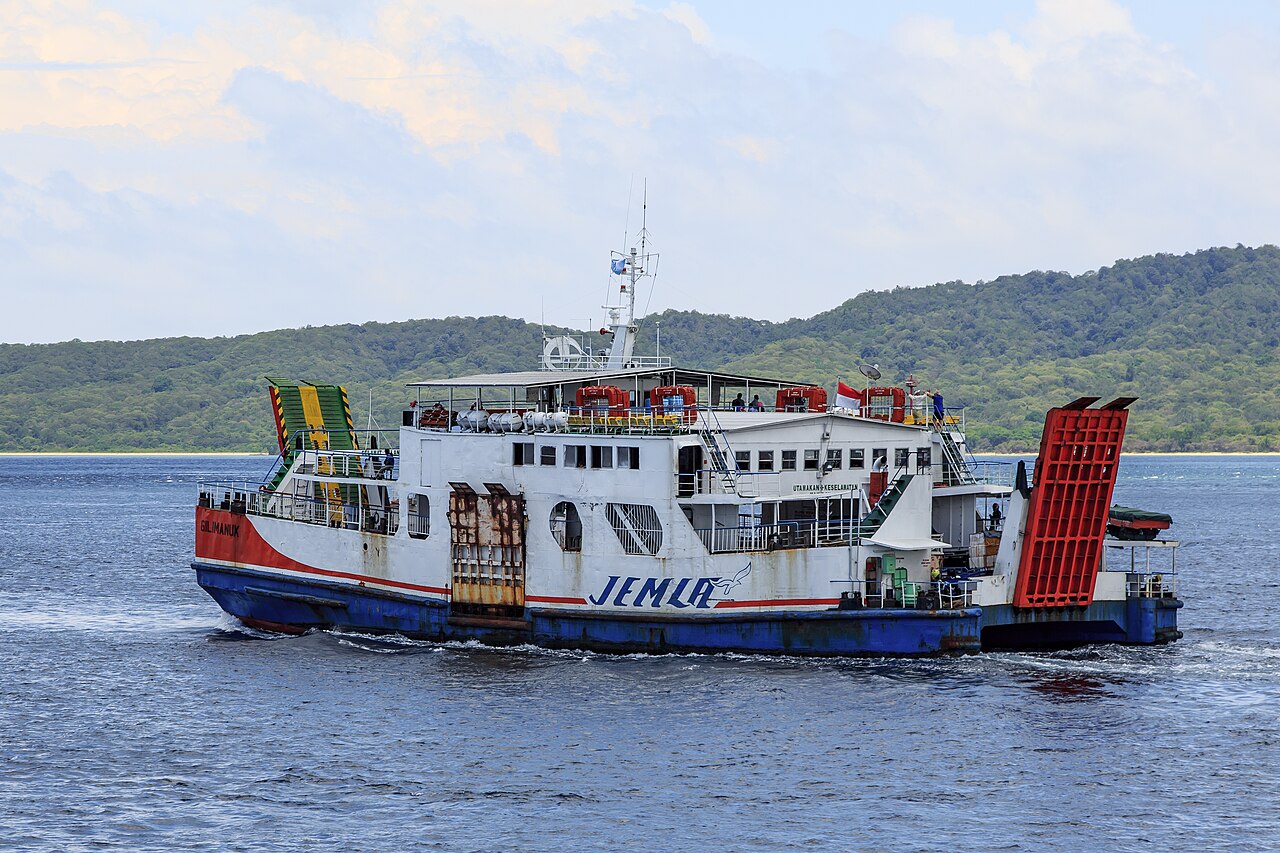
    Indonesia’s Ministry of Transportation (Kemenhub) has opened the door to ships built or set aside specifically for carrying electric vehicles, a week after the EV industry complained that owners and manufacturers were being turned away from ferries. At the same time, the national ferry operators’ association has spelled out the conditions its members now apply when an EV rolls up to the ramp.

    The comments were made on Friday 2 October at a press workshop in Bandung, West Java, and reported by CNBC Indonesia and CNN Indonesia. They follow the dispute we covered last week, when EV owners reported ferry refusals and the ministry restated its battery safety rules.

    Ministry: EVs are allowed, and dedicated ships may follow

    Lollan Andi Sutomo Panjaitan, acting director general of sea transportation at Kemenhub, repeated that electric vehicles may travel by sea as long as the safety conditions are met. On board, he said, they will be placed in designated areas that are watched more closely than the rest of the vehicle deck.

    Looking further ahead, he floated the idea of separate tonnage for EVs. “Ideally, in time there could also be dedicated ships specifically for electric cars,” he said, according to CNBC Indonesia (translated from Indonesian). No timetable, budget or operator was attached to the idea, so for now it is an option rather than a plan.

    What ferry operators now ask of EV owners

    Khoiri Soetomo, chairman of Gapasdap, the association of river, lake and ferry operators, set out the procedures its members are using, as reported by both outlets:

    • Arrive early. EV drivers are asked to check in ahead of other traffic so the crew can choose where to park the vehicle.
    • Ventilated placement. EVs go in areas with good air circulation and blowers, where they can be monitored during the crossing.
    • Do not board fully charged. Soetomo said batteries should not be at 100%.
    • A last-resort fire plan. Vehicles are positioned so that, if a battery fire cannot be brought under control, the car can be pushed into the sea.

    CNBC Indonesia also reported that Gapasdap and the state classification society, Biro Klasifikasi Indonesia (BKI), are drawing up certification standards for vessels that carry EVs, reflecting the fact that lithium-ion battery fires behave differently from petrol fires and need different equipment.

    Which battery limit applies?

    There is a gap between the operators’ wording and the ministry’s written rule. The governing document is still Kemenhub circular SE-DJPL 12 of 2024, issued on 4 April 2024, which CNN Indonesia said covers hybrids, plug-in hybrids, battery EVs and hydrogen fuel-cell vehicles. In September, CNBC Indonesia reported that the ministry’s guidance caps the charge at 50% and requires EVs to be parked on an open deck. “Not 100%”, as quoted from Gapasdap this week, is a looser description. Until the two are aligned, owners are safest working to the stricter 50% figure.

    Why the industry pushed

    The issue was escalated by Moeldoko, chairman of the EV industry association Periklindo, who told parliament’s Commission VII on 21 September that refusals were holding back distribution of electric motorbikes, cars and trucks between islands, CNBC Indonesia reported. Large brands such as BYD can operate their own car carriers, he noted, but smaller assemblers and dealers depend on scheduled ferries and cargo services. Separate EV vessels would ease that bottleneck, but would also add a new layer of cost and scheduling that the sector has not yet had to price in.

    What it means for buyers

    If you plan to take an electric car or motorbike between Java, Sumatra, Bali or other islands, expect extra checks rather than a ban. Charge to no more than 50% before you leave, allow time to arrive early, and be ready to be directed to an open or specially ventilated part of the deck. Plan a charging stop near the arrival port: our guide to SPKLU and home charging explains how to find one. Buyers outside Java may also see longer delivery times from smaller brands while shipping arrangements settle down, so check with the dealer before paying a deposit. You can compare which brands sell in Indonesia in our EV directory.

    Related: Revised traffic law to classify vehicles by power source and cover self-driving

    Sources: CNBC Indonesia, 2 Oct 2026; CNN Indonesia, 3 Oct 2026; CNBC Indonesia, 11 Sept 2026; CNBC Indonesia, 21 Sept 2026.

  • EV owners face ferry refusals as Indonesia restates battery safety rules

    EV owners face ferry refusals as Indonesia restates battery safety rules

    Top image: Photo: CEphoto, Uwe Aranas, CC BY-SA 3.0, via Wikimedia Commons

    Update, 4 October 2026: Kemenhub has since floated the idea of dedicated ships for EVs, and ferry operators have set out their boarding conditions. Read our follow-up.

    Electric vehicles are not banned from Indonesia’s ferries, but a growing number of owners and manufacturers are finding them turned away at the ramp. This week the dispute reached the national stage, with the EV industry complaining about refusals, ferry operators defending their caution and the Ministry of Transportation (Kemenhub) restating the safety rules that already allow EVs on board.

    Industry complains of refusals

    The issue was pushed into the spotlight by Moeldoko, chairman of the EV industry association Periklindo, who said industry players had been rejected by ship operators when trying to move electric motorbikes, trucks and passenger cars by sea, OtoDream reported. He called for standard safety procedures, pointing out that lithium-ion battery fires cannot be tackled with conventional firefighting methods. The report noted that large makers such as BYD can use their own car-carrier ships, while smaller brands depend on scheduled ferries and cargo services.

    What the ministry says

    Kemenhub’s position is that there is no prohibition. Samsuddin, the ministry’s director of shipping and maritime affairs, acknowledged that some operators were still reluctant to carry EVs, but said this was because certain safety conditions were not being met, according to OtoDream. The rules sit in circular SE-DJPL 12/2024, issued on 4 April 2024, which the ministry has now reissued to clear up misunderstandings between operators and passengers.

    Under the circular, as summarised in that report:

    • the battery should be charged to no more than 50%;
    • EVs should be parked on an open deck, not on enclosed lower car decks;
    • the ship needs open space to deal with an emergency; and
    • operators must carry fire-fighting equipment suited to EV battery fires.

    Operators: safety first, and deck space costs money

    Ferry operators’ association GAPASDAP says it wants to carry EVs but will not compromise on safety. Its chairman, Khoiri Soetomo, cited the risk of thermal runaway, in which a battery overheats, resists extinguishing and can reignite, and said many ro-ro ferries lack fire blankets, trained crews and suitable space in their closed car decks, detikJatim reported. GAPASDAP wants Kemenhub and the classification society BKI to set technical standards for where EVs go on board, early-detection procedures, battery manifests and a clear split of responsibility between carmakers, ports and shipping firms.

    On the busy Ketapang–Gilimanuk crossing between Java and Bali, state ferry company ASDP said it cannot refuse EVs without a legal basis. “We follow the policy from the centre,” said Media Syahrianto Heriawan, general manager of ASDP’s Ketapang branch (translated from Indonesian), in a separate detikJatim report. That report described the conditions as a 30–50% battery charge and parking on an open weather deck or a well-ventilated area near the ramp doors, covering battery-electric cars, hybrids, plug-in hybrids and fuel-cell vehicles. It also cited a second circular, SE-DRJD 7/2024. The ministry’s own summary gives only a 50% ceiling, so drivers should check the exact requirement with their operator.

    The harbour authority for Tanjung Wangi, headed by Capt. Purgana, flagged a practical snag: reserving open-deck space for EVs that may or may not turn up leaves lanes empty, which costs operators revenue.

    What it means for buyers

    For anyone planning to drive an EV between islands, such as Java to Bali, Sumatra or Lombok, the rules make the trip possible but not guaranteed. Our reading of the reports suggests sensible steps: check with the operator before travelling, arrive with the battery at or below half charge (which may mean planning a charging stop after the crossing, see our charging guide), and expect to be directed to the open deck or asked to wait for a ship that has space. Plug-in hybrid and hybrid owners should note that the rules reportedly cover them too.

    The bigger question is for the industry. If smaller brands struggle to ship vehicles and parts off Java, buyers in other regions could see slower deliveries and thinner after-sales support. A clearer national standard, as both Periklindo and GAPASDAP are requesting, would help. Browse which brands sell where in our EV directory.

    Sources: OtoDream: Moeldoko on ferry refusals (23 Sep 2026); detikJatim: GAPASDAP explanation (24 Sep 2026); OtoDream: Kemenhub responds (25 Sep 2026); detikJatim: ASDP and KSOP Banyuwangi (25 Sep 2026)

  • CATL-IBC battery plant in Karawang starts phased operations

    CATL-IBC battery plant in Karawang starts phased operations

    Top image: Photo: Ministry of Public Works of Indonesia – Kementerian PUPR Republik Indonesia, Public domain, via Wikimedia Commons

    Indonesia’s flagship electric vehicle battery factory, a joint venture between China’s CATL and state-owned Indonesia Battery Corporation (IBC) in Karawang, West Java, has begun operating on a phased basis, government officials said in August. The plant is a key piece of Jakarta’s plan to turn the country’s vast nickel reserves into a domestic battery industry.

    Commissioning under way

    Ahmad Erani Yustika, secretary-general of the Ministry of Energy and Mineral Resources, confirmed the start of operations to Bloomberg Technoz on 21 August:

    “It may still be in stages, but it has started operating.” – Ahmad Erani Yustika, Ministry of Energy and Mineral Resources, to Bloomberg Technoz (translated from Indonesian)

    Bloomberg Technoz reported that commissioning was under way and that the factory had been expected to be formally inaugurated by President Prabowo Subianto before Independence Day on 17 August, although the ceremony was still awaiting a date in the president’s schedule. English-language outlet Investortrust described the start as trial runs and quoted Mr Erani as saying construction was effectively complete.

    Cells, modules and packs

    The plant is run by PT Contemporary Amperex Technology Indonesia Battery (CATIB), a company formed by CATL subsidiary CBL, mining firm Antam and IBC. Speaking to Bisnis.com in June, IBC chief executive Aditya Farhan Arif said CATIB would produce battery cells, modules and complete battery packs, serving both electric vehicles and battery energy storage systems (BESS).

    Initial capacity is 6.9 GWh a year, with plans to expand to 15 GWh – more than double – which Bisnis said was targeted for the following year. Mr Aditya signalled that the pace of expansion would depend on the market:

    “With batteries, a battery factory really has to wait for demand.” – Aditya Farhan Arif, IBC, to Bisnis.com (translated from Indonesian)

    IBC has also said it hopes to export batteries to Europe, kumparan reported in May.

    Part of a larger nickel-to-EV chain

    According to Investortrust, the Karawang plant represents an investment of about US$1.2 billion and forms part of the wider Indonesia Battery Integration Project, valued at US$5.9–6 billion, which aims to link nickel mining and processing with cell production and recycling. The outlet also quoted President Prabowo setting a goal of large-scale commercial production of Indonesian electric passenger cars by 2028.

    Indonesia holds the world’s largest nickel reserves, and nickel-based chemistries such as NMC are central to the government’s industrial strategy. However, many of the most popular EVs now sold in Indonesia use lithium iron phosphate (LFP) batteries, which contain no nickel – one reason why officials are keen to secure a domestic cell supply chain that carmakers will actually use. Whether the Karawang plant’s output ends up in locally assembled cars, energy storage or exports will be closely watched.

    What it means for buyers

    For now, the start of production at Karawang will not change the price of any EV in a showroom. Over time, however, a domestic source of cells and packs should help carmakers meet Indonesia’s rising local-content requirements – 60% from January 2027 – which determine eligibility for tax incentives. Locally made batteries could also make replacement packs and battery servicing easier and cheaper to obtain, a common concern for Indonesian buyers weighing up an EV’s long-term running costs.

    Related on IndoEVs

    Update (27 October 2026): The plant has been producing since July, and the government says President Prabowo will formally open it soon. Read our follow-up.

    Sources: Bloomberg Technoz – Pabrik Baterai CATL & IBC di Karawang Resmi Beroperasi; Bisnis.com – Pabrik Baterai CATL-IBC di Karawang Punya Kapasitas Awal 6,9 GWh per Tahun; Investortrust – CATL-IBC battery plant begins trial runs in West Java; kumparan – Pabrik Baterai Listrik di Karawang Beroperasi Juli 2026, IBC Mau Ekspor ke Eropa