Author: jeremy

  • Green SM launches six-seat VinFast electric taxi service in Jakarta

    Green SM launches six-seat VinFast electric taxi service in Jakarta

    Top image: Photo: Ethan Llamas, CC BY-SA 4.0, via Wikimedia Commons

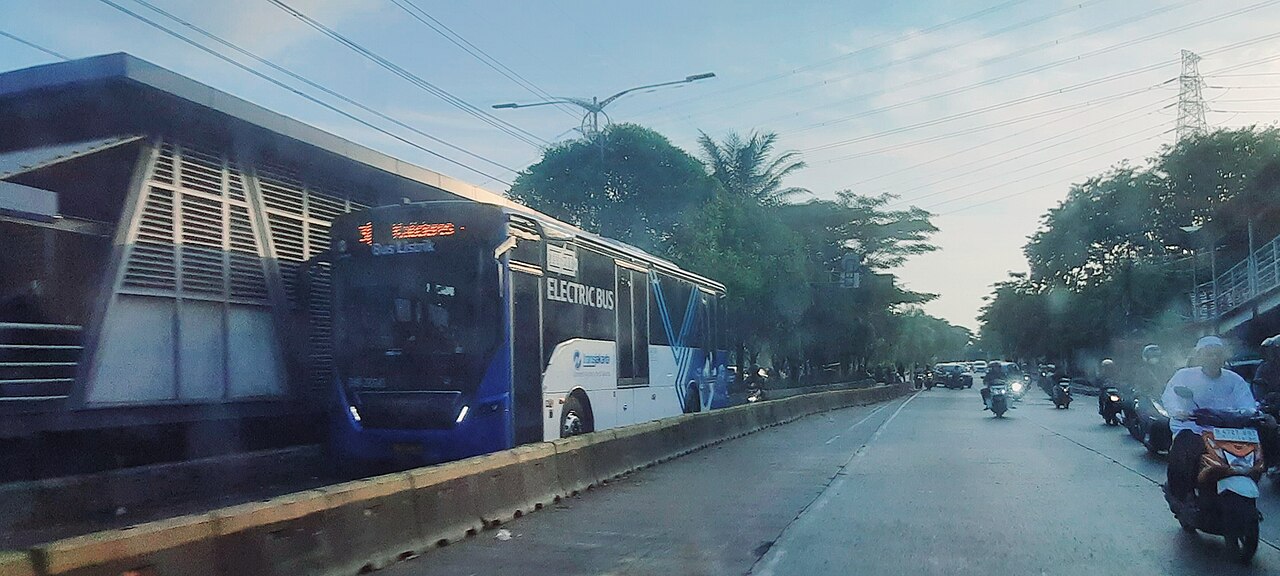
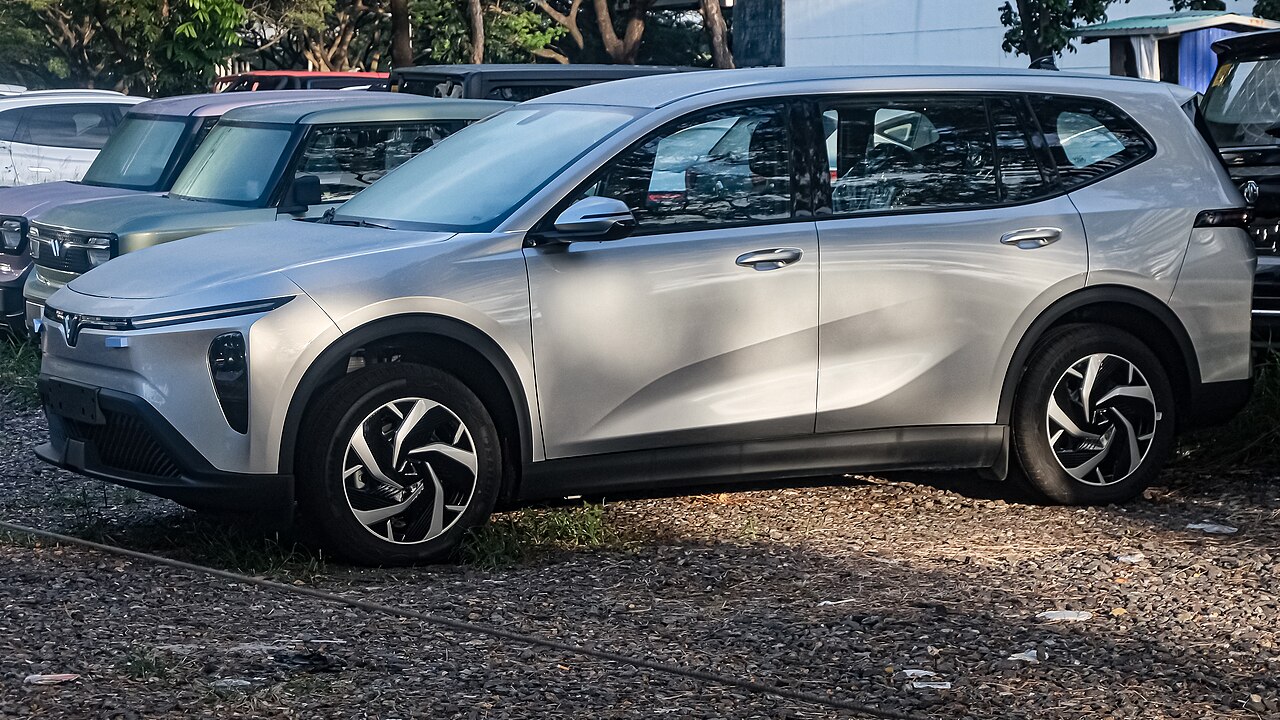
    Green SM, an all-electric ride-hailing platform that runs VinFast cars, has launched a six-seat electric taxi service in Jakarta called Green Limo. The whole fleet uses the VinFast Limo Green, a three-row electric MPV, and the company is handing over its first 500 cars to drivers in the capital between 19 and 29 September 2026.

    Alongside the new service, Green SM has opened a vehicle rental scheme that lets would-be drivers lease a new VinFast and work on its platform. It is a clear attempt to grow its driver base quickly while putting more of VinFast’s locally sold models on Indonesian roads.

    A third car tier for families and groups

    According to the company’s launch announcement, Green Limo is the firm’s third four-wheel service in Indonesia, after Green Car and Green Premium. It is pitched at families, larger groups, business travellers and passengers with plenty of luggage.

    The cars are being delivered from Green SM’s depot in Kemayoran, Central Jakarta, where the handover event also includes test drives and sign-ups for prospective drivers. First-time Green Limo passengers get 20% off a trip, capped at Rp 50,000, from 19 September to 3 October, IDN Times reported.

    Green SM’s global chief executive, Pham Nhat Minh Hoang, said the service “offers a suitable option for journeys where space and comfort are priorities.”

    Renting a VinFast to drive

    The rental programme is the more significant part of the announcement for the wider market. Drivers can start with an initial payment from Rp 2 million, and daily rental fees start at Rp 254,000. The cars on offer are the Limo Green, the VF e34 (also listed as the Nerio Green), the VF 5 (Herio Green) and the VF 6.

    To attract drivers, Green SM says it will guarantee daily earnings of up to Rp 400,000 for the first two months, subject to conditions, and share up to 92% of fare revenue with drivers. It also lists monthly bonuses of Rp 1 million for signing up, Rp 676,000 as a “brand bonus” and up to Rp 1.34 million for operations, plus free charging at VinFast-linked V-Green charging stations. The company claims drivers can earn up to Rp 14 million a month.

    By our own calculation, the maximum guaranteed daily figure is Rp 146,000 more than the lowest daily rental fee, before any bonuses. However, the guarantee is described as “up to” and depends on conditions that the announcement does not spell out, so drivers should read the contract terms carefully.

    The Limo Green in Indonesia

    VinFast launched the Limo Green at the Indonesia International Motor Show in February. detikOto reported that it cost around Rp 380 million with the battery, or around Rp 319 million under VinFast’s battery-rental option. The first 2,000 buyers at the show received a Rp 20 million discount, bringing the on-the-road Jakarta price down to around Rp 299 million. The MPV measures 4,740 mm long, has a 2,840 mm wheelbase and has a claimed range of 450 km. At launch, VinFast said the model was aimed mainly at fleet and taxi operators.

    VinFast began operating its plant in Subang, West Java, in December 2025. It has an initial capacity of 50,000 vehicles a year, according to Gaikindo. VinFast’s Indonesian range now runs from the VF 3 micro-SUV to the VF 7. You can find the full line-up and prices in our VinFast directory entry.

    What it means for passengers and buyers

    • Passengers: Jakarta gains another large electric ride-hailing option. It is a quieter alternative to petrol MPVs for airport runs and group trips, and the introductory discount runs until 3 October.
    • Would-be drivers: the rental route removes the need to buy a car outright, but the headline earnings are maximums. Check what the guarantee conditions are, how long the contract lasts and what happens if you leave the scheme early.
    • Private buyers: big fleet deals like this one help build a service and charging network for VinFast models. That is worth considering if you are cross-shopping a VF 6 or VF 7 against Chinese rivals. Our electric car buying guide and charging explainer cover the basics.

    Sources: Green SM via Media OutReach Newswire / The Manila Times; IDN Times; detikOto; Gaikindo; Kompas Otomotif

  • Indonesia’s EV and Battery Industry: Nickel, Policy and the Road to 2030

    Indonesia’s EV and Battery Industry: Nickel, Policy and the Road to 2030

    Top image: Photo: Government of North Morowali, Indonesia, Public domain, via Wikimedia Commons

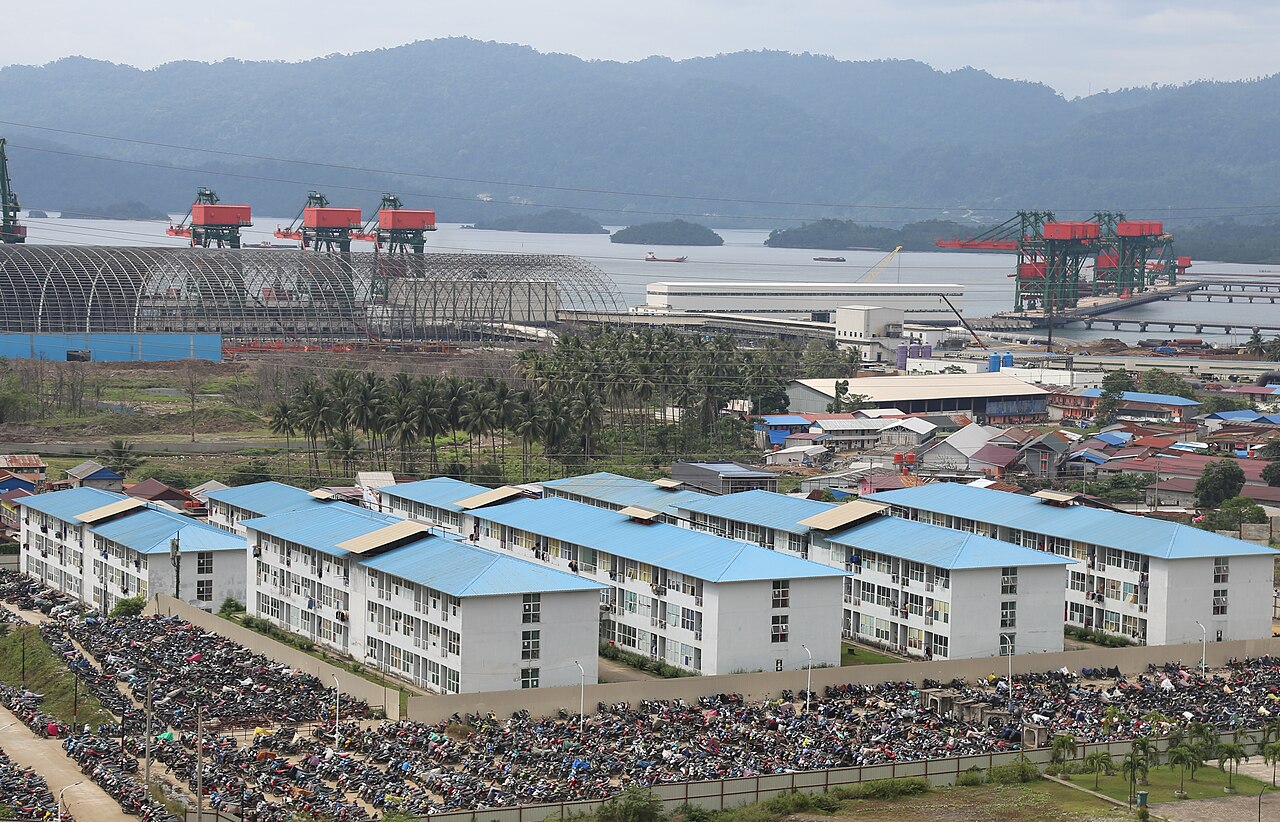
    Indonesia wants to do more than buy electric vehicles. It wants to make them, from the nickel in the ground to the finished battery pack. That goal has shaped policy for more than five years, including export bans, tax incentives and billion-dollar deals with Chinese and Korean partners. This guide explains how the strategy works, who the main players are, what has been built so far, what the government is aiming for by 2030 and where it could go wrong.

    Why nickel matters

    Nickel is a key ingredient in the NMC (nickel-manganese-cobalt) and similar battery chemistries used in many long-range EVs. Indonesia dominates the supply. The US Geological Survey estimates that Indonesia mined about 2.6 million tonnes of nickel in 2025, around two-thirds of the world’s 3.9 million tonnes. It also holds some 62 million tonnes of reserves out of a global total of more than 140 million tonnes.

    Downstreaming: the export ban and what followed

    In 2020 Indonesia reinstated a ban on exporting raw nickel ore. The aim was to force processing to happen at home. A March 2026 policy paper from the London School of Economics’ Centre for Economic Transition Expertise (CETEx) found that the ban brought a wave of mostly foreign investment in smelters. That investment went largely into huge industrial parks such as the Indonesia Morowali Industrial Park (IMIP) in Central Sulawesi and Weda Bay (IWIP) in North Maluku. According to the paper, Indonesia has produced more than half of the world’s nickel since 2023, and its exports have moved from ore towards higher-value products, including the nickel sulphate used in batteries.

    Output has grown so fast that the government is now holding it back. For 2026 the energy ministry cut the approved ore quota (RKAB) to about 260 million tonnes, from 379 million tonnes in 2025, to ease oversupply and support prices, CNBC Indonesia reported. Indonesia also imported about 15.8 million tonnes of ore in 2025, mostly from the Philippines, to keep its smelters supplied.

    Indonesia Battery Corporation and the big projects

    Indonesia Battery Corporation (IBC), or PT Industri Baterai Indonesia, is a state-owned holding company set up to be the government’s partner in battery projects. There are three projects to know about.

    Hyundai–LG: the first cell plant

    HLI Green Power in Karawang, West Java, was opened by President Joko Widodo in July 2024 as Indonesia’s first large EV battery-cell factory (CNBC Indonesia). It was the first 10 GWh of a planned 30 GWh “Indonesia Grand Package” agreed with LG Energy Solution. LG pulled out of the remaining stages in early 2025, and China’s Huayou took over. The Antam–IBC–Huayou consortium agreement was signed in January 2026, Antara reported.

    CATL: an integrated project worth about US$6 billion

    In June 2025 a CATL subsidiary broke ground with Antam and IBC on a project costing nearly US$6 billion. It covers nickel mining and processing, cathode materials and recycling in East Halmahera, and cell manufacturing in Karawang. CATL says the Halmahera facilities will eventually produce 142,000 tonnes of nickel and 30,000 tonnes of cathode material a year. The Karawang cell plant, run by the joint venture PT CATIB, has a first-phase capacity of 6.9 GWh. It began phased operations in August 2026, according to the energy ministry, and is expected to make both LFP and nickel-based batteries (Suara).

    Vehicle makers moving in

    Carmakers are building factories too. BYD opened its plant in Subang, West Java, on 3 September 2026, which is expected to employ around 5,000 local workers (Antara). Several other Chinese brands now assemble in Indonesia. That is partly because tax breaks for fully imported EVs ended in December 2025, and brands that imported cars under the scheme promised to build the same number locally between 2026 and 2027.

    Policy levers

    • Local content (TKDN). EVs must meet rising local-content minimums to qualify for incentives: 40% in 2026, 60% in 2027–2029 and 80% in 2030 (Antara).
    • Incentives that favour nickel. The VAT incentive announced in 2026 gives a larger discount to cars with nickel-based batteries. The then finance minister said this was meant to get Indonesia’s own nickel used (CNBC Indonesia).
    • A national motorbike programme. The Molinas initiative, launched in August 2026, aims to connect nickel refining, cell making and two-wheeler assembly in one domestic supply chain (Antara).

    The road to 2030: targets

    • Production of 600,000 electric cars and 2.45 million electric motorbikes a year by 2030, set by the industry ministry (Kompas).
    • 62,918 four-wheel public chargers by 2030, compared with about 4,892 in May 2026 (Periskop).
    • The ministry’s TKDN roadmap, reaching 80% in 2030.

    Domestic demand is growing. BEV wholesales passed 101,000 in the first eight months of 2026 (Kompas).

    The challenges

    • The shift to LFP. Many of the best-selling EVs in Indonesia and worldwide use lithium iron phosphate (LFP) batteries, which contain no nickel. IBC’s own chief executive has said LFP now dominates the local market (Suara). That makes it harder to argue that nickel will automatically turn into battery value.
    • Prices and oversupply. Data cited by the USGS shows the global nickel market in surplus every year since 2022. That squeezes margins and is the reason for the production quota cuts.
    • Environmental and social costs. CETEx notes that nickel miners cleared more than 75,000 hectares of forest in 2007–2022, and that much of the processing runs on captive coal power plants. New mining in sensitive areas such as Raja Ampat has caused public concern.
    • Concentration and policy risk. CETEx also points to the dominance of Chinese-Indonesian smelting groups. Repeated delays to consumer incentives in 2026 have made demand less predictable.

    This guide describes policy and investment as reported at the time of writing. Targets, quotas and incentive rules are revised often, so check the latest announcements from the ministries concerned.

    FAQ

    What is nickel downstreaming?

    It is the policy of processing nickel ore in Indonesia instead of exporting it raw. It is backed by an ore export ban that was reinstated in 2020.

    What is Indonesia Battery Corporation?

    It is a state-owned battery holding company that partners with foreign firms such as CATL, Huayou and LG on cell and materials projects.

    Does Indonesia make EV batteries yet?

    Yes. The Hyundai–LG plant in Karawang has operated since 2024, and the CATL–IBC plant began phased operations in August 2026.

    What are the 2030 targets?

    Annual production of 600,000 electric cars and 2.45 million electric motorbikes, with 80% local content and nearly 63,000 public car chargers.

    Sources: USGS – Mineral Commodity Summaries 2026: Nickel; CETEx (LSE) – How Indonesia’s ban on raw nickel exports provides lessons; CNBC Indonesia – Produksi Bijih Nikel RI Dipangkas Jadi 260-an Juta Ton; Antara – Indonesia targets 2026 groundbreaking for Huayou EV battery project; CATL – CATL and Partners Break Ground on US$6 Billion Battery Integration Project in Indonesia; Suara – Pabrik Baterai PT CATIB di Karawang Sudah Beroperasi; CNBC Indonesia – Siap-Siap Pabrik Baterai EV Raksasa Ke-2 RI Segera Beroperasi; Antara – Pemerintah kaji insentif kendaraan listrik berbasis TKDN; CNBC Indonesia – Purbaya Tunda Insentif Mobil Listrik; Kompas – Kemenperin Targetkan Produksi Mobil Listrik 600.000 Unit pada 2030; Periskop – Konsumsi SPKLU Tembus 62,4 Juta kWh; CNN Indonesia – Daftar Insentif Mobil Listrik yang Disetop; Antara (English) – Molinas marks new chapter; Kompas – Daftar Mobil Listrik Terlaris hingga Agustus 2026

  • E-motorcycle sales slump as Rp 3m purchase incentive stays in limbo

    E-motorcycle sales slump as Rp 3m purchase incentive stays in limbo

    Top image: Photo: オーバードライブ83, CC BY-SA 4.0, via Wikimedia Commons

    Sales of electric motorcycles in Indonesia have fallen sharply this year as buyers hold off while waiting for a promised government purchase incentive, industry groups have warned. The government says the scheme is still due to launch in 2026, but it continues to await the regulations needed to put it into effect.

    Sales down sharply

    According to the Indonesian Electric Motorcycle Industry Association (Aismoli), cited by The Jakarta Post, e-motorcycle sales dropped to only 18,900 units between January and August 2026, compared with 70,000 units for the whole of last year. Industry players told the paper that consumers were postponing purchases until the discount is available, leaving dealers with stagnant sales and, in some cases, facing the prospect of closure.

    Moeldoko, chairman of the Indonesian Electric Vehicle Industry Association (Periklindo) and a former presidential chief of staff, urged the government to act:

    “Why is this going back and forth, with us still waiting for when it will actually be implemented?” – Moeldoko, Periklindo, to The Jakarta Post

    What is on the table

    The planned scheme would give buyers a Rp 3 million discount on each locally made electric motorcycle, funded from a total budget of Rp 3 trillion. It replaces an earlier Rp 5 million-per-unit proposal, Antara reported. Accounts of the scheme’s scale differ: The Jakarta Post described it as covering up to 100,000 units, while Antara said the Rp 3 trillion budget was intended to support purchases of as many as one million domestically produced e-motorcycles, even though national production capacity is expected to reach only about 100,000 units by the end of 2026.

    Expectations had been raised in August, when The Jakarta Post reported, under the headline that the subsidy would return in September, that then Finance Minister Purbaya Yudhi Sadewa expected the scheme to restart that month. That month has now almost passed without the programme starting.

    Government: decided, but paperwork pending

    Deputy Industry Minister Faisol Riza told Antara on 24 September that the government had already decided on the incentive and remained committed to implementing it this year. He said the remaining question was how quickly it could be realised, and indicated that officials were waiting for the new deputy finance minister to take up the post.

    Implementation depends on a Finance Ministry Regulation (PMK), and Antara reported that the programme may also require a Presidential Regulation to give it a firm legal basis. Only once those rules are issued can the technical guidelines, lists of eligible models and dealer procedures be finalised.

    What it means for buyers

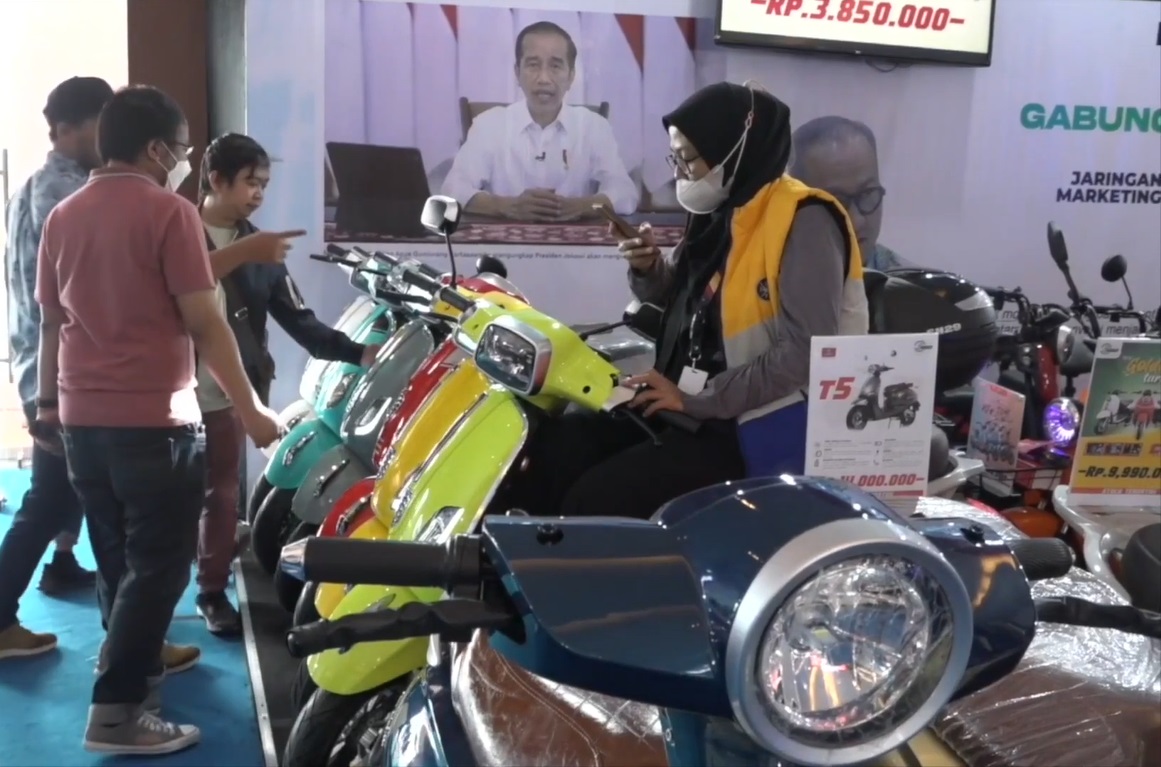
    For anyone considering an electric scooter or motorcycle, the delay creates a clear dilemma. Waiting could save Rp 3 million on an eligible model, which is a significant share of the price of many entry-level e-scooters. But there is no confirmed start date, and the incentive is expected to apply only to locally made models that meet local-content (TKDN) requirements, so not every bike on sale will qualify. Buyers should check with dealers whether a model is expected to be eligible and whether any dealer promotions already offset the potential discount. Those who need a bike now may find that existing manufacturer offers make waiting less worthwhile.

    IndoEVs will report on the regulation and the list of eligible models once they are published.

    Sources: The Jakarta Post – EV two-wheeler sales slump as incentive hangs in limbo, industry warns; Antara – RI govt still targets electric motorcycle incentive this year; The Jakarta Post – EV motorcycle subsidy to return in September: Purbaya

  • Charging an EV in Indonesia: SPKLU, Home Charging and Battery Swapping Explained

    Charging an EV in Indonesia: SPKLU, Home Charging and Battery Swapping Explained

    Top image: Photo: CEphoto, Uwe Aranas, CC BY-SA 3.0, via Wikimedia Commons

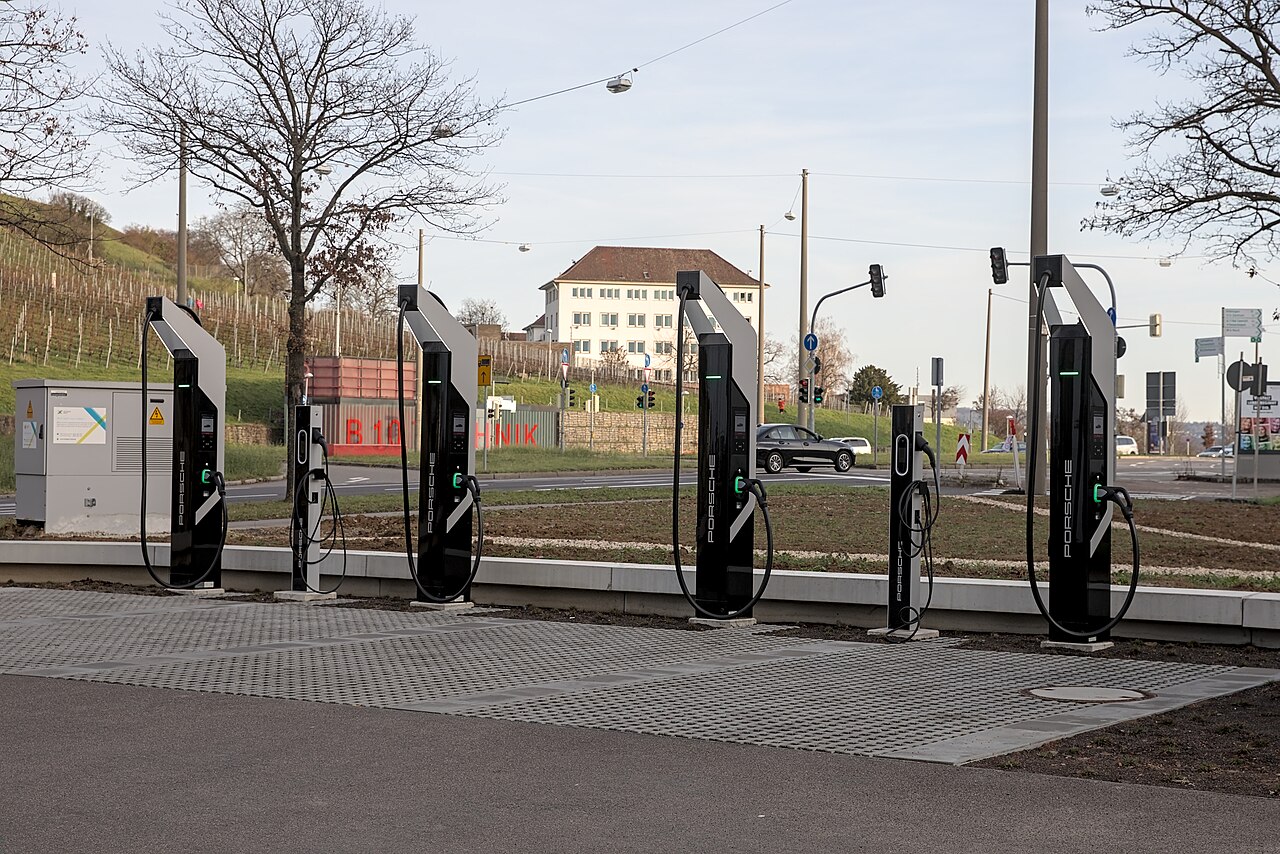
    Where and how to charge is the first practical question most new EV owners in Indonesia ask. The answer depends on where you live, how far you drive and whether you ride a scooter or drive a car. This guide explains the public SPKLU network run by the state electricity company PLN and its partners, what charging costs, how home charging works, what the battery-swap stations (SPBKLU) for motorbikes are, and which connector your vehicle probably uses.

    The SPKLU network: how big is it?

    SPKLU (Stasiun Pengisian Kendaraan Listrik Umum) are public charging stations. PLN operated 4,655 of them at the end of 2025. By June 2026, PLN and its partners had 5,016 units at 3,132 locations, according to PLN figures reported by Periskop. Use is climbing fast. SPKLU delivered 62.4 million kWh in the first half of 2026, more than the 48.5 million kWh for the whole of 2025.

    The energy ministry’s target is much bigger: 62,918 four-wheel SPKLU by 2030. Coverage is also uneven. Most chargers are in Java’s cities and along the main toll roads. For the 2026 Lebaran homecoming, PLN had 4,769 SPKLU ready at 3,097 points, on average about 22 km apart. Other islands have far fewer.

    Types of public charger

    SPKLU fall into broad classes by power output. The categories below are from a guide by Auto2000:

    • Standard (below 7 kW): an overnight top-up taking 8–12 hours.
    • Medium (7–22 kW): AC charging, about 4–8 hours.
    • Fast (22–50 kW): DC charging, about 1–2 hours.
    • Ultra-fast (above 50 kW): DC charging, from about 30 minutes to an hour for many cars.

    Actual times depend on the car’s battery size and the maximum power it can accept.

    What public charging costs

    The energy ministry has set the base SPKLU tariff at about Rp2,467 per kWh. On top of that, Energy Minister Decree 182/2023 allows a service fee of up to Rp25,000 per session for fast charging and up to Rp57,000 per session for ultra-fast charging (Republika). Auto2000’s 2026 guide puts the base rate at roughly Rp2,466–2,475 per kWh. As a rough guide, adding 40 kWh at a fast charger costs about Rp99,000 in energy plus the session fee. That is still well below the cost of the petrol for the same distance.

    Using the PLN Mobile app

    Most PLN-network chargers are run through the PLN Mobile app. Payment is cashless and the steps are straightforward:

    1. Open the app’s EV section and find an SPKLU near you. The map shows whether chargers are free.
    2. Choose a unit and scan its QR code.
    3. Plug in the connector that matches your car.
    4. Pay in the app, start charging and follow the progress on your phone.

    The app also has antreEV, a digital queue for busy chargers, and a Trip Planner that suggests SPKLU along your route, Periskop reports. Private operators such as Starvo have their own apps. On a long trip it helps to have more than one installed.

    Charging at home

    For most car owners, home is where most charging happens. It is also the cheapest option. Two things matter.

    Your electricity connection

    Household tariffs depend on your connection. In the third quarter of 2026, non-subsidised homes paid about Rp1,444.70 per kWh for 1,300–2,200 VA connections and about Rp1,699.53 for larger ones (Nasional.news). A 7 kW wallbox needs more capacity than many homes have, so you may have to upgrade. PLN’s Home Charging Service (HCS) promotion halved the connection fee until June 2026, bringing a new single-phase 7,700 VA connection down from Rp7,461,300 to Rp3,730,650. Ask PLN whether a similar offer is running now.

    The night-time discount

    PLN gives EV owners a 30% discount on electricity used for charging between 22:00 and 05:00 (GridOto). Setting a timer on your charger or car is the easiest way to save money.

    Connector types: Type 2, CCS2 and others

    Most cars sold officially in Indonesia use:

    • Type 2: the standard AC connector, used for home wallboxes and slower public chargers.
    • CCS2 (Combo 2): a Type 2 plug with two extra DC pins. It is the main standard for DC fast charging and is used by brands such as Hyundai, BMW and Chery, and by many BYD models.

    Some models from Chinese brands, including certain Wuling products, use the Chinese GB/T standard. CHAdeMO is now found mainly on older cars such as the first-generation Nissan Leaf, and fewer stations offer it, according to charging operator Starvo. Look at your car’s charging port or the handbook, and filter chargers by connector in the app before you set off.

    Battery swapping for motorbikes (SPBKLU)

    Most electric scooters can be charged from a normal socket, but that takes a few hours. SPBKLU (Stasiun Penukaran Baterai Kendaraan Listrik Umum) let riders swap a flat battery for a charged one in moments. The motorbike association Aismoli counted 1,907 SPBKLU by March 2026, most of them on Java. PLN Mobile listed 1,118 PLN-operated swap cabinets, plus 603 SPKLU for two-wheelers and 9,601 general-purpose SPLU charging points (Otodream). Swap batteries usually only fit particular brands, so check compatibility before you rely on a network.

    Prices, tariffs and incentive rules in Indonesia change often, sometimes month to month. Figures here were correct according to the sources linked at the time of writing; always confirm current prices, promotions and eligibility with an authorised dealer or the relevant provider before you commit.

    FAQ

    How much does it cost to charge at an SPKLU?

    About Rp2,467 per kWh, plus a service fee of up to Rp25,000 per session on fast chargers or up to Rp57,000 on ultra-fast chargers.

    How many SPKLU are there in Indonesia?

    PLN and its partners had 5,016 units at 3,132 locations by June 2026. The 2030 target is almost 63,000.

    Which connector does my car use?

    Most cars sold in Indonesia use Type 2 for AC and CCS2 for DC fast charging. Some Chinese-brand models use GB/T.

    Is there a discount for charging at home?

    Yes. PLN offers 30% off electricity used for EV charging between 22:00 and 05:00.

    Sources: Periskop – Konsumsi SPKLU Tembus 62,4 Juta kWh; PLN – PLN Operasikan 4.655 SPKLU Sepanjang 2025; Republika – Isi Daya Fast Charging di SPKLU Kena Tambahan Biaya; Auto2000 – SPKLU PLN 2026: Panduan Lengkap; Nasional.news – Tarif Listrik PLN September 2026; GridOto – PLN Diskon 50 Persen Pemasangan Home Charging Service; Starvo – Standar Konektor Mobil Listrik di Indonesia; Otodream – Infrastruktur SPLU dan Penukaran Baterai

  • Electric Motorbikes in Indonesia: A Buyer’s Guide

    Electric Motorbikes in Indonesia: A Buyer’s Guide

    Top image: Photo: オーバードライブ83, CC BY-SA 4.0, via Wikimedia Commons

    Indonesia is one of the world’s biggest motorcycle markets, with annual sales of around 6 million to 7 million units. Electric models have still only managed roughly 60,000 to 70,000 sales a year, about 1% of the total, according to Antara. That leaves a lot of room to grow, and the government wants to fill it. This guide covers the brands and price bands in 2026, where purchase incentives stand, what local content (TKDN) means for you, how charging and battery swapping work, and the programme for converting petrol bikes to electric.

    The market in 2026: a pause while buyers wait

    E-motorbike sales have been hit by uncertainty over incentives. The electric motorcycle industry association Aismoli said sales were about 77,000 units in 2024, when a subsidy was in place, and around 70,000 in 2025 without one. From January to August 2026 they fell to about 18,900, as reported by detikFinance. Aismoli puts the drop down to shoppers holding off until a promised subsidy starts. By April 2026 there were about 242,909 electric motorbikes on Indonesian roads, according to industry ministry data cited by Otodream.

    Brands and price bands

    VIVA’s September 2026 OTR Jakarta price list shows how wide the market is:

    Budget: under Rp20 million

    • Polytron Fox-200: Rp12.1 million with battery rental, or Rp21.1 million with the battery included.
    • Selis (Neo Scootic Rp13.5 million, E-Max Rp15.5 million), Avand SC121 (Rp13.5 million) and Yadea GT20 (Rp15.5 million).
    • United T1800, MX-1200 and MT1500 at around Rp16–17 million.
    • Volta eX, 401, Eagle and Virgo at around Rp17.9–19.1 million.

    Mid-range: roughly Rp20 million to Rp60 million

    • ALVA: N3 from Rp16.5 million with battery rental. The N3 Next Gen and ONE XP cost around Rp31.5 million.
    • Honda: ICON e: Rp28 million, EM1 e: about Rp40 million, CUV e: Rp54.45 million.
    • MAKA Cavalry: around Rp39.5 million. Omoway: Rp46.9 million to Rp76.9 million.

    Premium

    Kawasaki’s Z e-1 and Ninja e-1 cost about Rp148–151 million. The Vespa Elettrica is listed at Rp198 million.

    Subsidy and incentive status

    In 2024 buyers of qualifying e-motorbikes got a Rp7 million discount, provided the bike had at least 40% local content, Kompas notes. There was no subsidy in 2025. In May 2026 the finance ministry announced Rp5 million per unit for 100,000 bikes. In August that was revised to Rp3 million per unit, with a budget of Rp3 trillion aimed at up to one million domestically made bikes. Officials expected only about 100,000 to be taken up by the end of 2026 because factory capacity is limited.

    At the time of writing the incentive still was not in force. After a change of finance minister, the industry minister said on 23 September that the technical rules were ready and only the finance ministry regulation (PMK) was needed (detikFinance). The deputy industry minister said the government still aimed to deliver it this year. If you are ready to buy, ask dealers whether they will honour the subsidy for bikes delivered before it officially starts. Most will not.

    Molinas, the national e-motorbike programme

    On 13 August 2026 President Prabowo launched the Motor Listrik Nasional (Molinas) programme at ALVA’s factory in Cikarang. He promised lower loan interest, work towards zero-down-payment financing and a trade-in scheme for petrol bikes, Kompas reported. Industry ministry figures quoted by Antara show 69 two- and three-wheel EV makers with a combined capacity of about 2.5 million units a year.

    What TKDN means for buyers

    TKDN, or Tingkat Komponen Dalam Negeri, measures how much of a vehicle is made in Indonesia. It matters because incentives usually go only to models above a threshold. The current minimum is 40%, rising to 60% in 2027–2029 and 80% in 2030, according to the industry minister (Antara). A high-TKDN bike is more likely to qualify for future subsidies. Local assembly can also make spare parts easier to find.

    Charging at home or swapping batteries?

    Home charging

    Most budget and mid-range scooters use a removable battery that you charge from a standard wall socket. The main drawback is time. Even with a fast charger, a full charge usually takes 2–3 hours. If you park at home or at work every day, this is the simplest and cheapest way to charge.

    Battery swapping (SPBKLU)

    At a swap station you exchange a flat battery for a charged one in about a minute. This suits ride-hailing drivers and couriers. Aismoli counted 1,907 SPBKLU nationwide by March 2026, with 1,480 of them on Java, and just 20 in Kalimantan and one in Nusa Tenggara (Otodream). PLN Mobile also listed 1,118 PLN-run swap cabinets and 603 two-wheeler SPKLU. The catch is that swap networks usually only work with particular brands, so check that your bike is compatible and that there are stations on your usual routes.

    Converting a petrol bike

    The energy ministry runs a programme to convert petrol motorbikes to electric at certified workshops. In late 2023 it raised the grant to Rp10 million per bike under Energy Minister Regulation 13/2023. Take-up was low, partly because a typical conversion cost about Rp15 million, leaving owners to pay the difference. The ministry is now redesigning the scheme for 2027 and has proposed a budget of Rp635.24 billion. Check the current terms with the ministry before you book a conversion.

    Prices, tariffs and incentive rules in Indonesia change often, sometimes month to month. Figures here were correct according to the sources linked at the time of writing; always confirm current prices, promotions and eligibility with an authorised dealer or the relevant provider before you commit.

    FAQ

    Is there an electric motorbike subsidy right now?

    Not yet. A Rp3 million per unit subsidy has been approved in principle, but in late September 2026 it was still waiting for its finance ministry regulation.

    What is the cheapest electric motorbike in Indonesia?

    Prices start at around Rp12 million on battery-rental plans. VIVA listed the Polytron Fox-200 at Rp12.1 million.

    Can I charge an electric scooter at home?

    Yes. Most models with removable batteries charge from a normal household socket, usually in a few hours.

    Is battery swapping available everywhere?

    No. Stations are concentrated in Java and are usually tied to particular brands.

    Sources: VIVA – Daftar Harga Motor Listrik September 2026; detikFinance – Insentif Motor Listrik Tunggu Keputusan Menteri Keuangan; Matamata – Pemerintah Targetkan Insentif Motor Listrik Cair Tahun Ini; CNBC Indonesia – Insentif Motor Listrik Turun Jadi Rp 3 Juta/Unit; Kompas – Menkeu Targetkan Insentif Mobil dan Motor Listrik Mulai Juni 2026; Kompas – Banyak Motor Listrik RI Sudah Capai TKDN 40 Persen; Antara – Pemerintah kaji insentif kendaraan listrik berbasis TKDN; Kompas – Prabowo Resmikan Motor Listrik Nasional; Antara (English) – Molinas marks new chapter in Indonesia’s EV industrialization; Otodream – Infrastruktur SPLU dan Penukaran Baterai Dinilai Belum Sebanding; Kementerian ESDM – Bantuan Konversi Sepeda Motor Listrik Jadi Rp10 Juta; KilasJatim – Program Konversi Motor Listrik 2027

  • Electric Cars in Indonesia: Prices, Models and What to Know Before Buying (2026)

    Electric Cars in Indonesia: Prices, Models and What to Know Before Buying (2026)

    Top image: Photo: Alexander-93, CC BY-SA 4.0, via Wikimedia Commons

    Electric cars have gone from niche to mainstream in Indonesia remarkably quickly. Battery electric vehicle (BEV) wholesales reached 101,171 units in the first eight months of 2026, almost double the same period of 2025, according to Gaikindo data reported by Kompas. There is now a model for almost every budget, from compact city cars under Rp200 million to luxury SUVs costing billions. This guide sets out what electric cars cost in Indonesia in 2026, which models people are buying, which incentives apply, and what it costs to run one compared with a petrol car.

    What electric cars cost in Indonesia: price bands

    The prices below are on-the-road (OTR) Jakarta figures unless stated, taken mainly from Kompas’s September 2026 price list. Prices elsewhere in the country are usually higher because of shipping and regional taxes.

    Entry level: under about Rp250 million

    • Wuling Aira EV: Rp155 million (Standard Range) to Rp175 million (Long Range).
    • VinFast VF 3: Rp152 million with a battery-rental plan, or around Rp215 million with the battery included, according to Moladin.
    • Wuling Air EV Lite: Rp214 million to Rp251 million.
    • BYD Atto 1: Rp205 million (Dynamic) and Rp245 million (Premium), per Kompas.
    • Geely EX2: Rp239.9 million (Pro) and Rp269.9 million (Max).
    • Chery Q: Rp249.9 million to Rp269.9 million at normal list price.

    Mid-range: roughly Rp250 million to Rp500 million

    This is where the family crossovers sit. The Jaecoo J5 EV costs Rp279.9 million to Rp324.9 million. The MG S5 EV runs from Rp355.9 million and the BYD M6 seven-seater from Rp423 million. Several newcomers launched at GIIAS 2026 with introductory prices, including the Changan Nevo Q05 from Rp309 million and the BAIC T1 at a retail price of Rp393 million.

    Upper and premium: Rp500 million and above

    Above the mid-range you will find the BYD Sealion 7 Performance (Rp719 million), the Hyundai Kona Electric (about Rp565 million to Rp690 million) and the Ioniq 5 (Rp809 million to around Rp926 million). Past the Rp1 billion mark are cars such as the Hyundai Ioniq 6 (Rp1.237 billion) and the Lexus ES 350e (Rp1.48 billion).

    The models Indonesians are actually buying

    Chinese brands have almost all of the market. Gaikindo’s January to August 2026 figures, compiled by Kompas, show that all of the ten best-selling BEVs are Chinese:

    1. Jaecoo J5: 23,359 units
    2. BYD Atto 1: 19,909
    3. Geely EX2: 9,769
    4. BYD M6: 6,694
    5. BYD Sealion 7: 4,251

    Most sales are compact, affordable models. For many buyers an EV is now priced like a mid-spec petrol hatchback or small SUV, not like a luxury car.

    Incentives: what applies in 2026

    National taxes: PPN DTP and PPnBM

    Until the end of 2025, locally built EVs with at least 40% local content (TKDN) had 10 percentage points of the 12% VAT paid by the government (PPN DTP), so buyers paid 2%. That scheme, set out in PMK 12/2025, expired in December 2025. The import-duty and luxury-tax exemptions for fully imported (CBU) EVs also ended on 31 December 2025. Qualifying BEVs have also been exempt from luxury-goods sales tax (PPnBM), according to Kompas.

    In May 2026 the government announced a new PPN DTP scheme of 40% to 100% for pure battery EVs only (no hybrids), with a quota of 100,000 cars. Kompas reported that nickel-based batteries would get the larger discount. The launch was pushed back more than once, first from June and then into August. In September the industry minister said the government was also studying incentives tied to local content, and the required TKDN is due to rise from 40% now to 60% in 2027–2029 and 80% in 2030. Ask the dealer in writing which tax treatment applies to the exact variant you are buying.

    Regional taxes and Jakarta’s odd-even exemption

    Annual vehicle tax (PKB) and the transfer-of-ownership fee (BBNKB) are set by each province. In May 2026 Jakarta confirmed that EVs remain exempt from both. Jakarta EVs are also still exempt from the odd-even number-plate restriction under Governor Regulation 88/2019. Outside Jakarta the rules vary, so check with your local Samsat office.

    Running costs: electricity versus petrol

    Here is a simple monthly comparison for 1,000 km of driving. We assume an EV covers about 6.6 km per kWh, a figure the energy ministry has used (Republika), and a petrol car does 12 km per litre. Both are illustrative. Your own car and driving style will change the numbers.

    • EV, home charging (about 152 kWh at Rp1,444.70/kWh for 1,300–2,200 VA households): around Rp219,000. PLN also offers a 30% discount for night charging between 22:00 and 05:00, which brings this down to roughly Rp153,000.
    • EV, public SPKLU (Rp2,467/kWh): around Rp374,000, plus a service fee of up to Rp25,000 per fast-charging session or Rp57,000 per ultra-fast session.
    • Petrol car on Pertalite (Rp10,000/litre): around Rp833,000.
    • Petrol car on Pertamax (Rp15,950/litre in Java and Bali from 1 September 2026): around Rp1.33 million.

    These figures leave out local electricity taxes and the car’s charging losses, but the gap is clear. Mostly charging at home costs a fraction of running a petrol car, and EVs also need less routine servicing because they have no oil changes.

    What to check before you buy

    • Battery ownership. Some brands sell cars with a battery-rental plan. The price looks lower, but you pay a monthly fee. Compare the total cost over the years you expect to own the car.
    • Warranty. Confirm how long the battery warranty lasts, what mileage it covers and what capacity it guarantees, and check whether it transfers to the next owner.
    • Home power supply. Many homes need a higher electricity connection before they can use a wallbox charger. Include that cost in your budget.
    • Service network. Several brands are new to Indonesia. Check where the nearest authorised workshop is, especially outside Java.
    • Resale value. Used EV prices are still settling, and battery health is the main thing buyers look at.

    Prices, tariffs and incentive rules in Indonesia change often, sometimes month to month. Figures here were correct according to the sources linked at the time of writing; always confirm current prices, promotions and eligibility with an authorised dealer or the relevant provider before you commit.

    FAQ

    What is the cheapest electric car in Indonesia?

    In September 2026 the cheapest listed options were the VinFast VF 3 at Rp152 million on a battery-rental plan and the Wuling Aira EV from Rp155 million with the battery included.

    Are EVs exempt from Jakarta’s odd-even rule?

    Yes. Battery electric vehicles remain exempt under Governor Regulation 88/2019, and Jakarta also still waives PKB and BBNKB for EVs.

    Is the 2026 PPN DTP discount in force?

    The scheme of 40% to 100% depending on battery type has been announced but delayed several times. Check its current status with the dealer before you sign.

    Do hybrids get the same incentives?

    No. The government has said the new PPN DTP scheme covers pure battery EVs only, not hybrids.

    Sources: Kompas – Update Daftar Harga Mobil Listrik September 2026; Kompas – Cicilan Mobil Listrik Rp 200 Jutaan: BYD Atto 1 dan Geely EX2; Kompas – Daftar Mobil Listrik Terlaris hingga Agustus 2026; Moladin – 15 Mobil Listrik Termurah September 2026; CNN Indonesia – Daftar Insentif Mobil Listrik yang Disetop; Kompas – Insentif Mobil Listrik Berakhir 2026; Kompas – Menkeu Targetkan Insentif Mobil dan Motor Listrik Mulai Juni 2026; CNBC Indonesia – Purbaya Tunda Insentif Mobil Listrik; DDTCNews – Subsidi dan PPN DTP untuk Kendaraan Listrik Akan Segera Diluncurkan; Antara – Pemerintah kaji insentif kendaraan listrik berbasis TKDN; Kompas – Mobil Listrik Tetap Bebas Ganjil Genap di Jakarta; Republika – Isi Daya Fast Charging di SPKLU Kena Tambahan Biaya; Nasional.news – Tarif Listrik PLN September 2026; GridOto – PLN Diskon 50 Persen Pemasangan Home Charging; Antara – Harga BBM 1 September 2026

  • Indonesia’s EV sales hit record in August as 2025 total nearly matched

    Indonesia’s EV sales hit record in August as 2025 total nearly matched

    Top image: Photo: TTTNIS, CC0, via Wikimedia Commons

    Indonesia’s battery electric vehicle (BEV) market posted its strongest month on record in August 2026, and the eight-month total has already come within touching distance of everything sold in the whole of 2025. Wholesale figures from the Indonesian Automotive Industry Association (Gaikindo), reported by several Indonesian outlets this month, show demand for fully electric cars continuing to climb even as the wider car market grows at a more modest pace.

    A record month

    According to a tally of Gaikindo data compiled by KilasJatim, BEV wholesales (factory-to-dealer shipments) reached 17,413 units in August, up 24.6% on July’s 13,972 units and the highest monthly figure yet recorded. That took the January–August total to 101,171 units, almost double (up 99.4%) the 50,749 units shipped in the same period of 2025. The full-year 2025 total was 103,931 units, meaning the market needed only around 2,760 more units to overtake it with four months of the year still to run.

    The overall market was also firm. iNews reported that total car wholesales reached 81,756 units in August, the best month of the year so far, bringing the year-to-date figure to 599,491 units. By IndoEVs’ calculation, fully electric cars therefore accounted for just over a fifth of all wholesales in August.

    Chinese brands fill the top ten

    The BYD Atto 1 was the standout model. Gaikindo’s own monthly bestseller report placed the compact hatchback second among all cars sold in Indonesia in August, with about 5,560 units, behind only the Daihatsu Gran Max and ahead of long-established favourites such as the Toyota Innova and Avanza. The Jaecoo J5 also made the overall top six with 3,214 units.

    VIVA published the August BEV top ten, every one of which came from a Chinese brand:

    • BYD Atto 1 – 5,560 units
    • Jaecoo J5 – 3,214
    • Geely EX2 – 1,595
    • Wuling Air EV – 754
    • BYD M6 – 679
    • AION V – 563
    • iCAR V23 – 500
    • Geely EX5 – 487
    • Wuling Darion EV – 443
    • MG S5 EV – 428

    An analysis by Maybank Investment Bank, reported by TNGlobal, put BYD’s share of the BEV segment at 32.7% over the first eight months, followed by Jaecoo at 23% and Geely at 12%. Maybank estimated that electrified vehicles of all types (battery electric, hybrid and plug-in hybrid) made up 28% of car sales over the period, with BEVs alone at 18%.

    Why buyers are switching

    Gaikindo attributes the surge mainly to product and price. Speaking to JawaPos, Jongkie Sugiarto, Gaikindo’s deputy chair for market development, said the jump reflected the arrival of well-designed BEVs at affordable prices. JawaPos also pointed to higher oil prices driven by geopolitical tensions, the growth of local assembly by global manufacturers, and a wave of new models unveiled at the GIIAS motor show in July.

    Mr Sugiarto was nonetheless cautious about how quickly electric cars would displace petrol models:

    “Replacing ICE, perhaps not yet, but their market share will keep rising. BEVs will keep growing.” – Jongkie Sugiarto, Gaikindo, to JawaPos (translated from Indonesian)

    What it means for buyers

    For Indonesian car shoppers, the numbers point to a market that is maturing quickly. A broader range of affordable models means more choice below the price points that once defined the segment, and strong volumes should help dealers and service networks expand beyond the big cities. Buyers should, however, keep an eye on how prices and incentives evolve now that the tax breaks for fully imported BEVs have ended and manufacturers are shifting to local production. Checking a model’s local-content status and the availability of after-sales support in their area remains sensible before signing.

    With the 2025 total all but matched by the end of August, 2026 is on track to be a new annual record for electric car sales in Indonesia. IndoEVs will report September’s figures when Gaikindo releases them.

    Sources: JawaPos – Mobil Listrik Makin Laris, Gaikindo Ungkap Harga Terjangkau jadi Kunci; VIVA – 10 Mobil Listrik Terlaris Agustus 2026; Gaikindo – Mobil Terlaris Agustus 2026; KilasJatim – Penjualan Mobil Listrik Indonesia Tembus 101 Ribu Unit; iNews – Penjualan Mobil Indonesia Tembus 599 Ribu Unit hingga Agustus 2026; TNGlobal – Maybank sees EV adoption continues to accelerate in Indonesia

  • BYD opens 150,000-unit Subang factory, eyes 60% local content by 2027

    BYD opens 150,000-unit Subang factory, eyes 60% local content by 2027

    Top image: Photo: Exynoss78739, CC BY 4.0, via Wikimedia Commons

    BYD has formally opened its first Indonesian car factory, a 126-hectare site in the Subang Smartpolitan industrial estate in West Java, marking the Chinese brand’s shift from importing cars to building them locally. The plant was inaugurated on Thursday 3 September 2026 and has an annual production capacity of 150,000 vehicles.

    Investment, jobs and first models

    CNN Indonesia reported the investment at Rp11.6 trillion. The facility covers the core stages of car manufacturing – stamping, welding, painting and final assembly – and currently employs around 5,000 local workers, a figure that could rise to more than 20,000 once the plant runs at full capacity. The first model off the line was the BYD M6 DM plug-in hybrid MPV, which CNN Indonesia said carries local content of more than 40%.

    According to Antara, the plant’s line-up also includes the Atto 1, the battery-electric M6 and models from BYD’s premium Denza brand. detikOto reported that the factory is already producing around 10,000 units a month.

    Local-content targets and batteries next

    The opening comes as Indonesia tightens its local-content rules for electric vehicles. As The Jakarta Post noted, the domestic component threshold (known as TKDN) stands at 40% this year, rises to 60% from January 2027 and is set to reach 80% by 2030. BYD Indonesia president director Eagle Zhao told Antara that the company would be ready for the higher bar:

    “In 2027, we will certainly be the first to stand in support of the TKDN requirement, which will become 60 per cent.” – Eagle Zhao, BYD Motor Indonesia, to Antara (translated from Indonesian)

    Mr Zhao said battery assembly would form the next phase of BYD’s Indonesian investment, arguing that a product cannot truly be called Indonesian-made without a comprehensive local production process. BYD has also sent hundreds of Indonesian technicians and engineers to its research and development centre in China, according to Antara. The Jakarta Post reported that Mr Zhao sees Subang as a potential regional export base as well as a supplier to the home market.

    Government message

    President Prabowo Subianto did not attend the ceremony. Industry Minister Agus Gumiwang Kartasasmita delivered a message on his behalf, telling the audience that the transition of the market towards green mobility and electric vehicles needed to move faster, detikOto reported. CNN Indonesia said the minister described the plant as a milestone in moving from simply dominating sales to strengthening domestic components within the EV ecosystem.

    BYD Co. vice-president Liu Xueliang called the opening important not only for the company but for the Indonesian government. detikOto noted that Indonesian EV sales reached 83,758 units in January–July 2026, up 88.6% year on year – a market in which BYD has become the leading brand.

    What it means for buyers

    Local assembly matters for Indonesian buyers in several ways. The tax exemptions that allowed brands to import fully built EVs ended in 2025, so producing locally is now the main route for manufacturers to keep prices competitive. A domestic plant should also mean shorter waiting times, easier access to parts and, eventually, locally assembled batteries. Buyers comparing BYD models should check which variants are built in Subang and what local-content level they carry, as this can affect eligibility for government incentives.

    Several other brands, including VinFast, are pursuing local production in Indonesia, and the BYD opening raises the stakes for competitors ahead of the 60% local-content deadline in January 2027.

    Sources: CNN Indonesia – Pabrik BYD senilai Rp11 triliun di Subang akhirnya diresmikan; Antara – Usai resmikan pabrik Subang, BYD siapkan perakitan baterai di RI; detikOto – Pesan Presiden Prabowo buat BYD yang baru resmikan pabrik di Subang; The Jakarta Post – EV push gains traction as factories expand

  • CATL-IBC battery plant in Karawang starts phased operations

    CATL-IBC battery plant in Karawang starts phased operations

    Top image: Photo: Ministry of Public Works of Indonesia – Kementerian PUPR Republik Indonesia, Public domain, via Wikimedia Commons

    Indonesia’s flagship electric vehicle battery factory, a joint venture between China’s CATL and state-owned Indonesia Battery Corporation (IBC) in Karawang, West Java, has begun operating on a phased basis, government officials said in August. The plant is a key piece of Jakarta’s plan to turn the country’s vast nickel reserves into a domestic battery industry.

    Commissioning under way

    Ahmad Erani Yustika, secretary-general of the Ministry of Energy and Mineral Resources, confirmed the start of operations to Bloomberg Technoz on 21 August:

    “It may still be in stages, but it has started operating.” – Ahmad Erani Yustika, Ministry of Energy and Mineral Resources, to Bloomberg Technoz (translated from Indonesian)

    Bloomberg Technoz reported that commissioning was under way and that the factory had been expected to be formally inaugurated by President Prabowo Subianto before Independence Day on 17 August, although the ceremony was still awaiting a date in the president’s schedule. English-language outlet Investortrust described the start as trial runs and quoted Mr Erani as saying construction was effectively complete.

    Cells, modules and packs

    The plant is run by PT Contemporary Amperex Technology Indonesia Battery (CATIB), a company formed by CATL subsidiary CBL, mining firm Antam and IBC. Speaking to Bisnis.com in June, IBC chief executive Aditya Farhan Arif said CATIB would produce battery cells, modules and complete battery packs, serving both electric vehicles and battery energy storage systems (BESS).

    Initial capacity is 6.9 GWh a year, with plans to expand to 15 GWh – more than double – which Bisnis said was targeted for the following year. Mr Aditya signalled that the pace of expansion would depend on the market:

    “With batteries, a battery factory really has to wait for demand.” – Aditya Farhan Arif, IBC, to Bisnis.com (translated from Indonesian)

    IBC has also said it hopes to export batteries to Europe, kumparan reported in May.

    Part of a larger nickel-to-EV chain

    According to Investortrust, the Karawang plant represents an investment of about US$1.2 billion and forms part of the wider Indonesia Battery Integration Project, valued at US$5.9–6 billion, which aims to link nickel mining and processing with cell production and recycling. The outlet also quoted President Prabowo setting a goal of large-scale commercial production of Indonesian electric passenger cars by 2028.

    Indonesia holds the world’s largest nickel reserves, and nickel-based chemistries such as NMC are central to the government’s industrial strategy. However, many of the most popular EVs now sold in Indonesia use lithium iron phosphate (LFP) batteries, which contain no nickel – one reason why officials are keen to secure a domestic cell supply chain that carmakers will actually use. Whether the Karawang plant’s output ends up in locally assembled cars, energy storage or exports will be closely watched.

    What it means for buyers

    For now, the start of production at Karawang will not change the price of any EV in a showroom. Over time, however, a domestic source of cells and packs should help carmakers meet Indonesia’s rising local-content requirements – 60% from January 2027 – which determine eligibility for tax incentives. Locally made batteries could also make replacement packs and battery servicing easier and cheaper to obtain, a common concern for Indonesian buyers weighing up an EV’s long-term running costs.

    Sources: Bloomberg Technoz – Pabrik Baterai CATL & IBC di Karawang Resmi Beroperasi; Bisnis.com – Pabrik Baterai CATL-IBC di Karawang Punya Kapasitas Awal 6,9 GWh per Tahun; Investortrust – CATL-IBC battery plant begins trial runs in West Java; kumparan – Pabrik Baterai Listrik di Karawang Beroperasi Juli 2026, IBC Mau Ekspor ke Eropa

  • Prabowo launches Molinas national e-motorcycle programme to use nickel

    Prabowo launches Molinas national e-motorcycle programme to use nickel

    Top image: Photo: AntaraTV, CC BY 3.0, via Wikimedia Commons

    President Prabowo Subianto has launched Molinas, short for Motor Listrik Nasional (National Electric Motorcycle), a government-led programme to build a domestic electric motorcycle industry backed by locally processed nickel batteries. The launch took place on 13 August 2026 at the production facility of electric motorcycle maker ALVA in Cikarang, Bekasi, West Java.

    More than a single bike

    Despite the name, Molinas is not one model but an ecosystem. According to Antara, it covers manufacturing and components, batteries, charging and battery-swapping infrastructure, financing, distribution, after-sales service and market uptake. The Jakarta Post reported that state-owned PT Len Industri is the lead integrator, working with the sovereign wealth fund Danantara and at least 10 national motorcycle companies that meet local-content requirements. ALVA is produced by PT Ilectra Motor Group, part of the Indika Energy group.

    Mr Prabowo described the programme as a collaboration between private companies, state-owned enterprises and universities:

    “Today, in my opinion, is one good example of what I call Indonesia Incorporated.” – President Prabowo Subianto, reported by Antara

    The nickel angle

    A central aim is to create demand for batteries made from Indonesian nickel. Indonesia holds around 46% of the world’s nickel reserves, and Rosan Roeslani – investment and downstreaming minister and chief executive of Danantara – linked the programme’s affordability directly to that resource, Antara reported:

    “Molinas can be affordable and high quality, especially since we can carry out downstreaming from nickel into batteries.” – Rosan Roeslani, reported by Antara

    Mr Rosan also framed the programme as a question of economic self-reliance, telling the launch that Indonesia needed to stand on its own feet in every area of economic activity, according to the Cabinet Secretariat.

    Big targets from a small base

    The scale of ambition is considerable. A follow-up report by Antara noted that Indonesia sells 6–7 million motorcycles a year, but only 60,000–70,000 of them – about 1% – are electric. It said 69 companies already make battery-powered vehicles, with a combined capacity of 2.511 million units a year, and that at least 10 local firms meet local-content rules. ALVA currently produces around 20,000 units a year and aims to expand to 200,000.

    Antara reported a national goal of 2 million Molinas e-motorcycles, without a specified timeframe, and a longer-term target of 11 million electric motorcycles on the road by 2037. Supporters argue that the shift could cut fuel subsidy spending by Rp 82.2 trillion between 2027 and 2037 and create around 215,000 direct and indirect jobs.

    What it means for buyers

    Molinas does not yet change what riders can buy or how much they pay. Its practical effect will depend on the details still to come: which models carry the Molinas label, whether battery-swapping networks become widespread enough to ease range worries, and how financing schemes are structured. It also sits alongside the separate Rp 3 million purchase incentive for locally made e-motorcycles, which has yet to take effect. Buyers interested in a Molinas-affiliated bike should look for clear information on battery warranties, swapping availability in their city and after-sales coverage before committing.

    Sources: Antara – Indonesia launches Molinas in push for electric vehicle self-reliance; Antara – Prabowo calls Molinas an example of “Indonesia Incorporated”; Antara – ‘Molinas’ marks new chapter in Indonesia’s EV industrialization; The Jakarta Post – Prabowo kicks off e-motorcycle ecosystem to push nickel use; Cabinet Secretariat – President Prabowo launches National Electric Motorcycle (MoLiNas)

  • PLN charging use in H1 2026 overtakes all of 2025 as network passes 5,000

    PLN charging use in H1 2026 overtakes all of 2025 as network passes 5,000

    Top image: Photo: Alexander Migl, CC BY-SA 4.0, via Wikimedia Commons

    Electricity drawn from Indonesia’s public electric vehicle charging stations in the first half of 2026 exceeded the total for the whole of 2025, according to state utility PLN, which says it is expanding its network and opening it further to private partners in response.

    Usage outpaces last year

    PLN recorded 62.4 million kWh of electricity consumption at public charging stations – known locally as SPKLU (Stasiun Pengisian Kendaraan Listrik Umum) – between January and June 2026, VIVA reported. That compares with 48.5 million kWh for the whole of 2025, meaning six months of charging this year was already about 28% higher than all of last year.

    The network itself has grown more slowly. PLN operated 5,016 SPKLU units at 3,132 locations as of June 2026, according to VIVA and Periskop. Periskop reported that 361 units were added in the first half, from 4,655 at the end of 2025 – a figure PLN also gave in a February press release. Periskop added that average spacing between charging facilities is around 22 km, and that usage during the Ramadan and Idul Fitri travel season was 4.14 times higher than in the same period of 2025.

    PLN’s response

    M. Fahrur Rozy, PLN’s director of retail and commerce, told VIVA that growth in SPKLU consumption had been consistent over the past three years.

    “Public demand for reliable and affordable SPKLU is already our priority in supporting the acceleration of EVs in Indonesia.” – M. Fahrur Rozy, PLN, to VIVA (translated from Indonesian)

    A central part of the utility’s plan is its SPKLU partnership scheme, under which private businesses can take part as landowners, suppliers of charging equipment or operators of charging sites. PLN says it supports partners with simplified procurement, certainty over grid connection, discounted connection fees and a revenue-sharing arrangement. The company is also adding features to its PLN Mobile app, including AntreEV, a digital queuing tool for busy chargers, and a Trip Planner that locates stations along a route.

    A long way to the 2030 target

    The government’s ambitions are considerably larger than today’s network. Ferry Triansyah, electricity services coordinator at the Ministry of Energy and Mineral Resources’ Directorate General of Electricity, told Periskop that there were about 4,892 four-wheel SPKLU units in May 2026, against a target of 62,918 by 2030. Reaching that would require the network to grow more than twelvefold in under five years.

    Demand for charging is being driven by rapid growth in EV sales. Periskop cited figures showing that around 117,000 electrified vehicles were sold in the first half of 2026, up 69.4% year on year, including about 69,000 battery electric vehicles. Electrified models accounted for 26.8% of passenger car sales in that period.

    What it means for EV owners

    For drivers, the figures confirm what many have experienced at busy chargers, particularly on holiday routes: usage is rising faster than the number of plugs. Most EV owners in Indonesia still do the bulk of their charging at home, and home charging is generally the cheapest option. For longer trips, the PLN Mobile app’s queuing and route-planning tools should help reduce waiting times, and the partnership scheme could bring more chargers to shopping centres, hotels and petrol stations. Owners outside Java and Bali, where coverage is thinner, should plan long journeys with care.

    Sources: VIVA – PLN Perkuat Infrastruktur EV Respons Melonjaknya Konsumsi Listrik SPKLU; Periskop – Konsumsi SPKLU Tembus 62,4 Juta kWh, PLN Perluas Jaringan; PLN – PLN Operasikan 4.655 SPKLU Sepanjang 2025