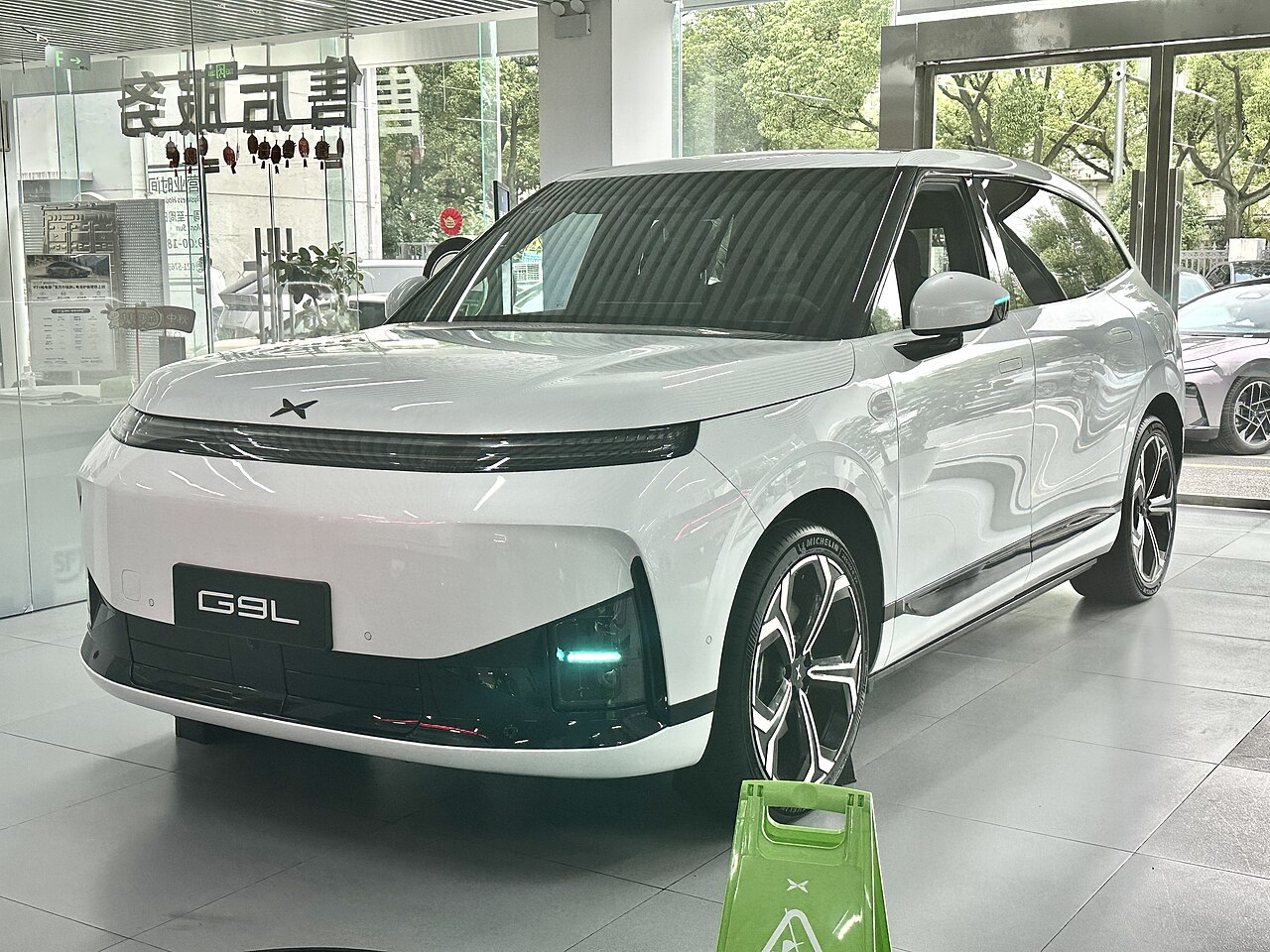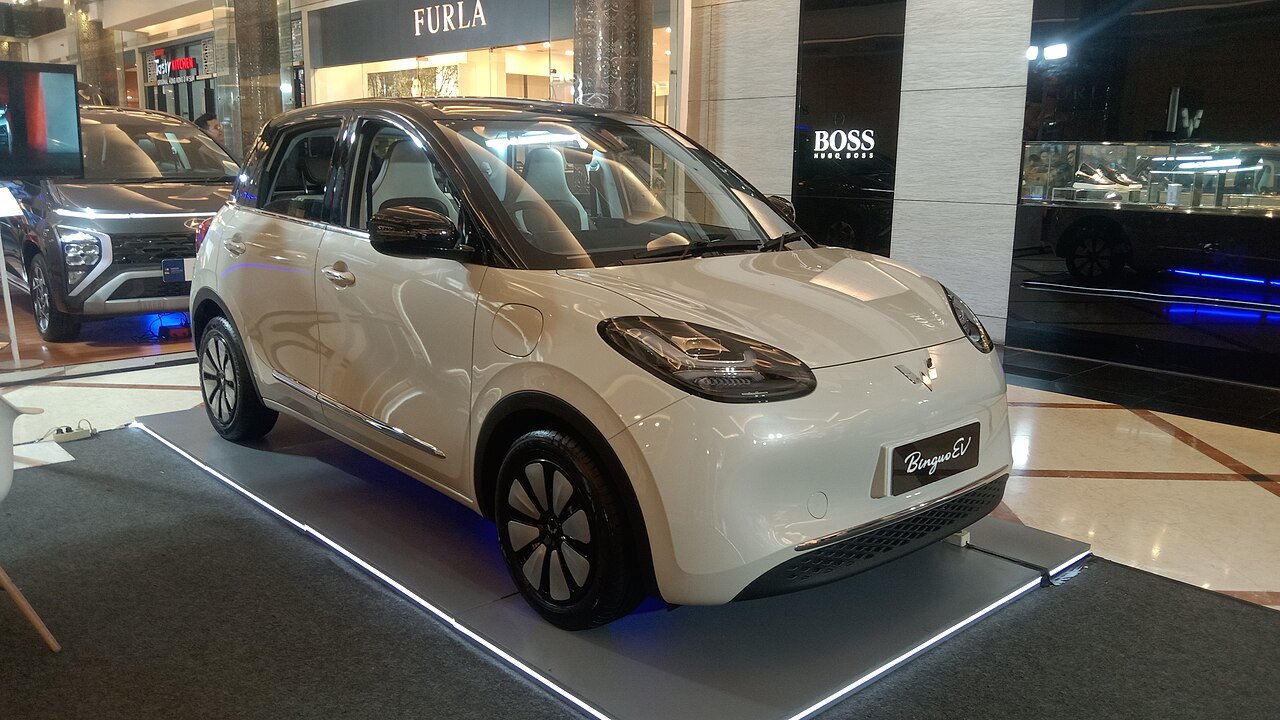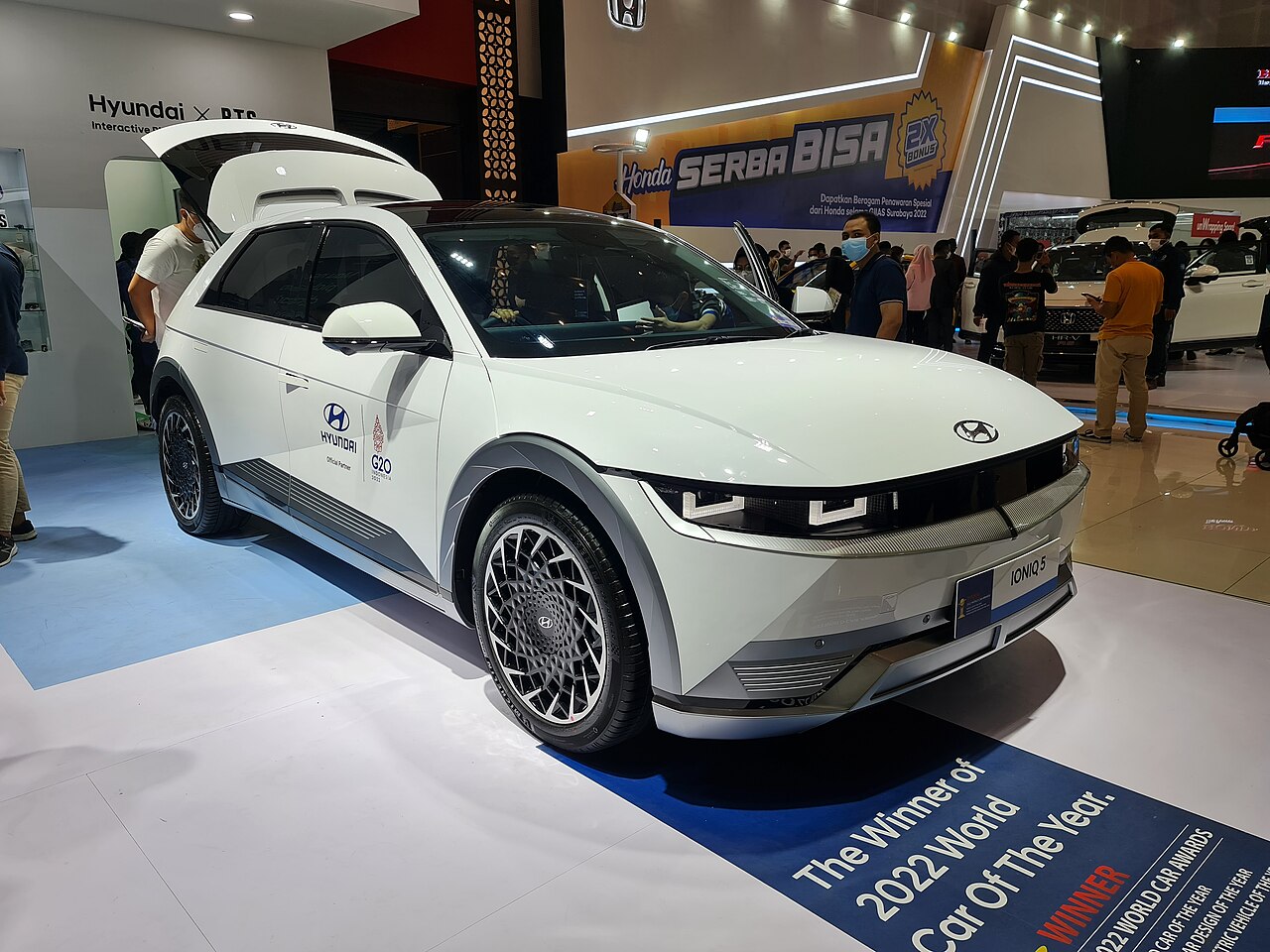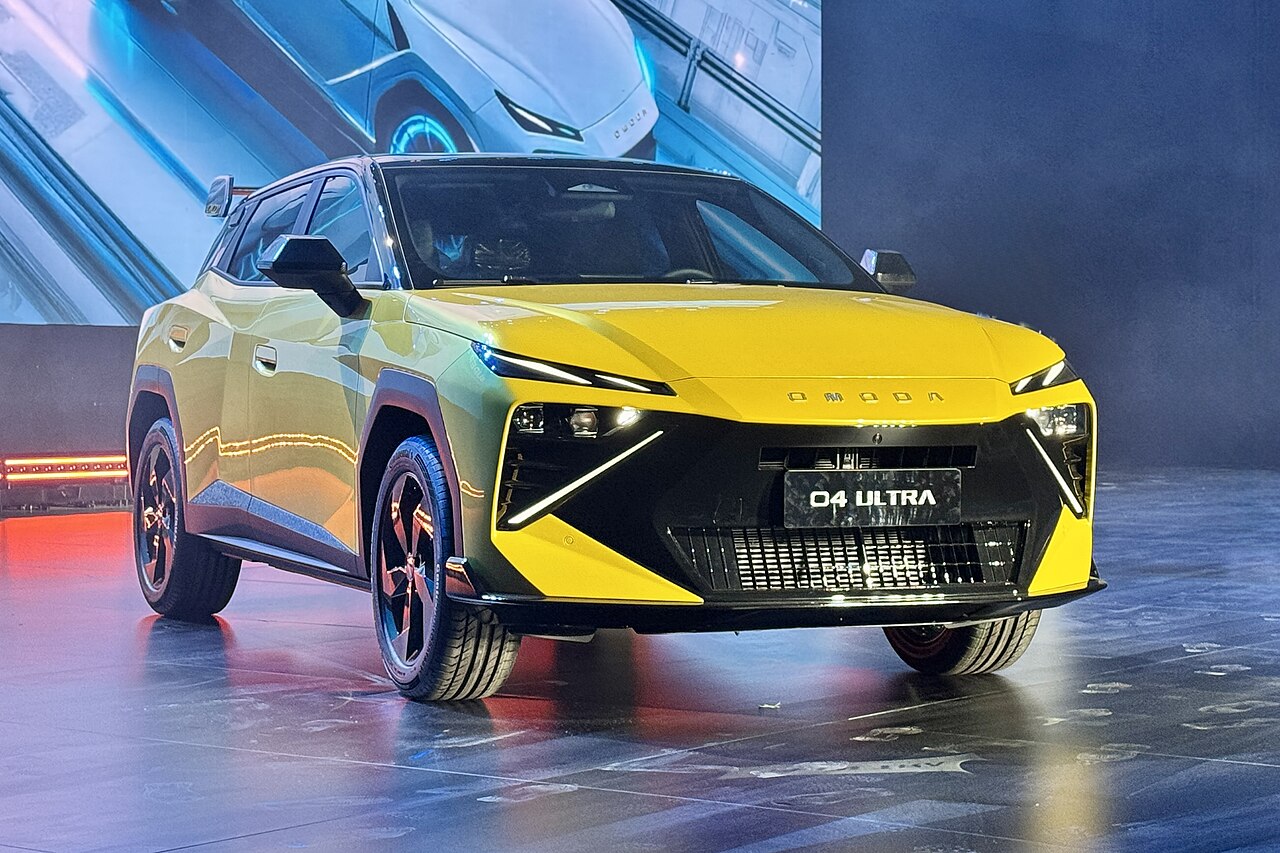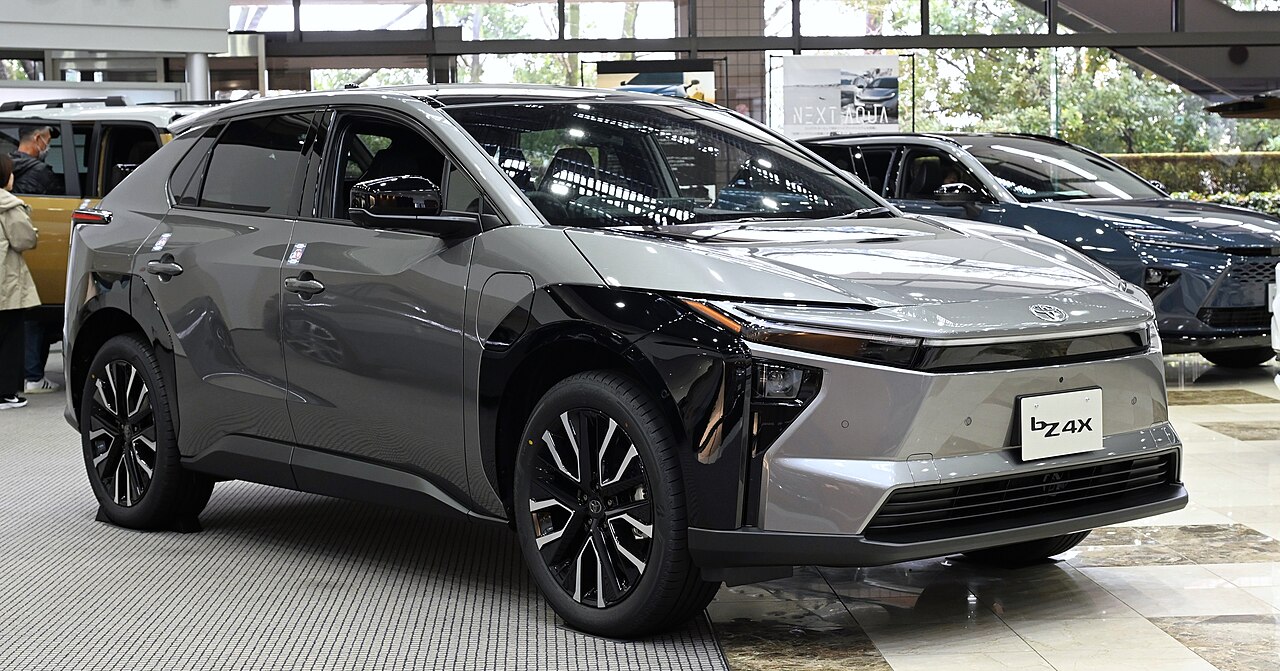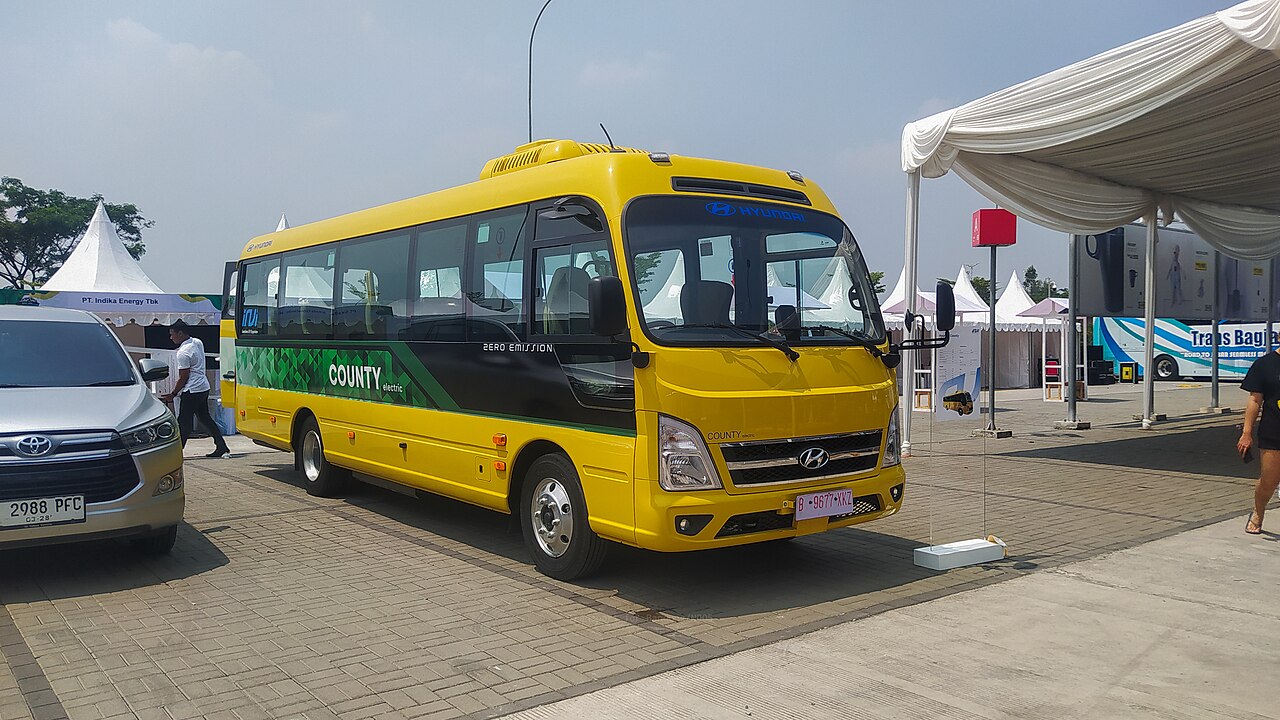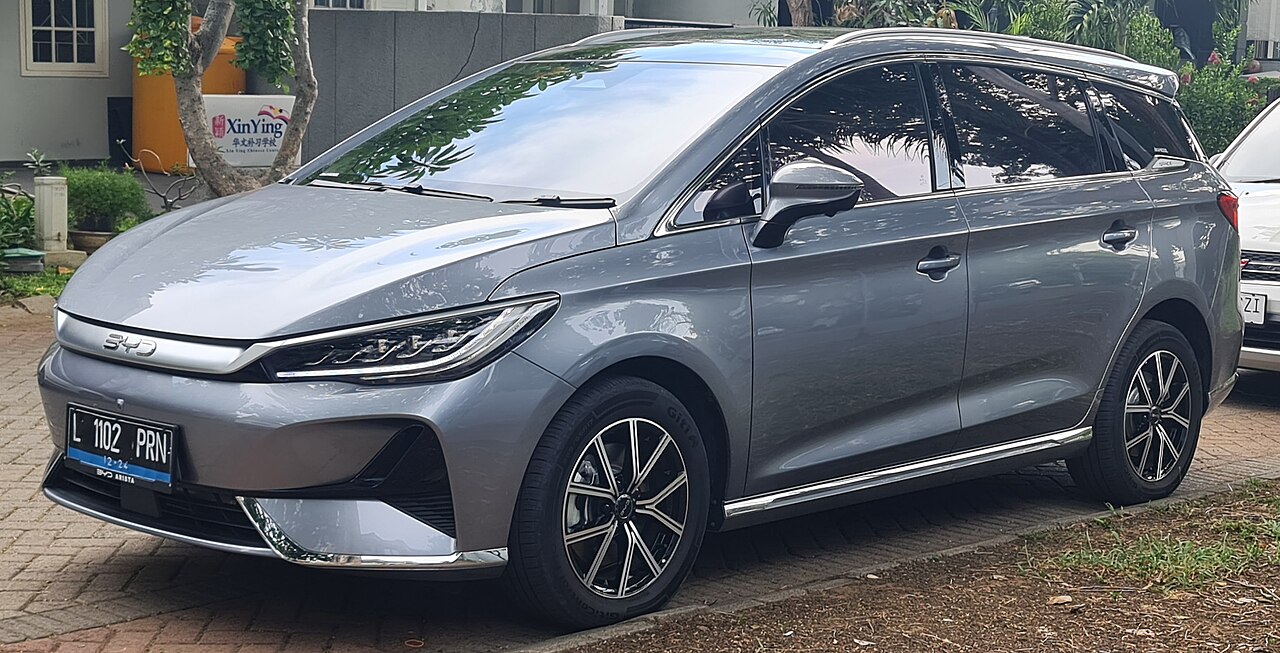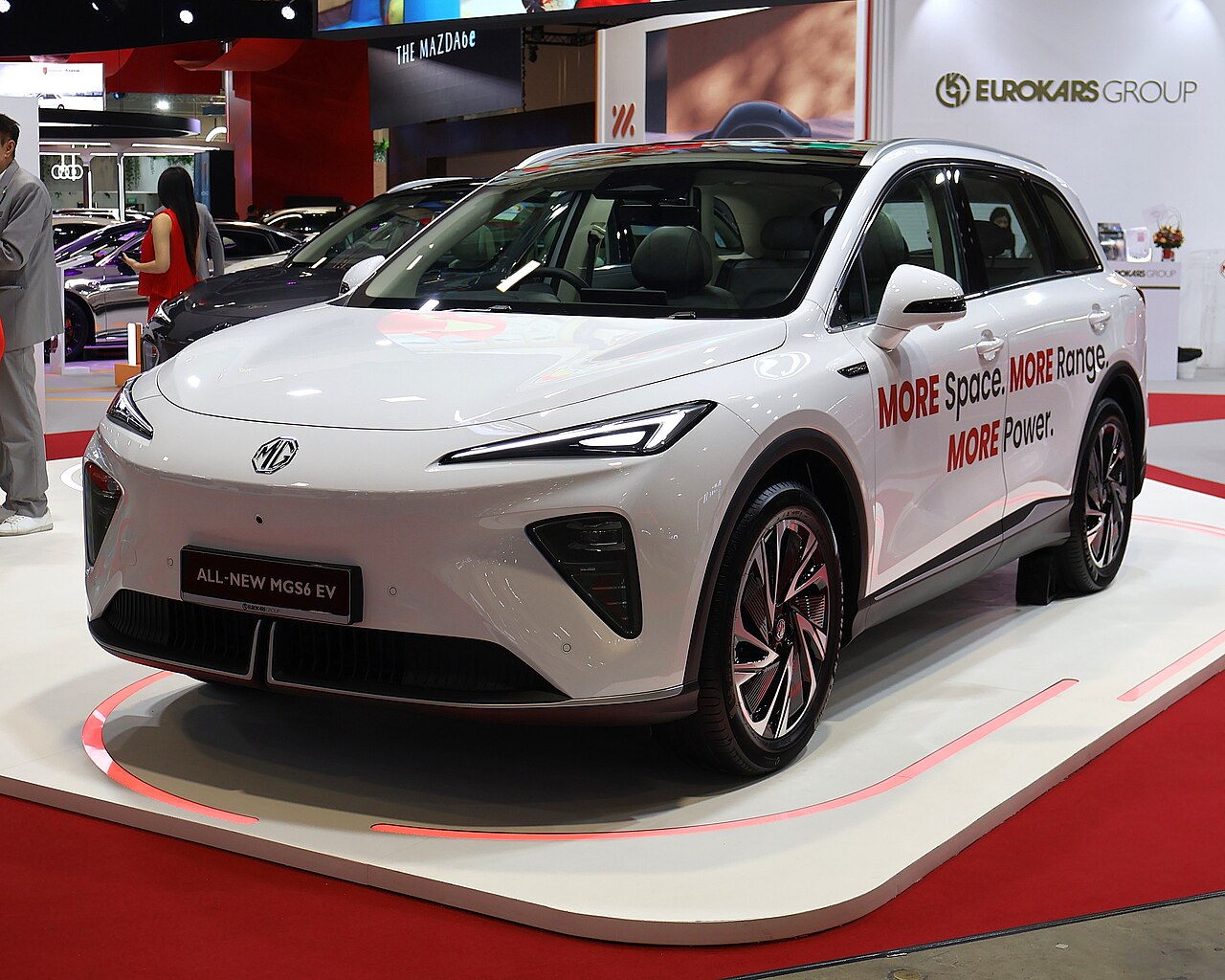
Top image: Photo: Andra Febrian, CC BY-SA 4.0, via Wikimedia Commons
Almost every Indonesian EV story this year has come back to one acronym: TKDN. Carmakers quote their TKDN scores at launches, ministers tie incentives to it, and the rule is about to get much tougher. This guide explains what TKDN is, what the schedule looks like, why batteries have become the deciding factor, and what it all means if you are shopping for an electric car or motorbike.
What TKDN means
TKDN stands for Tingkat Komponen Dalam Negeri, usually translated as “local content level”. It is a percentage, certified by the Ministry of Industry (Kemenperin), that measures how much of a product’s value is made in Indonesia. For battery electric vehicles it matters because it decides whether a car or motorbike counts as part of the national EV acceleration programme, and therefore whether it can qualify for the tax breaks attached to that programme.
None of the official statements reported this year spells out a simple formula that buyers can apply, so it is best to treat the figure as a certified score rather than something you can work out yourself. What officials have made clear is which parts move the needle most, and that is mainly the battery (more on that below).
The schedule: 40% now, 60% from 2027, 80% from 2030
The thresholds are set by Presidential Regulation (Perpres) 79/2023, which revised the original EV acceleration rule, Perpres 55/2019. According to CNN Indonesia, the current timetable is:
- Electric cars (four wheels or more): 35% for 2019–2021, 40% for 2022–2026, 60% for 2027–2029 and 80% from 2030.
- Electric motorbikes: 40% for 2019–2026, then the same 60% (2027–2029) and 80% (from 2030) steps.
The 2023 revision actually relaxed the original plan. Perpres 55/2019 would have required 60% for cars from 2024, and 80% for motorbikes from 2026. Perpres 79/2023 also exempts vehicles converted from petrol to electric by certified conversion workshops, which is relevant if you are considering a motorbike conversion.
Most sources give the 60% window as 2027–2029. An Australian fleet-industry summary published by AfMA in 2025 described it as 2027–2028, so if you see different end dates quoted, that is why; the Indonesian ministry statements this autumn use 2027–2029.
Deputy Industry Minister Faisol Riza restated the roadmap at the Periklindo Electric Vehicle Conference in Jakarta on 28 October, Kontan reported, saying industry now needs to move from growing the market to building domestic production capacity for batteries, modules and components.
Where carmakers stand today
The 40% bar is already widely met. Patia J. Monangdo, who leads the ministry’s battery EV industry working group, told a CNN Indonesia forum on 30 September that four-wheel EVs average roughly 45–47% local content, with the highest at 80%, and that more than 100 EV products hold TKDN certificates. He added that some electric motorbikes reach 65–70%.
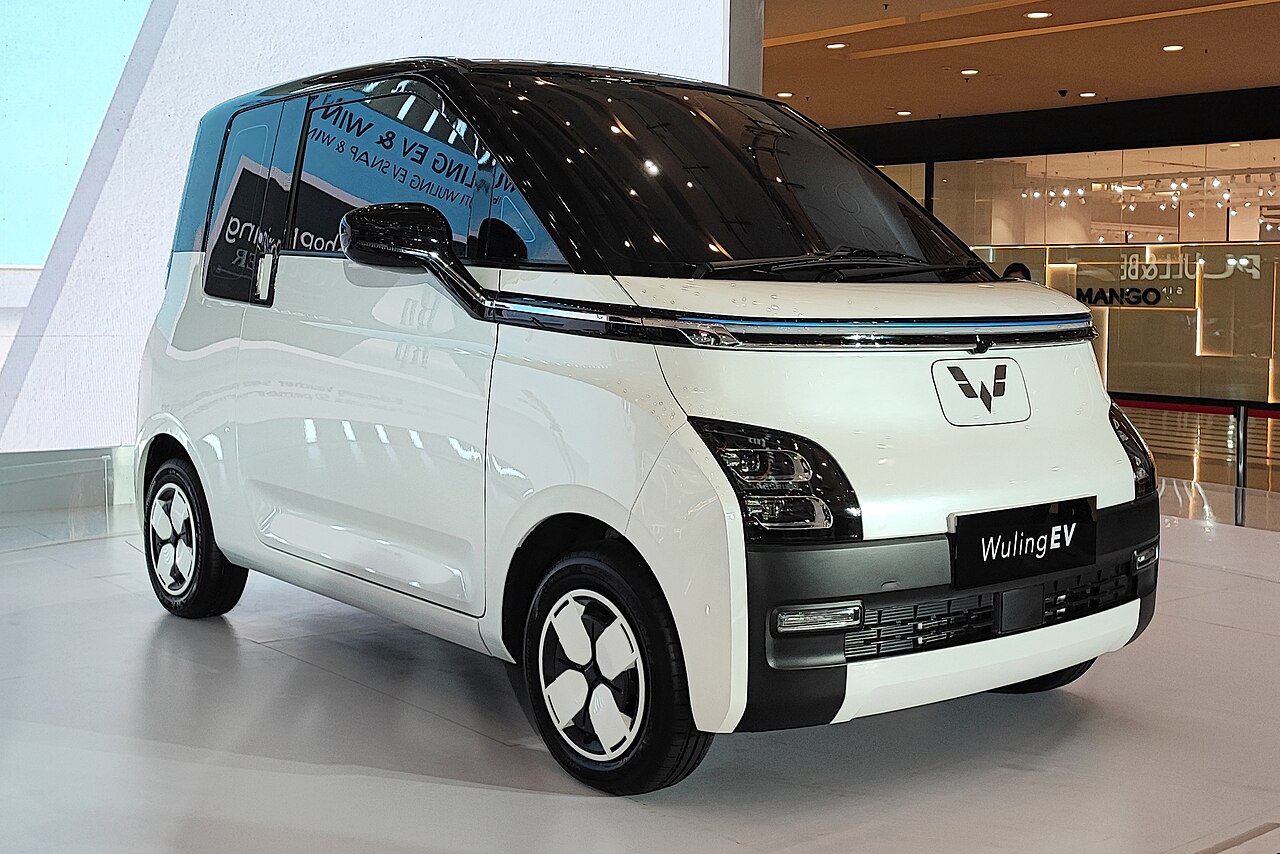
Moving from the mid-40s to 60% in about a year is the hard part. That is why recent launches have come with TKDN pledges, from BYD’s new Subang plant to Hyundai’s locally built Neira and Wuling’s five models, where economists have also warned about box-ticking rather than genuine localisation.
Why the battery is the key
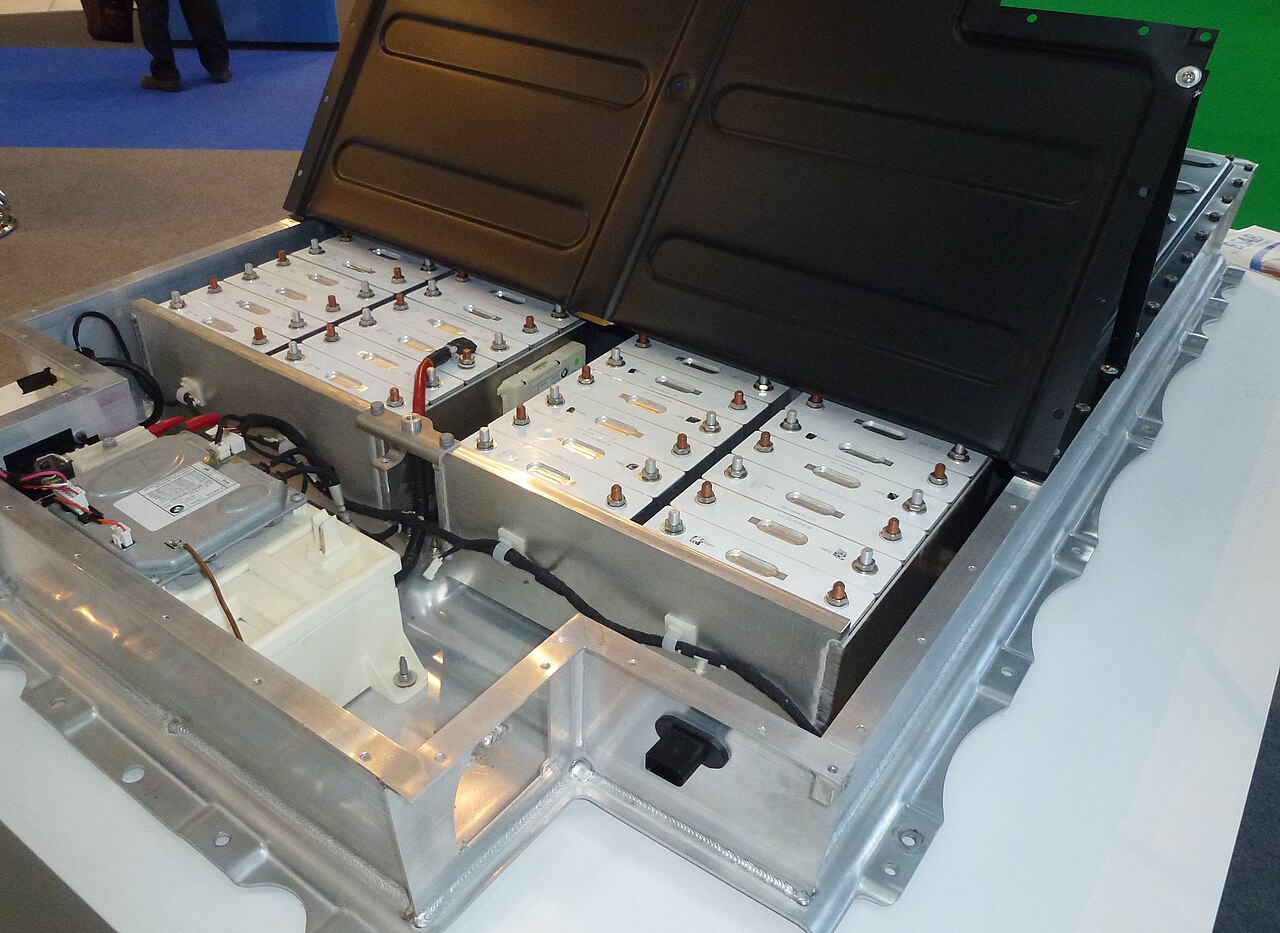
The battery is the single most valuable part of an EV, so where it is made largely decides whether a car can reach 60%. Setia Diarta, the ministry’s director general for metal, machinery, transport equipment and electronics industries (ILMATE), told reporters that the ministry’s own simulation shows a vehicle can hit 60% once its battery is assembled or produced in Indonesia, even if the car itself is not built in a local factory, Suara reported. In his words: “whether they have a factory or not, it is actually possible” (translated from Indonesian).
That links TKDN directly to Indonesia’s nickel and battery ambitions, and it is the reason the 2023 revision pushed the steps back: Rachmat Kaimuddin, then a deputy at the Coordinating Ministry for Maritime Affairs and Investment, told Antara at the time that hitting the targets depended on having domestically made batteries. Officials have now said that battery packs will need to be put together locally from 2027 (see our report on the DEN’s battery-pack comments), and the ministry is drafting an import-substitution roadmap that, according to Kontan, covers battery packs and housings alongside bodies, wiring harnesses, seats, interiors, glass, tyres and charging equipment. For more on the upstream side, read our battery industry guide and the latest on the nickel-to-cell chain.
How TKDN connects to incentives
TKDN is the gatekeeper for Indonesia’s EV tax support. Under the VAT scheme that ran in 2024 (Finance Ministry regulation PMK 8/2024), the government covered 10 percentage points of the 11% VAT on new electric cars and buses with at least 40% TKDN, leaving buyers to pay just 1%, DDTCNews reported. The tax office could reclaim the VAT if a vehicle later turned out not to meet the TKDN criteria. Incentive rules have changed since, so check our EV tax incentives guide for what applies now.
Imports are the other side of the coin. The scheme that let brands bring in fully built-up (CBU) EVs without import duty and luxury-goods tax was open only until the end of 2025. Companies that used it must now build cars locally to the TKDN schedule and lodged a guarantee equal to the incentive they received, which can be forfeited in proportion to any production shortfall, according to CNN Indonesia. Our report on imported EVs and the 60% rule covers how this affects brands still shipping cars in.
Looking ahead, Industry Minister Agus Gumiwang Kartasasmita said in September that the government was working on incentives weighted towards higher TKDN, with the ministry coordinating with the Finance Ministry, GridOto reported. No figures had been published at the time of writing.
What it means for buyers
- Check the TKDN status before you buy. A dealer should be able to tell you whether a model is TKDN-certified and at what level. That affects the tax treatment built into the on-the-road price.
- Expect more locally built models, and fewer cheap imports. With CBU incentives gone, brands that want to compete on price are moving assembly and battery work to Indonesia. Our EV directory notes where each brand assembles.
- Watch for price moves around January 2027. Models that cannot reach 60% could lose access to incentives, while those that do may be better placed to hold prices. Nothing is guaranteed until the 2027 incentive rules are published.
- Motorbike buyers are less exposed. Many electric motorbikes already exceed 60%, according to the ministry, so the step-up should matter less in that segment than for cars.
- Converted vehicles sit outside the rules, provided the work is done by a certified workshop.
The short version: TKDN is Indonesia’s way of turning EV demand into a domestic industry, and from 2027 a locally made battery will be close to essential for any EV that wants government support.
Sources: CNN Indonesia (30 Sep 2026); Kontan (28 Oct 2026); Suara.com (13 Oct 2026); GridOto (3 Sep 2026); DDTCNews (28 Feb 2024); AfMA (24 Sep 2025); Antara (15 Dec 2023).