Tag: Manufacturing

  • Ministry reaffirms 60% EV local-content rule from 2027 as EV share hits 16%

    Ministry reaffirms 60% EV local-content rule from 2027 as EV share hits 16%

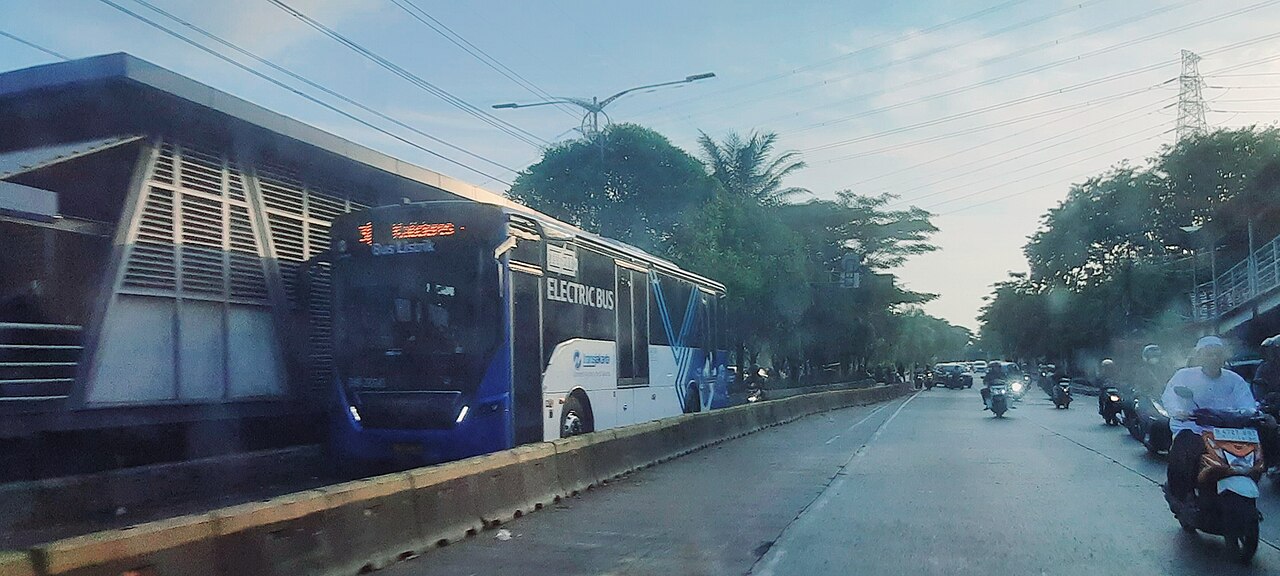
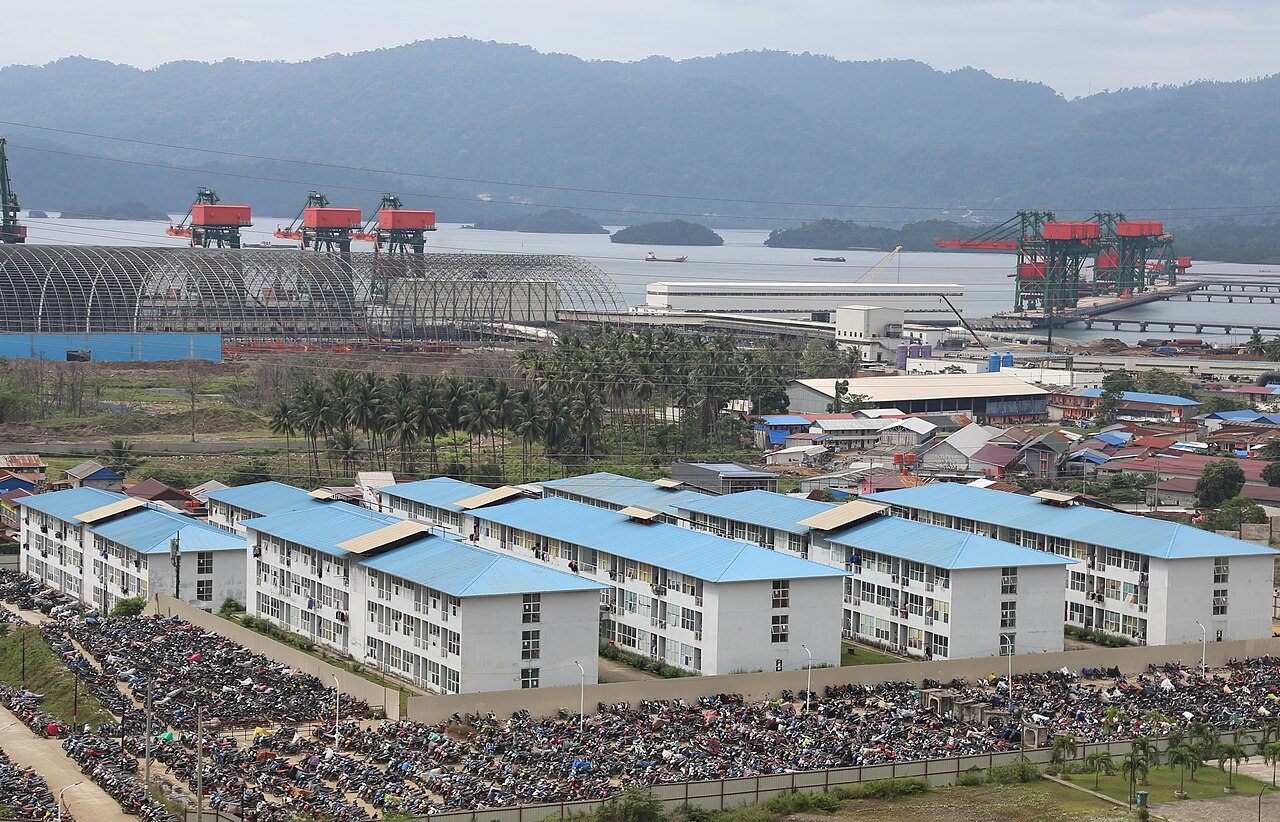
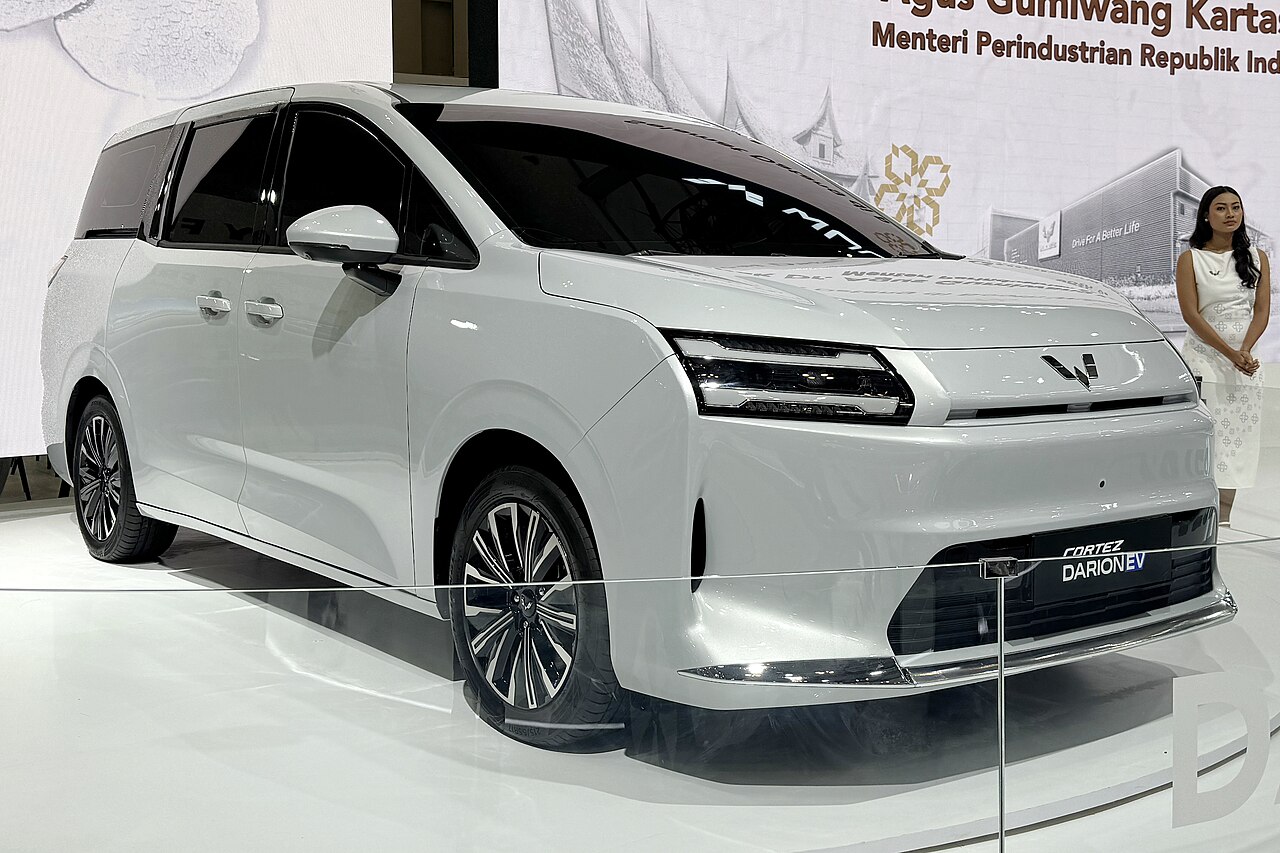
    Top image: Photo: Andra Febrian, CC BY 4.0, via Wikimedia Commons

    Indonesia’s Ministry of Industry has restated that locally built battery-electric vehicles will need to reach 60% local content (TKDN) from 2027, rising to 80% from 2030. Officials also said electric cars now make up 16% of the domestic market, and that EVs could overtake combustion-engine vehicles within the decade.

    The comments came at a forum on Wednesday 30 September titled “Powering Indonesia Future: Green Cars, Blue Skies”, CNN Indonesia reported. They come two days after the parts makers’ association GIAMM warned that the current rules leave little room for local suppliers.

    The timetable

    Patia J. Monangdo, head of the ministry’s working team for battery-based electric vehicles, set out the staged requirements. According to CNN Indonesia, the minimum local-content levels for electric cars are:

    • 2019–2021: 35%
    • 2022–2026: 40%
    • 2027–2029: 60%
    • 2030 onwards: 80%

    Similar stages apply to electric two- and three-wheelers, the report said.

    “The roadmap for 2026 is currently 40 per cent; from 2027 to 2029 it will be 60 per cent.” – Patia J. Monangdo, Ministry of Industry, to CNN Indonesia (translated from Indonesian)

    None of this is a new rule. The 60% level was first due in 2024 under Presidential Regulation 55/2019. It was pushed back to 2027 by Presidential Regulation 79/2023, signed in December 2023. That revision also exempted vehicles converted to electric power by certified workshops. It also said that companies which imported cars under the incentive scheme must build locally to the TKDN schedule, or repay an amount equivalent to the incentives they received.

    What the forum did show is that the government is not planning another delay. With 2027 only three months away, car makers have little time left to close the gap. According to CNN Indonesia, the average TKDN score for EVs in Indonesia is currently 45–47%. The highest is 80%, and more than 100 EV products have been certified. In July, Patia told Viva that one model had already reached 80%.

    EV share climbs to 16%

    Patia also gave new figures on how fast the market is growing. He said electric vehicles’ share of sales had been only around 2–3% previously, reached about 12% in 2025 and stands at 16% so far this year, Portal Media and CNN Indonesia reported. The reports did not say whether the figure covers only battery-electric cars or also includes hybrids. It is also not clear which sales measure it is based on, so it may not match Gaikindo’s monthly data exactly.

    He said Indonesia can produce almost 1.5 million motor vehicles a year. He also argued that the country’s nickel reserves should bring investment across the whole battery chain, from nickel processing and cathode and anode production to cell making and recycling. We cover this in our guide to Indonesia’s battery industry. The ministry says it will help component makers with certification, technical training and competency standards so that they can join EV supply chains.

    Overtaking petrol cars “by 2029–2031”

    Deputy Industry Minister Faisol Riza went further. CNN Indonesia reported that under the ministry’s fast-growth scenario, EVs could outnumber combustion-engine (ICE) vehicles in 2029–2031. Under a moderate scenario, battery-electric vehicles would overtake ICE in 2032–2034. He said the projection does not yet take hybrids and plug-in hybrids into account. The report’s headline refers to the vehicle “population”, but it does not explain whether the ministry means annual sales or the total number of vehicles on the road. The difference is large. With EVs at 16% of sales today, it would take much longer for them to outnumber ICE vehicles on the road than for them to outsell them.

    What it means for buyers

    • Local content is the price lever to watch. Indonesia’s EV incentives have been tied to TKDN thresholds, and the e-motorbike subsidy now under discussion also requires at least 40% local content, OtoDream reports. If car makers cannot reach 60% by 2027, and incentives stay linked to the minimum level, prices of some models could come under pressure unless makers use more local parts or change their line-ups.
    • Imported models are most exposed. Brands that entered with imported (CBU) cars under the incentive scheme have committed to local production. Buyers of those models may see changes in which variants are offered and how much they cost as local assembly begins.
    • Nickel-based batteries could become more common. The ministry’s focus on nickel suggests the government wants more nickel-based batteries in future locally built EVs.

    For current prices and models, see our electric car buying guide and the IndoEVs directory.

    Update, 13 October 2026: the ministry now says brands without an Indonesian assembly plant could still reach 60% by using locally made batteries. Read our follow-up.

    Explainer: new to local-content rules? Read our guide, TKDN explained: what Indonesia’s EV local-content rules mean for buyers.

    Sources: CNN Indonesia – TKDN rules; CNN Indonesia – TKDN roadmap; CNN Indonesia – 16% market share; CNN Indonesia – EV vs ICE projection; Portal Media; Viva (July 2026); OtoDream – e-motorbike incentive.
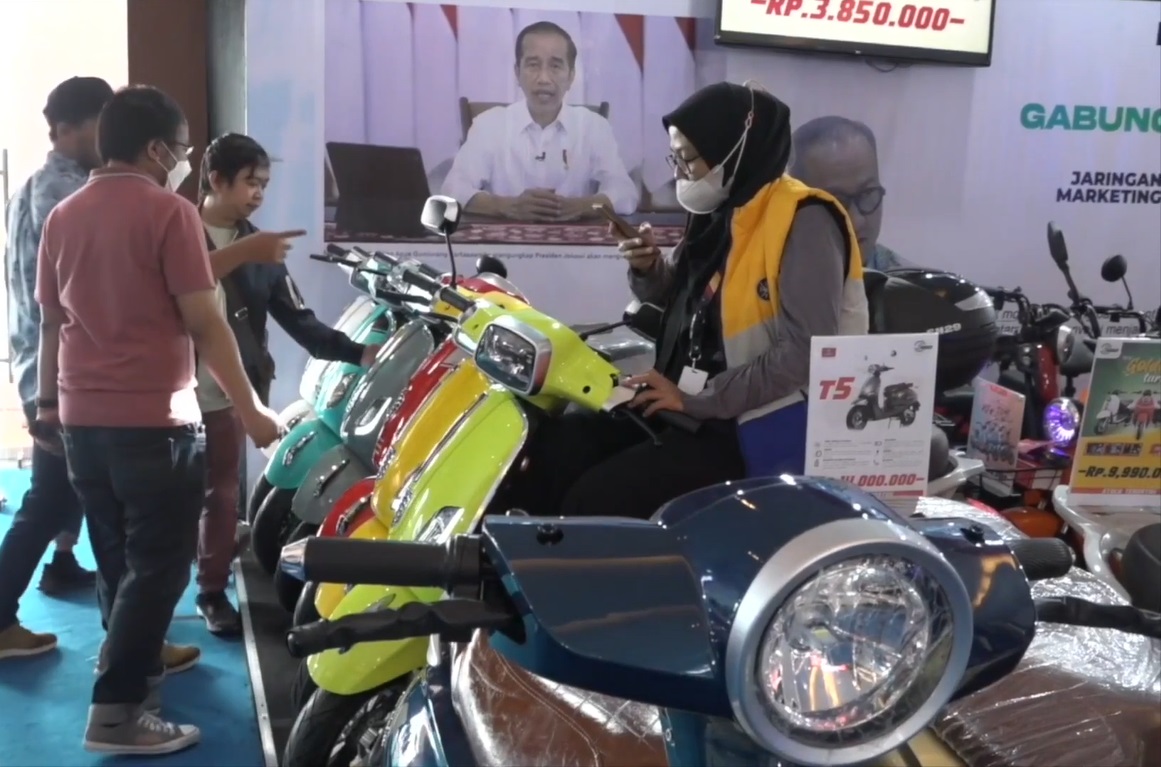
  • Parts makers say EV local-content rules leave little room for suppliers

    Parts makers say EV local-content rules leave little room for suppliers

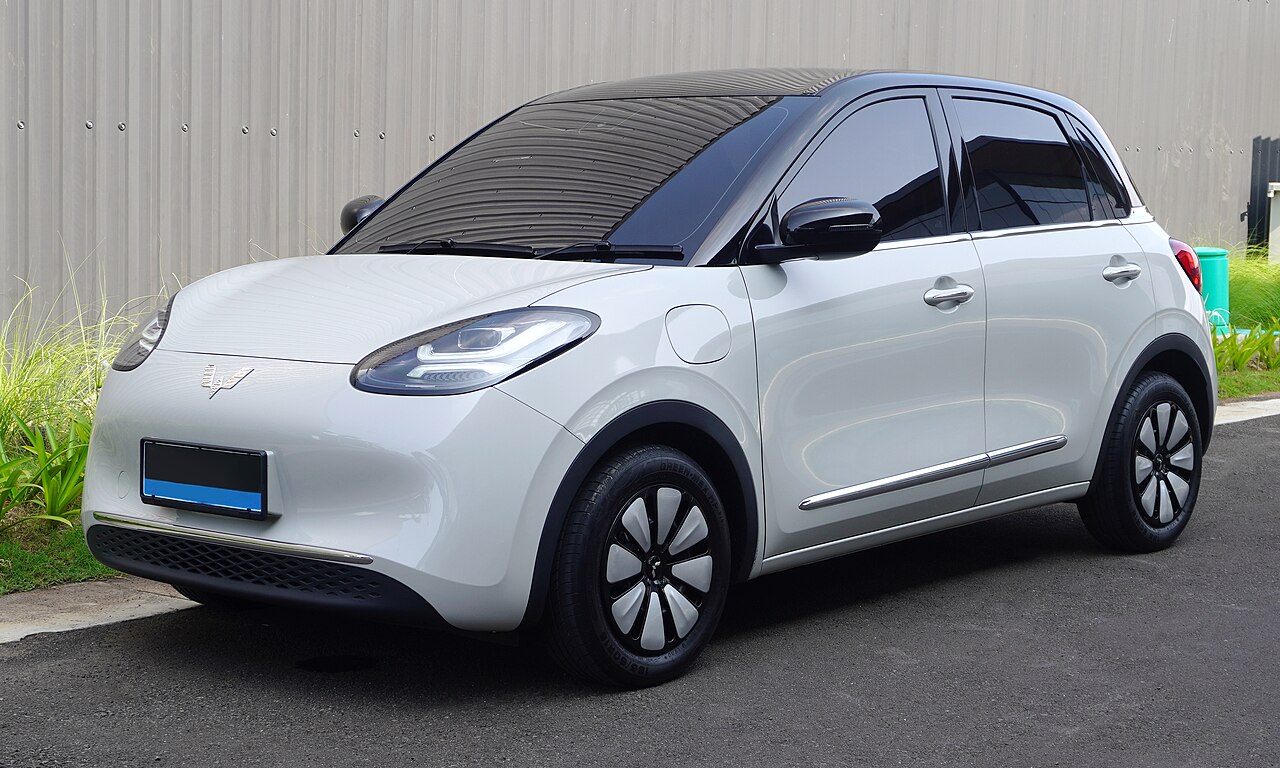
    Top image: Photo: Andra Febrian, CC BY-SA 4.0, via Wikimedia Commons

    Indonesia’s rule that locally built electric cars must reach 40% local content (TKDN) this year is doing less for domestic parts makers than the headline figure suggests, according to the country’s automotive component industry association.

    Rachmat Basuki, secretary general of GIAMM (Gabungan Industri Alat Mobil dan Motor), told CNBC Indonesia on Monday 28 September that only a narrow range of EV parts is currently sourced from Indonesian suppliers. He listed tyres, wheel rims, safety glass, wiring harnesses and some interior parts as the main examples.

    How the 40% is reached

    The explanation lies in how the TKDN score for electric cars is weighted. As Rachmat described it to CNBC Indonesia, the calculation gives:

    • 30% for carrying out vehicle assembly in Indonesia;
    • 40% for localising the battery, down to cell level;
    • 10% for localising other main or supporting components.

    That means a manufacturer that assembles its cars locally already has three-quarters of the 2026 target in hand. In Rachmat’s words, the remaining gap is closed by localising a handful of components, “although not yet on a large scale” (translated from Indonesian).

    For component makers, the practical effect is that a carmaker can clear the current bar without buying much from them. Rachmat said suppliers want a bigger role and noted that the government has twice organised business-matching sessions between parts makers and EV producers, on top of the contacts carmakers make on their own.

    The bar rises from 2027

    The pressure on the supply chain is set to grow. The Industry Ministry’s local-content path for EVs rises from 40% in 2026 to 60% for 2027–2029 and 80% from 2030, Antara reported earlier this month. Under the weighting described by GIAMM, those higher thresholds are hard to meet through assembly alone; they point towards local battery cells and a far deeper parts base. (This is our reading of the figures, not a statement by GIAMM.)

    The government is also looking at tying future incentives more directly to local content. Speaking at the opening of BYD’s Subang plant on 3 September, Industry Minister Agus Gumiwang Kartasasmita said his ministry had been asked to study incentive schemes linked to TKDN and would work with the Finance Ministry on the design, according to Antara. He said the higher a product’s TKDN score, the more attention it should get from government. Antara reported on 26 September that this work on TKDN-based EV incentives is continuing.

    We covered the BYD factory opening and its local-content plans at the time, and the parallel debate on the motorbike side, where ALVA told lawmakers local suppliers are the bottleneck as TKDN requirements climb.

    Why batteries matter most

    With battery localisation carrying the single largest weight in the formula, cell production is the lever that will decide whether carmakers can hit 60% and later 80%. That links the car market directly to Indonesia’s nickel and battery investment push, including the CATL–IBC plant in Karawang. Our guide to Indonesia’s EV and battery industry explains how those pieces fit together.

    What it means for buyers

    The 40% rule for 2026 is already in place, so nothing changes at the showroom as a result of these comments. The bigger question is 2027. If incentives are rewritten to reward higher TKDN scores, brands that have invested in local cells and parts could gain a price advantage, while those relying mainly on local assembly may have to absorb costs or raise prices. Buyers comparing models over the next year may find it worth asking dealers whether a car is locally assembled and what its TKDN rating is. Our electric car buying guide covers the current line-up and prices.

    Update, 30 September: The Ministry of Industry has confirmed that the requirement will rise to 60% local content from 2027 and 80% from 2030. Read our follow-up.

    Sources: CNBC Indonesia, 28 Sep 2026; Antara, 3 Sep 2026; Antara, 26 Sep 2026

  • ALVA tells lawmakers local suppliers are the hurdle as TKDN bar rises

    ALVA tells lawmakers local suppliers are the hurdle as TKDN bar rises

    Top image: Photo: AntaraTV, CC BY 3.0, via Wikimedia Commons

    Indonesian electric-motorbike maker ALVA has told members of parliament that building a local supply chain, not factory capacity, is the main obstacle to raising the share of domestic parts in its scooters. The message comes as the government’s local-content (TKDN) requirements for EVs are set to climb in stages towards 80%.

    Parliamentary visit to Bekasi

    A working committee (Panja) of the House of Representatives’ Commission VII, which is preparing a bill on industrial estates, visited the plant of PT Ilectra Motor Group, ALVA’s maker, in the Lippo industrial zone in Bekasi on 25 September, Suara reported. Chief executive Purbaja Pantja told the delegation that developing the EV industry is about building a supporting ecosystem as much as production capacity.

    The company presented these figures, according to the report:

    • annual production capacity of 100,000 units;
    • local content above 40% across all its products, with frames, body panels and braking systems sourced locally, plus battery boxes and brackets from two state-backed small and medium-sized suppliers;
    • more than 590 “Boost Charge” fast-charging connectors nationwide, up from about 150 previously; and
    • 19 sales points, 10 experience centres and over 130 after-sales service locations.

    Four problems with going more local

    ALVA listed the obstacles to pushing localisation further: a small market, local suppliers that are not yet ready, the cost of investing in tooling, and the need for policy certainty. The first and last are linked. Electric-motorbike sales have slumped this year as buyers wait for a promised purchase incentive, as we reported earlier this week, and lower volumes make it harder to justify investing in local parts.

    The TKDN staircase

    According to a Jawa Pos report published the same day, the roadmap for EV local content sets a minimum of 40% in 2026, rising to 60% in 2027–2028 and 80% by 2030. Components maker Dharma Polimetal (DRMA) said it is ready to supply more locally made parts if the thresholds rise. “TKDN is very important, because it will help local industry grow and absorb workers,” director Darmawan Widjaja said (translated from Indonesian). He added that localisation pays off once volumes are large enough.

    That last point echoes ALVA’s case to lawmakers: suppliers will commit to local production when they can see steady demand, and demand depends partly on incentives that themselves are usually tied to TKDN levels.

    What it means for buyers

    Local-content rules matter to buyers because government incentives for EVs are generally linked to them, so a brand that meets the threshold is better placed to offer a subsidised price when a scheme is running. More local parts should, over time, also mean easier access to spares and repairs. For now, ALVA’s figures suggest its range already clears the 40% bar. If you are comparing electric scooters, our electric motorbike buyer’s guide and the motorbike section of our EV directory list the main brands and prices.

    Related: Parts makers say EV local-content rules leave little room for suppliers

    Explainer: new to local-content rules? Read our guide, TKDN explained: what Indonesia’s EV local-content rules mean for buyers.

    Sources: Suara: ALVA outlines e-motorbike and TKDN challenges to DPR (25 Sep 2026); Jawa Pos: EV TKDN to rise in stages to 80%, DRMA ready (25 Sep 2026)

  • BYD opens 150,000-unit Subang factory, eyes 60% local content by 2027

    BYD opens 150,000-unit Subang factory, eyes 60% local content by 2027

    Top image: Photo: Exynoss78739, CC BY 4.0, via Wikimedia Commons

    BYD has formally opened its first Indonesian car factory, a 126-hectare site in the Subang Smartpolitan industrial estate in West Java, marking the Chinese brand’s shift from importing cars to building them locally. The plant was inaugurated on Thursday 3 September 2026 and has an annual production capacity of 150,000 vehicles.

    Investment, jobs and first models

    CNN Indonesia reported the investment at Rp11.6 trillion. The facility covers the core stages of car manufacturing – stamping, welding, painting and final assembly – and currently employs around 5,000 local workers, a figure that could rise to more than 20,000 once the plant runs at full capacity. The first model off the line was the BYD M6 DM plug-in hybrid MPV, which CNN Indonesia said carries local content of more than 40%.

    According to Antara, the plant’s line-up also includes the Atto 1, the battery-electric M6 and models from BYD’s premium Denza brand (since renamed Danza in Indonesia). detikOto reported that the factory is already producing around 10,000 units a month.

    Local-content targets and batteries next

    The opening comes as Indonesia tightens its local-content rules for electric vehicles. As The Jakarta Post noted, the domestic component threshold (known as TKDN) stands at 40% this year, rises to 60% from January 2027 and is set to reach 80% by 2030. BYD Indonesia president director Eagle Zhao told Antara that the company would be ready for the higher bar:

    “In 2027, we will certainly be the first to stand in support of the TKDN requirement, which will become 60 per cent.” – Eagle Zhao, BYD Motor Indonesia, to Antara (translated from Indonesian)

    Mr Zhao said battery assembly would form the next phase of BYD’s Indonesian investment, arguing that a product cannot truly be called Indonesian-made without a comprehensive local production process. BYD has also sent hundreds of Indonesian technicians and engineers to its research and development centre in China, according to Antara. The Jakarta Post reported that Mr Zhao sees Subang as a potential regional export base as well as a supplier to the home market.

    Government message

    President Prabowo Subianto did not attend the ceremony. Industry Minister Agus Gumiwang Kartasasmita delivered a message on his behalf, telling the audience that the transition of the market towards green mobility and electric vehicles needed to move faster, detikOto reported. CNN Indonesia said the minister described the plant as a milestone in moving from simply dominating sales to strengthening domestic components within the EV ecosystem.

    BYD Co. vice-president Liu Xueliang called the opening important not only for the company but for the Indonesian government. detikOto noted that Indonesian EV sales reached 83,758 units in January–July 2026, up 88.6% year on year – a market in which BYD has become the leading brand.

    What it means for buyers

    Local assembly matters for Indonesian buyers in several ways. The tax exemptions that allowed brands to import fully built EVs ended in 2025, so producing locally is now the main route for manufacturers to keep prices competitive. A domestic plant should also mean shorter waiting times, easier access to parts and, eventually, locally assembled batteries. Buyers comparing BYD models should check which variants are built in Subang and what local-content level they carry, as this can affect eligibility for government incentives.

    Several other brands, including VinFast, are pursuing local production in Indonesia, and the BYD opening raises the stakes for competitors ahead of the 60% local-content deadline in January 2027.

    Related on IndoEVs

    Related: Parts makers say EV local-content rules leave little room for suppliers

    Sources: CNN Indonesia – Pabrik BYD senilai Rp11 triliun di Subang akhirnya diresmikan; Antara – Usai resmikan pabrik Subang, BYD siapkan perakitan baterai di RI; detikOto – Pesan Presiden Prabowo buat BYD yang baru resmikan pabrik di Subang; The Jakarta Post – EV push gains traction as factories expand

  • CATL-IBC battery plant in Karawang starts phased operations

    CATL-IBC battery plant in Karawang starts phased operations

    Top image: Photo: Ministry of Public Works of Indonesia – Kementerian PUPR Republik Indonesia, Public domain, via Wikimedia Commons

    Indonesia’s flagship electric vehicle battery factory, a joint venture between China’s CATL and state-owned Indonesia Battery Corporation (IBC) in Karawang, West Java, has begun operating on a phased basis, government officials said in August. The plant is a key piece of Jakarta’s plan to turn the country’s vast nickel reserves into a domestic battery industry.

    Commissioning under way

    Ahmad Erani Yustika, secretary-general of the Ministry of Energy and Mineral Resources, confirmed the start of operations to Bloomberg Technoz on 21 August:

    “It may still be in stages, but it has started operating.” – Ahmad Erani Yustika, Ministry of Energy and Mineral Resources, to Bloomberg Technoz (translated from Indonesian)

    Bloomberg Technoz reported that commissioning was under way and that the factory had been expected to be formally inaugurated by President Prabowo Subianto before Independence Day on 17 August, although the ceremony was still awaiting a date in the president’s schedule. English-language outlet Investortrust described the start as trial runs and quoted Mr Erani as saying construction was effectively complete.

    Cells, modules and packs

    The plant is run by PT Contemporary Amperex Technology Indonesia Battery (CATIB), a company formed by CATL subsidiary CBL, mining firm Antam and IBC. Speaking to Bisnis.com in June, IBC chief executive Aditya Farhan Arif said CATIB would produce battery cells, modules and complete battery packs, serving both electric vehicles and battery energy storage systems (BESS).

    Initial capacity is 6.9 GWh a year, with plans to expand to 15 GWh – more than double – which Bisnis said was targeted for the following year. Mr Aditya signalled that the pace of expansion would depend on the market:

    “With batteries, a battery factory really has to wait for demand.” – Aditya Farhan Arif, IBC, to Bisnis.com (translated from Indonesian)

    IBC has also said it hopes to export batteries to Europe, kumparan reported in May.

    Part of a larger nickel-to-EV chain

    According to Investortrust, the Karawang plant represents an investment of about US$1.2 billion and forms part of the wider Indonesia Battery Integration Project, valued at US$5.9–6 billion, which aims to link nickel mining and processing with cell production and recycling. The outlet also quoted President Prabowo setting a goal of large-scale commercial production of Indonesian electric passenger cars by 2028.

    Indonesia holds the world’s largest nickel reserves, and nickel-based chemistries such as NMC are central to the government’s industrial strategy. However, many of the most popular EVs now sold in Indonesia use lithium iron phosphate (LFP) batteries, which contain no nickel – one reason why officials are keen to secure a domestic cell supply chain that carmakers will actually use. Whether the Karawang plant’s output ends up in locally assembled cars, energy storage or exports will be closely watched.

    What it means for buyers

    For now, the start of production at Karawang will not change the price of any EV in a showroom. Over time, however, a domestic source of cells and packs should help carmakers meet Indonesia’s rising local-content requirements – 60% from January 2027 – which determine eligibility for tax incentives. Locally made batteries could also make replacement packs and battery servicing easier and cheaper to obtain, a common concern for Indonesian buyers weighing up an EV’s long-term running costs.

    Related on IndoEVs

    Update (27 October 2026): The plant has been producing since July, and the government says President Prabowo will formally open it soon. Read our follow-up.

    Sources: Bloomberg Technoz – Pabrik Baterai CATL & IBC di Karawang Resmi Beroperasi; Bisnis.com – Pabrik Baterai CATL-IBC di Karawang Punya Kapasitas Awal 6,9 GWh per Tahun; Investortrust – CATL-IBC battery plant begins trial runs in West Java; kumparan – Pabrik Baterai Listrik di Karawang Beroperasi Juli 2026, IBC Mau Ekspor ke Eropa