
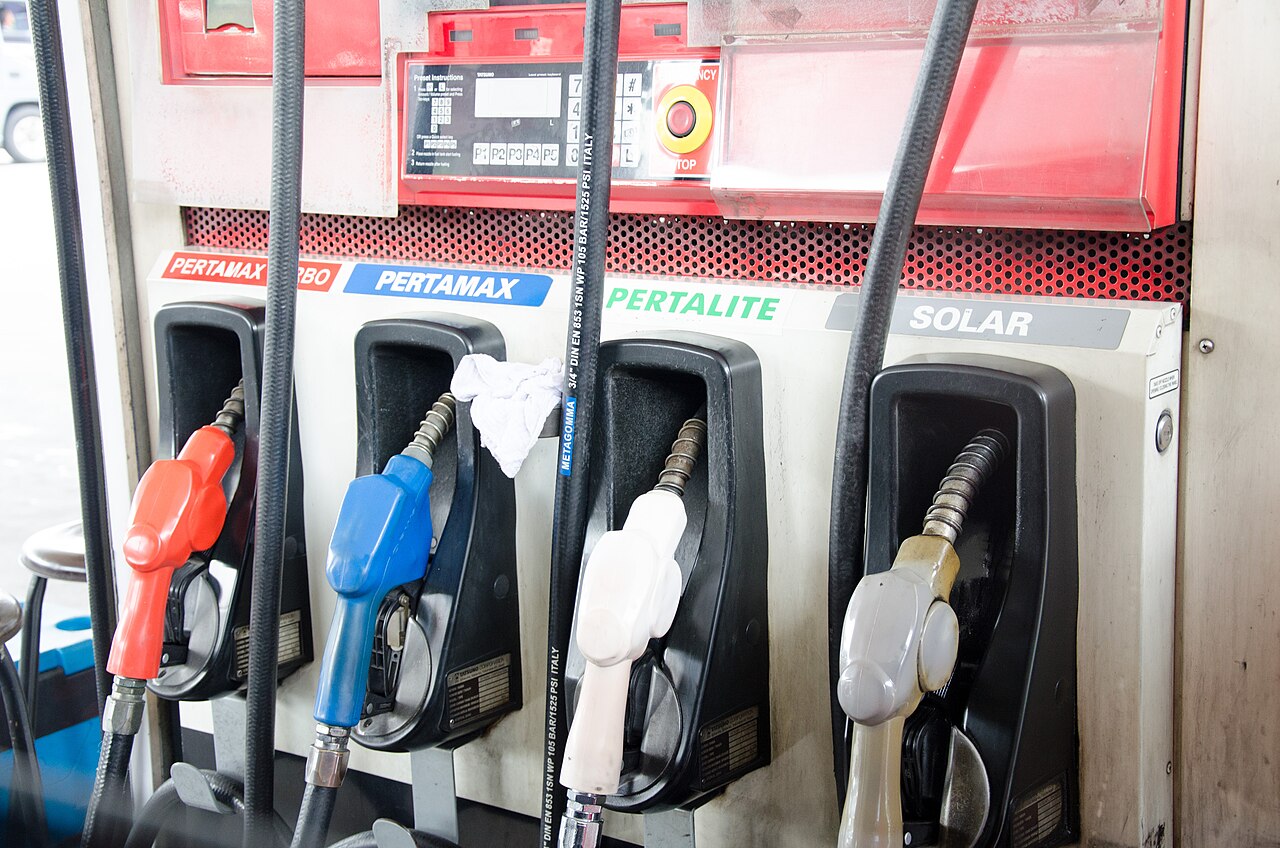
Top image: Photo: Henri Aja, CC BY-SA 4.0, via Wikimedia Commons

Three state-owned companies have agreed to work together on the charging and battery-swapping network that Indonesia’s national electric motorcycle programme, Molinas, will need if it is to reach riders beyond the big cities. Fuel retailer Pertamina Patra Niaga, state electricity company PLN and defence and technology firm Len Industri signed a memorandum of understanding (MoU) in Jakarta on Tuesday 27 October, with senior figures from the sovereign wealth fund Danantara attending, according to Antara and Liputan6. The agreement was made public on Friday 30 October.
Fuel stations as the backbone
Pertamina Patra Niaga’s part of the deal is the retail end. The company plans to fit charging and battery-swap facilities into its network of SPBU fuel stations and other strategic retail sites, building on its existing “Green Energy Station” concept.
Both reports give the same figures for what is already in place:
- 837 SPBU fuel stations have been developed into Green Energy Stations;
- 112 EV charging units are installed at SPBU sites;
- 122 battery-swapping units are installed at SPBU sites.
Neither report sets out a target number of new charging or swap points, a timetable, an investment figure or a detailed split of responsibilities between PLN and Len Industri. As an MoU, the agreement is a framework for cooperation rather than a binding roll-out plan.
Eko Ricky, retail marketing director at Pertamina Patra Niaga, framed the deal as being about more than the motorbikes themselves. “We aim to ensure the transition to electric vehicles goes beyond merely providing the vehicles themselves,” he said, as quoted by Antara. He added that the goal was an energy ecosystem that is reliable and accessible across Indonesia’s regions.
Where Molinas stands
President Prabowo Subianto launched Molinas in August as a push to build a domestic electric two-wheeler industry, covering components, assembly, batteries and after-sales service, and to put Indonesia’s nickel resources to use. Antara links the new MoU to Indonesia’s goal of net-zero emissions by 2060 or sooner and to the government’s aim of cutting emissions from transport.
The deal is a follow-up to that launch rather than a change to the bikes on offer: neither source gives new details on Molinas models, prices or sales dates.
What it means for buyers
For riders, the practical question with any electric motorbike in Indonesia is less the purchase price than where to recharge or swap a battery away from home. Putting charging and swap points at Pertamina fuel stations, which are already found along main roads across the archipelago, would address that directly, but on the figures reported so far the network is still small: 122 swap units across SPBU sites is modest set against a country of Indonesia’s size.
Two things are worth watching before buying with this network in mind. The first is whether Molinas bikes will use swappable batteries that fit the stations Pertamina already operates, which neither report says. The second is how quickly the 837 Green Energy Stations gain charging or swap equipment, since the reported numbers show that most do not yet have it. Until those details emerge, home charging remains the main option for most e-motorbike owners. Our electric motorbike buyer’s guide explains the trade-offs between plug-in and battery-swap models, and our EV directory lists the motorbike brands and charging companies active in Indonesia.
Sources: Antara News – Three state firms align to drive Indonesia’s e-motorcycle program; Liputan6 – Pertamina Patra Niaga, PLN dan Len siapkan infrastruktur charging dan swapping motor listrik (Indonesian).