
Tag: Battery swap

  • Charging an EV in Indonesia: SPKLU, Home Charging and Battery Swapping Explained

    Charging an EV in Indonesia: SPKLU, Home Charging and Battery Swapping Explained

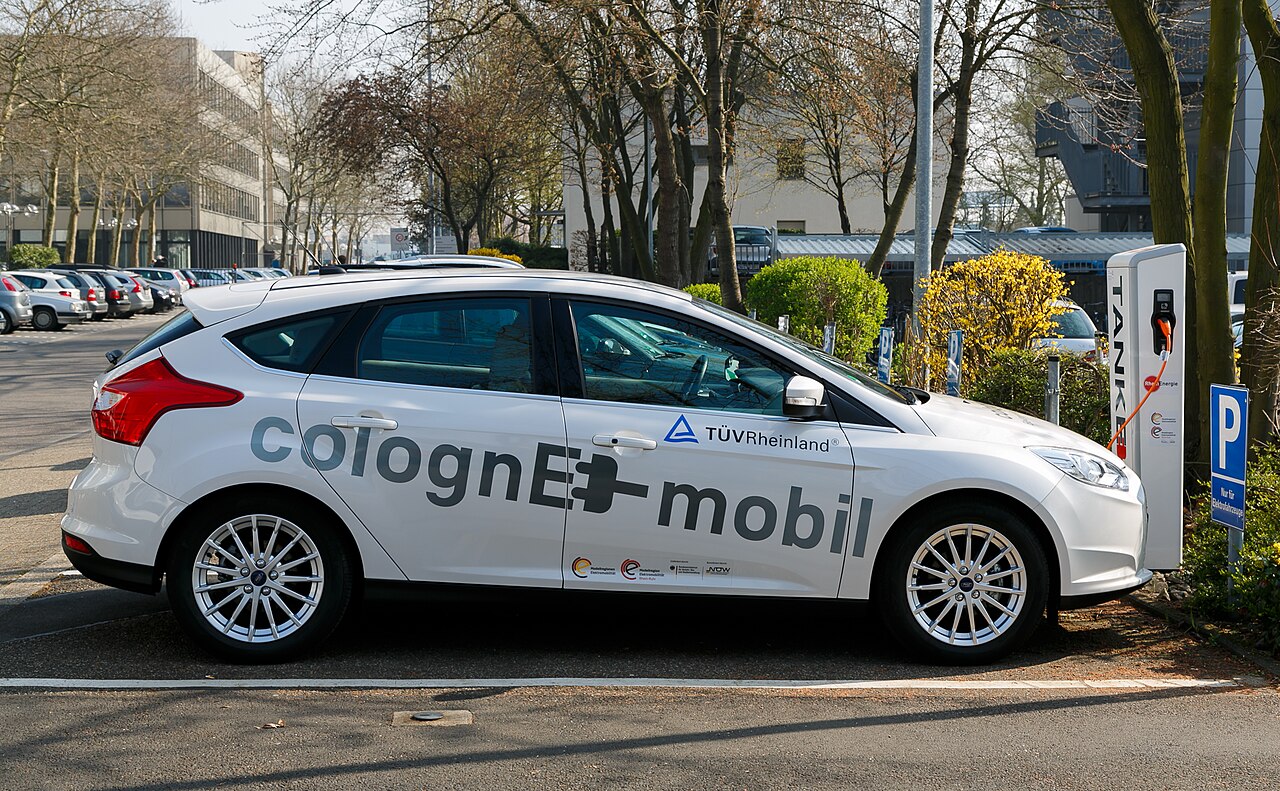
    Top image: Photo: CEphoto, Uwe Aranas, CC BY-SA 3.0, via Wikimedia Commons

    Where and how to charge is the first practical question most new EV owners in Indonesia ask. The answer depends on where you live, how far you drive and whether you ride a scooter or drive a car. This guide explains the public SPKLU network run by the state electricity company PLN and its partners, what charging costs, how home charging works, what the battery-swap stations (SPBKLU) for motorbikes are, and which connector your vehicle probably uses.

    The SPKLU network: how big is it?

    SPKLU (Stasiun Pengisian Kendaraan Listrik Umum) are public charging stations. PLN operated 4,655 of them at the end of 2025. By June 2026, PLN and its partners had 5,016 units at 3,132 locations, according to PLN figures reported by Periskop. Use is climbing fast. SPKLU delivered 62.4 million kWh in the first half of 2026, more than the 48.5 million kWh for the whole of 2025.

    The energy ministry’s target is much bigger: 62,918 four-wheel SPKLU by 2030. Coverage is also uneven. Most chargers are in Java’s cities and along the main toll roads. For the 2026 Lebaran homecoming, PLN had 4,769 SPKLU ready at 3,097 points, on average about 22 km apart. Other islands have far fewer.

    Types of public charger

    SPKLU fall into broad classes by power output. The categories below are from a guide by Auto2000:

    • Standard (below 7 kW): an overnight top-up taking 8–12 hours.
    • Medium (7–22 kW): AC charging, about 4–8 hours.
    • Fast (22–50 kW): DC charging, about 1–2 hours.
    • Ultra-fast (above 50 kW): DC charging, from about 30 minutes to an hour for many cars.

    Actual times depend on the car’s battery size and the maximum power it can accept.

    What public charging costs

    The energy ministry has set the base SPKLU tariff at about Rp2,467 per kWh. On top of that, Energy Minister Decree 182/2023 allows a service fee of up to Rp25,000 per session for fast charging and up to Rp57,000 per session for ultra-fast charging (Republika). Auto2000’s 2026 guide puts the base rate at roughly Rp2,466–2,475 per kWh. As a rough guide, adding 40 kWh at a fast charger costs about Rp99,000 in energy plus the session fee. That is still well below the cost of the petrol for the same distance.

    Using the PLN Mobile app

    Most PLN-network chargers are run through the PLN Mobile app. Payment is cashless and the steps are straightforward:

    1. Open the app’s EV section and find an SPKLU near you. The map shows whether chargers are free.
    2. Choose a unit and scan its QR code.
    3. Plug in the connector that matches your car.
    4. Pay in the app, start charging and follow the progress on your phone.

    The app also has antreEV, a digital queue for busy chargers, and a Trip Planner that suggests SPKLU along your route, Periskop reports. Private operators such as Starvo have their own apps. On a long trip it helps to have more than one installed.

    Charging at home

    For most car owners, home is where most charging happens. It is also the cheapest option. Two things matter.

    Your electricity connection

    Household tariffs depend on your connection. In the third quarter of 2026, non-subsidised homes paid about Rp1,444.70 per kWh for 1,300–2,200 VA connections and about Rp1,699.53 for larger ones (Nasional.news). A 7 kW wallbox needs more capacity than many homes have, so you may have to upgrade. PLN’s Home Charging Service (HCS) promotion halved the connection fee until June 2026, bringing a new single-phase 7,700 VA connection down from Rp7,461,300 to Rp3,730,650. Ask PLN whether a similar offer is running now.

    The night-time discount

    PLN gives EV owners a 30% discount on electricity used for charging between 22:00 and 05:00 (GridOto). Setting a timer on your charger or car is the easiest way to save money.

    Connector types: Type 2, CCS2 and others

    Most cars sold officially in Indonesia use:

    • Type 2: the standard AC connector, used for home wallboxes and slower public chargers.
    • CCS2 (Combo 2): a Type 2 plug with two extra DC pins. It is the main standard for DC fast charging and is used by brands such as Hyundai, BMW and Chery, and by many BYD models.

    Some models from Chinese brands, including certain Wuling products, use the Chinese GB/T standard. CHAdeMO is now found mainly on older cars such as the first-generation Nissan Leaf, and fewer stations offer it, according to charging operator Starvo. Look at your car’s charging port or the handbook, and filter chargers by connector in the app before you set off.

    Battery swapping for motorbikes (SPBKLU)

    Most electric scooters can be charged from a normal socket, but that takes a few hours. SPBKLU (Stasiun Penukaran Baterai Kendaraan Listrik Umum) let riders swap a flat battery for a charged one in moments. The motorbike association Aismoli counted 1,907 SPBKLU by March 2026, most of them on Java. PLN Mobile listed 1,118 PLN-operated swap cabinets, plus 603 SPKLU for two-wheelers and 9,601 general-purpose SPLU charging points (Otodream). Swap batteries usually only fit particular brands, so check compatibility before you rely on a network.

    Prices, tariffs and incentive rules in Indonesia change often, sometimes month to month. Figures here were correct according to the sources linked at the time of writing; always confirm current prices, promotions and eligibility with an authorised dealer or the relevant provider before you commit.

    FAQ

    How much does it cost to charge at an SPKLU?

    About Rp2,467 per kWh, plus a service fee of up to Rp25,000 per session on fast chargers or up to Rp57,000 on ultra-fast chargers.

    How many SPKLU are there in Indonesia?

    PLN and its partners had 5,016 units at 3,132 locations by June 2026. The 2030 target is almost 63,000.

    Which connector does my car use?

    Most cars sold in Indonesia use Type 2 for AC and CCS2 for DC fast charging. Some Chinese-brand models use GB/T.

    Is there a discount for charging at home?

    Yes. PLN offers 30% off electricity used for EV charging between 22:00 and 05:00.

    Sources: Periskop – Konsumsi SPKLU Tembus 62,4 Juta kWh; PLN – PLN Operasikan 4.655 SPKLU Sepanjang 2025; Republika – Isi Daya Fast Charging di SPKLU Kena Tambahan Biaya; Auto2000 – SPKLU PLN 2026: Panduan Lengkap; Nasional.news – Tarif Listrik PLN September 2026; GridOto – PLN Diskon 50 Persen Pemasangan Home Charging Service; Starvo – Standar Konektor Mobil Listrik di Indonesia; Otodream – Infrastruktur SPLU dan Penukaran Baterai
  • Electric Motorbikes in Indonesia: A Buyer’s Guide

    Electric Motorbikes in Indonesia: A Buyer’s Guide

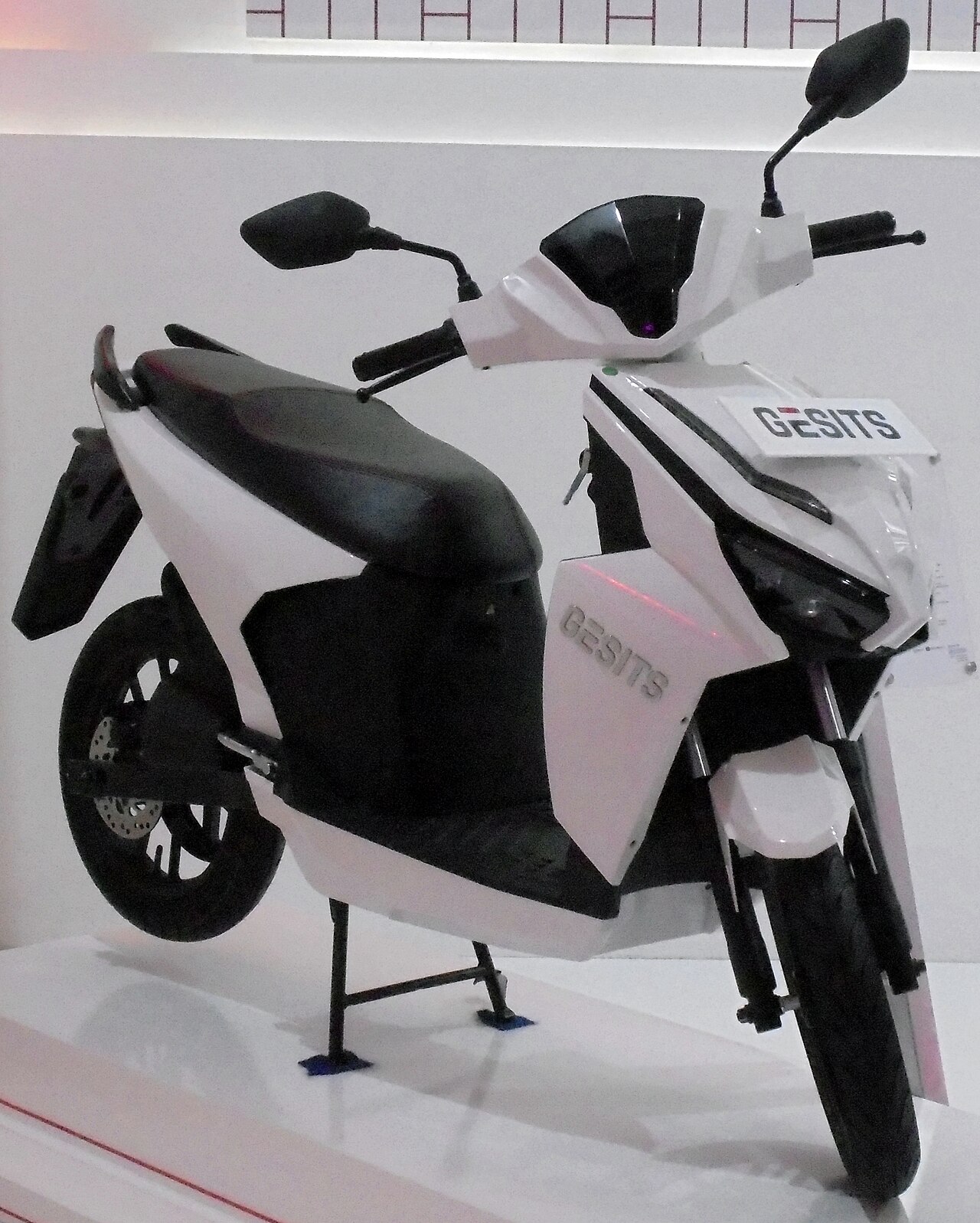
    Top image: Photo: オーバードライブ83, CC BY-SA 4.0, via Wikimedia Commons

    Indonesia is one of the world’s biggest motorcycle markets, with annual sales of around 6 million to 7 million units. Electric models have still only managed roughly 60,000 to 70,000 sales a year, about 1% of the total, according to Antara. That leaves a lot of room to grow, and the government wants to fill it. This guide covers the brands and price bands in 2026, where purchase incentives stand, what local content (TKDN) means for you, how charging and battery swapping work, and the programme for converting petrol bikes to electric.

    The market in 2026: a pause while buyers wait

    E-motorbike sales have been hit by uncertainty over incentives. The electric motorcycle industry association Aismoli said sales were about 77,000 units in 2024, when a subsidy was in place, and around 70,000 in 2025 without one. From January to August 2026 they fell to about 18,900, as reported by detikFinance. Aismoli puts the drop down to shoppers holding off until a promised subsidy starts. By April 2026 there were about 242,909 electric motorbikes on Indonesian roads, according to industry ministry data cited by Otodream.

    Brands and price bands

    VIVA’s September 2026 OTR Jakarta price list shows how wide the market is:

    Budget: under Rp20 million

    • Polytron Fox-200: Rp12.1 million with battery rental, or Rp21.1 million with the battery included.
    • Selis (Neo Scootic Rp13.5 million, E-Max Rp15.5 million), Avand SC121 (Rp13.5 million) and Yadea GT20 (Rp15.5 million).
    • United T1800, MX-1200 and MT1500 at around Rp16–17 million.
    • Volta eX, 401, Eagle and Virgo at around Rp17.9–19.1 million.

    Mid-range: roughly Rp20 million to Rp60 million

    • ALVA: N3 from Rp16.5 million with battery rental. The N3 Next Gen and ONE XP cost around Rp31.5 million.
    • Honda: ICON e: Rp28 million, EM1 e: about Rp40 million, CUV e: Rp54.45 million.
    • MAKA Cavalry: around Rp39.5 million. Omoway: Rp46.9 million to Rp76.9 million.

    Premium

    Kawasaki’s Z e-1 and Ninja e-1 cost about Rp148–151 million. The Vespa Elettrica is listed at Rp198 million.

    Subsidy and incentive status

    In 2024 buyers of qualifying e-motorbikes got a Rp7 million discount, provided the bike had at least 40% local content, Kompas notes. There was no subsidy in 2025. In May 2026 the finance ministry announced Rp5 million per unit for 100,000 bikes. In August that was revised to Rp3 million per unit, with a budget of Rp3 trillion aimed at up to one million domestically made bikes. Officials expected only about 100,000 to be taken up by the end of 2026 because factory capacity is limited.

    At the time of writing the incentive still was not in force. After a change of finance minister, the industry minister said on 23 September that the technical rules were ready and only the finance ministry regulation (PMK) was needed (detikFinance). The deputy industry minister said the government still aimed to deliver it this year. If you are ready to buy, ask dealers whether they will honour the subsidy for bikes delivered before it officially starts. Most will not.

    Molinas, the national e-motorbike programme

    On 13 August 2026 President Prabowo launched the Motor Listrik Nasional (Molinas) programme at ALVA’s factory in Cikarang. He promised lower loan interest, work towards zero-down-payment financing and a trade-in scheme for petrol bikes, Kompas reported. Industry ministry figures quoted by Antara show 69 two- and three-wheel EV makers with a combined capacity of about 2.5 million units a year.

    What TKDN means for buyers

    TKDN, or Tingkat Komponen Dalam Negeri, measures how much of a vehicle is made in Indonesia. It matters because incentives usually go only to models above a threshold. The current minimum is 40%, rising to 60% in 2027–2029 and 80% in 2030, according to the industry minister (Antara). A high-TKDN bike is more likely to qualify for future subsidies. Local assembly can also make spare parts easier to find.

    Charging at home or swapping batteries?

    Home charging

    Most budget and mid-range scooters use a removable battery that you charge from a standard wall socket. The main drawback is time. Even with a fast charger, a full charge usually takes 2–3 hours. If you park at home or at work every day, this is the simplest and cheapest way to charge.

    Battery swapping (SPBKLU)

    At a swap station you exchange a flat battery for a charged one in about a minute. This suits ride-hailing drivers and couriers. Aismoli counted 1,907 SPBKLU nationwide by March 2026, with 1,480 of them on Java, and just 20 in Kalimantan and one in Nusa Tenggara (Otodream). PLN Mobile also listed 1,118 PLN-run swap cabinets and 603 two-wheeler SPKLU. The catch is that swap networks usually only work with particular brands, so check that your bike is compatible and that there are stations on your usual routes.

    Converting a petrol bike

    The energy ministry runs a programme to convert petrol motorbikes to electric at certified workshops. In late 2023 it raised the grant to Rp10 million per bike under Energy Minister Regulation 13/2023. Take-up was low, partly because a typical conversion cost about Rp15 million, leaving owners to pay the difference. The ministry is now redesigning the scheme for 2027 and has proposed a budget of Rp635.24 billion. Check the current terms with the ministry before you book a conversion.

    Prices, tariffs and incentive rules in Indonesia change often, sometimes month to month. Figures here were correct according to the sources linked at the time of writing; always confirm current prices, promotions and eligibility with an authorised dealer or the relevant provider before you commit.

    FAQ

    Is there an electric motorbike subsidy right now?

    Not yet. A Rp3 million per unit subsidy has been approved in principle, but in late September 2026 it was still waiting for its finance ministry regulation.

    What is the cheapest electric motorbike in Indonesia?

    Prices start at around Rp12 million on battery-rental plans. VIVA listed the Polytron Fox-200 at Rp12.1 million.

    Can I charge an electric scooter at home?

    Yes. Most models with removable batteries charge from a normal household socket, usually in a few hours.

    Is battery swapping available everywhere?

    No. Stations are concentrated in Java and are usually tied to particular brands.

    Sources: VIVA – Daftar Harga Motor Listrik September 2026; detikFinance – Insentif Motor Listrik Tunggu Keputusan Menteri Keuangan; Matamata – Pemerintah Targetkan Insentif Motor Listrik Cair Tahun Ini; CNBC Indonesia – Insentif Motor Listrik Turun Jadi Rp 3 Juta/Unit; Kompas – Menkeu Targetkan Insentif Mobil dan Motor Listrik Mulai Juni 2026; Kompas – Banyak Motor Listrik RI Sudah Capai TKDN 40 Persen; Antara – Pemerintah kaji insentif kendaraan listrik berbasis TKDN; Kompas – Prabowo Resmikan Motor Listrik Nasional; Antara (English) – Molinas marks new chapter in Indonesia’s EV industrialization; Otodream – Infrastruktur SPLU dan Penukaran Baterai Dinilai Belum Sebanding; Kementerian ESDM – Bantuan Konversi Sepeda Motor Listrik Jadi Rp10 Juta; KilasJatim – Program Konversi Motor Listrik 2027