Tag: PLN

  • Pertamina, PLN and Len team up on charging for Molinas e-motorbikes

    Pertamina, PLN and Len team up on charging for Molinas e-motorbikes

    Top image: Photo: Henri Aja, CC BY-SA 4.0, via Wikimedia Commons

    Three state-owned companies have agreed to work together on the charging and battery-swapping network that Indonesia’s national electric motorcycle programme, Molinas, will need if it is to reach riders beyond the big cities. Fuel retailer Pertamina Patra Niaga, state electricity company PLN and defence and technology firm Len Industri signed a memorandum of understanding (MoU) in Jakarta on Tuesday 27 October, with senior figures from the sovereign wealth fund Danantara attending, according to Antara and Liputan6. The agreement was made public on Friday 30 October.

    Fuel stations as the backbone

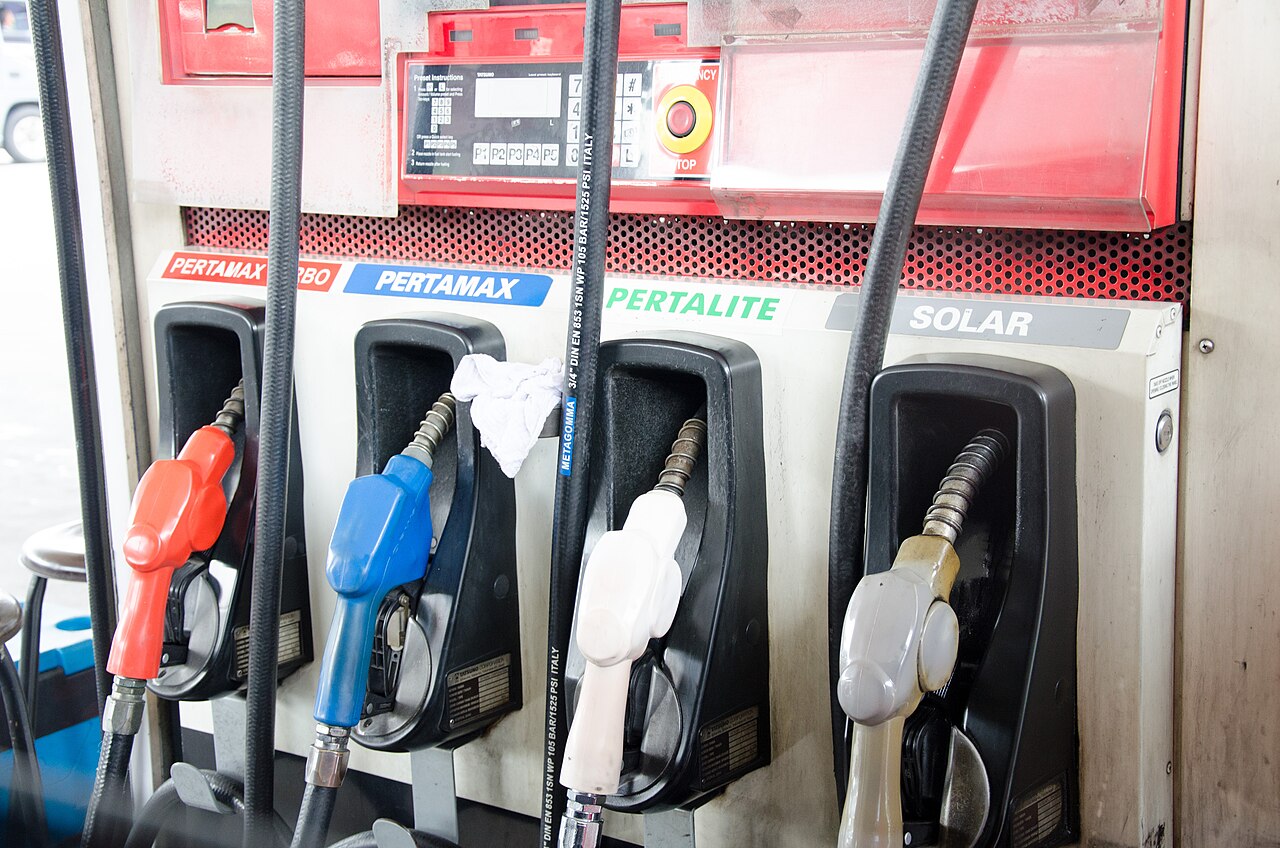
    Pertamina Patra Niaga’s part of the deal is the retail end. The company plans to fit charging and battery-swap facilities into its network of SPBU fuel stations and other strategic retail sites, building on its existing “Green Energy Station” concept.

    Both reports give the same figures for what is already in place:

    • 837 SPBU fuel stations have been developed into Green Energy Stations;
    • 112 EV charging units are installed at SPBU sites;
    • 122 battery-swapping units are installed at SPBU sites.

    Neither report sets out a target number of new charging or swap points, a timetable, an investment figure or a detailed split of responsibilities between PLN and Len Industri. As an MoU, the agreement is a framework for cooperation rather than a binding roll-out plan.

    Eko Ricky, retail marketing director at Pertamina Patra Niaga, framed the deal as being about more than the motorbikes themselves. “We aim to ensure the transition to electric vehicles goes beyond merely providing the vehicles themselves,” he said, as quoted by Antara. He added that the goal was an energy ecosystem that is reliable and accessible across Indonesia’s regions.

    Where Molinas stands

    President Prabowo Subianto launched Molinas in August as a push to build a domestic electric two-wheeler industry, covering components, assembly, batteries and after-sales service, and to put Indonesia’s nickel resources to use. Antara links the new MoU to Indonesia’s goal of net-zero emissions by 2060 or sooner and to the government’s aim of cutting emissions from transport.

    The deal is a follow-up to that launch rather than a change to the bikes on offer: neither source gives new details on Molinas models, prices or sales dates.

    What it means for buyers

    For riders, the practical question with any electric motorbike in Indonesia is less the purchase price than where to recharge or swap a battery away from home. Putting charging and swap points at Pertamina fuel stations, which are already found along main roads across the archipelago, would address that directly, but on the figures reported so far the network is still small: 122 swap units across SPBU sites is modest set against a country of Indonesia’s size.

    Two things are worth watching before buying with this network in mind. The first is whether Molinas bikes will use swappable batteries that fit the stations Pertamina already operates, which neither report says. The second is how quickly the 837 Green Energy Stations gain charging or swap equipment, since the reported numbers show that most do not yet have it. Until those details emerge, home charging remains the main option for most e-motorbike owners. Our electric motorbike buyer’s guide explains the trade-offs between plug-in and battery-swap models, and our EV directory lists the motorbike brands and charging companies active in Indonesia.

    Sources: Antara News – Three state firms align to drive Indonesia’s e-motorcycle program; Liputan6 – Pertamina Patra Niaga, PLN dan Len siapkan infrastruktur charging dan swapping motor listrik (Indonesian).
  • EV running costs in Indonesia: home charging, SPKLU, tax and petrol compared

    EV running costs in Indonesia: home charging, SPKLU, tax and petrol compared

    Top image: Photo: MoCars, CC0, via Wikimedia Commons

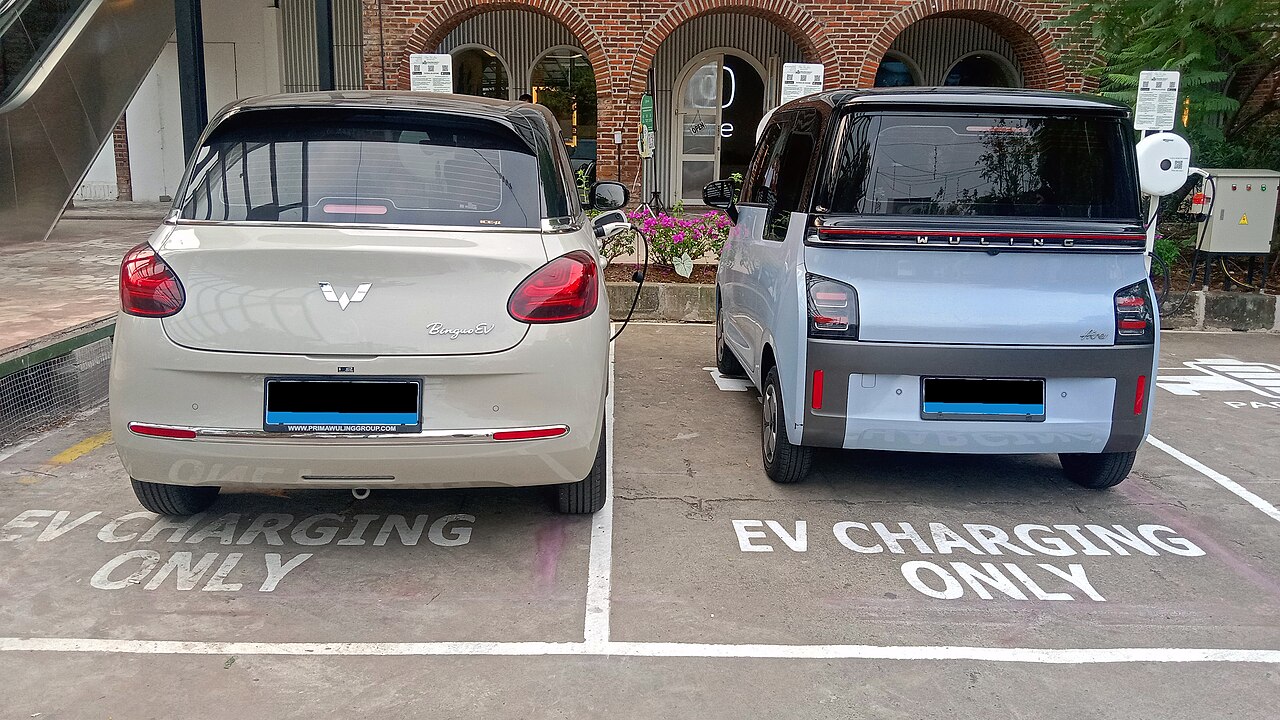
    Purchase price gets most of the attention when Indonesians compare an electric car with a petrol one. Over several years of ownership, though, the running costs matter just as much. This guide sets out what electricity costs at home and at public SPKLU chargers in late 2026, how that compares with fuel at the pump, where the regional vehicle tax now stands, and which other costs and perks to factor in. All tariffs and prices below were current in mid-October 2026. Our own calculations are labelled as such.

    Home charging: the cheapest option

    Most EV owners do most of their charging at home, so the household electricity tariff is the number that matters most. The government left PLN’s non-subsidised tariffs unchanged for the October–December 2026 quarter. Energy and Mineral Resources Minister Bahlil Lahadalia confirmed on 5 October that prices would stay as they were, according to a summary of the tariff table. Earlier in the month he had hinted that a rise was unlikely, Bisnis.com reported.

    The household rates per kWh this quarter are:

    • 900 VA (non-subsidised, R-1): Rp1,352
    • 1,300 VA and 2,200 VA (R-1): Rp1,444.70
    • 3,500–5,500 VA (R-2) and 6,600 VA and above (R-3): Rp1,699.53

    Most homes need at least 2,200 VA to run a car charger alongside everyday appliances, and many owners upgrade further. That can push them into the higher R-2 band, so it is worth checking where you will land before you increase your connection.

    The PLN home-charging discount

    Owners who sign up for PLN’s Home Charging Service (HCS) get a 30% discount on electricity used for charging between 22:00 and 05:00. In August, Investor Trust reported that PLN was offering HCS installation from Rp11.7 million under a promotion running until 31 December 2026, with electricity vouchers of up to Rp1.3 million. It also reported that home-charging customers had passed 92,000 by June.

    Our calculation: with the 30% discount, a 2,200 VA household pays about Rp1,011 per kWh overnight, and an R-2 or R-3 household about Rp1,190.

    Public charging at SPKLU

    Public chargers cost more. Recent guides from Auto2000 and Navigasi put PLN’s SPKLU energy rate at roughly Rp2,466–2,475 per kWh. Fast chargers (about 25–50 kW) add a service fee of up to Rp25,000 per session, and ultra-fast chargers (above 50 kW) add up to Rp57,000.

    Navigasi gives a worked example. Charging a 45 kWh battery from 10% to 80% (about 31.5 kWh) on a fast charger comes to around Rp114,000 once the session fee and 11% VAT are included. In practice, public fast charging costs well over twice as much per kWh as overnight charging at home. It makes sense for long trips, but it is an expensive way to cover your everyday driving. For details on finding chargers and connector types, see our guide to charging in Indonesia and the PLN SPKLU directory entry.

    How this compares with petrol

    Fuel prices did not change on 1 October. Pertamina’s prices stayed at Rp10,000 a litre for subsidised Pertalite, Rp15,950 for Pertamax (RON 92) and Rp19,600 for Pertamax Turbo, Katadata reported. BP 92 and Vivo Revvo 92 were listed at Rp16,130.

    To compare like with like, we used two assumptions of our own. They are illustrative figures, not test results. The electric car uses 15 kWh per 100 km, which is typical of a compact EV in mixed driving. The petrol car averages 12 km per litre, which is typical of a small hatchback or MPV in city traffic. On those assumptions, our calculation of the energy cost per 100 km is:

    • Home charging at 2,200 VA, with the HCS night discount: about Rp15,200
    • Home charging at 2,200 VA, without the discount: about Rp21,700
    • SPKLU energy only (Rp2,475/kWh, before any session fee or VAT): about Rp37,100
    • Pertalite at Rp10,000/litre: about Rp83,300
    • Pertamax at Rp15,950/litre: about Rp132,900

    Over 15,000 km a year, the gap is large. On our assumptions, discounted home charging costs about Rp2.3 million a year, against roughly Rp12.5 million on Pertalite or Rp19.9 million on Pertamax. Your own figures will depend on your car, your driving and how much you use public chargers. Keep in mind too that access to subsidised Pertalite is restricted for many cars, so Pertamax is often the fairer comparison.

    Regional vehicle tax: no longer automatically zero

    For several years, battery EVs in most provinces paid little or no annual vehicle tax (PKB) and no transfer duty (BBNKB). That is changing. Home Affairs Minister Tito Karnavian signed Permendagri No. 11 of 2026 on 1 April. Under it, battery EVs are treated as ordinary motor vehicles and are no longer named as exempt, Tirto explained. Provinces can still grant relief, but it is no longer automatic.

    Provinces are responding differently. West Java’s governor, Dedi Mulyadi, said in April that he wants EV tax to remain a source of regional revenue, Liputan6 reported. In Jakarta, Bapenda said in May that the PKB and BBNKB exemptions were unchanged for now, according to CNN Indonesia. In July, however, a special adviser to the governor, Firdaus Ali, described a scheme still under study. It would tax EVs on a sliding scale, from a possible exemption below Rp150 million up to 75% of the normal rate for luxury models, Suara reported. No final regulation had been named in that report.

    The practical advice is to check your provincial Bapenda’s current rate before you buy, and to budget for some annual tax even if the first year is free. Our guide to EV taxes and incentives in 2026 covers the national VAT and luxury-tax side.

    Other costs and perks

    Servicing

    An electric drivetrain has no engine oil, spark plugs, fuel filters or clutch, so routine servicing is usually simpler. Tyres, brakes, suspension, air-conditioning and the 12-volt battery still need attention. Before you sign, ask the dealer for the scheduled service prices and check the battery warranty terms, including the duration and any mileage cap.

    Jakarta’s odd-even exemption

    Battery EVs remain exempt from Jakarta’s odd-even (ganjil genap) number-plate restriction. Transport agency head Syafrin Liputo confirmed in May that the city would keep the policy, CNN Indonesia reported. For commuters on restricted roads, that can be worth as much as the fuel savings.

    Insurance and resale

    Insurance premiums are linked to the vehicle’s value, so a pricier EV will cost more to insure than a cheaper petrol rival. Resale values for many newer Chinese EV brands are still being established. Shop around for cover, and treat resale assumptions with caution.

    What it means for buyers

    If you can charge at home overnight, an EV’s energy bill is a fraction of what a petrol car costs to fuel. It stays far cheaper even against subsidised Pertalite. That advantage shrinks if you rely mainly on public fast chargers, and regional tax is becoming a cost to budget for rather than a perk to count on. Before you buy, check the tariff band your home will need, compare HCS installation offers, and confirm your province’s EV tax rate. You can compare models and prices in our electric car buying guide and the IndoEVs EV directory.

    Sources: Journalarta (PLN tariffs, Oct 2026); Bisnis.com; Investor Trust; Auto2000; Navigasi; Katadata; Tirto; Liputan6; CNN Indonesia; Suara.com.

  • Bali’s EV fleet passes 17,700 as PLN opens charging to private investors

    Bali’s EV fleet passes 17,700 as PLN opens charging to private investors

    Top image: Photo: Christophe95, CC BY-SA 4.0, via Wikimedia Commons

    Bali now has 17,725 electric vehicles on its roads, made up of about 5,000 cars and more than 12,000 motorbikes, according to figures reported by Antara on 8 October.

    The island had about 14,000 EVs in March 2026 and about 15,000 in July, Antara said. By our own calculation, that is an increase of roughly 3,700 vehicles, or about 27%, in around seven months, with some 2,700 of them added since July.

    About 304 public chargers at 115 locations

    Bali has around 304 public charging units (SPKLU) spread across 115 locations, a total that includes both PLN-run and privately operated sites.

    Ajrun Karim, general manager of PLN’s Bali distribution unit (UID Bali), said the state electricity company is open to private investment in charging. Under the approach he described, PLN would leave high-demand locations to investors and build where investors are not interested. He argued that charging access is no longer a barrier: “Where to charge is no longer an issue, because it is already very easy,” he said (translated from Indonesian).

    Denpasar points to low-emission policy

    Denpasar Deputy Mayor I Kadek Agus Arya Wibawa linked the growth to the city’s own rules, citing Mayor Regulation No. 40/2023 on battery electric vehicles and Regulation No. 39/2025, which created a low-emission zone in Sanur. He presented the push as part of the island’s goal of becoming a higher-quality tourism destination.

    Part of a wider regional trend

    Bali is one of several provinces where PLN has recently reported fast EV growth. This week we covered PLN’s plans for battery-swap stations for electric work vehicles in Klungkung and Nusa Penida, and we have also reported on a 4.5-fold jump in charging use in West Sumatra and EV growth in South Sumatra.

    The Bali figures describe the total fleet on the road, so they cannot be compared directly with national monthly sales data. Still, with motorbikes making up more than two-thirds of the island’s EVs, Bali stands out at a time when national e-motorbike sales have slumped while buyers wait for a government incentive, as our report on September motorbike sales explains.

    What it means for buyers

    For Bali residents and long-stay visitors considering an EV, a public network of about 300 chargers, and PLN’s stated willingness to let private operators expand it, should make day-to-day charging less of a worry than in many other provinces. Most owners still do the bulk of their charging at home; our guide to charging an EV in Indonesia explains SPKLU, home charging and battery swapping. Drivers heading to Sanur should check the local rules for its low-emission zone.

    Sources: Antara News Bali (8 Oct 2026)

  • PLN readies battery-swap stations for electric work vehicles in Bali

    PLN readies battery-swap stations for electric work vehicles in Bali

    Top image: Photo: Hendrojkson, CC BY-SA 4.0, via Wikimedia Commons

    State electricity company PLN is preparing battery-swap infrastructure in Klungkung regency, Bali, for a pilot fleet of small electric work vehicles run with Korean partners, Antara reported. The trial is due to start this month with five vehicles and is aimed at helping Nusa Penida, the island off Bali’s south-east coast that belongs to Klungkung, become a “green island” by 2030.

    Who is involved

    The project was set up through a memorandum of understanding between PLN’s Bali distribution unit (PLN UID Bali), the Indonesian company PT INAKO Kreta Udhaya, the Korea Smart e-Mobility Association (KEMA) and the Korea Automotive Technology Institute (KATECH), according to Antara. PLN’s role is to supply the grid connections and electricity for the swap stations.

    Antara named the Korean side’s representatives as Changhyun Jeong, director of KATECH’s Jeonnam division, and Jiyong Song, executive director of KEMA, with Suchang Oh representing PT INAKO. The partners describe the project as a trial of the vehicles in everyday working conditions in Klungkung before any wider rollout across Bali.

    • Stations: battery-swap points at five strategic locations in Klungkung.
    • Vehicles: three-wheeled electric vehicles for waste collection, refrigerated transport and cargo, plus small three- and four-wheeled agricultural vehicles.
    • Timeline: a pilot with five vehicles from October 2026, with plans to expand to more than 30 vehicles across Bali in 2027.

    “PLN UID Bali is fully committed to providing the best support, especially in terms of electricity needs.” – Ajrun Karim, general manager of PLN UID Bali, via Antara (translated from Indonesian)

    Klungkung Regent I Made Satria tied the trial to the regency’s plan for a greener Nusa Penida and to sustainable tourism, OtoDream reported. Cleaner local transport for rubbish collection, farming and goods delivery is presented as one part of that wider environmental push.

    Why swapping suits work vehicles

    Battery swapping has so far been used in Indonesia mostly for electric motorbikes, where riders exchange a flat pack for a charged one in a couple of minutes. The Klungkung pilot applies the same idea to light commercial vehicles. For waste vehicles and delivery tricycles that run all day, swapping avoids long charging stops, and a central station operator can manage battery health and charge during off-peak hours. The trade-off is that vehicles and packs must follow a common standard, which is one reason a small trial fleet makes sense before any scale-up. Our guide to charging an EV in Indonesia covers how swapping works for motorbikes today.

    What it means

    The trial is small, but it is an unusual attempt in Indonesia to use battery swapping for municipal and agricultural vehicles rather than private motorbikes. If it works on Nusa Penida, the model could appeal to other islands and tourist areas where regional governments run their own vehicle fleets. Private buyers will not see a direct effect yet; the more immediate signal is that PLN is willing to back swapping for commercial fleets as well as two-wheelers.

    Related: Bali’s EV fleet passes 17,700 as PLN opens charging to private investors.

    Sources: Antara (1 Oct 2026); OtoDream (4 Oct 2026).

  • West Sumatra EV charging use jumps 4.5-fold as PLN opens Padang hub

    West Sumatra EV charging use jumps 4.5-fold as PLN opens Padang hub

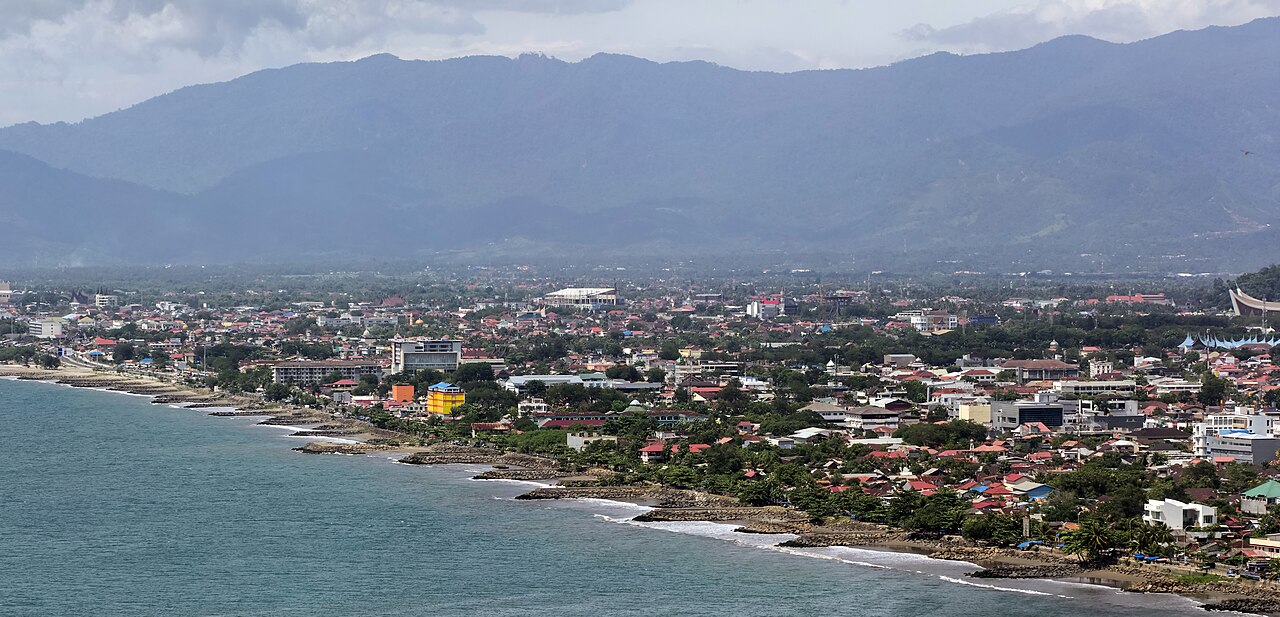
    Top image: Photo: Crisco 1492, CC BY-SA 4.0, via Wikimedia Commons

    Electric vehicle charging in West Sumatra is growing far faster than the province’s small EV fleet might suggest. Charging transactions at public stations in the province rose about 4.5 times in the first eight months of 2026 compared with the same period last year, and the electricity delivered through them rose roughly 4.4 times, according to figures presented when state utility PLN opened its first “SPKLU Center” charging hub in Padang on 1 October, Suara.com reported.

    The opening follows a similar hub launched in Palembang, South Sumatra, last month, which we covered in South Sumatra’s EV fleet more than doubles as PLN opens Palembang charging hub. Together they show PLN pushing high-power charging beyond Java as owners start to drive further afield.

    What opened in Padang

    The SPKLU Center sits at PLN’s regional office for Central Sumatra in Padang and was inaugurated by West Sumatra Governor Mahyeldi Ansharullah, alongside Andriah Feby Misna, a director at the Energy and Mineral Resources Ministry’s electricity directorate, and PLN distribution director Arsyadany Ghana Akmalaputri, Padangkita reported.

    • Five ultra-fast chargers rated at 120 kW each, for a combined 600 kW.
    • According to Suara.com, a typical charge from 20% to 80% takes around 30 to 45 minutes.
    • The province now has 102 public charging stations (SPKLU). Padangkita puts PLN’s share at 90; Suara.com gives 93.

    Twelve more stations planned

    Suara.com reported that 12 new SPKLU locations with a total of 17 charging units are planned across West Sumatra this year, in Padang, Bukittinggi, Payakumbuh and Solok. That would extend fast charging beyond the provincial capital to three of the province’s other main towns.

    Padangkita reported that more than 580 electric vehicles were registered in the province as of August 2026, which officials said works out at roughly one public charging station for every six EVs, well ahead of the 1:17 ratio used as a benchmark. (By our own calculation, 580 vehicles across 102 stations is about 5.7 EVs per station.) Nationally, PLN said it runs more than 3,200 SPKLU handling around 700,000 transactions a month.

    “Switching to electricity is our strategy to achieve Net Zero Emission by 2060, not just in transportation but also households.” – Andriah Feby Misna, Energy and Mineral Resources Ministry, via Padangkita (translated from Indonesian)

    Governor Mahyeldi linked the hub to West Sumatra’s ambition to become a “Green Province” and said government vehicles will move to electric models. PLN also offered a two-week 50% discount on new connections and power upgrades to coincide with the launch, according to Padangkita.

    What it means for buyers

    For EV owners in West Sumatra, the practical change is a reliable, high-power option in the provincial capital and, if the 12-site plan is delivered, fast charging in Bukittinggi, Payakumbuh and Solok too. The low ratio of cars to chargers means queues should be rare for now, but coverage outside the main towns is still thin, so longer trips across Sumatra still need planning. Our guide to charging an EV in Indonesia explains public SPKLU charging, home charging and battery swapping.

    Sources: Suara.com (5 Oct 2026); Padangkita (Oct 2026).

  • South Sumatra’s EV fleet more than doubles as PLN opens Palembang charging hub

    South Sumatra’s EV fleet more than doubles as PLN opens Palembang charging hub

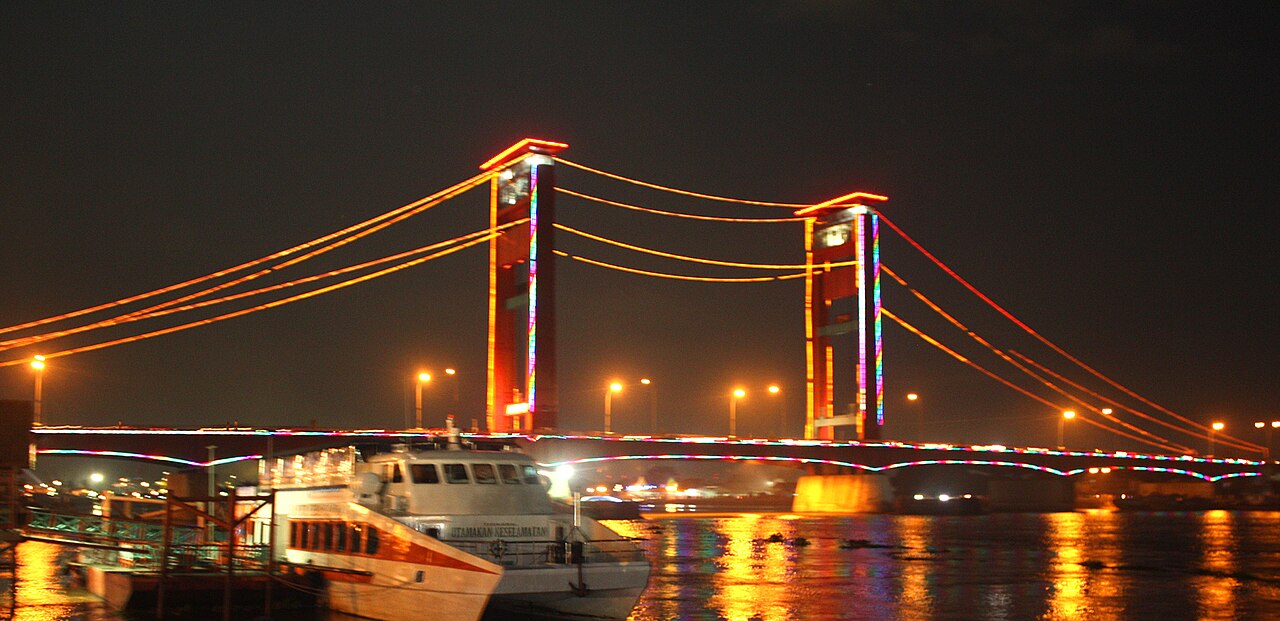
    Top image: Ampera Bridge, Palembang. Photo: Yogwi21, CC BY-SA 4.0, via Wikimedia Commons

    The number of electric cars in South Sumatra has more than doubled in seven months, according to state utility PLN, which on Friday 25 September opened the province’s first “SPKLU Center” – a cluster of public fast chargers – in the provincial capital, Palembang.

    Figures from PLN’s regional distribution unit for South Sumatra, Jambi and Bengkulu (UID S2JB), reported by Antara, put the number of electric cars in the province at 2,047 in July 2026, up from 849 in December 2025.

    What has opened in Palembang

    The new hub is at PLN’s Rivai customer service office on Jalan Demang Lebar Daun. It adds four new charging units with a combined eight CCS2 connectors rated at 120 kW, alongside two units already on site rated at 120 kW and 180 kW, Listrik Indonesia reported. South Sumatra Governor Herman Deru inaugurated the site.

    Across its three-province service area, PLN UID S2JB says it now runs 87 charging units at 69 public charging station (SPKLU) locations, one mobile charging unit and 40 charging points for electric motorbikes at 40 locations. Antara presents the 87-unit figure as a regional total without spelling out whether it covers South Sumatra alone; Listrik Indonesia attributes it to the whole South Sumatra–Jambi–Bengkulu service area.

    Charging demand is rising faster than the fleet

    Usage of PLN’s chargers in the area has grown even more quickly than car ownership. Charging sessions rose from 1,958 in 2024 to 11,726 in 2025, and had reached 28,176 in 2026 by the end of August. Energy delivered climbed from 44,917 kWh in 2024 to 309,243 kWh in 2025, and to 762,975 kWh by August this year, according to Antara and Listrik Indonesia.

    If the 2026 figures cover this year only, as Listrik Indonesia’s report indicates, eight months of 2026 have already produced roughly 2.4 times as many charging sessions and about 2.5 times as much energy as the whole of 2025 (IndoEVs’ own calculation from the reported figures).

    Diksi Erfani Umar, general manager of PLN UID S2JB, framed the new centre as a response to that demand:

    “The growth of electric vehicles must be matched by the readiness of its infrastructure.” – Diksi Erfani Umar, PLN UID S2JB, via Listrik Indonesia (translated from Indonesian)

    Governor wants a charger in every district

    Governor Deru used the opening to set a much wider goal: at least one charging point in each of South Sumatra’s 241 kecamatan (sub-districts), prioritising those with heavy vehicle traffic, Beritalima reported. No deadline was given. He said PLN is open to working with third parties to host chargers at government and private sites.

    “My hope is that this infrastructure doesn’t stop at the big cities, but reaches into the sub-districts.” – Herman Deru, Governor of South Sumatra, via Beritalima (translated from Indonesian)

    Antara also reported the governor pointing to provincial support for EV owners through vehicle-tax relief, though the report did not give details of the scheme.

    Part of a national pattern

    South Sumatra’s numbers are small next to Greater Jakarta, but they mirror what is happening nationally: EV sales hit a record in August (see our report on Gaikindo’s August figures), and PLN’s charging network has been recording sharp growth in energy use (see PLN’s first-half SPKLU figures). A dedicated fast-charging hub in a regional capital is a sign the network is starting to follow demand beyond Java.

    What it means for buyers

    • In Palembang: a site with several fast chargers lowers the risk of arriving to find the only charger occupied or out of order.
    • Charging speed depends on the car: a 120 kW or 180 kW charger only delivers that power if the car can accept it. Some models, particularly smaller city cars, accept much lower DC charging rates, so check your car’s maximum before planning a trip around a charging stop.
    • Outside the capital: the one-charger-per-district target has no timetable, so buyers in smaller towns should still plan around home charging for now. Our guide to charging an EV in Indonesia explains SPKLU, home charging and battery swapping, and the PLN SPKLU entry in our EV directory lists the network’s details.

    Related: PLN has since opened a similar SPKLU Center in Padang. Read West Sumatra EV charging use jumps 4.5-fold as PLN opens Padang hub.

    Sources: Antara – PLN sebut penggunaan mobil listrik di Sumsel tumbuh dua kali lipat (26 Sept 2026); Listrik Indonesia – Mobil listrik di Sumsel tembus 2.047 unit, PLN buka SPKLU Center; Beritalima – Gubernur Sumsel resmikan SPKLU Center PLN di Palembang (25 Sept 2026)

  • Charging an EV in Indonesia: SPKLU, Home Charging and Battery Swapping Explained

    Charging an EV in Indonesia: SPKLU, Home Charging and Battery Swapping Explained

    Top image: Photo: CEphoto, Uwe Aranas, CC BY-SA 3.0, via Wikimedia Commons

    Where and how to charge is the first practical question most new EV owners in Indonesia ask. The answer depends on where you live, how far you drive and whether you ride a scooter or drive a car. This guide explains the public SPKLU network run by the state electricity company PLN and its partners, what charging costs, how home charging works, what the battery-swap stations (SPBKLU) for motorbikes are, and which connector your vehicle probably uses.

    The SPKLU network: how big is it?

    SPKLU (Stasiun Pengisian Kendaraan Listrik Umum) are public charging stations. PLN operated 4,655 of them at the end of 2025. By June 2026, PLN and its partners had 5,016 units at 3,132 locations, according to PLN figures reported by Periskop. Use is climbing fast. SPKLU delivered 62.4 million kWh in the first half of 2026, more than the 48.5 million kWh for the whole of 2025.

    The energy ministry’s target is much bigger: 62,918 four-wheel SPKLU by 2030. Coverage is also uneven. Most chargers are in Java’s cities and along the main toll roads. For the 2026 Lebaran homecoming, PLN had 4,769 SPKLU ready at 3,097 points, on average about 22 km apart. Other islands have far fewer.

    Regional hubs are spreading beyond Java: see our reports on the new SPKLU Centers in Palembang and Padang.

    Types of public charger

    SPKLU fall into broad classes by power output. The categories below are from a guide by Auto2000:

    • Standard (below 7 kW): an overnight top-up taking 8–12 hours.
    • Medium (7–22 kW): AC charging, about 4–8 hours.
    • Fast (22–50 kW): DC charging, about 1–2 hours.
    • Ultra-fast (above 50 kW): DC charging, from about 30 minutes to an hour for many cars.

    Actual times depend on the car’s battery size and the maximum power it can accept.

    What public charging costs

    The energy ministry has set the base SPKLU tariff at about Rp2,467 per kWh. On top of that, Energy Minister Decree 182/2023 allows a service fee of up to Rp25,000 per session for fast charging and up to Rp57,000 per session for ultra-fast charging (Republika). Auto2000’s 2026 guide puts the base rate at roughly Rp2,466–2,475 per kWh. As a rough guide, adding 40 kWh at a fast charger costs about Rp99,000 in energy plus the session fee. That is still well below the cost of the petrol for the same distance.

    Using the PLN Mobile app

    Most PLN-network chargers are run through the PLN Mobile app. Payment is cashless and the steps are straightforward:

    1. Open the app’s EV section and find an SPKLU near you. The map shows whether chargers are free.
    2. Choose a unit and scan its QR code.
    3. Plug in the connector that matches your car.
    4. Pay in the app, start charging and follow the progress on your phone.

    The app also has antreEV, a digital queue for busy chargers, and a Trip Planner that suggests SPKLU along your route, Periskop reports. Private operators such as Starvo have their own apps. On a long trip it helps to have more than one installed.

    Charging at home

    For most car owners, home is where most charging happens. It is also the cheapest option. Take-up is growing fast: PLN had more than 92,000 Home Charging customers nationwide by June 2026, 21,865 of them added in the first half of the year, detikJabar reported. Two things matter.

    Your electricity connection

    Household tariffs depend on your connection. In the third quarter of 2026, non-subsidised homes paid about Rp1,444.70 per kWh for 1,300–2,200 VA connections and about Rp1,699.53 for larger ones (Nasional.news). A 7 kW wallbox needs more capacity than many homes have, so you may have to upgrade. PLN’s Home Charging Service (HCS) promotion halved the connection fee until June 2026, bringing a new single-phase 7,700 VA connection down from Rp7,461,300 to Rp3,730,650. Ask PLN whether a similar offer is running now.

    The night-time discount

    PLN gives EV owners a 30% discount on electricity used for charging between 22:00 and 05:00 (GridOto). Setting a timer on your charger or car is the easiest way to save money.

    Connector types: Type 2, CCS2 and others

    Most cars sold officially in Indonesia use:

    • Type 2: the standard AC connector, used for home wallboxes and slower public chargers.
    • CCS2 (Combo 2): a Type 2 plug with two extra DC pins. It is the main standard for DC fast charging and is used by brands such as Hyundai, BMW and Chery, and by many BYD models.

    Some models from Chinese brands, including certain Wuling products, use the Chinese GB/T standard. CHAdeMO is now found mainly on older cars such as the first-generation Nissan Leaf, and fewer stations offer it, according to charging operator Starvo. Look at your car’s charging port or the handbook, and filter chargers by connector in the app before you set off.

    Battery swapping for motorbikes (SPBKLU)

    Most electric scooters can be charged from a normal socket, but that takes a few hours. SPBKLU (Stasiun Penukaran Baterai Kendaraan Listrik Umum) let riders swap a flat battery for a charged one in moments. The motorbike association Aismoli counted 1,907 SPBKLU by March 2026, most of them on Java. PLN Mobile listed 1,118 PLN-operated swap cabinets, plus 603 SPKLU for two-wheelers and 9,601 general-purpose SPLU charging points (Otodream). Swap batteries usually only fit particular brands, so check compatibility before you rely on a network.

    Prices, tariffs and incentive rules in Indonesia change often, sometimes month to month. Figures here were correct according to the sources linked at the time of writing; always confirm current prices, promotions and eligibility with an authorised dealer or the relevant provider before you commit.

    Swapping is also being trialled for small commercial vehicles: PLN and Korean partners are setting up battery-swap points in Klungkung, Bali for electric three-wheelers.

    FAQ

    How much does it cost to charge at an SPKLU?

    About Rp2,467 per kWh, plus a service fee of up to Rp25,000 per session on fast chargers or up to Rp57,000 on ultra-fast chargers.

    How many SPKLU are there in Indonesia?

    PLN and its partners had 5,016 units at 3,132 locations by June 2026. The 2030 target is almost 63,000.

    Which connector does my car use?

    Most cars sold in Indonesia use Type 2 for AC and CCS2 for DC fast charging. Some Chinese-brand models use GB/T.

    Is there a discount for charging at home?

    Yes. PLN offers 30% off electricity used for EV charging between 22:00 and 05:00.

    Crossing to another island

    If your trip involves a ferry, plan your charging around it. Transport ministry rules allow EVs on board but ask for the battery to be at no more than about half charge and for the vehicle to be parked on an open deck, and some operators have been turning EVs away. See our report on EV ferry rules before you travel.

    Related on IndoEVs

    Related: EV running costs in Indonesia: home charging, SPKLU, tax and petrol compared

    Sources: Periskop – Konsumsi SPKLU Tembus 62,4 Juta kWh; PLN – PLN Operasikan 4.655 SPKLU Sepanjang 2025; Republika – Isi Daya Fast Charging di SPKLU Kena Tambahan Biaya; Auto2000 – SPKLU PLN 2026: Panduan Lengkap; Nasional.news – Tarif Listrik PLN September 2026; GridOto – PLN Diskon 50 Persen Pemasangan Home Charging Service; Starvo – Standar Konektor Mobil Listrik di Indonesia; Otodream – Infrastruktur SPLU dan Penukaran Baterai

  • PLN charging use in H1 2026 overtakes all of 2025 as network passes 5,000

    PLN charging use in H1 2026 overtakes all of 2025 as network passes 5,000

    Top image: Photo: Alexander Migl, CC BY-SA 4.0, via Wikimedia Commons

    Electricity drawn from Indonesia’s public electric vehicle charging stations in the first half of 2026 exceeded the total for the whole of 2025, according to state utility PLN, which says it is expanding its network and opening it further to private partners in response.

    Usage outpaces last year

    PLN recorded 62.4 million kWh of electricity consumption at public charging stations – known locally as SPKLU (Stasiun Pengisian Kendaraan Listrik Umum) – between January and June 2026, VIVA reported. That compares with 48.5 million kWh for the whole of 2025, meaning six months of charging this year was already about 28% higher than all of last year.

    The network itself has grown more slowly. PLN operated 5,016 SPKLU units at 3,132 locations as of June 2026, according to VIVA and Periskop. Periskop reported that 361 units were added in the first half, from 4,655 at the end of 2025 – a figure PLN also gave in a February press release. Periskop added that average spacing between charging facilities is around 22 km, and that usage during the Ramadan and Idul Fitri travel season was 4.14 times higher than in the same period of 2025.

    PLN’s response

    M. Fahrur Rozy, PLN’s director of retail and commerce, told VIVA that growth in SPKLU consumption had been consistent over the past three years.

    “Public demand for reliable and affordable SPKLU is already our priority in supporting the acceleration of EVs in Indonesia.” – M. Fahrur Rozy, PLN, to VIVA (translated from Indonesian)

    A central part of the utility’s plan is its SPKLU partnership scheme, under which private businesses can take part as landowners, suppliers of charging equipment or operators of charging sites. PLN says it supports partners with simplified procurement, certainty over grid connection, discounted connection fees and a revenue-sharing arrangement. The company is also adding features to its PLN Mobile app, including AntreEV, a digital queuing tool for busy chargers, and a Trip Planner that locates stations along a route.

    A long way to the 2030 target

    The government’s ambitions are considerably larger than today’s network. Ferry Triansyah, electricity services coordinator at the Ministry of Energy and Mineral Resources’ Directorate General of Electricity, told Periskop that there were about 4,892 four-wheel SPKLU units in May 2026, against a target of 62,918 by 2030. Reaching that would require the network to grow more than twelvefold in under five years.

    Demand for charging is being driven by rapid growth in EV sales. Periskop cited figures showing that around 117,000 electrified vehicles were sold in the first half of 2026, up 69.4% year on year, including about 69,000 battery electric vehicles. Electrified models accounted for 26.8% of passenger car sales in that period.

    What it means for EV owners

    For drivers, the figures confirm what many have experienced at busy chargers, particularly on holiday routes: usage is rising faster than the number of plugs. Most EV owners in Indonesia still do the bulk of their charging at home, and home charging is generally the cheapest option. For longer trips, the PLN Mobile app’s queuing and route-planning tools should help reduce waiting times, and the partnership scheme could bring more chargers to shopping centres, hotels and petrol stations. Owners outside Java and Bali, where coverage is thinner, should plan long journeys with care.

    Related on IndoEVs

    Sources: VIVA – PLN Perkuat Infrastruktur EV Respons Melonjaknya Konsumsi Listrik SPKLU; Periskop – Konsumsi SPKLU Tembus 62,4 Juta kWh, PLN Perluas Jaringan; PLN – PLN Operasikan 4.655 SPKLU Sepanjang 2025