Tag: Electric motorcycles

  • Pertamina, PLN and Len team up on charging for Molinas e-motorbikes

    Pertamina, PLN and Len team up on charging for Molinas e-motorbikes

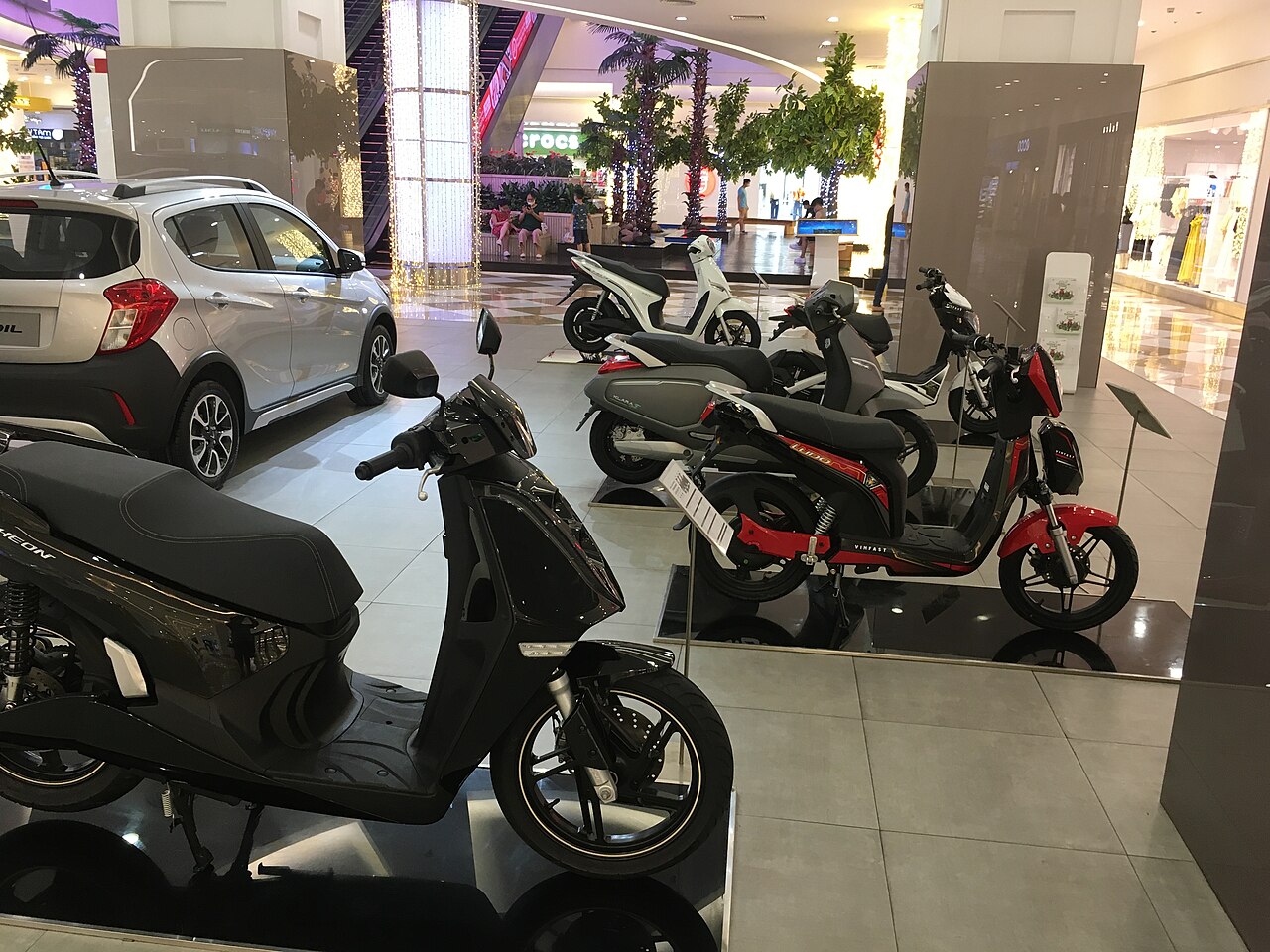
    Top image: Photo: Henri Aja, CC BY-SA 4.0, via Wikimedia Commons

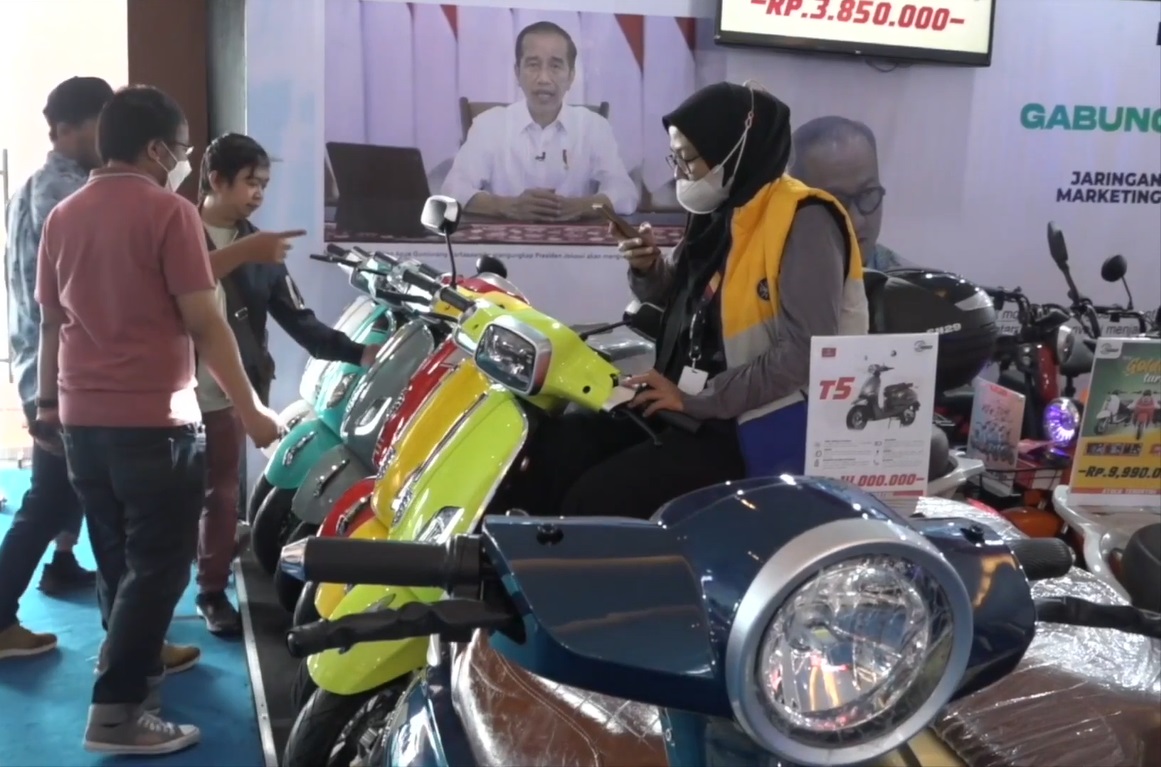
    Three state-owned companies have agreed to work together on the charging and battery-swapping network that Indonesia’s national electric motorcycle programme, Molinas, will need if it is to reach riders beyond the big cities. Fuel retailer Pertamina Patra Niaga, state electricity company PLN and defence and technology firm Len Industri signed a memorandum of understanding (MoU) in Jakarta on Tuesday 27 October, with senior figures from the sovereign wealth fund Danantara attending, according to Antara and Liputan6. The agreement was made public on Friday 30 October.

    Fuel stations as the backbone

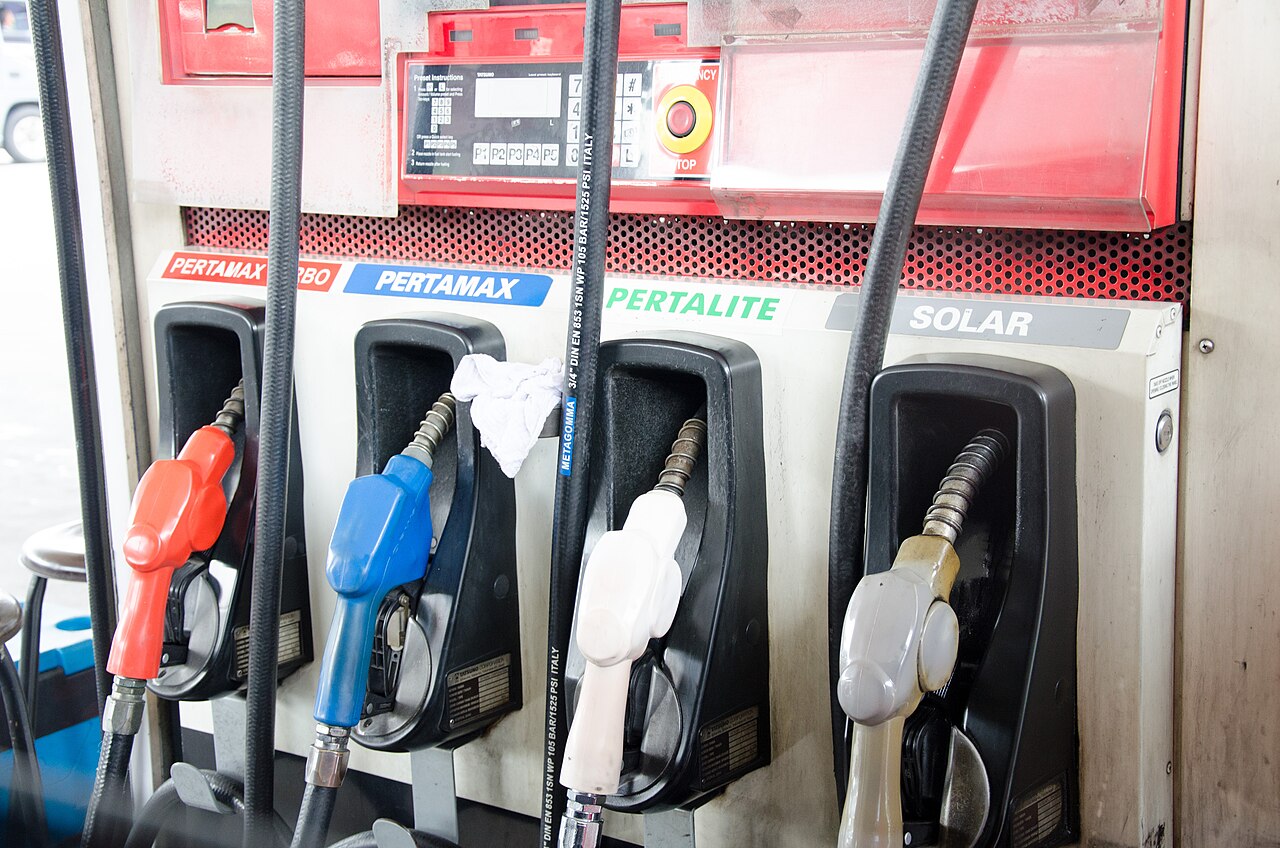
    Pertamina Patra Niaga’s part of the deal is the retail end. The company plans to fit charging and battery-swap facilities into its network of SPBU fuel stations and other strategic retail sites, building on its existing “Green Energy Station” concept.

    Both reports give the same figures for what is already in place:

    • 837 SPBU fuel stations have been developed into Green Energy Stations;
    • 112 EV charging units are installed at SPBU sites;
    • 122 battery-swapping units are installed at SPBU sites.

    Neither report sets out a target number of new charging or swap points, a timetable, an investment figure or a detailed split of responsibilities between PLN and Len Industri. As an MoU, the agreement is a framework for cooperation rather than a binding roll-out plan.

    Eko Ricky, retail marketing director at Pertamina Patra Niaga, framed the deal as being about more than the motorbikes themselves. “We aim to ensure the transition to electric vehicles goes beyond merely providing the vehicles themselves,” he said, as quoted by Antara. He added that the goal was an energy ecosystem that is reliable and accessible across Indonesia’s regions.

    Where Molinas stands

    President Prabowo Subianto launched Molinas in August as a push to build a domestic electric two-wheeler industry, covering components, assembly, batteries and after-sales service, and to put Indonesia’s nickel resources to use. Antara links the new MoU to Indonesia’s goal of net-zero emissions by 2060 or sooner and to the government’s aim of cutting emissions from transport.

    The deal is a follow-up to that launch rather than a change to the bikes on offer: neither source gives new details on Molinas models, prices or sales dates.

    What it means for buyers

    For riders, the practical question with any electric motorbike in Indonesia is less the purchase price than where to recharge or swap a battery away from home. Putting charging and swap points at Pertamina fuel stations, which are already found along main roads across the archipelago, would address that directly, but on the figures reported so far the network is still small: 122 swap units across SPBU sites is modest set against a country of Indonesia’s size.

    Two things are worth watching before buying with this network in mind. The first is whether Molinas bikes will use swappable batteries that fit the stations Pertamina already operates, which neither report says. The second is how quickly the 837 Green Energy Stations gain charging or swap equipment, since the reported numbers show that most do not yet have it. Until those details emerge, home charging remains the main option for most e-motorbike owners. Our electric motorbike buyer’s guide explains the trade-offs between plug-in and battery-swap models, and our EV directory lists the motorbike brands and charging companies active in Indonesia.

    Sources: Antara News – Three state firms align to drive Indonesia’s e-motorcycle program; Liputan6 – Pertamina Patra Niaga, PLN dan Len siapkan infrastruktur charging dan swapping motor listrik (Indonesian).
  • Revised traffic law to classify vehicles by power source and cover self-driving

    Revised traffic law to classify vehicles by power source and cover self-driving

    Top image: Photo: Andylala Waluyo (VOA), Public domain, via Wikimedia Commons

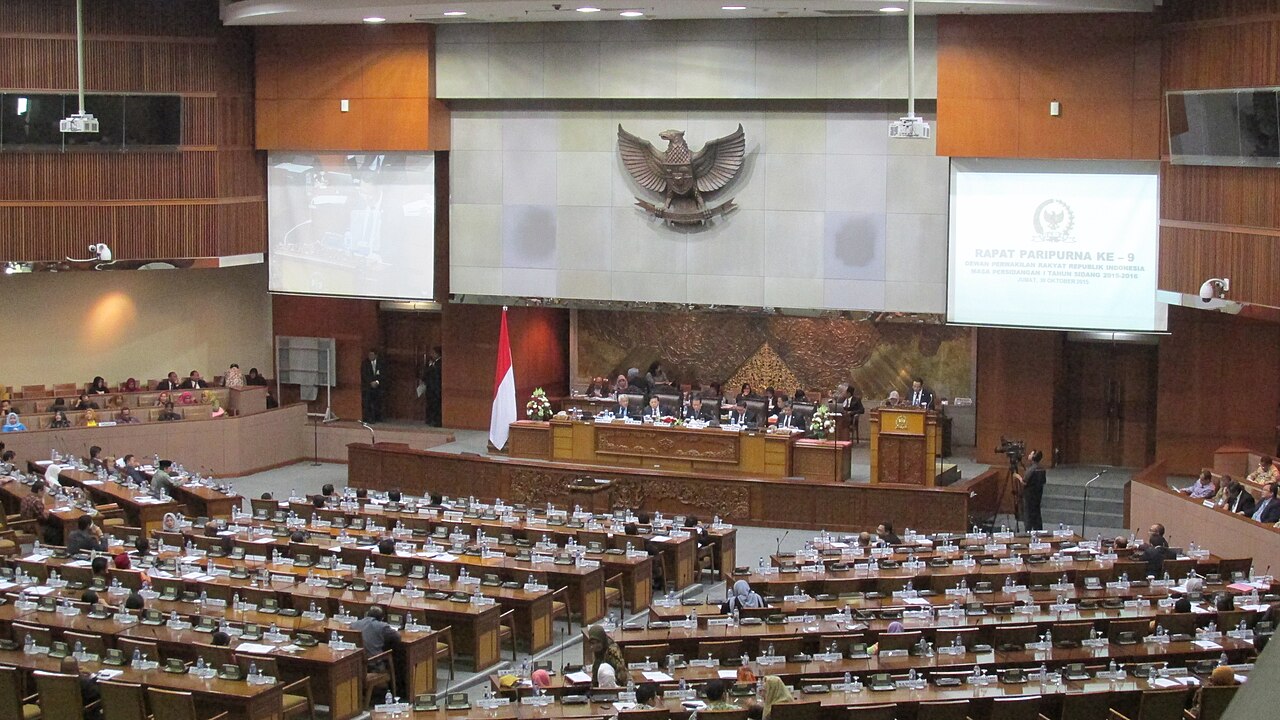
    Electric vehicles and self-driving technology are set to get an explicit place in Indonesian road law for the first time. At a working meeting with the House of Representatives’ Commission V on 30 September, Transport Minister Dudy Purwagandhi said the government accepts lawmakers’ proposals to classify motor vehicles by their power source and to cover autonomous driving systems in a revised version of Law No. 22 of 2009 on Road Traffic and Transport (UU LLAJ), CNBC Indonesia and detikOto reported.

    The current law dates from 2009, before battery-electric cars and motorbikes were on sale in meaningful numbers in Indonesia. Since then, EV rules have mostly been set through presidential and ministerial regulations rather than primary legislation.

    What the draft would change for EVs

    According to detikOto, the proposals sit in Chapter VII of the bill, which deals with vehicle types. The revision would set out:

    • Vehicle categories by use: private vehicles, public transport and shared or ride-hailing services, each with its own requirements.
    • Classification by power source: vehicles grouped by fuel or energy type, which brings battery-electric vehicles into the law’s own definitions.
    • Autonomous technology: rules for steering systems with partial or full automated control.

    Autonomous vehicles will not become a separate vehicle category. Instead, detikOto reported, self-driving is treated as a development of steering technology with automatic control systems. Kumparan added that the bill also anticipates electronic traffic enforcement.

    A much wider rewrite

    The EV provisions are one part of a broad overhaul. Viva reported that the government’s list of issues (DIM) proposes revising 89 articles, adding 56 new ones and deleting five. The headline changes concern ride-hailing (ojol) platforms, including tariffs and the obligations of app companies, and tougher criminal penalties for over-dimension, overloaded (ODOL) trucks that would extend liability from drivers to vehicle owners, companies and cargo owners.

    The minister wants the work done quickly. “Our hope is this can be completed in 2026, so it can be implemented in 2027,” he said, as quoted by Viva (translated from Indonesian). CNBC Indonesia noted that the bill is on the 2026 priority legislation list (Prolegnas). No detailed EV wording has been published yet, and the bill still has to pass through committee deliberations before a plenary vote.

    Why it matters

    Much of Indonesia’s EV policy so far has been about money, such as the tax incentives and the local-content (TKDN) rules. Day-to-day questions about how EVs are treated on the road and in transport services have been handled piecemeal. This year, for example, some owners have faced refusals on ferries while operators set their own charging and safety rules. Bringing power source into the main traffic law could give regulators a clearer base for EV-specific technical, safety and transport rules later on.

    The ride-hailing provisions also matter for electrification, because app-based fleets are among the fastest adopters of electric cars and motorbikes in Jakarta, including the VinFast-based Green SM services.

    What it means for buyers

    Nothing changes yet for people who own or are buying an electric car or motorbike. Registration, taxes and incentives stay under the existing rules until the revised law is passed and its implementing regulations are issued, which on the government’s timetable would be 2027 at the earliest. The practical details, such as how EVs will be defined, what technical requirements follow, and how driver-assistance features are treated, will depend on the final text and the regulations that come after it. We will report on them as they emerge.

    Sources: CNBC Indonesia; detikOto; Viva; Kumparan

  • New industry minister inherits stalled e-motorbike incentive as sales sink

    New industry minister inherits stalled e-motorbike incentive as sales sink

    Top image: Muhammad Sarmuji. Photo: KPU (General Election Commission), Public domain, via Wikimedia Commons

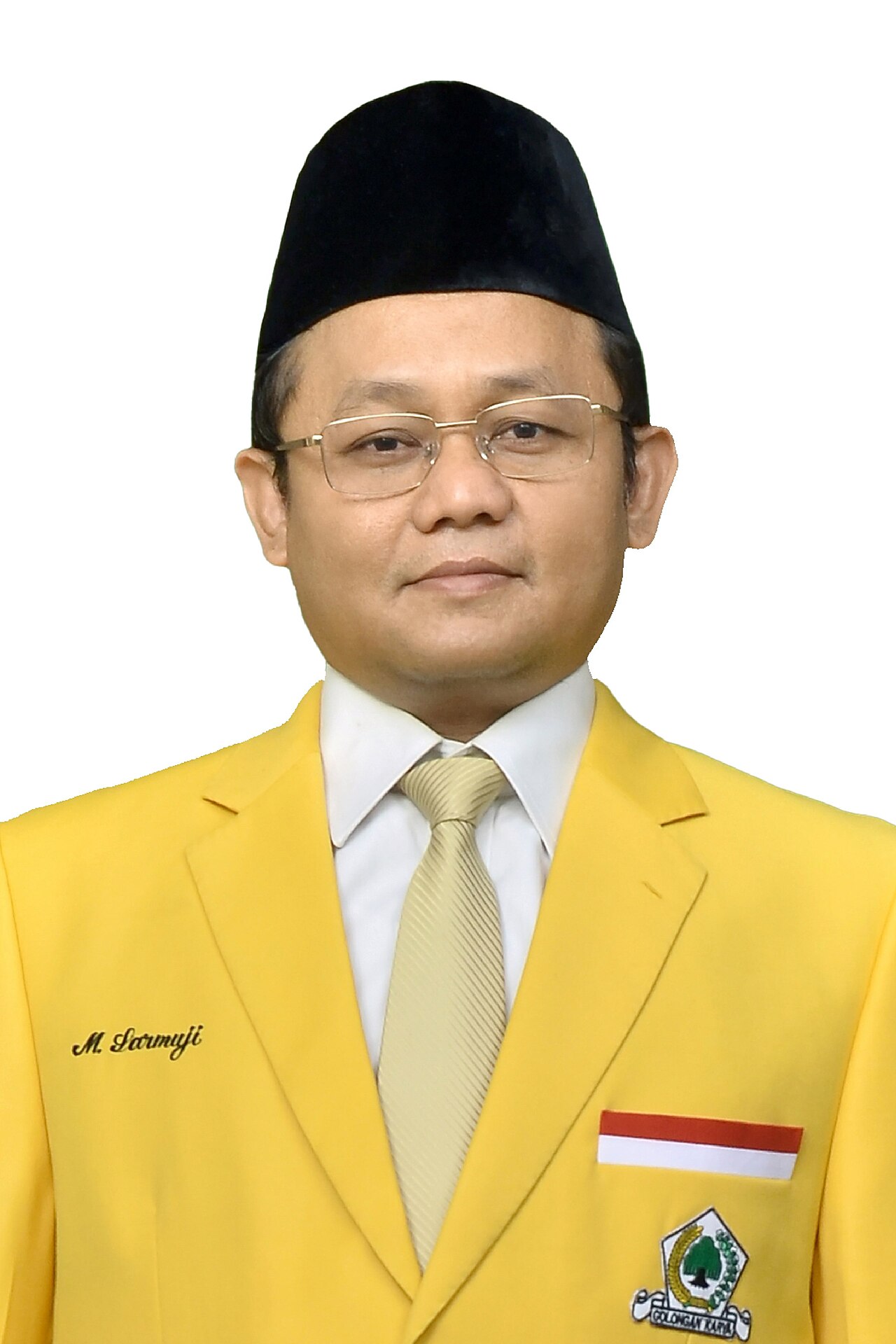
    Indonesia has a new Industry Minister, and one of the first files on his desk is an electric motorbike incentive that has been close to ready for months. Muhammad Sarmuji, until now secretary-general of the Golkar party, was sworn in by President Prabowo Subianto at the State Palace on 1 October, replacing Agus Gumiwang Kartasasmita, Antara reported. It was Prabowo’s seventh cabinet reshuffle since he took office in October 2024.

    The change comes at an awkward moment for the EV industry. As we reported on 27 September, Agus had said the Industry Ministry’s technical work on the e-motorbike purchase incentive was finished and that the decision rested with the Ministry of Finance. A week later, the money has still not been released.

    A promise of continuity

    At his handover ceremony in Jakarta on 2 October, Sarmuji signalled that he would build on his predecessor’s programmes rather than tear them up.

    “We must carry forward what has been achieved and further strengthen the foundations that have been laid.” – Muhammad Sarmuji, Industry Minister, quoted by Antara

    He did not mention electric vehicles in those remarks. But the ministry he now runs sets the local-content (TKDN) thresholds that decide which EVs qualify for tax breaks, and it designed the motorbike incentive. Kumparan listed sustaining EV incentives, strengthening local component supply chains, emission standards and reviving weak car and motorbike demand among his immediate challenges. A member of the House commission that oversees industry, Gandung Pardiman, told Republika the new minister should look beyond finished vehicles and also strengthen the component industry, echoing complaints from parts makers last month.

    Incentive still waiting for a Finance Ministry rule

    The incentive itself has shrunk while it waited. The original plan was Rp5 million per motorbike; the figure now under discussion is Rp3 million, with a proposed budget of Rp3 trillion covering up to one million locally made units, according to detikFinance.

    Industry Ministry spokesperson Febri Hendri Antoni Arief told OtoDream on 3 October that the scheme was still waiting for a Finance Minister regulation (PMK), and that the Finance Ministry would set the amount based on the state’s fiscal capacity. The ministry is not announcing details until the rule is signed, he said, to avoid raising false expectations.

    On 4 October, Coordinating Minister for Economic Affairs Airlangga Hartarto said the incentive would still take effect this year, telling detikOto that the matter sat with the Industry and Finance ministries and that his office would monitor it. He added that this year’s budget allocation (DIPA) is held by the Energy and Mineral Resources Ministry, a further sign of how many hands the scheme passes through. He gave no start date.

    Dealers say the market is frozen

    Moeldoko, chairman of the electric vehicle industry association Periklindo, said the repeated delays were hurting sellers because buyers keep postponing purchases until they know whether a discount is coming.

    “All our dealers and manufacturers are stuck now.” – Moeldoko, Periklindo, to detikOto (translated from Indonesian)

    The sales figures support him. According to detikFinance, electric motorcycle sales from January to August 2026 totalled about 18,900 units, compared with around 77,000 for the whole of 2024 and roughly 70,000 in 2025. By our own calculation, that is an average of about 2,400 a month this year against about 5,800 a month last year. Budi Setiyadi, chair of the electric motorcycle association Aismoli, described the fall as very steep and said many people were waiting to see when the subsidy would arrive. We first reported on the slump in September.

    What it means for buyers

    • No incentive is available today. Until a Finance Ministry regulation is published, dealers cannot apply a government discount, whatever the headlines say.
    • Rp3 million, not Rp5 million, is the likely figure if the scheme goes ahead, and it is expected to cover locally produced models only.
    • Waiting has a cost too. With less than three months of 2026 left and no start date, buyers who need a bike now may find that dealer promotions are worth as much as the uncertain subsidy. Our electric motorbike buyer’s guide and 2026 EV tax and incentive guide explain current prices and rules, and our EV directory lists the brands on sale.

    Whether Sarmuji can push the regulation through faster than his predecessor will be the first test of his promise of continuity. IndoEVs will report when the rule is signed.

    Update, 9 October 2026: Coordinating Economic Minister Airlangga Hartarto has since said the incentive will take effect this year. See Motorbike sales jump 15% in September as e-motorbikes wait on incentive.

    Sources: Antara (1 Oct); Antara (2 Oct); Kumparan; Republika; OtoDream; detikOto; detikFinance

  • Green SM launches VinFast electric motorbike taxis in Jakarta

    Green SM launches VinFast electric motorbike taxis in Jakarta

    Top image: Photo: Newone, CC BY-SA 4.0, via Wikimedia Commons

    Green SM, the Vietnamese all-electric ride-hailing company, has added two wheels to its Indonesian business. Its Green SM Bike service, which uses VinFast electric scooters, began operating in Jakarta on 16 September, according to Antara.

    The launch means Green SM now runs electric cars and motorbikes in the capital, only days after it introduced its six-seat Green Limo taxi service. Antara reported that Indonesia is the company’s first market outside Vietnam for its electric motorbike service.

    Where it runs and on what

    At launch, the service covers selected parts of South, West and Central Jakarta, with expansion to other Indonesian cities not ruled out, Jawa Pos reported. The fleet is made up of two VinFast scooter models, the Evo and the Feliz II, both aimed at everyday urban riding.

    Green SM is also building charging and battery-swap facilities to keep the fleet moving, according to Jawa Pos. Details of how many bikes are on the road at launch were not given in the reports we reviewed.

    Rent-to-own deals for drivers

    Rather than asking riders to bring their own motorbike, Green SM is offering its partner drivers VinFast scooters on rental terms:

    • Rent-to-own: from Rp 39,000 a day, with the scooter becoming the driver’s after two years.
    • Fixed-term rental: contracts of three, six or twelve months, with a Rp 150,000 deposit.

    By our own rough calculation, paying Rp 39,000 every day for two years would add up to about Rp 28.5 million. The actual total will depend on the contract terms, which may not require payment every calendar day.

    Antara reported that drivers who meet the programme’s requirements could earn up to Rp 160,000 a day during an initial two-month period, plus performance bonuses. Applicants must be aged between 21 and 54.5, hold a SIM C motorcycle licence, and provide an ID card, family card, police clearance certificate and a compatible smartphone. No registration fee is charged, but a deposit is due when the vehicle is handed over.

    Why it matters

    Motorbike taxis (ojek) are one of the most intensive uses of two-wheelers in Indonesian cities, so electrifying them could cut fuel costs and tailpipe emissions faster than private sales alone. Green SM’s model, where the platform supplies the vehicle, also sidesteps the upfront price that has held back many private buyers, especially while the government’s e-motorbike purchase incentive remains on hold.

    The company is entering a market dominated by established ride-hailing platforms, and its success will depend on keeping bikes charged and available across a busy city.

    What it means for riders and buyers

    • Passengers in the covered parts of Jakarta now have another electric option for short trips.
    • Would-be ojek drivers should compare the total cost of the rent-to-own deal with buying a scooter outright, and check battery charging or swapping arrangements before signing.
    • Private buyers can find VinFast and other brands in the IndoEVs EV directory and our electric motorbike buyer’s guide.

    Sources: Antara (19 Sept 2026); Jawa Pos (22 Sept 2026).

  • E-motorbike subsidy rules are ready, minister says, but Finance must sign off

    E-motorbike subsidy rules are ready, minister says, but Finance must sign off

    Top image: Photo: Daddynnoob, CC0 (public domain dedication), via Wikimedia Commons

    Indonesia’s long-promised purchase incentive for electric motorcycles is ready to go as far as the Ministry of Industry is concerned, according to Industry Minister Agus Gumiwang Kartasasmita. The final call, he says, now belongs to the Ministry of Finance, which changed hands earlier this month.

    The update is the latest turn in a saga we covered on 24 September, when industry groups warned that e-motorcycle sales had slumped as buyers waited for the discount to appear.

    “The technical side is ready”

    Speaking at the Fairmont hotel in Jakarta, Agus said his ministry had done its part, CNN Indonesia reported on 25 September:

    “We, the technical ministry, are ready. If the Finance Minister decides to grant the incentive…” – Agus Gumiwang Kartasasmita, Industry Minister, to CNN Indonesia (translated from Indonesian)

    He made a similar point earlier in the week, telling reporters that the technical guidelines (petunjuk teknis) had been prepared, IDN Times reported on 23 September. What is still missing is a Finance Minister regulation (PMK) to give the scheme its legal footing, Medcom.id noted, adding that Deputy Industry Minister Faisol Riza had described that regulation as almost finished.

    A new minister in charge

    The person who publicly promised the subsidy is no longer in the job. President Prabowo Subianto replaced Finance Minister Purbaya Yudhi Sadewa with Suahasil Nazara on 14 September, according to Medcom.id, which listed the e-motorbike incentive among the unfinished business Purbaya left behind. Purbaya had said the subsidy should already have been running in September.

    The scheme on the table is unchanged: a Rp 3 million discount per domestically produced electric motorcycle, from a total budget of Rp 3 trillion aimed at up to one million units. That is well below earlier plans of Rp 5 million per unit, and less than half the Rp 7 million incentive offered in 2023, IDN Times pointed out.

    Sales still under pressure

    The uncertainty continues to weigh on the market. Budi Setiyadi, chairman of the electric motorcycle industry association Aismoli, told CNN Indonesia that sales reached only about 18,900 units in January–August 2026, compared with roughly 77,000 in 2024 and 70,000 in 2025.

    Even if the scheme starts soon, it is unlikely to use its full budget this year. CNN Indonesia reported that realistic take-up in 2026 is around 100,000 units, limited by domestic production capacity. By our own calculation, 100,000 units at Rp 3 million each would draw about Rp 300 billion, or roughly a tenth of the Rp 3 trillion allocation.

    Some analysts also question whether the amount is enough. Deon Arinaldo, a director at the Institute for Essential Services Reform (IESR), warned that “incentives that are too small risk not being enough to close the price gap” with petrol motorbikes (translated from Indonesian), IDN Times reported.

    What it means for buyers

    • No start date yet. Until the Finance Ministry issues its regulation, there is no official discount at dealers, whatever sales staff may suggest.
    • Only local models qualify. The scheme targets domestically produced e-motorbikes, so check that a model meets the local-content rules before counting on the discount. Our report on Alva and rising TKDN requirements explains why this matters.
    • Weigh waiting against dealer offers. With sales weak, some brands are already discounting. Rp 3 million is a useful saving on a budget scooter, but a current dealer promotion may be worth as much.

    For model and price comparisons, see our electric motorbike buyer’s guide and the motorbike brands in the IndoEVs EV directory, such as Volta and Alva.

    Related: EV taxes and incentives in Indonesia in 2026: what buyers now pay

    Update, 5 October 2026: Agus Gumiwang has since been replaced as Industry Minister by Muhammad Sarmuji, and the incentive is still waiting for a Finance Ministry regulation. Read our follow-up.

    Sources: CNN Indonesia (25 Sept 2026); IDN Times (23 Sept 2026); Medcom.id (14 Sept 2026).

  • ALVA tells lawmakers local suppliers are the hurdle as TKDN bar rises

    ALVA tells lawmakers local suppliers are the hurdle as TKDN bar rises

    Top image: Photo: AntaraTV, CC BY 3.0, via Wikimedia Commons

    Indonesian electric-motorbike maker ALVA has told members of parliament that building a local supply chain, not factory capacity, is the main obstacle to raising the share of domestic parts in its scooters. The message comes as the government’s local-content (TKDN) requirements for EVs are set to climb in stages towards 80%.

    Parliamentary visit to Bekasi

    A working committee (Panja) of the House of Representatives’ Commission VII, which is preparing a bill on industrial estates, visited the plant of PT Ilectra Motor Group, ALVA’s maker, in the Lippo industrial zone in Bekasi on 25 September, Suara reported. Chief executive Purbaja Pantja told the delegation that developing the EV industry is about building a supporting ecosystem as much as production capacity.

    The company presented these figures, according to the report:

    • annual production capacity of 100,000 units;
    • local content above 40% across all its products, with frames, body panels and braking systems sourced locally, plus battery boxes and brackets from two state-backed small and medium-sized suppliers;
    • more than 590 “Boost Charge” fast-charging connectors nationwide, up from about 150 previously; and
    • 19 sales points, 10 experience centres and over 130 after-sales service locations.

    Four problems with going more local

    ALVA listed the obstacles to pushing localisation further: a small market, local suppliers that are not yet ready, the cost of investing in tooling, and the need for policy certainty. The first and last are linked. Electric-motorbike sales have slumped this year as buyers wait for a promised purchase incentive, as we reported earlier this week, and lower volumes make it harder to justify investing in local parts.

    The TKDN staircase

    According to a Jawa Pos report published the same day, the roadmap for EV local content sets a minimum of 40% in 2026, rising to 60% in 2027–2028 and 80% by 2030. Components maker Dharma Polimetal (DRMA) said it is ready to supply more locally made parts if the thresholds rise. “TKDN is very important, because it will help local industry grow and absorb workers,” director Darmawan Widjaja said (translated from Indonesian). He added that localisation pays off once volumes are large enough.

    That last point echoes ALVA’s case to lawmakers: suppliers will commit to local production when they can see steady demand, and demand depends partly on incentives that themselves are usually tied to TKDN levels.

    What it means for buyers

    Local-content rules matter to buyers because government incentives for EVs are generally linked to them, so a brand that meets the threshold is better placed to offer a subsidised price when a scheme is running. More local parts should, over time, also mean easier access to spares and repairs. For now, ALVA’s figures suggest its range already clears the 40% bar. If you are comparing electric scooters, our electric motorbike buyer’s guide and the motorbike section of our EV directory list the main brands and prices.

    Related: Parts makers say EV local-content rules leave little room for suppliers

    Explainer: new to local-content rules? Read our guide, TKDN explained: what Indonesia’s EV local-content rules mean for buyers.

    Sources: Suara: ALVA outlines e-motorbike and TKDN challenges to DPR (25 Sep 2026); Jawa Pos: EV TKDN to rise in stages to 80%, DRMA ready (25 Sep 2026)

  • E-motorcycle sales slump as Rp 3m purchase incentive stays in limbo

    E-motorcycle sales slump as Rp 3m purchase incentive stays in limbo

    Top image: Photo: オーバードライブ83, CC BY-SA 4.0, via Wikimedia Commons

    Update (27 September 2026): The Industry Ministry says its technical rules are now ready and the decision rests with new Finance Minister Suahasil Nazara. Read the latest.

    Sales of electric motorcycles in Indonesia have fallen sharply this year as buyers hold off while waiting for a promised government purchase incentive, industry groups have warned. The government says the scheme is still due to launch in 2026, but it continues to await the regulations needed to put it into effect.

    Sales down sharply

    According to the Indonesian Electric Motorcycle Industry Association (Aismoli), cited by The Jakarta Post, e-motorcycle sales dropped to only 18,900 units between January and August 2026, compared with 70,000 units for the whole of last year. Industry players told the paper that consumers were postponing purchases until the discount is available, leaving dealers with stagnant sales and, in some cases, facing the prospect of closure.

    Moeldoko, chairman of the Indonesian Electric Vehicle Industry Association (Periklindo) and a former presidential chief of staff, urged the government to act:

    “Why is this going back and forth, with us still waiting for when it will actually be implemented?” – Moeldoko, Periklindo, to The Jakarta Post

    What is on the table

    The planned scheme would give buyers a Rp 3 million discount on each locally made electric motorcycle, funded from a total budget of Rp 3 trillion. It replaces an earlier Rp 5 million-per-unit proposal, Antara reported. Accounts of the scheme’s scale differ: The Jakarta Post described it as covering up to 100,000 units, while Antara said the Rp 3 trillion budget was intended to support purchases of as many as one million domestically produced e-motorcycles, even though national production capacity is expected to reach only about 100,000 units by the end of 2026.

    Expectations had been raised in August, when The Jakarta Post reported, under the headline that the subsidy would return in September, that then Finance Minister Purbaya Yudhi Sadewa expected the scheme to restart that month. That month has now almost passed without the programme starting.

    Government: decided, but paperwork pending

    Deputy Industry Minister Faisol Riza told Antara on 24 September that the government had already decided on the incentive and remained committed to implementing it this year. He said the remaining question was how quickly it could be realised, and indicated that officials were waiting for the new deputy finance minister to take up the post.

    Implementation depends on a Finance Ministry Regulation (PMK), and Antara reported that the programme may also require a Presidential Regulation to give it a firm legal basis. Only once those rules are issued can the technical guidelines, lists of eligible models and dealer procedures be finalised.

    What it means for buyers

    For anyone considering an electric scooter or motorcycle, the delay creates a clear dilemma. Waiting could save Rp 3 million on an eligible model, which is a significant share of the price of many entry-level e-scooters. But there is no confirmed start date, and the incentive is expected to apply only to locally made models that meet local-content (TKDN) requirements, so not every bike on sale will qualify. Buyers should check with dealers whether a model is expected to be eligible and whether any dealer promotions already offset the potential discount. Those who need a bike now may find that existing manufacturer offers make waiting less worthwhile.

    IndoEVs will report on the regulation and the list of eligible models once they are published.

    Sources: The Jakarta Post – EV two-wheeler sales slump as incentive hangs in limbo, industry warns; Antara – RI govt still targets electric motorcycle incentive this year; The Jakarta Post – EV motorcycle subsidy to return in September: Purbaya

  • Prabowo launches Molinas national e-motorcycle programme to use nickel

    Prabowo launches Molinas national e-motorcycle programme to use nickel

    Top image: Photo: AntaraTV, CC BY 3.0, via Wikimedia Commons

    President Prabowo Subianto has launched Molinas, short for Motor Listrik Nasional (National Electric Motorcycle), a government-led programme to build a domestic electric motorcycle industry backed by locally processed nickel batteries. The launch took place on 13 August 2026 at the production facility of electric motorcycle maker ALVA in Cikarang, Bekasi, West Java.

    More than a single bike

    Despite the name, Molinas is not one model but an ecosystem. According to Antara, it covers manufacturing and components, batteries, charging and battery-swapping infrastructure, financing, distribution, after-sales service and market uptake. The Jakarta Post reported that state-owned PT Len Industri is the lead integrator, working with the sovereign wealth fund Danantara and at least 10 national motorcycle companies that meet local-content requirements. ALVA is produced by PT Ilectra Motor Group, part of the Indika Energy group.

    Mr Prabowo described the programme as a collaboration between private companies, state-owned enterprises and universities:

    “Today, in my opinion, is one good example of what I call Indonesia Incorporated.” – President Prabowo Subianto, reported by Antara

    The nickel angle

    A central aim is to create demand for batteries made from Indonesian nickel. Indonesia holds around 46% of the world’s nickel reserves, and Rosan Roeslani – investment and downstreaming minister and chief executive of Danantara – linked the programme’s affordability directly to that resource, Antara reported:

    “Molinas can be affordable and high quality, especially since we can carry out downstreaming from nickel into batteries.” – Rosan Roeslani, reported by Antara

    Mr Rosan also framed the programme as a question of economic self-reliance, telling the launch that Indonesia needed to stand on its own feet in every area of economic activity, according to the Cabinet Secretariat.

    Big targets from a small base

    The scale of ambition is considerable. A follow-up report by Antara noted that Indonesia sells 6–7 million motorcycles a year, but only 60,000–70,000 of them – about 1% – are electric. It said 69 companies already make battery-powered vehicles, with a combined capacity of 2.511 million units a year, and that at least 10 local firms meet local-content rules. ALVA currently produces around 20,000 units a year and aims to expand to 200,000.

    Antara reported a national goal of 2 million Molinas e-motorcycles, without a specified timeframe, and a longer-term target of 11 million electric motorcycles on the road by 2037. Supporters argue that the shift could cut fuel subsidy spending by Rp 82.2 trillion between 2027 and 2037 and create around 215,000 direct and indirect jobs.

    What it means for buyers

    Molinas does not yet change what riders can buy or how much they pay. Its practical effect will depend on the details still to come: which models carry the Molinas label, whether battery-swapping networks become widespread enough to ease range worries, and how financing schemes are structured. It also sits alongside the separate Rp 3 million purchase incentive for locally made e-motorcycles, which has yet to take effect. Buyers interested in a Molinas-affiliated bike should look for clear information on battery warranties, swapping availability in their city and after-sales coverage before committing.

    Related: New industry minister inherits stalled e-motorbike incentive as sales sink; E-motorcycle sales slump as Rp 3m purchase incentive stays in limbo; Indonesia ships first EV batteries from Weda Bay nickel hub. Browse electric motorbike brands in our directory.

    Update (30 October 2026): Pertamina Patra Niaga, PLN and Len Industri have signed an MoU to build charging and battery-swap infrastructure for Molinas. Read our report.

    Sources: Antara – Indonesia launches Molinas in push for electric vehicle self-reliance; Antara – Prabowo calls Molinas an example of “Indonesia Incorporated”; Antara – ‘Molinas’ marks new chapter in Indonesia’s EV industrialization; The Jakarta Post – Prabowo kicks off e-motorcycle ecosystem to push nickel use; Cabinet Secretariat – President Prabowo launches National Electric Motorcycle (MoLiNas)