
Tag: Danantara

  • Pertamina, PLN and Len team up on charging for Molinas e-motorbikes

    Pertamina, PLN and Len team up on charging for Molinas e-motorbikes

    Top image: Photo: Henri Aja, CC BY-SA 4.0, via Wikimedia Commons

    Three state-owned companies have agreed to work together on the charging and battery-swapping network that Indonesia’s national electric motorcycle programme, Molinas, will need if it is to reach riders beyond the big cities. Fuel retailer Pertamina Patra Niaga, state electricity company PLN and defence and technology firm Len Industri signed a memorandum of understanding (MoU) in Jakarta on Tuesday 27 October, with senior figures from the sovereign wealth fund Danantara attending, according to Antara and Liputan6. The agreement was made public on Friday 30 October.

    Fuel stations as the backbone

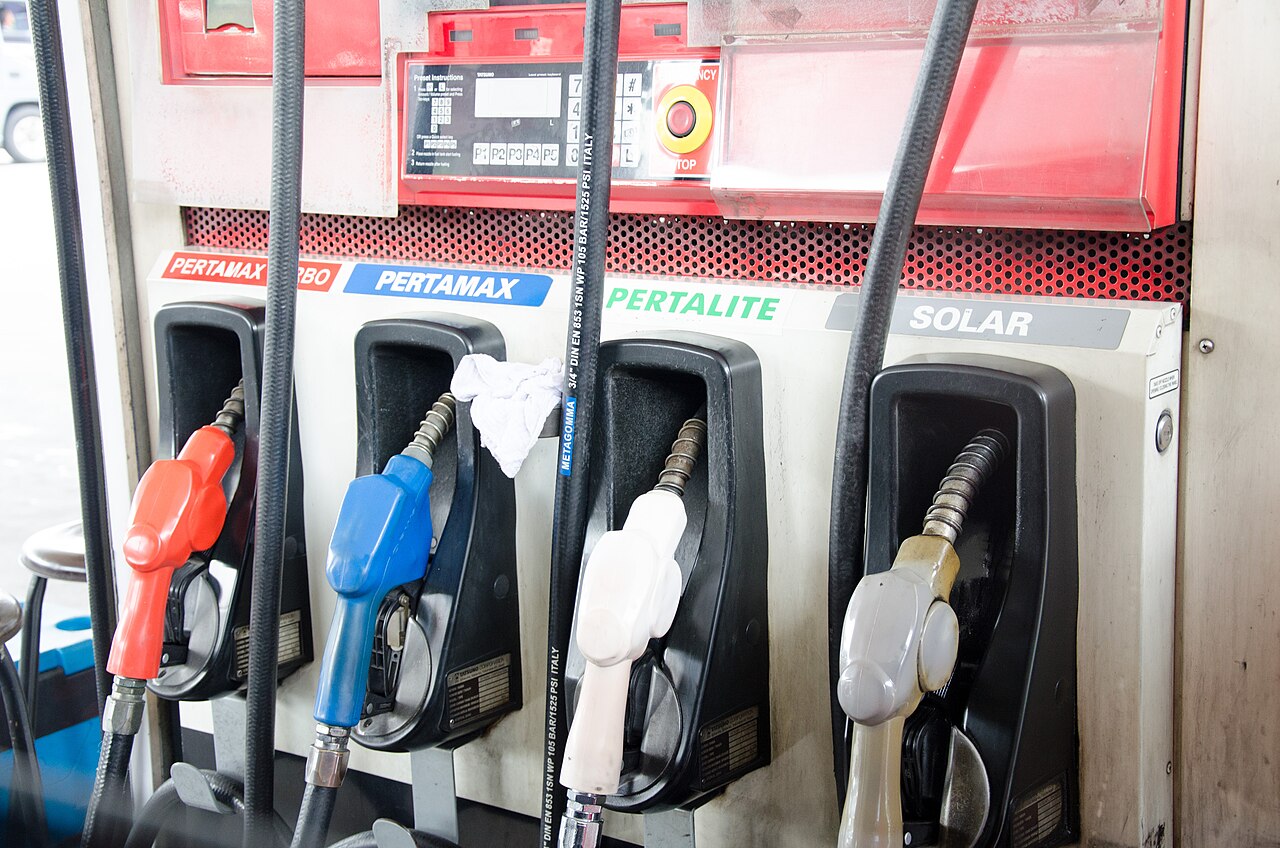
    Pertamina Patra Niaga’s part of the deal is the retail end. The company plans to fit charging and battery-swap facilities into its network of SPBU fuel stations and other strategic retail sites, building on its existing “Green Energy Station” concept.

    Both reports give the same figures for what is already in place:

    • 837 SPBU fuel stations have been developed into Green Energy Stations;
    • 112 EV charging units are installed at SPBU sites;
    • 122 battery-swapping units are installed at SPBU sites.

    Neither report sets out a target number of new charging or swap points, a timetable, an investment figure or a detailed split of responsibilities between PLN and Len Industri. As an MoU, the agreement is a framework for cooperation rather than a binding roll-out plan.

    Eko Ricky, retail marketing director at Pertamina Patra Niaga, framed the deal as being about more than the motorbikes themselves. “We aim to ensure the transition to electric vehicles goes beyond merely providing the vehicles themselves,” he said, as quoted by Antara. He added that the goal was an energy ecosystem that is reliable and accessible across Indonesia’s regions.

    Where Molinas stands

    President Prabowo Subianto launched Molinas in August as a push to build a domestic electric two-wheeler industry, covering components, assembly, batteries and after-sales service, and to put Indonesia’s nickel resources to use. Antara links the new MoU to Indonesia’s goal of net-zero emissions by 2060 or sooner and to the government’s aim of cutting emissions from transport.

    The deal is a follow-up to that launch rather than a change to the bikes on offer: neither source gives new details on Molinas models, prices or sales dates.

    What it means for buyers

    For riders, the practical question with any electric motorbike in Indonesia is less the purchase price than where to recharge or swap a battery away from home. Putting charging and swap points at Pertamina fuel stations, which are already found along main roads across the archipelago, would address that directly, but on the figures reported so far the network is still small: 122 swap units across SPBU sites is modest set against a country of Indonesia’s size.

    Two things are worth watching before buying with this network in mind. The first is whether Molinas bikes will use swappable batteries that fit the stations Pertamina already operates, which neither report says. The second is how quickly the 837 Green Energy Stations gain charging or swap equipment, since the reported numbers show that most do not yet have it. Until those details emerge, home charging remains the main option for most e-motorbike owners. Our electric motorbike buyer’s guide explains the trade-offs between plug-in and battery-swap models, and our EV directory lists the motorbike brands and charging companies active in Indonesia.

    Sources: Antara News – Three state firms align to drive Indonesia’s e-motorcycle program; Liputan6 – Pertamina Patra Niaga, PLN dan Len siapkan infrastruktur charging dan swapping motor listrik (Indonesian).
  • Nickel parks’ 15.9 GW power base, mostly coal, raises EV battery questions

    Nickel parks’ 15.9 GW power base, mostly coal, raises EV battery questions

    Top image: Photo: Ministry of Public Works of Indonesia (Kementerian PUPR), Public domain, via Wikimedia Commons

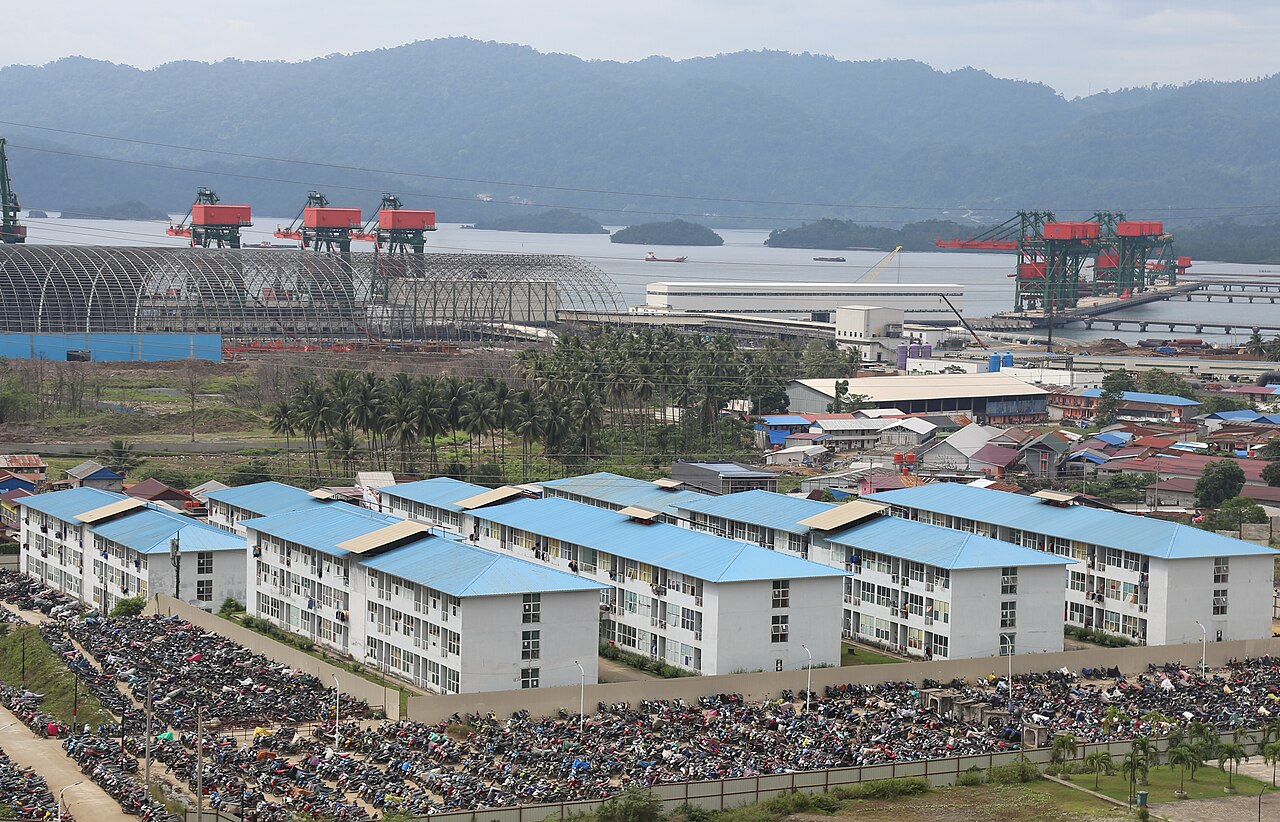
    Indonesia’s two biggest nickel processing hubs now have around 15.9 gigawatts (GW) of power capacity, most of it from coal plants the parks build and run for themselves. Energy experts quoted by Kontan on Sunday 11 October warned that this reliance on so-called captive coal power could weaken the appeal of the country’s nickel and EV battery materials in export markets that increasingly check carbon footprints.

    The debate follows last week’s ceremony at the Indonesia Weda Bay Industrial Park (IWIP) in North Maluku, where President Prabowo Subianto marked Indonesia’s first EV battery exports and the start of 11 industrial projects.

    Where the 15.9 GW figure comes from

    At the IWIP groundbreaking on Thursday 8 October, Investment and Downstreaming Minister and Danantara CEO Rosan Roeslani said installed and under-construction power capacity at IWIP exceeds 7.1 GW, while the Indonesia Morowali Industrial Park (IMIP) in Central Sulawesi has about 8.8 GW. He put the combined total at roughly 15.9 GW and compared it with Singapore’s total electricity use of 13.1 GW, according to Antara and Kontan.

    Antara’s report of the event put the 11 projects at US$10.2 billion. They include nickel-based battery materials, battery separators and electrolytes, aluminium smelting, electric mining trucks and solar glass. Antara did not describe the parks’ power mix. Kontan’s reporting says the capacity is dominated by captive coal-fired plants (PLTU captive), which operate outside the state utility PLN’s grid.

    Why smelters build their own coal plants

    Muhammad Kholid Syeirazi, a member of the National Energy Council (DEN), told Kontan that investors choose captive coal because it is seen as cheap, reliable and can be built anywhere, including areas PLN’s grid does not reach. Smelters need gigawatt-scale power that runs around the clock, and he said PLN’s systems in some industrial regions cannot yet supply that.

    “If industrial expansion continues to be powered by captive coal plants, the Net Zero Emission 2060 target could be missed.”
    — Muhammad Kholid Syeirazi, DEN, to Kontan (translated from Indonesian)

    He called for all new captive capacity to be written into the national energy and electricity plans (RUEN, RUKN and PLN’s RUPTL) so it can be tracked against transition goals. He also noted that global buyers increasingly look at the carbon footprint of nickel, steel, aluminium and EV battery materials, and that high-emission products could face trade barriers and higher compliance costs.

    Saleh Abdurrahman of the Indonesian Renewable Energy Society (METI) told Kontan that large industrial users usually build their own plants when PLN cannot guarantee the capacity and reliability they need. He said the government’s planned 100 GW solar programme would make net-zero commitments more credible if it is delivered, but that it still needs clear buyers for the power.

    Stranded-asset and revenue concerns

    Yusuf Rendy Manilet, a researcher at the Center of Reform on Economics (CORE), told Kontan that state revenue from the parks does not rise in step with export values, because of fiscal incentives, imported capital goods and profits sent abroad. He said the net benefit shrinks further once health, pollution and carbon costs are counted. He also pointed out that current rules still exempt captive coal plants linked to national strategic projects.

    He warned that high-carbon nickel could lose access to premium markets or face price penalties. He also said the coal plants being built now “have operating lives of decades, so they risk becoming stranded assets” (translated from Indonesian). His suggestions included requiring new smelters to use renewable or hybrid power, and opening “power wheeling” so parks can buy green electricity through PLN’s network.

    What it means for buyers

    For Indonesian EV buyers, nothing changes at the showroom today. Only a handful of EVs on sale locally use nickel-based batteries, as Suara noted earlier this year, so the parks’ power mix has little direct bearing on what most local buyers drive. The issue matters more for the bigger picture: whether Indonesia’s nickel-to-battery strategy, outlined in our battery industry guide, can produce materials that carmakers and overseas regulators regard as low-carbon. That will shape how much battery investment and value-added work stays in Indonesia, alongside the 60% local-content rule due from 2027.

    Update, 14 October 2026: the government is now weighing a moratorium on new smelters that make semi-finished nickel. Read more: Indonesia weighs halt to new semi-finished nickel smelters amid glut.

    Sources: Kontan – DEN on captive power (11 Oct 2026); Kontan – METI on industrial power demand (11 Oct 2026); Kontan – CORE on nickel exports (11 Oct 2026); Antara – 11 industrial projects worth US$10.2 billion (8 Oct 2026)

  • Prabowo launches Molinas national e-motorcycle programme to use nickel

    Prabowo launches Molinas national e-motorcycle programme to use nickel

    Top image: Photo: AntaraTV, CC BY 3.0, via Wikimedia Commons

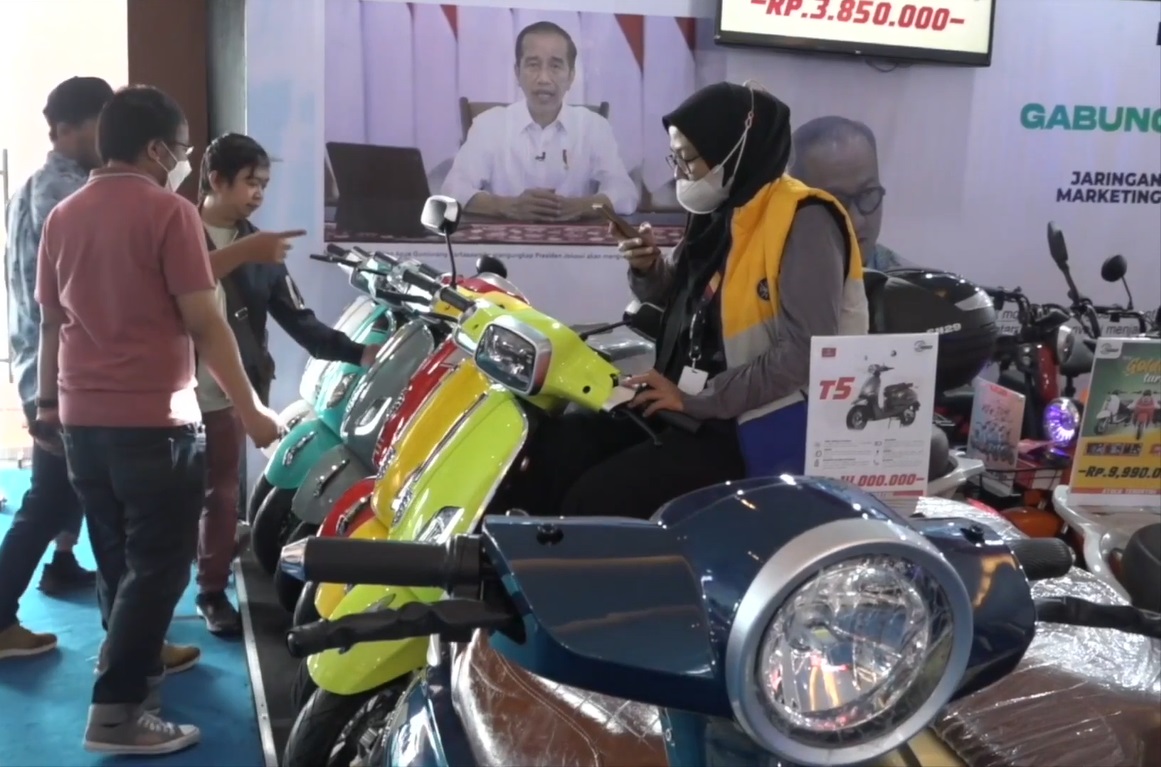
    President Prabowo Subianto has launched Molinas, short for Motor Listrik Nasional (National Electric Motorcycle), a government-led programme to build a domestic electric motorcycle industry backed by locally processed nickel batteries. The launch took place on 13 August 2026 at the production facility of electric motorcycle maker ALVA in Cikarang, Bekasi, West Java.

    More than a single bike

    Despite the name, Molinas is not one model but an ecosystem. According to Antara, it covers manufacturing and components, batteries, charging and battery-swapping infrastructure, financing, distribution, after-sales service and market uptake. The Jakarta Post reported that state-owned PT Len Industri is the lead integrator, working with the sovereign wealth fund Danantara and at least 10 national motorcycle companies that meet local-content requirements. ALVA is produced by PT Ilectra Motor Group, part of the Indika Energy group.

    Mr Prabowo described the programme as a collaboration between private companies, state-owned enterprises and universities:

    “Today, in my opinion, is one good example of what I call Indonesia Incorporated.” – President Prabowo Subianto, reported by Antara

    The nickel angle

    A central aim is to create demand for batteries made from Indonesian nickel. Indonesia holds around 46% of the world’s nickel reserves, and Rosan Roeslani – investment and downstreaming minister and chief executive of Danantara – linked the programme’s affordability directly to that resource, Antara reported:

    “Molinas can be affordable and high quality, especially since we can carry out downstreaming from nickel into batteries.” – Rosan Roeslani, reported by Antara

    Mr Rosan also framed the programme as a question of economic self-reliance, telling the launch that Indonesia needed to stand on its own feet in every area of economic activity, according to the Cabinet Secretariat.

    Big targets from a small base

    The scale of ambition is considerable. A follow-up report by Antara noted that Indonesia sells 6–7 million motorcycles a year, but only 60,000–70,000 of them – about 1% – are electric. It said 69 companies already make battery-powered vehicles, with a combined capacity of 2.511 million units a year, and that at least 10 local firms meet local-content rules. ALVA currently produces around 20,000 units a year and aims to expand to 200,000.

    Antara reported a national goal of 2 million Molinas e-motorcycles, without a specified timeframe, and a longer-term target of 11 million electric motorcycles on the road by 2037. Supporters argue that the shift could cut fuel subsidy spending by Rp 82.2 trillion between 2027 and 2037 and create around 215,000 direct and indirect jobs.

    What it means for buyers

    Molinas does not yet change what riders can buy or how much they pay. Its practical effect will depend on the details still to come: which models carry the Molinas label, whether battery-swapping networks become widespread enough to ease range worries, and how financing schemes are structured. It also sits alongside the separate Rp 3 million purchase incentive for locally made e-motorcycles, which has yet to take effect. Buyers interested in a Molinas-affiliated bike should look for clear information on battery warranties, swapping availability in their city and after-sales coverage before committing.

    Related: New industry minister inherits stalled e-motorbike incentive as sales sink; E-motorcycle sales slump as Rp 3m purchase incentive stays in limbo; Indonesia ships first EV batteries from Weda Bay nickel hub. Browse electric motorbike brands in our directory.

    Update (30 October 2026): Pertamina Patra Niaga, PLN and Len Industri have signed an MoU to build charging and battery-swap infrastructure for Molinas. Read our report.

    Sources: Antara – Indonesia launches Molinas in push for electric vehicle self-reliance; Antara – Prabowo calls Molinas an example of “Indonesia Incorporated”; Antara – ‘Molinas’ marks new chapter in Indonesia’s EV industrialization; The Jakarta Post – Prabowo kicks off e-motorcycle ecosystem to push nickel use; Cabinet Secretariat – President Prabowo launches National Electric Motorcycle (MoLiNas)