
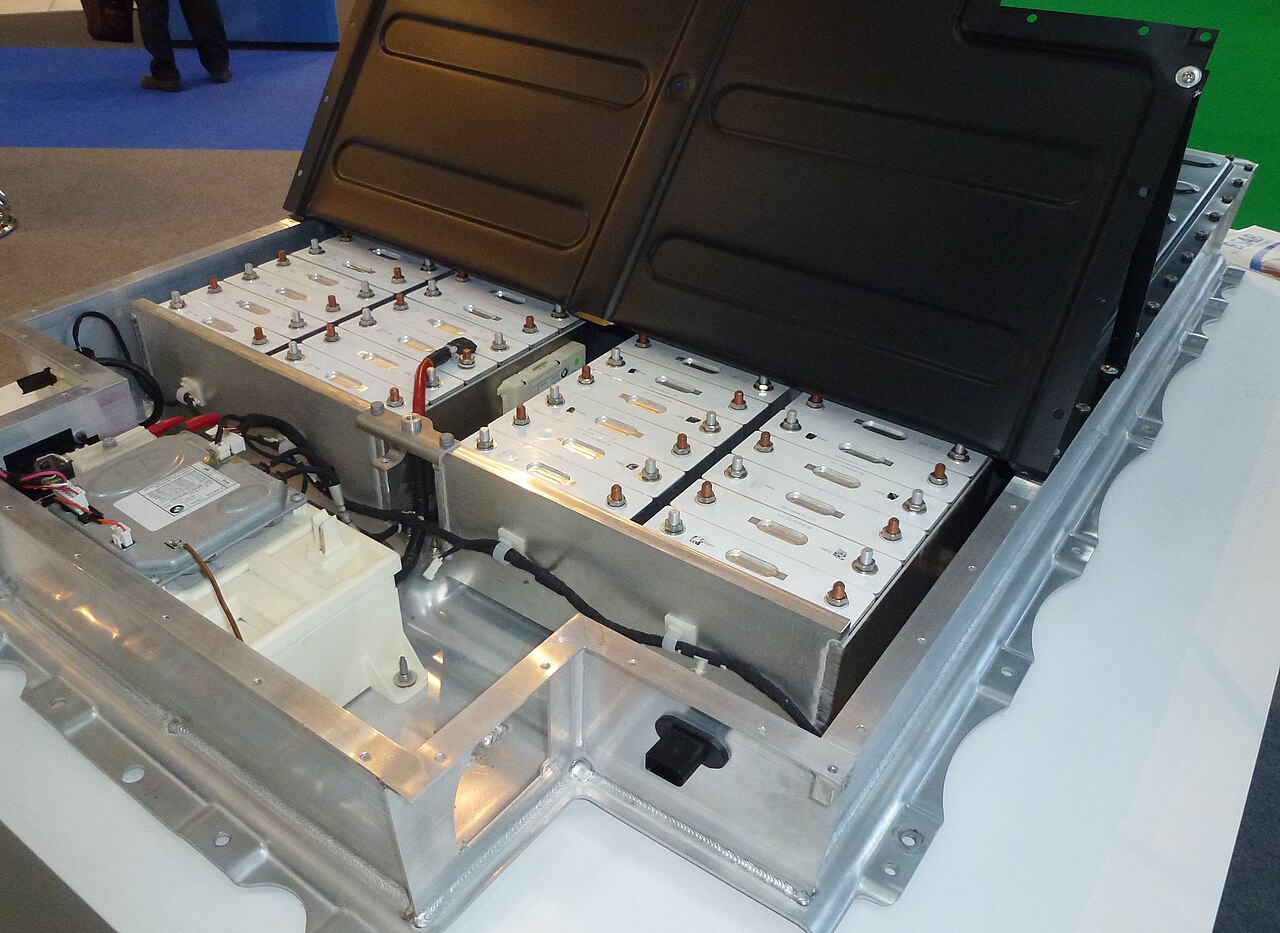
Top image: Photo: RudolfSimon, CC BY-SA 3.0, via Wikimedia Commons

Electric car brands that do not build vehicles in Indonesia could still meet the country’s 60% local-content requirement from 2027, provided they use batteries made in Indonesia, the Ministry of Industry (Kemenperin) said on Tuesday 13 October.
The comments, reported by Suara.com from the ministry’s offices in Jakarta, add a new wrinkle to the tightening TKDN (domestic component level) rules that we covered when the ministry reaffirmed the 60% threshold at the start of the month.
What the ministry said
Setia Diarta, director general of metal, machinery, transport equipment and electronics industries (ILMATE) at Kemenperin, said the ministry’s own simulations showed the 60% level was reachable whether or not a brand operates an assembly plant in Indonesia. “So whether you have a factory or not, it is actually possible,” he said (translated from Indonesian).
He pointed to an unnamed brand that still assembles its cars overseas but already fits Indonesian-made batteries, saying that approach could help it catch up with the local-content target. Suara’s report does not explain how a vehicle assembled abroad would be scored under the TKDN system, and the ministry did not name the brand.
The timetable
The requirements come from Presidential Regulation (Perpres) No. 79 of 2023, which revised Perpres No. 55 of 2019 on accelerating battery-electric vehicles. Under it, the minimum local content for battery-electric cars is:
- 40% for 2022–2026
- 60% for 2027–2029
- 80% from 2030
Patia J. Monangdo, who leads the ministry’s battery-electric vehicle industry working team, said the average TKDN of electric cars in Indonesia is currently around 45–47%, with the best-performing product at 80%. More than 100 electric vehicle products now hold TKDN certificates, he said. On those averages, many models would need to add well over ten percentage points of local content within roughly 15 months (our estimate, based on the ministry’s figures).
Why batteries matter so much
The battery is the single most expensive part of an electric car, so localising it moves the TKDN score more than almost any other component. At a separate industry discussion, the same ministry team said batteries were the “crucial topic” for the next stage, Katadata reported. According to Katadata’s account, local battery packaging adds around 10% to a vehicle’s score, locally made housings and wiring harnesses around 20%, and a domestically produced battery management system around 30%, with local cell production also seen as important.
Not every carmaker is ready. Toyota’s Indonesian manufacturing arm TMMIN, which began building the bZ4X locally in late 2025, said at the end of September that it was still studying whether it could meet the 2027 target, Katadata reported.
The push lines up with the government’s battery ambitions. Indonesia shipped its first export of EV batteries from the Weda Bay industrial park in North Maluku on 8 October, and officials want more of that output to end up in cars sold at home.
What it means for buyers
TKDN is not just an industrial target: it decides which cars qualify for tax breaks. The 40% threshold has been the gateway to government incentives such as VAT relief, according to the ministry, so models that miss the higher bar from 2027 risk losing that support and becoming more expensive. If imported models can qualify through local batteries, buyers could see a wider choice of incentive-eligible cars. Until the ministry publishes how such vehicles would be assessed, though, shoppers should check a model’s current TKDN status before counting on a discount. Our guide to EV tax incentives explains how the current schemes work.
Update: BYD says its Subang-built models already exceed 40% local content and that it expects to meet the 60% rule in 2027. Read our follow-up.
Sources: Suara.com (13 Oct 2026); Katadata (30 Sep 2026); GridOto (23 Nov 2025); Antara (8 Oct 2026).
Comments
2 responses to “Imported EVs could hit 60% local content with local batteries, ministry says”
[…] rival. MG has not published a TKDN figure for the MGS6 EV. For background, see our coverage of the 60% local-content rule and our guide to EV taxes and incentives in […]
[…] is not the only route to compliance. As we reported last week, the Ministry of Industry says brands could also reach 60% by using batteries from Indonesian […]