Tag: Market data

  • PEVS 2026 opens as battery EVs reach 16.88% of Indonesia’s car market

    PEVS 2026 opens as battery EVs reach 16.88% of Indonesia’s car market

    Top image: Photo: Irvan Cahyo N, CC BY-SA 4.0, via Wikimedia Commons

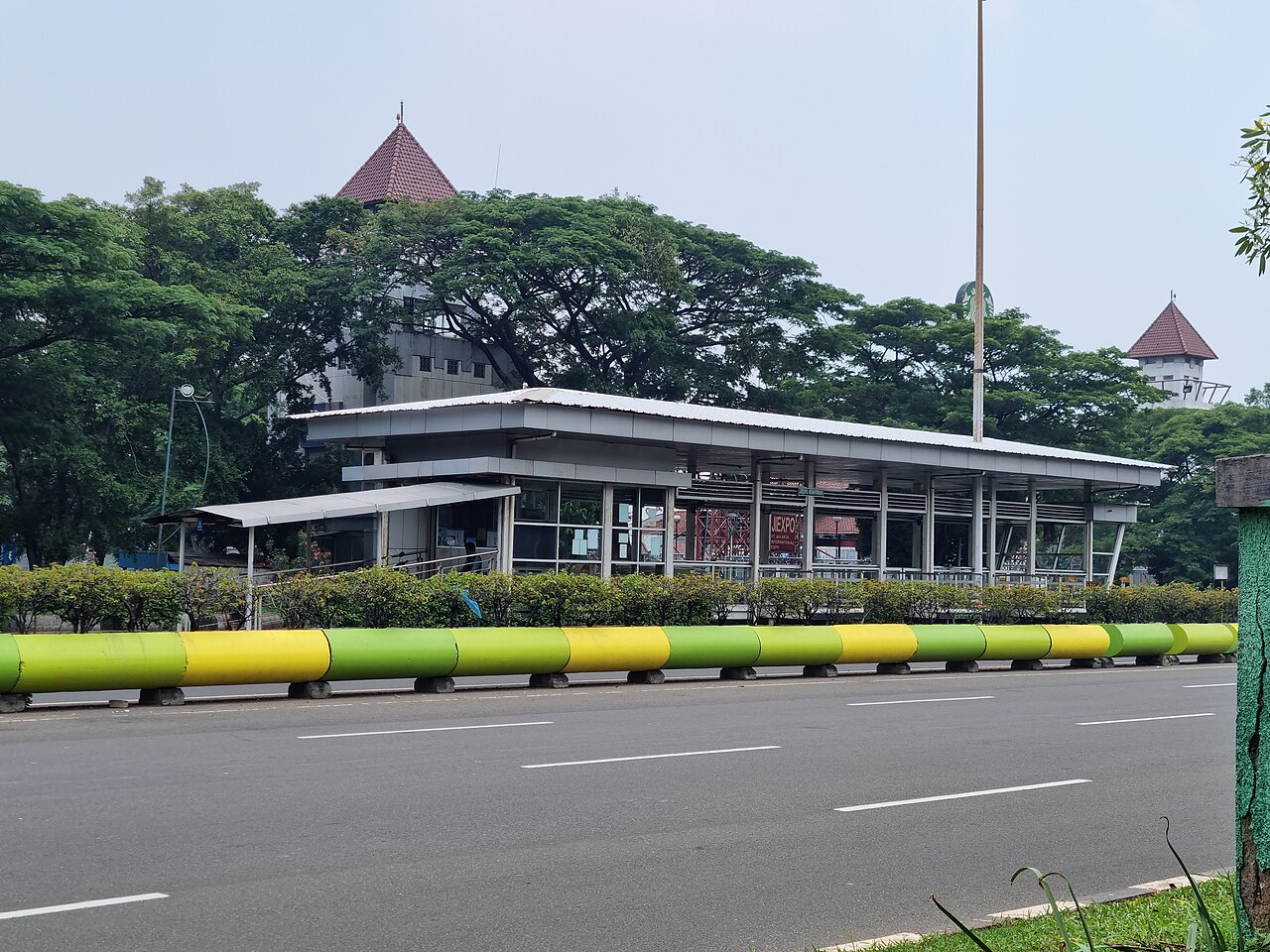
    The fifth Periklindo Electric Vehicle Show (PEVS) opened at JIExpo Kemayoran in Central Jakarta on Thursday 29 October, and the government used the occasion to put a number on how quickly electric cars are moving into the mainstream. According to industry ministry data presented at the opening, battery electric vehicles (BEVs) accounted for 16.88% of Indonesia’s four-wheeler market by August 2026, up from about 0.99% in 2022, Liputan6 reported.

    The show, which we previewed last week, runs until Sunday 1 November.

    From under 1% to almost one in six

    The figures were set out in a speech on behalf of the Minister of Industry, read by Setia Diarta, the ministry’s Director General of Metal, Machinery, Transportation Equipment and Electronics Industries (ILMATE). The speech said the increase showed growing public acceptance of electric vehicles, but added that market growth needs to be matched by more domestic production capacity.

    The ministry also put Indonesia’s total electric vehicle population at 541,000 units as of August 2026, a figure that covers two-, three- and four-wheelers as well as commercial and special-purpose vehicles. CNN Indonesia, citing the same national industry data, gave earlier totals of 243,000 units in 2024 and 406,000 in 2025. By our calculation, that means roughly 135,000 electric vehicles were added in the first eight months of 2026, against about 163,000 in the whole of 2025.

    Reports of the opening framed the share figures slightly differently. CNN Indonesia described BEVs as about 16% and hybrids (HEVs) as about 9%, citing data to April 2026, while Liputan6 reported the 16.88% figure as BEVs’ share of the four-wheeler market as of August. Neither outlet published the full underlying dataset, so the numbers are best read as an indication of direction rather than a precise like-for-like comparison.

    Local content rules restated

    The ministry also restated its local-content (TKDN) path for battery electric vehicles under Presidential Regulation 55/2019 (as amended by Regulation 79/2023) and industry ministry rules: a minimum of 40% until the end of 2026, rising to 60% for 2027–2029 and 80% from 2030. Batteries and battery management systems were singled out as priorities for local production. We have covered how carmakers are preparing for the step up, including BYD’s plans for its Subang plant and the role of locally made batteries.

    Who is exhibiting

    Organisers Dyandra Promosindo and Periklindo list nine car brands — BAIC, BYD, Chery, Danza, DFSK, MAB, MG, Polytron and Wuling — and six electric motorbike brands: Alva, AHM (Astra Honda Motor), Indomobil E-Motor, Polytron, Selis and United, according to Medcom. There are also air-mobility exhibitors showing cargo drones and eVTOL aircraft, and electric boat makers.

    Periklindo chairman Moeldoko, who formally opened the show, repeated his argument that EVs can cut household running costs and the fuel-subsidy bill. Bappenas head Rachmat Pambudy also attended. Speaking to KatadataOTO, Moeldoko said:

    “We (Indonesia) must not just be spectators; we must be a main player in responding to EV developments in Indonesia.” (translated from Indonesian)

    Moeldoko’s recent comments about eventually ending EVs’ exemption from Jakarta’s odd-even rule are covered in our earlier report.

    What it means for buyers

    For anyone shopping for an EV, the show is mainly a chance to compare models side by side and try them: organisers are running indoor test drives and test rides, and say buyers who order a car or motorbike at the show can claim cashback worth up to Rp200 million, depending on the brand and model. Entry is free, according to KatadataOTO. Opening hours are 10:00–19:00 WIB on 30 and 31 October and 10:00–18:00 WIB on 1 November.

    Moeldoko again cited running costs of around Rp800,000 a month for an EV against Rp6–8 million for a petrol car. That is his illustration rather than a measured average, and real savings depend on mileage and how you charge — our guide to EV running costs in Indonesia breaks down the numbers.

    Update: for the electric motorbike deals on offer at the show, see PEVS 2026: Honda, Polytron and United cut electric motorbike prices.

    Follow-up: PEVS 2026 closed on 1 November with 35,257 visitors; read our wrap-up, including the Just EV coalition’s report card for carmakers.

    Sources: Liputan6; CNN Indonesia; Medcom.id; KatadataOTO.
  • EV sales pass 2025 total by September as Jaecoo J5 and BYD Atto 1 lead

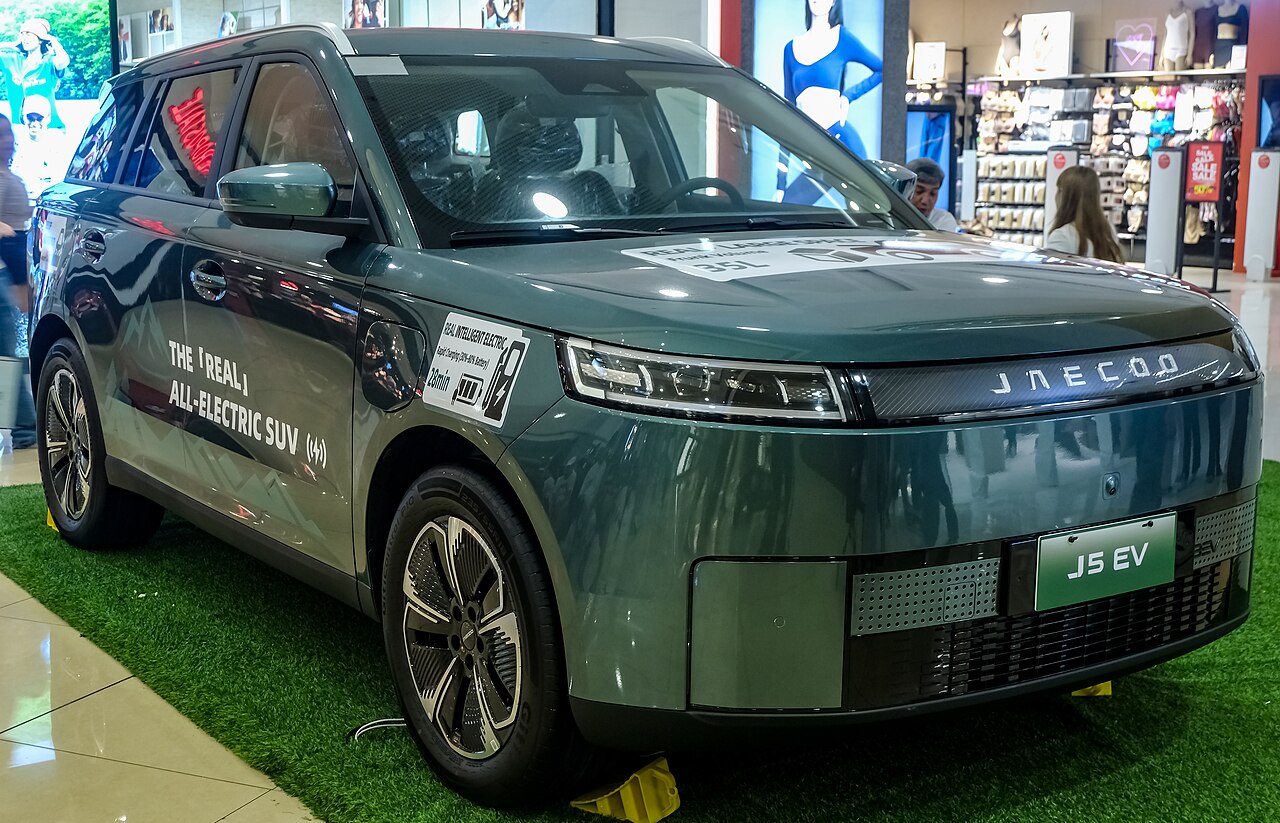
    EV sales pass 2025 total by September as Jaecoo J5 and BYD Atto 1 lead

    Top image: Photo: Ethan Llamas, CC BY-SA 4.0, via Wikimedia Commons

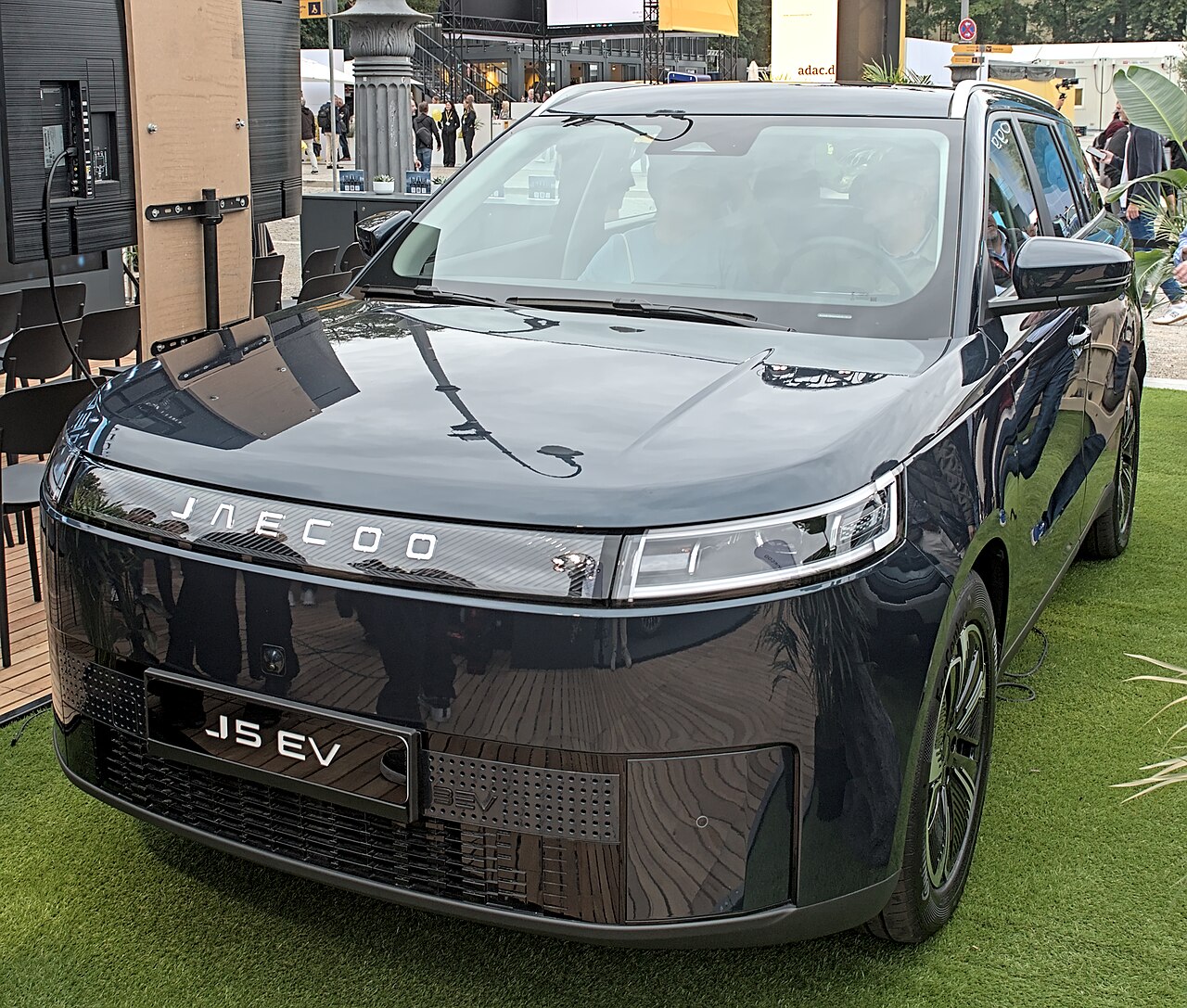
    Indonesia has already sold more battery-electric cars in the first nine months of 2026 than in the whole of 2025, and the race for the top spot is tightening. Gaikindo wholesale figures reported by Kontan on Monday show 117,218 battery-electric vehicles (BEVs) shipped from factories to dealers between January and September, equal to about 17.3% of all new cars sold.

    That total is already above the 103,931 BEVs sold across all of 2025. Kontan describes the difference as growth of roughly 12.8%; note that this compares nine months of 2026 with twelve months of 2025, so the true year-on-year rate for the same period will be considerably higher.

    The ten best-selling electric cars, January–September 2026

    According to the Gaikindo data cited by Kontan, the top ten battery-electric models by wholesales were:

    • Jaecoo J5 EV: 26,635 units
    • BYD Atto 1: 24,749
    • Geely EX2: 11,659
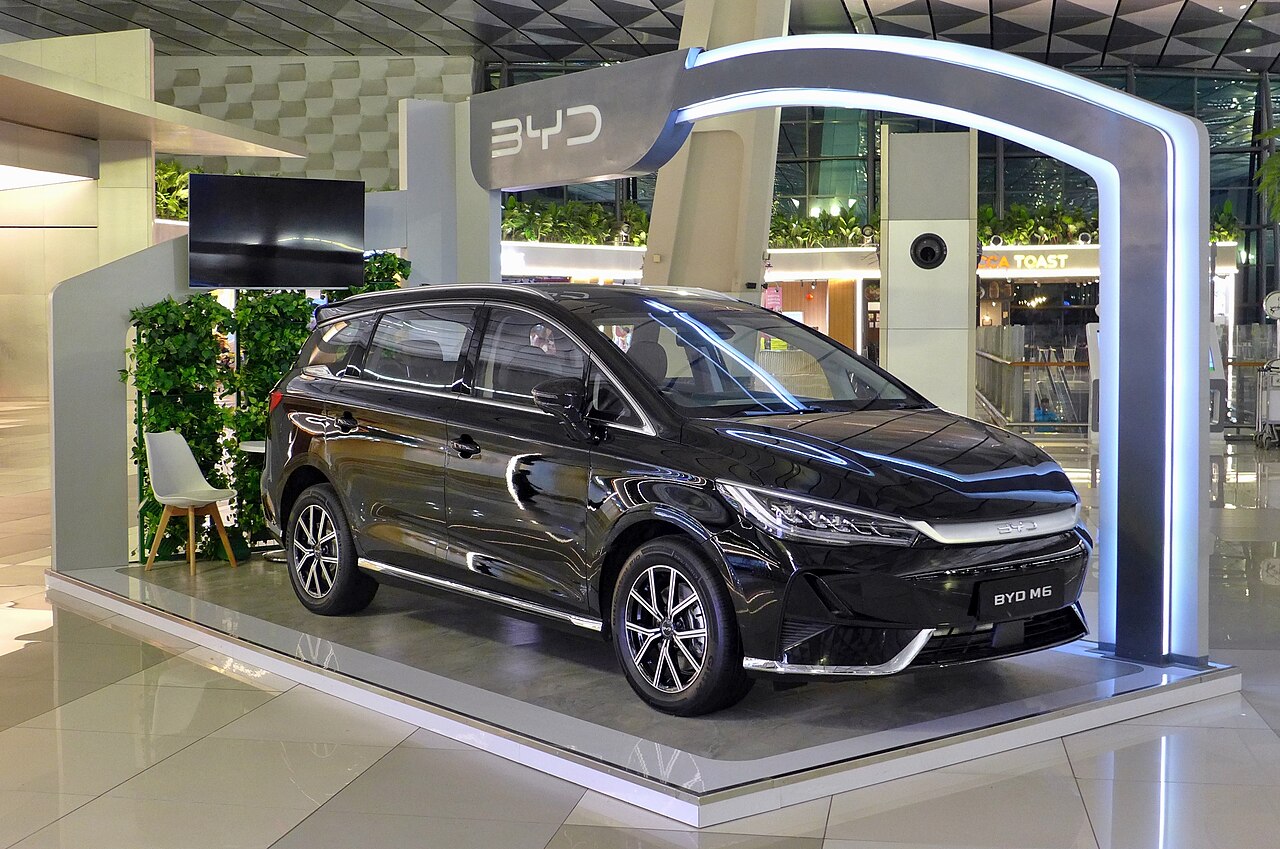
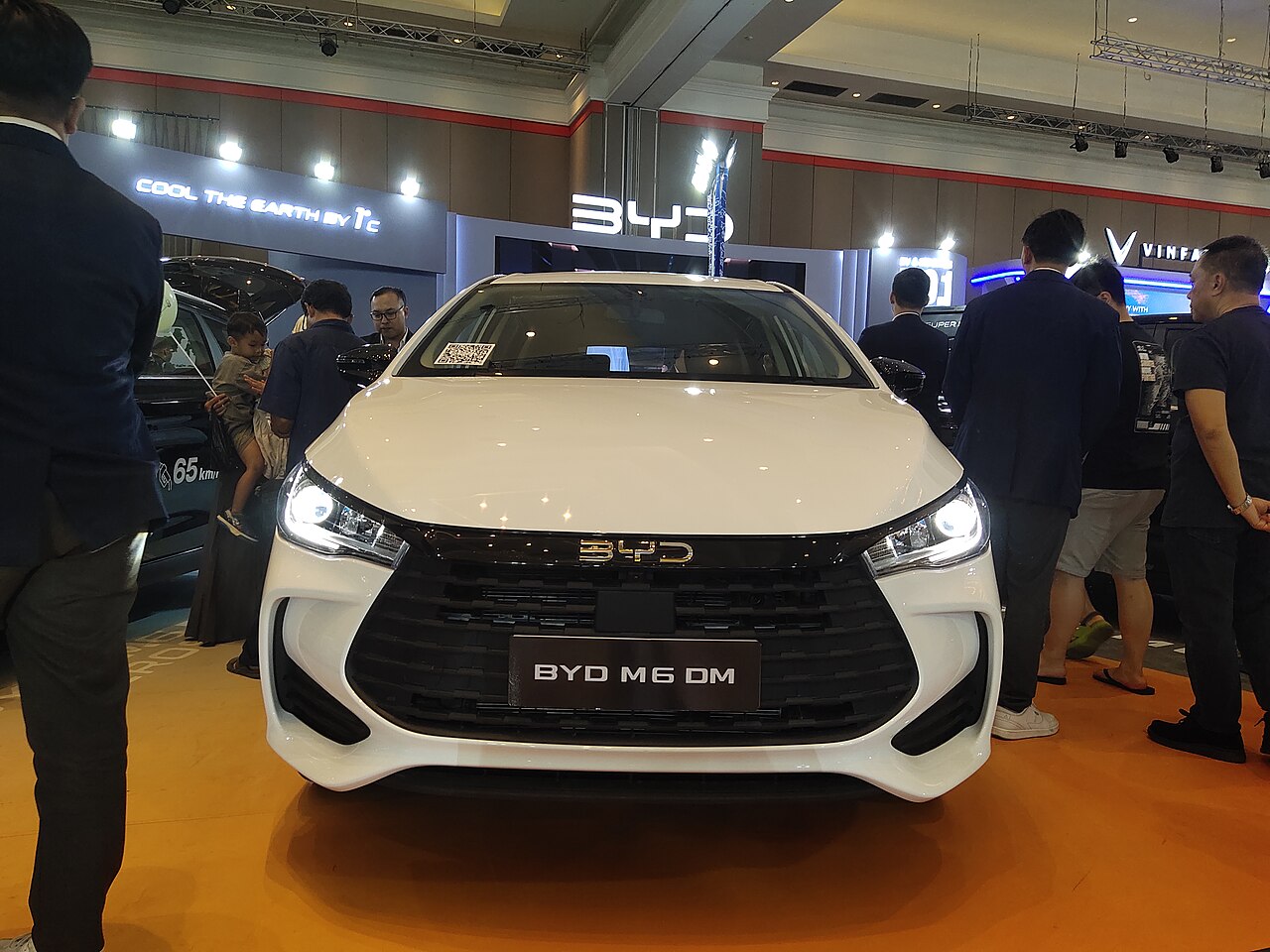
    • BYD M6: 7,043
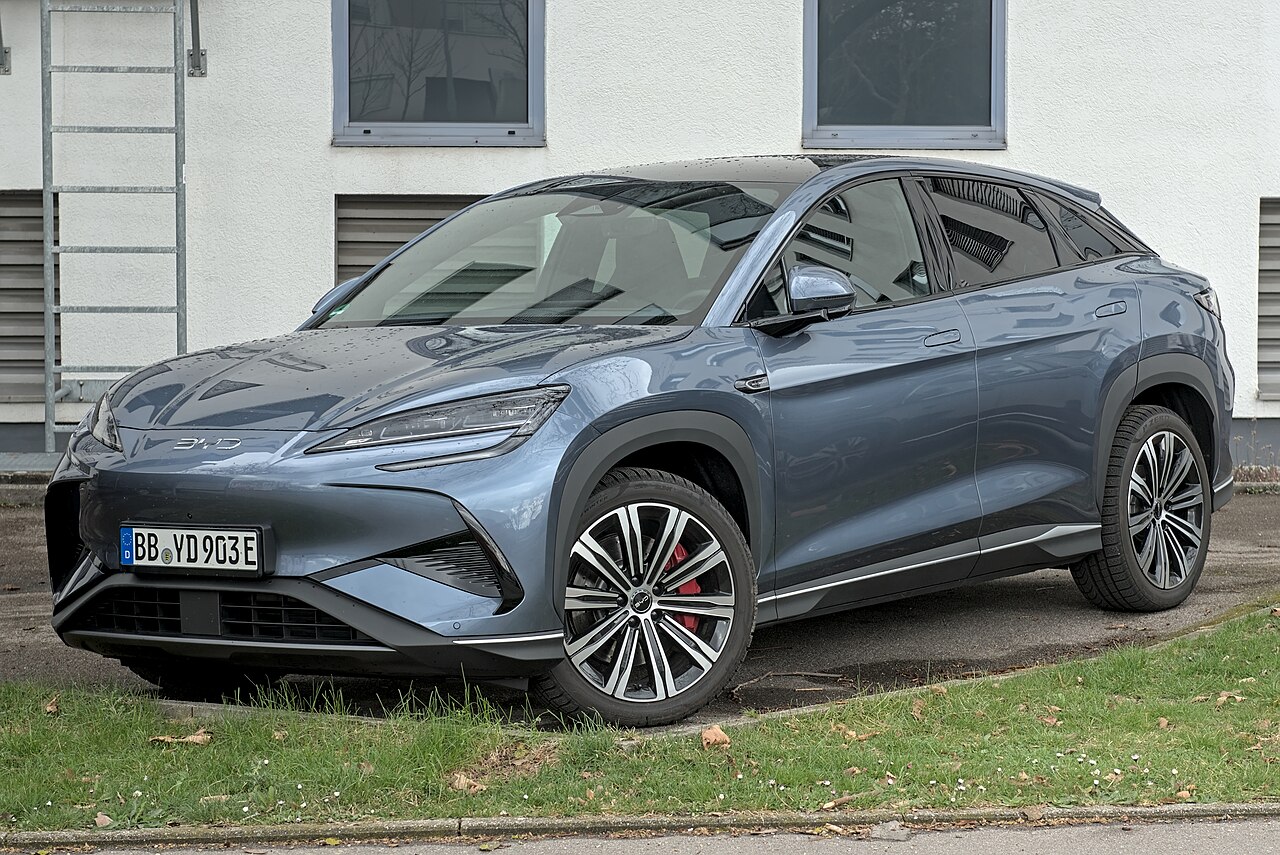
    • BYD Sealion 7: 4,266
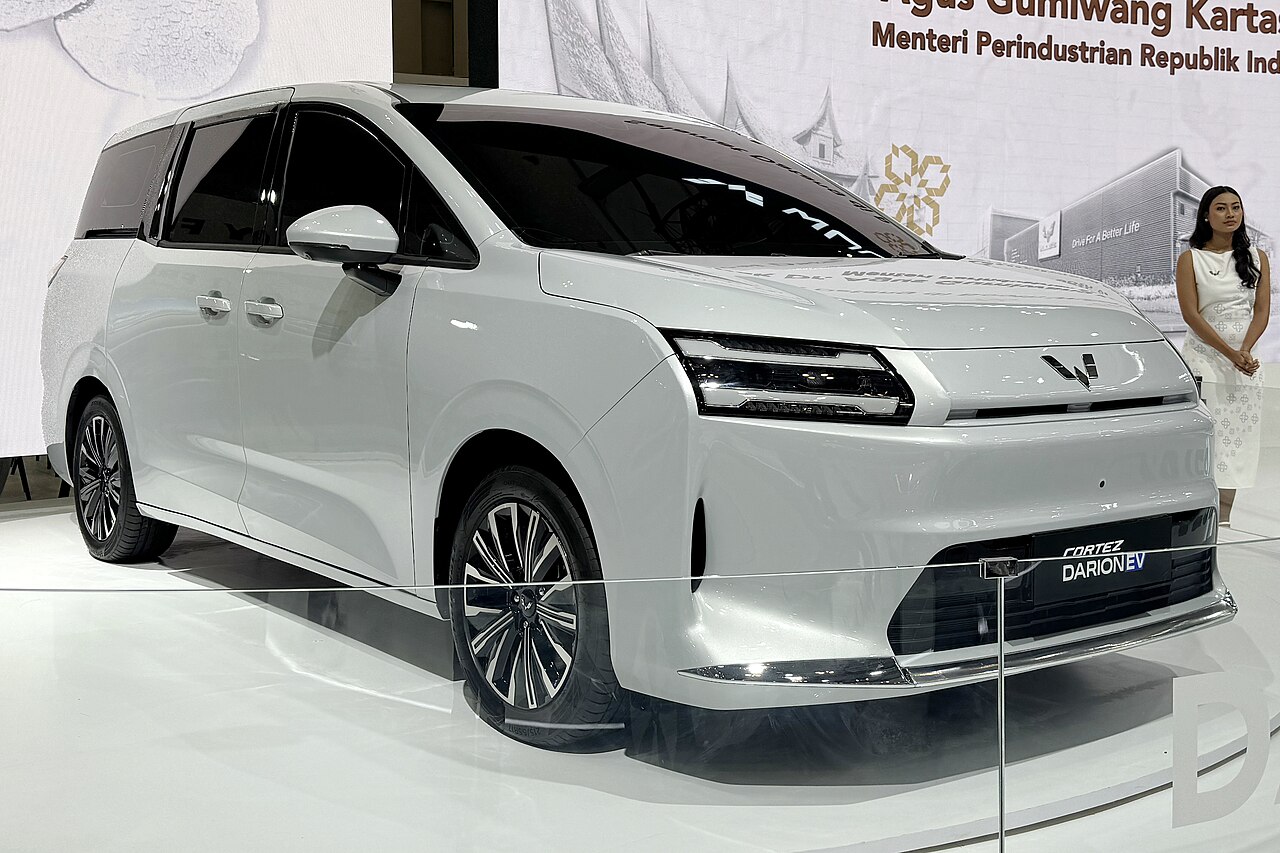
    • Wuling Darion EV: 4,020
    • Denza D9: 3,009
    • MG S5 EV: 2,914
    • Geely EX5: 2,760
    • VinFast VF 3: 2,447

    The D9 appears under the Denza name in the data, but the brand now trades in Indonesia as Danza after a trademark dispute, as we reported earlier this month.

    A two-horse race at the top

    The Jaecoo J5 EV and BYD Atto 1 dominate the segment. On our own arithmetic, the two models together account for about 44% of all BEV wholesales so far this year, and the J5 EV alone for almost 23%. BYD’s three models in the top ten add up to 36,058 units, roughly 31% of the total.

    The gap between the two leaders is narrowing. Monthly figures published by detikOto show the Atto 1 was Indonesia’s best-selling car of any kind in September, with 4,840 units, ahead of every Toyota and Daihatsu model. The J5 EV was fifth overall with 3,276 units, and the Geely EX2 13th with 1,890. That left the Atto 1 about 1,900 units behind the J5 EV over nine months (our calculation), with a quarter still to run.

    Nine of the ten models come from Chinese brands; the VinFast VF 3, from Vietnam, is the exception. No Japanese, Korean or European model makes the list.

    How big was September?

    Gaikindo’s month-by-month BEV figure for September was not included in the reports we reviewed. As a rough guide only: in our September sales report we noted that Stapo.id, citing Gaikindo, put January–August BEV wholesales at about 101,171 units. Subtracting that from the new nine-month total would imply around 16,000 BEVs in September, slightly below August’s 17,413. Because the two totals come from different outlets, treat that estimate with caution.

    September was a softer month for the market overall: total car wholesales fell 2.7% from August to 79,540 units, according to detikOto.

    A growing fleet

    The sales surge is feeding a fast-growing fleet. Ministry of Industry data reported by Jawa Pos and featured again by Antara on Monday put the number of battery-electric vehicles on Indonesian roads at 541,678 by August 2026, up from 406,916 in 2025. Of these, 259,077 were cars and 280,136 motorbikes.

    What it means for buyers

    The two best-sellers sit at different price points. BYD’s Atto 1 starts at around Rp 199 million in Jakarta, while the Jaecoo J5 EV costs from about Rp 279.9 million after a second price rise in September. Both brands have been adjusting prices as currency and shipping costs bite (BYD also raised Seal and Sealion 7 prices in October), so buyers should confirm the current on-the-road price with a dealer before committing.

    Strong volumes also matter after the sale: popular models tend to have better parts availability, more independent specialists and firmer resale values. With the government’s 60% local-content rule due from 2027, it is also worth asking dealers whether a model is assembled locally, since that affects which tax incentives apply. Our guide to EV taxes and incentives explains the current rules, and the IndoEVs EV directory lists every brand on sale.

    Sources: Kontan (Gaikindo data, 12 Oct 2026); detikOto; Jawa Pos; Antara.

  • Car sales dip 2.7% in September as BYD and Jaecoo hold top-10 places

    Car sales dip 2.7% in September as BYD and Jaecoo hold top-10 places

    Top image: Photo: Bahnfrend, CC BY-SA 4.0, via Wikimedia Commons

    Indonesia’s new-car market cooled slightly in September after a record August, but the two Chinese brands that have led the shift to electric cars both kept their places among the ten best-selling makes. Data from the car manufacturers’ association Gaikindo, reported by CNN Indonesia and detikOto, show wholesales (factory to dealer) of 79,540 units, down 2.7% from August.

    The month-on-month dip follows an unusually strong August, which Bloomberg Technoz described as a record at 81,757 units. Compared with a year earlier the market is still growing quickly: September wholesales were 28.1% higher than the 62,090 units shipped in September 2025.

    The headline numbers

    • Wholesales, September: 79,540 units (down 2.7% month on month, up 28.1% year on year).
    • Retail sales, September: 81,243 units (dealer to customer), down 2.6% from August’s 83,421 and up 27.4% year on year.
    • January–September wholesales: 679,020 units, up 21% on the same period of 2025.
    • January–September retail: 676,223 units, up 15.4%.

    BYD third, Jaecoo eighth

    According to the brand ranking published by CNN Indonesia, BYD was the third-largest brand in September with 6,031 wholesale units, behind Toyota (21,877) and Daihatsu (11,558). On retail sales BYD did even better, with 7,421 units delivered to customers. By our calculation, that is around 1,390 more cars sold to buyers than were shipped to dealers, suggesting BYD’s network was drawing on existing stock during the month.

    Jaecoo, the Chery group brand whose J5 EV has become one of the market’s most popular electric cars, was eighth on both measures with 3,400 units. On our arithmetic, BYD took roughly 7.6% of September wholesales and Jaecoo about 4.3%.

    Over the first nine months, Bisnis.com puts BYD fifth overall with 43,727 wholesale units and a 6.4% share, behind Toyota, Daihatsu, Suzuki and Mitsubishi Motors. Jaecoo is eighth year to date with 27,234 units (4.0%).

    Electric-car figures still to come

    None of the reports we reviewed broke out battery-electric (BEV) sales for September, so the month’s EV total is not yet clear. For context, Stapo.id, citing Gaikindo, reported 17,413 BEVs in August and about 101,171 in the first eight months of the year. Update (12 October): Gaikindo data for January–September now show 117,218 battery-electric cars sold, already more than in all of 2025. See the top ten EV models so far this year.

    Price changes may also shape the final quarter. BYD raised prices on the Seal and Sealion 7 from October, and Jaecoo lifted the J5 EV Premium’s price in September, citing currency pressures.

    Can the industry hit its target?

    Gaikindo’s full-year target is 850,000 units. As detikOto notes, reaching it would require about 171,000 more wholesales between October and December, or roughly 57,000 a month. That is well below the monthly run rate of around 80,000 seen in August and September, so the target looks within reach unless demand falls sharply.

    What it means for buyers

    A busy market generally means less room to haggle, and with recent EV price rises from BYD and Jaecoo, buyers considering an electric car may find year-end discounts thinner than in previous years. It is worth comparing current list prices in our Indonesia EV directory and checking which models still qualify for tax incentives. Motorbike buyers can read our report on September motorbike sales and the delayed e-motorbike incentive.

    Sources: CNN Indonesia (sales totals); CNN Indonesia (top 10 brands); detikOto; Bisnis.com; Bloomberg Technoz; Stapo.id. Data: Gaikindo.

  • Motorbike sales jump 15% in September as e-motorbikes wait on incentive

    Motorbike sales jump 15% in September as e-motorbikes wait on incentive

    Top image: Photo: Focusfeel, CC BY-SA 4.0, via Wikimedia Commons

    Indonesians bought 654,343 new motorbikes in September 2026, according to Indonesian Motorcycle Industry Association (AISI) data reported by Kontan on 8 October. That was 15.37% more than in September 2025 (567,173 units) and 9.7% up on August’s 596,461 units.

    The rebound is welcome news for the conventional two-wheeler makers that dominate AISI. It also highlights how far behind the electric segment has fallen, as e-motorbike buyers continue to wait for a government purchase incentive that has been promised repeatedly but not yet paid.

    The wider market

    Domestic sales for January to September reached 5.02 million units, 3.71% ahead of the 4.84 million sold in the same period of 2025. AISI is targeting 6.4 million to 6.7 million units for the full year, and Kontan calculates that the industry has already reached about 78.4% of the lower end of that range.

    Exports also grew. AISI members shipped 55,098 fully built (CBU) motorbikes abroad in September, up 9.64% on August, plus 688,319 knocked-down (CKD) kits, almost unchanged month on month. CBU exports for the first nine months totalled 487,940 units.

    Electric motorbikes: still a sliver of the market

    AISI’s monthly figures, as reported, do not break out electric models. The most recent number comes from the Indonesian Electric Motorcycle Industry Association (Aismoli), whose chairman Budi Setiyadi told a parliamentary hearing on 21 September that members sold roughly 18,900 e-motorbikes in January to August 2026, CNN Indonesia reported. That compares with about 77,000 in 2024, when a Rp 7 million per-unit subsidy was available, and about 70,000 in 2025.

    By our own rough calculation, 18,900 units is well under 1% (about 0.4%) of the roughly 4.37 million motorbikes AISI recorded over the same eight months (5.02 million minus September’s 654,343). The two associations represent different companies, so the comparison is indicative only. At the January–August pace of about 2,400 a month, the electric segment would end 2026 at around 28,000 units; that is also our own extrapolation, not an industry forecast.

    Budi blamed buyers’ hesitation on policy uncertainty, describing it as a matter of “government policy, which is sometimes there and sometimes not” (translated from Indonesian).

    Incentive “this year”, says Airlangga

    The latest official signal came on 4 October, when Coordinating Minister for Economic Affairs Airlangga Hartarto said the electric vehicle incentive would take effect in 2026, detikOto reported. He said the technical work sat with the Industry and Finance ministries, while the programme’s budget allocation (DIPA) is held by the Ministry of Energy and Mineral Resources. He gave no amount or start date.

    That keeps alive a promise first made for June. As we reported on 5 October, the file has passed to new Industry Minister Muhammad Sarmuji after the latest cabinet reshuffle. Periklindo chairman Moeldoko has told lawmakers that dealers and manufacturers are “stuck” and that many dealers risk closing, according to detikOto. A figure of around Rp 3 million per unit was reportedly mentioned earlier by former finance minister Purbaya Yudhi Sadewa, but no scheme has yet been finalised. For background, see our earlier report on the e-motorbike sales slump.

    What it means for buyers

    There is currently no government discount on new e-motorbikes, and with less than three months of 2026 left, buyers holding out for one are betting on a scheme with no published amount or start date. Anyone who needs a bike now should compare total running costs rather than sticker price alone. Our electric motorbike buyer’s guide covers charging, battery swapping and the main models, and the IndoEVs directory lists the e-motorbike brands selling in Indonesia.

    Related: Car sales dip 2.7% in September as BYD and Jaecoo hold top-10 places.

    Sources: Kontan (8 Oct 2026); CNN Indonesia (22 Sep 2026); detikOto (4 Oct 2026)

  • BYD raises Seal and Sealion 7 prices in Indonesia by up to Rp 250 million

    BYD raises Seal and Sealion 7 prices in Indonesia by up to Rp 250 million

    Top image: Photo: Alexander Migl, CC BY-SA 4.0, via Wikimedia Commons

    BYD’s two most expensive models in Indonesia, the Seal saloon and the Sealion 7 SUV, have become dramatically dearer this month. According to an October price round-up published by Ranah Auto, the Sealion 7 Premium has moved from Rp 629 million to Rp 879 million, a rise of Rp 250 million, while the Seal Premium has gone from Rp 639 million to Rp 869 million.

    The new figures match the October price lists compiled by CNN Indonesia and Moladin, which both list the Seal at Rp 869 million and the Sealion 7 at Rp 879 million in Jakarta on-the-road terms.

    How big are the increases?

    By our own calculation, the Sealion 7’s new price is around 40% higher than before, and the Seal’s is about 36% higher. Smaller rises have hit the locally produced M6 MPV, according to Ranah Auto:

    • Sealion 7 Premium: Rp 629 million → Rp 879 million (+Rp 250 million)
    • Seal Premium: Rp 639 million → Rp 869 million (+Rp 230 million)
    • M6 Superior (7-seat): Rp 423 million → Rp 435 million (+Rp 12 million)
    • M6 Superior Captain Seat: Rp 433 million → Rp 445 million (+Rp 12 million)
    • M6 Standard: unchanged at Rp 395 million

    The entry-level Atto 1 is unaffected for now, still listed at Rp 199 million to Rp 245 million depending on variant. The Dolphin (Rp 369–429 million) and Atto 3 (Rp 415 million) appear on the October lists too, though neither outlet says whether those prices changed.

    Outside BYD, Ranah Auto also reports a Rp 10 million rise for the Changan Deepal S07, now Rp 629 million. CNN Indonesia’s list, published a few days earlier, still shows the Deepal S07 at Rp 619 million, so buyers should check with dealers for the current figure.

    Why now?

    None of the reports we reviewed gives an official explanation, and BYD Indonesia has not publicly commented on the new prices in the sources we found. The timing is notable, however. The duty-free scheme for fully imported (CBU) electric cars expired at the end of 2025. In January, OtoDream reported that BYD had kept prices unchanged despite the incentive ending, with the Sealion 7 then listed at Rp 629–719 million and the Seal at Rp 639–750 million.

    The Seal and Sealion 7 are not among the models BYD has said it builds at its Subang plant, which currently focuses on the Atto 1 and M6 range. That pattern, with big jumps on the imported flagships and only modest rises on the M6, is consistent with import costs finally being passed on, but this is our interpretation rather than a confirmed reason. We covered a similar move by Jaecoo last month in Jaecoo raises J5 EV prices, and our guide to EV tax incentives in 2026 explains which support schemes still apply.

    What it means for buyers

    • Flagship shoppers face a new price bracket. At close to Rp 880 million, the Sealion 7 now sits alongside the Toyota bZ4X (Rp 889 million on CNN Indonesia’s list) rather than undercutting it by a wide margin.
    • Locally built models look better value. The Atto 1 and the base M6 have held their prices, and BYD’s plug-in hybrid M6 DM-i starts at Rp 298 million on Moladin’s list.
    • Check stock and order dates. Dealers may still hold cars ordered at older prices, so it is worth asking whether a quoted price is guaranteed until delivery.

    See all BYD models and local production details in our BYD directory entry, or browse every brand in the Indonesia EV directory.

    Sources: Ranah Auto (7 Oct 2026); CNN Indonesia (5 Oct 2026); Moladin (1 Oct 2026); OtoDream (11 Jan 2026).

  • Ministry reaffirms 60% EV local-content rule from 2027 as EV share hits 16%

    Ministry reaffirms 60% EV local-content rule from 2027 as EV share hits 16%

    Top image: Photo: Andra Febrian, CC BY 4.0, via Wikimedia Commons

    Indonesia’s Ministry of Industry has restated that locally built battery-electric vehicles will need to reach 60% local content (TKDN) from 2027, rising to 80% from 2030. Officials also said electric cars now make up 16% of the domestic market, and that EVs could overtake combustion-engine vehicles within the decade.

    The comments came at a forum on Wednesday 30 September titled “Powering Indonesia Future: Green Cars, Blue Skies”, CNN Indonesia reported. They come two days after the parts makers’ association GIAMM warned that the current rules leave little room for local suppliers.

    The timetable

    Patia J. Monangdo, head of the ministry’s working team for battery-based electric vehicles, set out the staged requirements. According to CNN Indonesia, the minimum local-content levels for electric cars are:

    • 2019–2021: 35%
    • 2022–2026: 40%
    • 2027–2029: 60%
    • 2030 onwards: 80%

    Similar stages apply to electric two- and three-wheelers, the report said.

    “The roadmap for 2026 is currently 40 per cent; from 2027 to 2029 it will be 60 per cent.” – Patia J. Monangdo, Ministry of Industry, to CNN Indonesia (translated from Indonesian)

    None of this is a new rule. The 60% level was first due in 2024 under Presidential Regulation 55/2019. It was pushed back to 2027 by Presidential Regulation 79/2023, signed in December 2023. That revision also exempted vehicles converted to electric power by certified workshops. It also said that companies which imported cars under the incentive scheme must build locally to the TKDN schedule, or repay an amount equivalent to the incentives they received.

    What the forum did show is that the government is not planning another delay. With 2027 only three months away, car makers have little time left to close the gap. According to CNN Indonesia, the average TKDN score for EVs in Indonesia is currently 45–47%. The highest is 80%, and more than 100 EV products have been certified. In July, Patia told Viva that one model had already reached 80%.

    EV share climbs to 16%

    Patia also gave new figures on how fast the market is growing. He said electric vehicles’ share of sales had been only around 2–3% previously, reached about 12% in 2025 and stands at 16% so far this year, Portal Media and CNN Indonesia reported. The reports did not say whether the figure covers only battery-electric cars or also includes hybrids. It is also not clear which sales measure it is based on, so it may not match Gaikindo’s monthly data exactly.

    He said Indonesia can produce almost 1.5 million motor vehicles a year. He also argued that the country’s nickel reserves should bring investment across the whole battery chain, from nickel processing and cathode and anode production to cell making and recycling. We cover this in our guide to Indonesia’s battery industry. The ministry says it will help component makers with certification, technical training and competency standards so that they can join EV supply chains.

    Overtaking petrol cars “by 2029–2031”

    Deputy Industry Minister Faisol Riza went further. CNN Indonesia reported that under the ministry’s fast-growth scenario, EVs could outnumber combustion-engine (ICE) vehicles in 2029–2031. Under a moderate scenario, battery-electric vehicles would overtake ICE in 2032–2034. He said the projection does not yet take hybrids and plug-in hybrids into account. The report’s headline refers to the vehicle “population”, but it does not explain whether the ministry means annual sales or the total number of vehicles on the road. The difference is large. With EVs at 16% of sales today, it would take much longer for them to outnumber ICE vehicles on the road than for them to outsell them.

    What it means for buyers

    • Local content is the price lever to watch. Indonesia’s EV incentives have been tied to TKDN thresholds, and the e-motorbike subsidy now under discussion also requires at least 40% local content, OtoDream reports. If car makers cannot reach 60% by 2027, and incentives stay linked to the minimum level, prices of some models could come under pressure unless makers use more local parts or change their line-ups.
    • Imported models are most exposed. Brands that entered with imported (CBU) cars under the incentive scheme have committed to local production. Buyers of those models may see changes in which variants are offered and how much they cost as local assembly begins.
    • Nickel-based batteries could become more common. The ministry’s focus on nickel suggests the government wants more nickel-based batteries in future locally built EVs.

    For current prices and models, see our electric car buying guide and the IndoEVs directory.

    Update, 13 October 2026: the ministry now says brands without an Indonesian assembly plant could still reach 60% by using locally made batteries. Read our follow-up.

    Explainer: new to local-content rules? Read our guide, TKDN explained: what Indonesia’s EV local-content rules mean for buyers.

    Sources: CNN Indonesia – TKDN rules; CNN Indonesia – TKDN roadmap; CNN Indonesia – 16% market share; CNN Indonesia – EV vs ICE projection; Portal Media; Viva (July 2026); OtoDream – e-motorbike incentive.

  • Jaecoo raises J5 EV Premium price again, citing currency and shipping costs

    Jaecoo raises J5 EV Premium price again, citing currency and shipping costs

    Top image: Photo: Alexander Migl, CC BY-SA 4.0, via Wikimedia Commons

    Indonesia’s best-selling electric car has become a little more expensive again. Jaecoo has lifted the price of the top J5 EV Premium to Rp 324.9 million on the road in Jakarta, while the entry-level Standard stays at Rp 279.9 million. The company says currency movements, shipping and production costs are behind the change.

    The adjustment was reported by kumparanOTO on 23 September, and followed up by Kompas and detikOto, which noted that no version of the J5 is now sold below Rp 250 million.

    A step-by-step climb from the launch price

    The J5 EV made its name with aggressive launch pricing of Rp 249.9 million for the Standard and Rp 299.9 million for the Premium. Since then the price has moved up in stages:

    • April 2026: the Standard rose to Rp 279.9 million and the Premium to Rp 309.9 million, according to Moladin.
    • Before this month’s change: kumparanOTO says the range last stood at Rp 279.9 million to Rp 319.9 million.
    • Now: Rp 279.9 million (Standard) and Rp 324.9 million (Premium).

    Headlines differ depending on the starting point. Kompas and detikOto compare today’s prices with the launch prices, giving increases of Rp 30 million for the Standard and Rp 25 million for the Premium. Compared with the previous list price, the latest move affects only the Premium and amounts to Rp 5 million. By our own calculation, the Standard is now 12% above its launch price and the Premium about 8% higher, and the gap between the two versions has widened to Rp 45 million.

    The hardware has not changed. According to detikOto, the J5 EV still uses a 60.9 kWh battery with a claimed 461 km range on the NEDC cycle, a 155 kW motor and fast charging of up to 130 kW.

    Why Jaecoo says prices went up

    Jim Ma, business unit director at Jaecoo Indonesia, told Kompas that exchange rates, shipping costs and production costs had all fed into the decision. He said the company had options to keep prices flat but chose not to cut corners to do so:

    “We will not sacrifice quality just to hold prices down.” – Jim Ma, Jaecoo Indonesia, to Kompas (translated from Indonesian)

    He also told kumparanOTO that after-sales service and the customer experience would stay the same despite the higher price.

    Demand is holding up so far

    The price rise comes while the J5 EV is still selling strongly. kumparanOTO’s figures show monthly wholesales of between 1,942 units in January and 3,214 units in August 2026, averaging roughly 3,000 a month. The J5 was the best-selling battery electric vehicle in Indonesia over January to August, as we reported in our August sales round-up.

    Jaecoo told kumparanOTO that buyers in Greater Jakarta (Jabodetabek) should wait no more than a month for delivery.

    What it means for buyers

    • The Standard is unchanged, for now. If you only need the base version, the price is the same as it has been since April. The Premium now costs Rp 45 million more.
    • Prices are OTR Jakarta. On-the-road prices in other provinces can differ because of regional taxes, so check with your local dealer.
    • Compare before you commit. At Rp 279.9 million to Rp 324.9 million, the J5 now sits in a busy mid-range bracket. Our electric car buying guide sets out the main rivals and their prices.
    • Ask about dealer offers. A higher list price does not rule out discounts or financing deals, which vary by dealer and month.

    Sources: kumparanOTO – Harga Jaecoo J5 Naik Lagi, Inden Paling Lama Satu Bulan (23 Sept 2026); Kompas – Harga Jaecoo J5 EV Naik, Ini Dalih Jaecoo Indonesia (25 Sept 2026); detikOto – Harga Jaecoo J5 Naik, Tak Ada Lagi yang di Bawah Rp 250 Juta (28 Sept 2026); Moladin – Update Penyesuaian Jaecoo J5 EV April 2026.

  • Plug-in hybrid sales pass 2025 total as BYD leans on Atto 1 and M6 DM

    Plug-in hybrid sales pass 2025 total as BYD leans on Atto 1 and M6 DM

    Top image: Photo: M Raisfath, CC BY 4.0, via Wikimedia Commons

    Sales of plug-in hybrid (PHEV) cars in Indonesia have already overtaken last year’s full-year total, and BYD is using two models to try to lead both the battery-electric and plug-in segments. The new figures, published this week, add detail to the record August for electric car sales that we reported earlier this month.

    Plug-in hybrids take off

    According to Gaikindo figures cited by Bisnis.com, PHEV wholesales (shipments from factories to dealers) reached 8,981 units between January and August 2026. The whole of 2025 produced 5,270 units. By our calculation, that means the eight-month total is already about 70% higher than last year’s full-year figure.

    BYD credits much of that growth to the M6 DM, a plug-in hybrid version of its seven-seat M6 MPV that went on sale in May. The company says cumulative M6 DM sales passed 4,400 units between May and August. It also claims the M6 DM took 47% of the plug-in market in the first half and was the best-selling model in its segment for three months running. These are the company’s own figures and have not been independently broken down by Gaikindo.

    Atto 1 tops August, but Jaecoo J5 leads the year

    In the battery-electric (BEV) segment, the BYD Atto 1 recorded 5,560 wholesales in August. That was up 31% on July and, according to BYD, made it the best-selling car of any kind in Indonesia that month. Luther Panjaitan, BYD Motor Indonesia’s head of public and government relations, called the result “a proud moment” (translated from Indonesian).

    Over the full January–August period, however, the Atto 1 is still second. Gaikindo data compiled by Bisnis.com puts the Jaecoo J5 in first place with 23,359 BEV wholesales, ahead of the Atto 1 on 19,909 and the Geely EX2 on 9,769. The rest of the top five are the BYD M6 (6,694) and the BYD Sealion 7 (4,251).

    How big is BYD’s share?

    BYD says it shipped 37,696 vehicles to dealers in Indonesia by the end of August and puts its market share at around 37%. Its statement credits both the Atto 1 and the plug-in M6 DM, so the figure appears to cover more than pure-electric cars. An analysis from Maybank Investment Bank, reported by TNGlobal, gives a lower figure. It puts BYD’s share of year-to-date BEV sales at 32.7%, followed by Jaecoo at 23% and Geely at 12%. The two numbers are measured on different bases, so they should not be compared directly.

    Maybank estimates that electrified vehicles made up 28% of all car sales in the first eight months. That breaks down as 18% battery-electric, 9% hybrid and 2% plug-in hybrid. Wholesales across the whole market reached 599,500 units, up 20% year on year.

    There is also a small difference in the baseline figures. Bisnis puts January–August 2025 BEV wholesales at 51,191 units, which gives growth of 97.6% this year to 101,171. The tally we used in August gave a slightly lower 2025 figure and growth of 99.4%. Either way, the market has roughly doubled.

    Built in Subang

    BYD says the Atto 1, M6 EV and M6 DM are now all produced at its factory in Subang, West Java. Building the cars locally helps BYD meet Indonesia’s local-content (TKDN) requirements for electric vehicles.

    What it means for buyers

    • More plug-in choice: a PHEV makes sense for drivers who regularly travel outside the areas covered by public chargers. The M6 DM’s success is likely to bring more plug-in models from Chinese brands.
    • Strong competition at the budget end: the three best-selling BEVs, the Jaecoo J5, BYD Atto 1 and Geely EX2, are all compact models. That competition tends to show up as dealer discounts. Check our buying guide and the BYD and Jaecoo directory entries before you buy.
    • Wholesales are not retail sales: these figures count cars shipped to dealers, not cars registered by buyers. Monthly rankings can change as dealers build or run down stock.

    Related: what a plug-in hybrid is, and how it compares with hybrids, REEVs and full EVs, in our electrified-car explainer.

    Sources: Bisnis.com (23 Sept 2026); Bisnis.com (13 Sept 2026); TNGlobal, Maybank Investment Bank analysis

  • Indonesia’s EV sales hit record in August as 2025 total nearly matched

    Indonesia’s EV sales hit record in August as 2025 total nearly matched

    Top image: Photo: TTTNIS, CC0, via Wikimedia Commons

    Indonesia’s battery electric vehicle (BEV) market posted its strongest month on record in August 2026, and the eight-month total has already come within touching distance of everything sold in the whole of 2025. Wholesale figures from the Indonesian Automotive Industry Association (Gaikindo), reported by several Indonesian outlets this month, show demand for fully electric cars continuing to climb even as the wider car market grows at a more modest pace.

    A record month

    According to a tally of Gaikindo data compiled by KilasJatim, BEV wholesales (factory-to-dealer shipments) reached 17,413 units in August, up 24.6% on July’s 13,972 units and the highest monthly figure yet recorded. That took the January–August total to 101,171 units, almost double (up 99.4%) the 50,749 units shipped in the same period of 2025. The full-year 2025 total was 103,931 units, meaning the market needed only around 2,760 more units to overtake it with four months of the year still to run.

    The overall market was also firm. iNews reported that total car wholesales reached 81,756 units in August, the best month of the year so far, bringing the year-to-date figure to 599,491 units. By IndoEVs’ calculation, fully electric cars therefore accounted for just over a fifth of all wholesales in August.

    Chinese brands fill the top ten

    The BYD Atto 1 was the standout model. Gaikindo’s own monthly bestseller report placed the compact hatchback second among all cars sold in Indonesia in August, with about 5,560 units, behind only the Daihatsu Gran Max and ahead of long-established favourites such as the Toyota Innova and Avanza. The Jaecoo J5 also made the overall top six with 3,214 units.

    VIVA published the August BEV top ten, every one of which came from a Chinese brand:

    • BYD Atto 1 – 5,560 units
    • Jaecoo J5 – 3,214
    • Geely EX2 – 1,595
    • Wuling Air EV – 754
    • BYD M6 – 679
    • AION V – 563
    • iCAR V23 – 500
    • Geely EX5 – 487
    • Wuling Darion EV – 443
    • MG S5 EV – 428

    An analysis by Maybank Investment Bank, reported by TNGlobal, put BYD’s share of the BEV segment at 32.7% over the first eight months, followed by Jaecoo at 23% and Geely at 12%. Maybank estimated that electrified vehicles of all types (battery electric, hybrid and plug-in hybrid) made up 28% of car sales over the period, with BEVs alone at 18%.

    Why buyers are switching

    Gaikindo attributes the surge mainly to product and price. Speaking to JawaPos, Jongkie Sugiarto, Gaikindo’s deputy chair for market development, said the jump reflected the arrival of well-designed BEVs at affordable prices. JawaPos also pointed to higher oil prices driven by geopolitical tensions, the growth of local assembly by global manufacturers, and a wave of new models unveiled at the GIIAS motor show in July.

    Mr Sugiarto was nonetheless cautious about how quickly electric cars would displace petrol models:

    “Replacing ICE, perhaps not yet, but their market share will keep rising. BEVs will keep growing.” – Jongkie Sugiarto, Gaikindo, to JawaPos (translated from Indonesian)

    What it means for buyers

    For Indonesian car shoppers, the numbers point to a market that is maturing quickly. A broader range of affordable models means more choice below the price points that once defined the segment, and strong volumes should help dealers and service networks expand beyond the big cities. Buyers should, however, keep an eye on how prices and incentives evolve now that the tax breaks for fully imported BEVs have ended and manufacturers are shifting to local production. Checking a model’s local-content status and the availability of after-sales support in their area remains sensible before signing.

    With the 2025 total all but matched by the end of August, 2026 is on track to be a new annual record for electric car sales in Indonesia. IndoEVs will report September’s figures when Gaikindo releases them.

    Follow-up: for brand-by-brand rankings and the rise of plug-in hybrids, see Plug-in hybrid sales pass 2025 total as BYD leans on Atto 1 and M6 DM.

    Sources: JawaPos – Mobil Listrik Makin Laris, Gaikindo Ungkap Harga Terjangkau jadi Kunci; VIVA – 10 Mobil Listrik Terlaris Agustus 2026; Gaikindo – Mobil Terlaris Agustus 2026; KilasJatim – Penjualan Mobil Listrik Indonesia Tembus 101 Ribu Unit; iNews – Penjualan Mobil Indonesia Tembus 599 Ribu Unit hingga Agustus 2026; TNGlobal – Maybank sees EV adoption continues to accelerate in Indonesia