Tag: Jakarta

  • Jakarta’s odd-even rule and EVs: what drivers need to know in 2026

    Jakarta’s odd-even rule and EVs: what drivers need to know in 2026

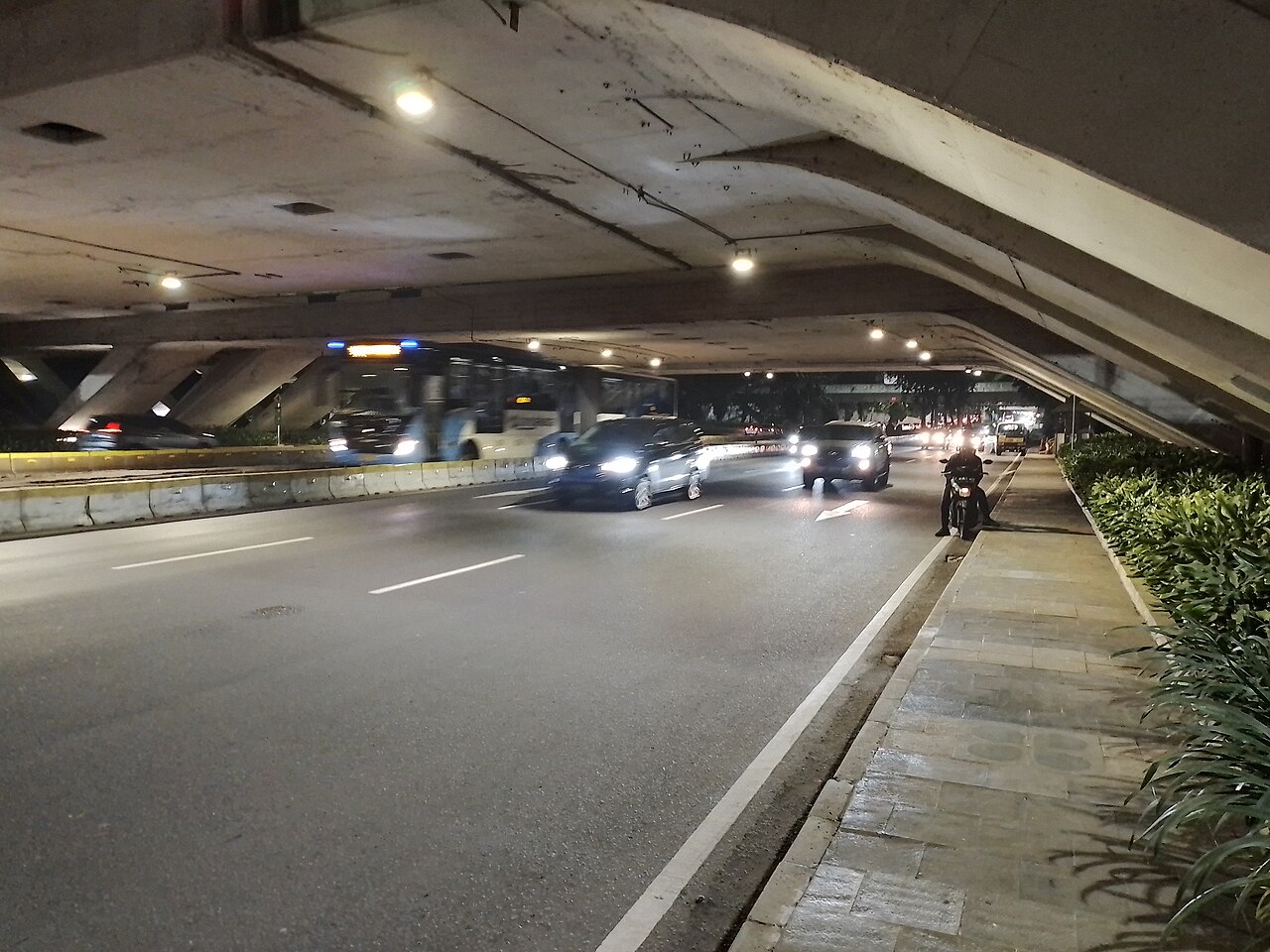
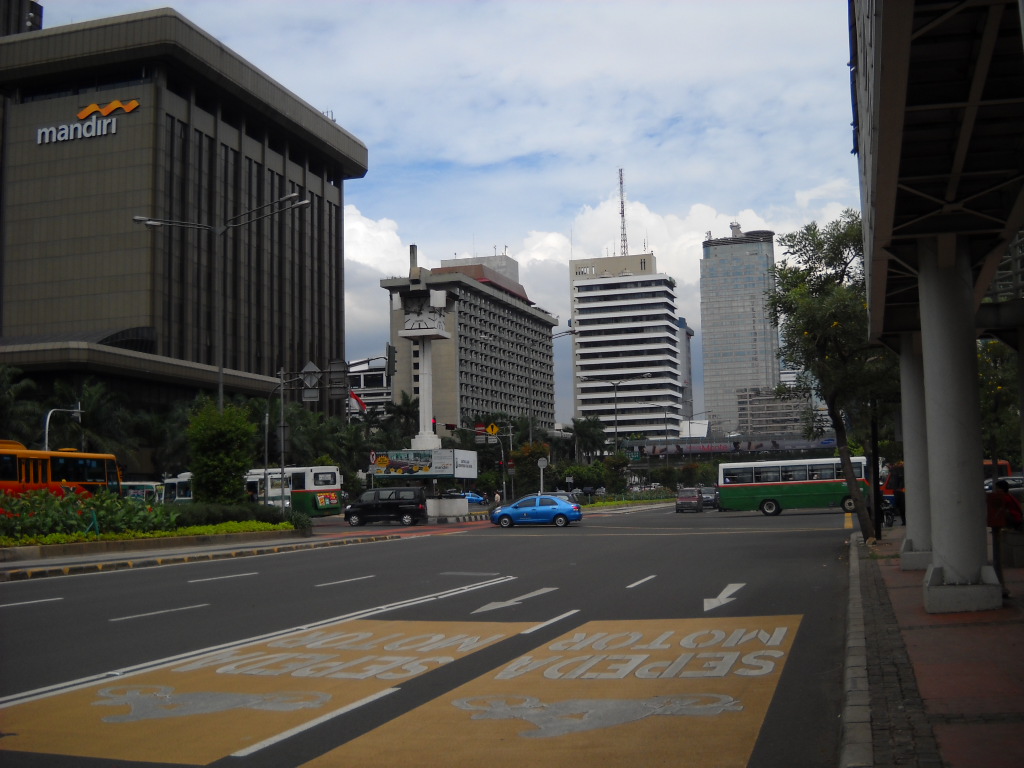
    Top image: Photo: Taman Renyah, CC BY 3.0, via Wikimedia Commons

    For many Jakarta drivers, the single most practical reason to choose a battery electric car is not the tax break or the running costs. It is being able to drive into the city centre on any weekday, whatever the last digit of the number plate. That perk comes from Jakarta’s odd-even (ganjil genap) traffic restriction, and it is now under review.

    This guide explains how the rule works, which vehicles are exempt, why hybrids do not qualify, what happens if you break it, and how the current debate could affect anyone thinking of buying an EV.

    How the odd-even rule works

    The scheme is set out in Jakarta Governor Regulation (Pergub) No. 88 of 2019, which amended an earlier 2018 regulation, according to a summary of the current rules published by Harian.news in August. The basics:

    • Days: Monday to Friday only. It does not apply on Saturdays, Sundays or national public holidays.
    • Hours: two sessions, 06:00–10:00 and 16:00–21:00 Western Indonesian Time (WIB).
    • Plates: cars whose plate ends in an odd digit (1, 3, 5, 7, 9) may use the restricted roads on odd-numbered dates; those ending in an even digit (0, 2, 4, 6, 8) on even-numbered dates.

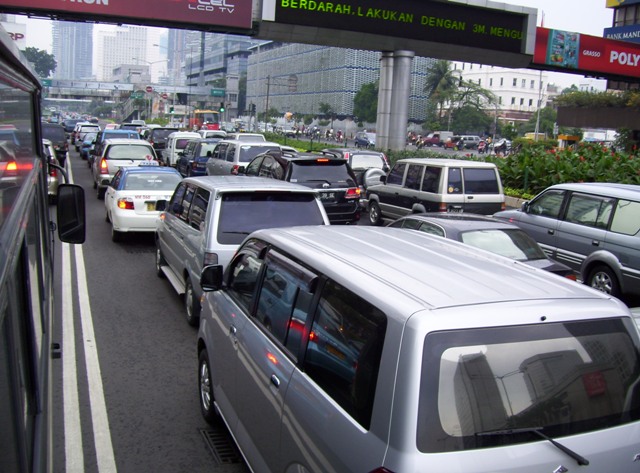
    The restriction covers private four-wheeled vehicles on specified corridors, not the whole city. Outside the listed roads and hours, any car can drive as normal.

    Which roads are covered

    Harian.news lists 25 road sections, concentrated on Jakarta’s main north–south and east–west arteries. They include:

    • Central spine: Jalan M.H. Thamrin, Jalan Jenderal Sudirman, Jalan Medan Merdeka Barat, Jalan Sisingamangaraja, Jalan Panglima Polim and Jalan Fatmawati (between Jalan Ketimun 1 and Jalan T.B. Simatupang).
    • Old town and the north: Jalan Pintu Besar Selatan, Jalan Gajah Mada, Jalan Hayam Wuruk, Jalan Majapahit, Jalan Gunung Sahari and Jalan Stasiun Senen.
    • Business districts and the inner ring: Jalan Gatot Subroto, Jalan H.R. Rasuna Said, Jalan M.T. Haryono, Jalan D.I. Panjaitan, Jalan Jenderal S. Parman (Tomang Raya to Gatot Subroto) and Jalan Jenderal A. Yani (Bekasi Timur Raya to Perintis Kemerdekaan).
    • West and east links: Jalan Suryopranoto, Jalan Balikpapan, Jalan Kyai Caringin, Jalan Tomang Raya, Jalan Pramuka, Jalan Salemba Raya and Jalan Kramat Raya.

    If you commute along Sudirman–Thamrin or the Gatot Subroto–Rasuna Said business belt, the rule is likely to affect you on half of all working days.

    Who is exempt

    Medcom.id lists 13 categories of vehicle that are not bound by the rule. For private motorists the relevant ones are:

    • electric vehicles;
    • motorcycles, which are outside the scheme altogether, so electric motorbikes are unaffected either way;
    • cars carrying people with disabilities (with the appropriate sticker).

    The remaining categories cover emergency and official traffic: ambulances, fire engines, yellow-plate public transport, fuel tankers, red-plate government vehicles, military and police vehicles, vehicles of senior state officials and visiting foreign dignitaries, accident-recovery vehicles, supervised cash-in-transit vans, and vehicles granted discretion by the police.

    Only battery electric cars qualify

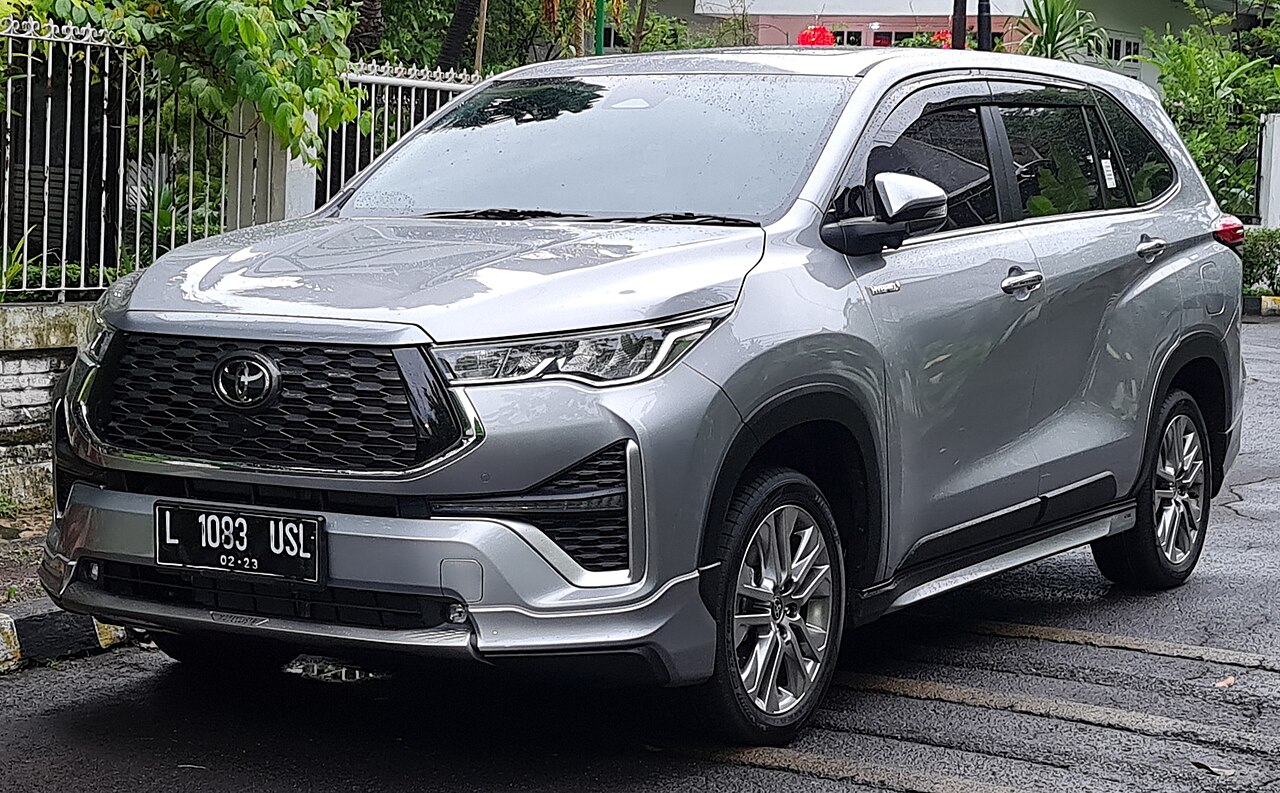
    The EV exemption applies to vehicles powered solely by electricity. As GridOto has explained, conventional hybrids still use a petrol engine, so they are not covered. The same logic applies to plug-in hybrids (PHEVs) and range-extender EVs (REEVs), which carry a petrol engine as a generator; our guide to hybrids, PHEVs, REEVs and full EVs explains the differences.

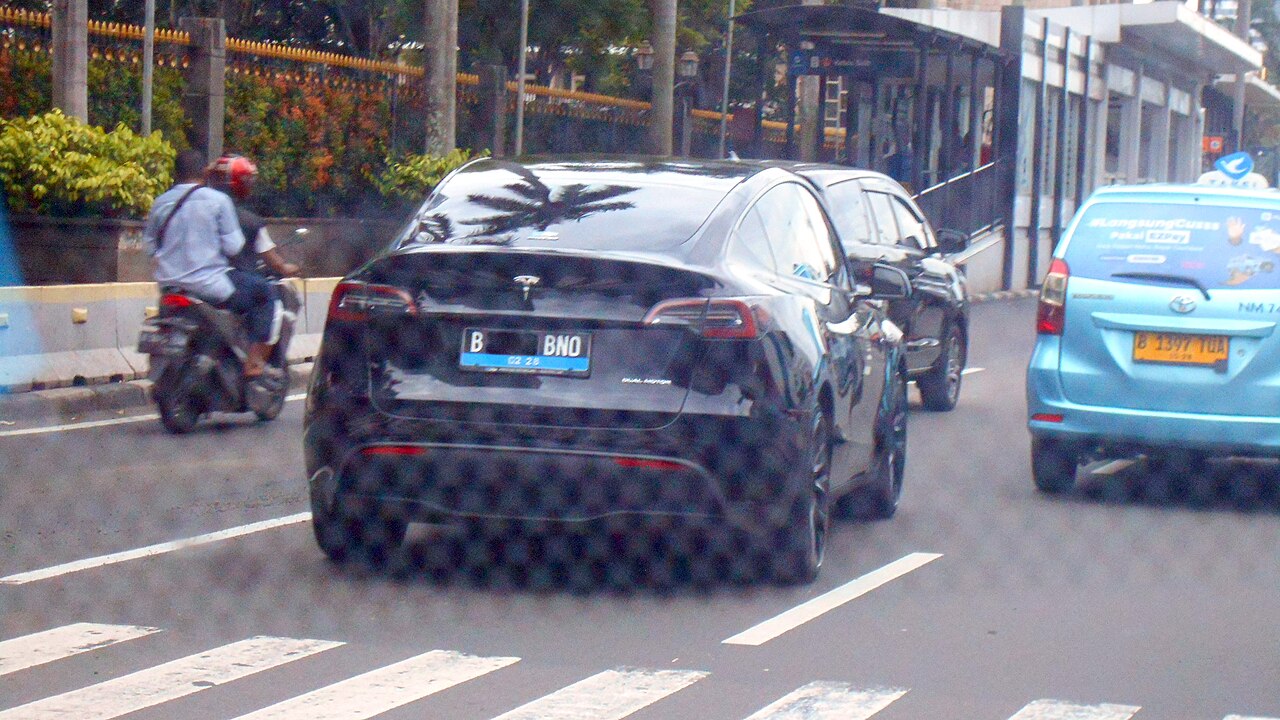
    Battery electric cars are identified by their number plate, which carries a blue strip along the validity-date section. There is no separate sticker to apply for: if your car is registered as a battery EV, the plate itself signals the exemption to officers and cameras.

    Fines and enforcement

    Breaking the rule is treated as ignoring a traffic sign under Law No. 22 of 2009 on Road Traffic and Transport. Harian.news cites Article 287, which allows a fine of up to Rp500,000 or up to two months’ imprisonment. Police enforce the rule both with officers at the roadside and through ETLE electronic cameras, Sinergianews reports.

    Is the EV exemption going to end?

    Not yet, but it is no longer guaranteed. The rule has been in place for roughly a decade, and in late September the Jakarta Transportation Agency held a focus group discussion to evaluate it. The agency is studying its economic and emissions effects, how vehicles should be classified, and which roads should be covered.

    Speaking at City Hall on 30 September, agency head Budi Awaluddin said simply: “There has been no change yet,” Antara reported (translated from Indonesian). He added that the scheme has been effective at reducing congestion and needs further study. Suara.com framed the dilemma: the exemption helps EV sales, but a fast-growing EV fleet using the restricted corridors freely could bring congestion back.

    Since then the debate has moved in two directions at once:

    • Extending the perk: Industry Minister Muhammad Sarmuji has proposed incentives for hybrids, PHEVs and REEVs that include odd-even exemption. We covered his proposal here. Carmakers such as Honda and Chery have argued for the same thing before, detikOto reported in 2025.
    • Phasing it out eventually: Periklindo chairman Moeldoko has suggested the EV exemption could end once EVs reach around 30% of the vehicle population, a level still far off (our report). Sarmuji has said he will hear Periklindo’s full case before taking a view (follow-up).

    Leapmotor, among other brands, has warned that removing the exemption could dent demand (background here). As of 1 November no change to the regulation has been announced, so battery EVs remain exempt.

    What it means for buyers

    • If you drive restricted corridors daily, a battery EV currently doubles the weekdays you can use them at peak times compared with a petrol car or hybrid. That is a real convenience, but treat it as a bonus rather than a permanent right when weighing up a purchase.
    • Do not buy a hybrid or PHEV expecting the exemption. Proposals to extend it are only proposals; under the current regulation they must follow the odd-even rule.
    • Check the plate on a used EV. The blue strip should be present and the registration should show an electric power source.
    • Look at the full cost picture. Tax, charging and depreciation matter more over several years than one traffic perk. Our guides to EV taxes and incentives and electric car prices and models cover those.
    • On two wheels, the rule does not apply to motorbikes at all, so an electric motorbike gains nothing extra here.

    We will update this guide if Jakarta changes the regulation or its list of exempt vehicles.

    Sources: Harian.news; Medcom.id; GridOto; Sinergianews; Antara; Suara.com; detikOto.
  • PEVS 2026: Honda, Polytron and United cut electric motorbike prices

    PEVS 2026: Honda, Polytron and United cut electric motorbike prices

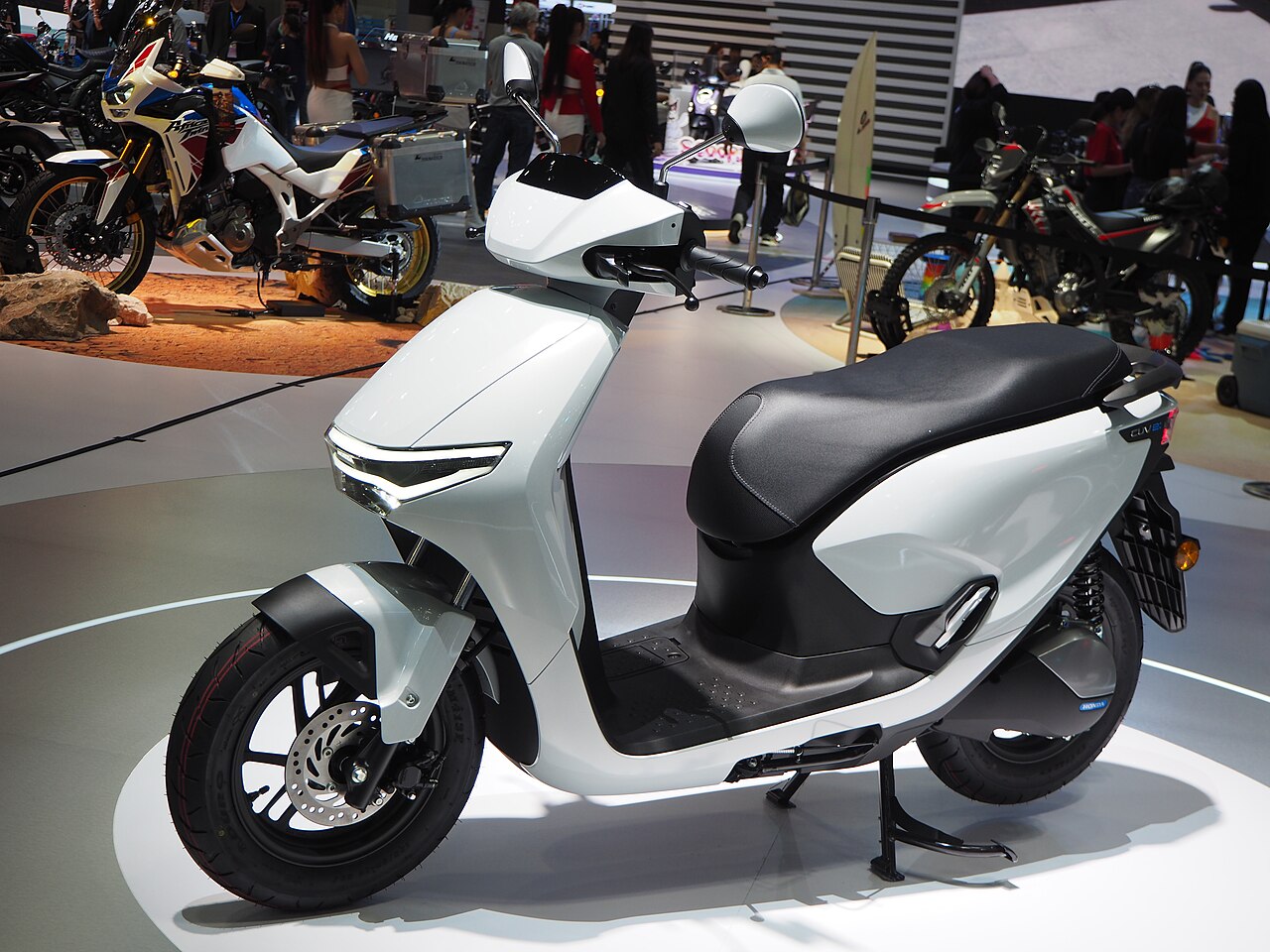
    Top image: Photo: Chanokchon, CC BY-SA 4.0, via Wikimedia Commons (Honda CUV e:, pictured at a show in Thailand)

    Electric motorbike shoppers at the Periklindo Electric Vehicle Show (PEVS) 2026 in Jakarta are being offered some of the deepest price cuts seen on Indonesia’s two-wheeler market this year. Honda’s CUV e: scooter and United’s TX1800 are both being quoted at close to half their normal price, while Polytron, Alva and Indomobil eMotor are also running show-only discounts. The exhibition, which opened on Thursday 29 October at JIExpo Kemayoran, closes on Sunday 1 November.

    Honda: CUV e: from about Rp 29 million

    According to kumparanOTO, sales staff from Wahana Honda, the Jakarta dealer for Astra Honda Motor, said the cheapest version of the Honda CUV e: works out at around Rp 29 million once all show offers are combined, down from a normal Rp 54.5 million. The top CUV e: RoadSync Duo, which is sold with two Honda Power Pack e: batteries and a charging point, was quoted at about Rp 34 million instead of Rp 59.6 million. The smaller ICON e: was cut from about Rp 28 million to roughly Rp 23 million on the road in Jakarta. Kumparan did not say whether the CUV e: figures were on-the-road prices.

    Otodream, which listed the official promotions at the show, put Honda’s discounts at Rp 25 million on the CUV e: and Rp 4.9 million on the ICON e:. It added that credit buyers can have three instalments taken off a 35-instalment plan.

    United and Polytron

    United E-Motor is offering the TX1800 for Rp 18.1 million on the road in Jakarta, down from Rp 34.9 million, kumparan reported. That is a saving of Rp 16.8 million, or roughly 48% (our calculation).

    Polytron is selling its Fox 350 in two ways. With a battery-rental scheme, the price falls from Rp 22.5 million to Rp 17 million (on the road in Greater Jakarta). Bought outright with the battery, it drops from Rp 34.5 million to Rp 29 million. Both cuts work out at Rp 5.5 million (our calculation). Otodream, however, described Polytron’s offer as a direct subsidy of up to Rp 6 million on the Fox electric range. The gap may reflect different variants or extra stand offers, so buyers should confirm the final figure before paying. Kumparan did not report the monthly battery-rental fee.

    Alva and Indomobil eMotor

    Otodream reported that Alva is offering discounts of up to Rp 6 million on its electric motorbikes during the show. Indomobil eMotor has up to Rp 2.5 million off selected models, subject to its terms and conditions, Medcom reported. It is showing six bikes: the QT, QT Pro, Adora, Sprinto, Tyranno and Tyranno X. Visitors can test-ride them at the stand.

    “We want people to get to know electric motorbikes not only through specification information.”

    — Pius Wirawan, CEO of PT Indomobil Emotor Internasional, to Medcom (translated from Indonesian)

    Organiser cashback and who is there

    On top of the brand deals, organiser Dyandra Promosindo is running a spin-the-wheel cashback game worth up to Rp 2.5 million per win. Its total pool is up to Rp 200 million across car and motorbike purchases made at the show. According to Liputan6, the two-wheeler exhibitors are Alva, Astra Honda Motor, Indomobil E-Motor, Polytron, Selis, United and VinFast. Entry is free with online registration. The show is open from 10:00 to 19:00 WIB on Saturday and from 10:00 to 18:00 WIB on Sunday.

    What it means for buyers

    • The deadline is Sunday. All the offers reported here are tied to purchases made at PEVS, which ends on 1 November.
    • Check what the “normal” price means. Show discounts are measured against list prices quoted by sales staff. Dealer prices outside the show can already be lower. Our directory entry for United, for example, lists October promotional prices well below Rp 34.9 million for some models. Ask for a written, on-the-road quote for your region.
    • Battery rental versus ownership. Polytron’s rental scheme lowers the upfront cost but adds a recurring fee. Compare the total over the years you expect to keep the bike.
    • Ask about batteries and service. Check the battery warranty, where swaps or charging are available near you, and how close the nearest service point is. Our running-costs guide explains how charging costs compare with petrol.

    For context on demand, see our report on September motorbike sales and the e-motorbike incentive, and on the Pertamina, PLN and Len charging deal for the national Molinas e-motorbike programme.

    Follow-up: PEVS 2026 closed on 1 November with 35,257 visitors; read our wrap-up, including the Just EV coalition’s report card for carmakers.

    Sources: kumparanOTO; Otodream; Medcom.id; Liputan6

  • Sarmuji to hear Periklindo out on ending EVs’ Jakarta odd-even exemption

    Sarmuji to hear Periklindo out on ending EVs’ Jakarta odd-even exemption

    Top image: Photo: RasyaAbhirama13, CC BY-SA 3.0, via Wikimedia Commons

    Indonesia’s Minister of Industry, Muhammad Sarmuji, says the government will not take a position on scrapping electric vehicles’ exemption from Jakarta’s odd-even traffic rule until it has heard the full case from the industry association that floated the idea.

    Speaking to reporters at the Ministry of Industry in Jakarta on Wednesday 28 October, Sarmuji said the Indonesian Electric Vehicle Industry Association (Periklindo) would soon meet the ministry to explain its reasoning, CNBC Indonesia and Suara.com reported.

    “Periklindo will hold an audience with us. We will listen more fully to what its aspirations are.” – Muhammad Sarmuji, Minister of Industry, quoted by Suara.com (translated from Indonesian)

    What Periklindo proposed

    The idea came from Periklindo chairman Moeldoko, who suggested that the odd-even exemption for EVs could be reconsidered once electric vehicles make up roughly 30% of the vehicle population. As we reported on 27 October, he framed it as a future step rather than an immediate change. According to Suara.com, Moeldoko said he had discussed the idea with Jakarta Governor Pramono Anung, and argued that the perk is still needed for now because EV numbers remain low.

    “Right now the population is still small, so let [sales] stay buoyant first.” – Moeldoko, Periklindo chairman, quoted by Suara.com (translated from Indonesian)

    A non-fiscal incentive with real weight

    Jakarta’s odd-even scheme limits access to a set of major roads on alternating dates, depending on whether a car’s number plate ends in an odd or even digit. Battery electric vehicles are currently exempt, making it one of the most visible everyday advantages of owning an EV in the capital.

    Sarmuji said the government would weigh the gains and losses before deciding whether to keep or drop this non-fiscal incentive, acknowledging that removing it would directly affect EV sales in Jakarta, Suara.com reported. CNBC Indonesia noted that no decision or timeline has been set. Jakarta’s provincial administration is also looking at the rules separately – see our earlier report on the odd-even review and industry warnings over the EV exemption.

    Hybrids back in the frame

    In the same remarks, Sarmuji repeated his view that plug-in hybrids (PHEVs) and range-extended EVs (REEVs) could merit incentives, arguing that their fuel savings could help reduce the state’s fuel-subsidy bill and improve air quality. He did not say what form or size any such incentive might take, according to CNBC Indonesia.

    The minister first pushed the idea earlier this month, as covered in our report on hybrid and REEV incentives. On 27 October he also urged Toyota to step up battery-electric production and exports (read more).

    What it means for buyers

    • Nothing changes yet. Battery EVs remain exempt from Jakarta’s odd-even rule, and no decision or timetable has been announced.
    • The proposed trigger is a long way off. Periklindo’s suggested threshold is an EV share of around 30%, and Moeldoko himself argues the perk should stay for now.
    • Watch the hybrid debate. If PHEVs and REEVs gain incentives, the gap between them and pure EVs could narrow. Our guide to hybrids, PHEVs, REEVs and EVs explains the differences.

    Explainer: how the rule works, which roads and vehicles it covers and what the review could mean for buyers, in our guide to Jakarta’s odd-even rule and EVs.

    Sources: CNBC Indonesia – Respons Menperin Soal Usul Mobil Listrik Tak Perlu Lagi Insentif Gage (28 Oct 2026); Suara.com – Insentif Bebas Ganjil Genap untuk Mobil Listrik Mau Dicabut? Ini Kata Menperin (28 Oct 2026)

  • Moeldoko: EVs could lose Jakarta odd-even exemption at 30% of fleet

    Moeldoko: EVs could lose Jakarta odd-even exemption at 30% of fleet

    Top image: Photo: Firzafp, CC BY 4.0, via Wikimedia Commons

    Battery electric cars may not keep their exemption from Jakarta’s odd-even (ganjil genap) traffic rule forever, according to Moeldoko, chairman of the Indonesian Electric Vehicle Industry Association (Periklindo). But he suggests the perk, and government purchase incentives, should stay in place until EVs make up roughly 30% of the vehicle population, a level Indonesia is still a long way from.

    The comments, reported by Bisnis.com on Monday 26 October, add an industry view to a debate that has been building for a fortnight. Jakarta’s transport agency is reviewing the odd-even scheme, and Industry Minister Muhammad Sarmuji has proposed extending the exemption to hybrids and range-extender EVs.

    A 30% threshold

    Moeldoko told Bisnis he had discussed the rule with Jakarta Governor Pramono Anung, and that it is a matter for regional governments to weigh. His position is that the exemption can reasonably go once EVs are common on the roads, but not yet.

    “If the electric vehicle population reaches around 30%, the odd-even exemption may need to be revoked.” (translated from Indonesian)

    Because the EV population is still relatively small, he argued, the current policy can be kept for now. He applied the same logic to incentives: in his view, government support is still needed to drive adoption until EVs reach about 30%, after which the market should be stable enough to stand on its own.

    He also played down the risk that losing the exemption would kill demand. Lower running costs, he said, remain a strong draw for buyers while non-subsidised petrol prices stay high.

    Where EV adoption stands

    Bisnis cited Gaikindo wholesale data showing 117,218 battery electric vehicles shipped to dealers in January–September 2026, up 112.25% from 55,225 a year earlier. That was 17.26% of the 679,020 cars wholesaled nationally over the nine months. The figures match those we reported in our look at EV sales to September.

    It is worth stressing that the 17% figure is a share of new car sales. Moeldoko’s 30% refers to the vehicle population, meaning cars already on the road. Bisnis did not give a current figure for that, but because Indonesia’s fleet is dominated by petrol and diesel cars bought over many years, the EV share of the total stock is far below the share of new sales (our observation). On that measure, the 30% mark looks some years away.

    Part of a wider Periklindo push

    The remarks fit a pattern for the association in recent days. Periklindo has called for incentives for electric buses and trucks, and has questioned plans to favour nickel-battery cars in a new incentive package. The association is also co-organising the PEVS 2026 show, which opens at JIExpo Kemayoran on 29 October.

    What it means for buyers

    • No change yet: battery electric cars in Jakarta are still exempt from the odd-even rule. Nothing has been decided, and the provincial review is ongoing.
    • Don’t count on the perk forever: both the industry body and the city now openly discuss an end point. If the exemption is a main reason to buy, factor in that it may not last the life of the car.
    • Running costs remain the core case: as Moeldoko notes, the fuel savings do not depend on traffic rules. Our EV running-costs guide sets out the numbers.

    Update, 28 October 2026: Industry minister Muhammad Sarmuji says the government will hear Periklindo’s full case before deciding on the exemption. Read the follow-up.

    Explainer: how the rule works, which roads and vehicles it covers and what the review could mean for buyers, in our guide to Jakarta’s odd-even rule and EVs.

    Sources: Bisnis.com – Moeldoko Bicara Sinyal Mobil Listrik Tak Lagi Bebas Ganjil Genap (26 Oct 2026); Gaikindo wholesale data as reported by Bisnis.com.

  • Industry minister seeks hybrid and REEV incentives, including odd-even exemption

    Industry minister seeks hybrid and REEV incentives, including odd-even exemption

    Top image: Photo: Alex Neman, CC BY-SA 4.0, via Wikimedia Commons

    Indonesia’s Industry Minister, Muhammad Sarmuji, says his ministry will push for a package of incentives for hybrid, plug-in hybrid (PHEV) and range-extended electric vehicles (REEV). The proposed perks include exemption from city odd-even traffic rules and dedicated parking. Until now those benefits have been closely tied to battery electric vehicles (BEVs). Not everyone is convinced: a think-tank warns that the money and perks should stay focused on cars that burn no fuel at all.

    What the minister proposed

    Sarmuji spoke on Wednesday 21 October after meeting the car industry association Gaikindo at the ministry in Jakarta, CNBC Indonesia and detikFinance reported. He gave two reasons: cutting fuel consumption and emissions as fuel prices rise, and giving the domestic car industry a boost.

    According to the two reports, the ideas fall into two groups:

    • Non-fiscal incentives: easier administration, exemption from odd-even (ganjil genap) restrictions in cities, dedicated parking spaces and possibly charging facilities.
    • Fiscal incentives: some form of tax relief, which the government will study. Sarmuji said this would not necessarily match what BEVs receive.

    “The tax relief doesn’t have to be the same. What matters is that there is an incentive so the industry grows too,” he said, as quoted by detikFinance (translated from Indonesian).

    The minister acknowledged that no specific scheme exists yet for hybrids, PHEVs or REEVs. He argued that these vehicles suit local factories because they pair a battery with a combustion engine, so carmakers would not need to overhaul their existing component base. He said he would raise the plan with the Finance Ministry and other stakeholders and hoped to hold a meeting before the end of October. He is aiming to finish it this year, with early next year as a fallback, CNBC Indonesia reported. Because traffic and parking rules belong to other agencies and local governments, the ministry would also need to coordinate with them.

    Gaikindo chairman Putu Juli Ardika backed the move. He told reporters that the association’s survey, which it shared with the ministry, found that most vehicles produced in Indonesia can meet the 60% local-content (TKDN) requirement, detikFinance reported. The report did not say how a TKDN threshold would apply to hybrids specifically.

    Think-tank: keep the focus on battery EVs

    The proposal drew criticism from the INDEF Green Transition Initiative (INDEF GTI). According to KatadataOTO, the group urged President Prabowo Subianto’s government to channel incentive funding into battery-powered cars instead. It argues that BEVs give the biggest fuel saving for each rupiah of incentive, and that this would ease pressure on the state budget.

    Andry Satrio Nugroho, who heads industrial and transport decarbonisation at INDEF GTI, put it plainly: “Hybrid cars still fill up at the petrol station; electric cars don’t” (translated from Indonesian).

    INDEF GTI also pointed to fuel shortages in some regions. According to the figures KatadataOTO reported, consumption of subsidised fuel reached about 13.4 million kilolitres by September, up 9.1% on a year earlier. Energy subsidies and compensation payments have reached Rp 376.8 trillion, or 84.3% of the 2026 budget ceiling.

    Why the odd-even question matters

    The timing is sensitive. Jakarta is already reviewing its odd-even scheme, including whether BEVs should keep their exemption, and Leapmotor has already warned about what losing it could mean for EV demand. If the exemption were also given to hybrids, PHEVs and REEVs, it would cover far more cars and become less valuable to each one, especially on congested corridors where the rule is meant to cut traffic.

    Hybrids have had tax help before. Under the 2025 rules covered in our guide to EV taxes and incentives, battery EVs with at least 40% local content had 10 percentage points of VAT covered by the state, while hybrids got a smaller luxury-tax discount. The ministry is also still waiting on the Finance Ministry over a separate, long-delayed electric motorbike incentive.

    What it means for buyers

    For now, nothing has changed. No hybrid incentive has been drafted, and any tax relief needs Finance Ministry approval. Any traffic perk also depends on decisions by Jakarta and other cities. If you are choosing between a hybrid and a battery EV mainly for the odd-even exemption, that advantage could narrow, either because hybrids gain the exemption or because Jakarta changes the BEV rule. It is worth keeping an eye on the Finance Ministry meeting Sarmuji hopes to hold before the end of the month.

    Update, 23 October: Periklindo has since urged the government to extend EV incentives to buses and logistics trucks, while backing support for hybrids. Read our follow-up.

    Explainer: how hybrids, plug-in hybrids, REEVs and battery EVs differ, and which suits which driver, in our guide to choosing an electrified car in Indonesia.

    Update (27 October 2026): Periklindo chairman Moeldoko has also weighed in on the odd-even exemption. Read our follow-up.

    Update: On 27 October Sarmuji also asked Toyota to step up full battery-electric production in Indonesia. Read our follow-up.

    Explainer: how the rule works, which roads and vehicles it covers and what the review could mean for buyers, in our guide to Jakarta’s odd-even rule and EVs.

    Sources: CNBC Indonesia; detikFinance; KatadataOTO.

  • Jakarta reviews odd-even rule as Leapmotor warns over EV exemption

    Jakarta reviews odd-even rule as Leapmotor warns over EV exemption

    Top image: Photo: Serenity, CC BY-SA 3.0, via Wikimedia Commons

    Jakarta’s provincial government is reviewing its odd-even (ganjil genap) traffic restriction, and the question of whether battery electric cars should keep their exemption from it is now firmly on the table. Carmakers are watching closely: for many Jakarta buyers, being able to drive on any day regardless of number plate is one of the most tangible everyday perks of owning an EV.

    What is being reviewed

    The odd-even scheme, which limits private cars on major corridors to alternate days based on the last digit of their plate, has been in place for roughly a decade. At the end of September the Jakarta Transportation Agency (Dinas Perhubungan) held a focus group discussion on the policy. According to Suara.com and Liputan6, the review is looking at emissions, economic and environmental effects, and how vehicles are classified by fuel or power source.

    Agency head Budi Awaludin stressed that the discussion was only about gathering public input and that further study is needed before anything changes. No decision has been announced on the EV exemption. In early October, Jakarta DPRD member Muhammad Taufik Zoelkifli (PKS) also said the policy, which dates from 2016, should be evaluated with more attention to its economic impact, Kumparan reported.

    The review is a shift in tone from May, when the agency’s then head, Syafrin Liputo, said the province would keep the odd-even exemption for battery EVs, alongside its exemptions from regional vehicle tax (PKB) and title-transfer duty (BBNKB), according to the National Police news portal. That followed a national interior ministry regulation (Permendagri 11/2026) which stopped treating EVs as automatically exempt from those regional taxes, leaving each province to decide. Our guide to EV taxes and incentives in 2026 explains how those levies work.

    Leapmotor: removal would hit demand

    Speaking at a media event near Bogor on 20 October, Leapmotor Indonesia brand head Samuel Christian Wowor said the exemption is one of the triggers that persuade consumers to switch to an electric car, so removing it would inevitably affect the market. He also argued that people who bought EVs on the basis of the current rules should be considered in any change (Suara.com).

    “For our part, we will of course simply follow whatever government regulations are in force.”
    — Samuel Christian Wowor, Leapmotor Indonesia, to Suara.com (translated from Indonesian)

    Local content push could also affect prices

    At the same event, Wowor said Leapmotor aims to lift the local content (TKDN) of its locally assembled cars from 40% to 60% by 2027, in line with the government’s requirement. The company is still studying which parts to localise, with the battery among the options, and said the investment needed could end up reflected in vehicle prices, Suara.com reported. The B10 and C10 are currently listed at Rp 499 million and Rp 618 million on the road in Jakarta, and are assembled by PT National Assemblers. BYD has set out a similar 60% target for its Subang plant.

    What it means for buyers

    • Nothing has changed yet. Battery EVs remain exempt from Jakarta’s odd-even rule while the study continues.
    • Do not rely on the perk for the long term. If daily access to odd-even corridors is a major reason for buying an EV, factor in that the exemption is under review and could be narrowed.
    • Watch local-content timelines. Brands moving from 40% to 60% TKDN by 2027 have warned that localisation costs could push prices up, although none has announced an increase.

    Update, 23 October: Industry Minister Muhammad Sarmuji has proposed extending odd-even exemptions and other perks to hybrids, PHEVs and REEVs. Read our follow-up.

    Update (27 October 2026): Periklindo chairman Moeldoko says the EV exemption could be dropped once EVs reach about 30% of vehicles. Read our follow-up.

    Explainer: how the rule works, which roads and vehicles it covers and what the review could mean for buyers, in our guide to Jakarta’s odd-even rule and EVs.

    Sources: Suara.com (30 Sept); Liputan6 (30 Sept); Kumparan (21 Oct); Suara.com (21 Oct, odd-even); Suara.com (21 Oct, TKDN); Tribratanews Polri (5 May).

  • PEVS 2026 EV show opens 29 October at JIExpo, targeting Rp500bn in deals

    PEVS 2026 EV show opens 29 October at JIExpo, targeting Rp500bn in deals

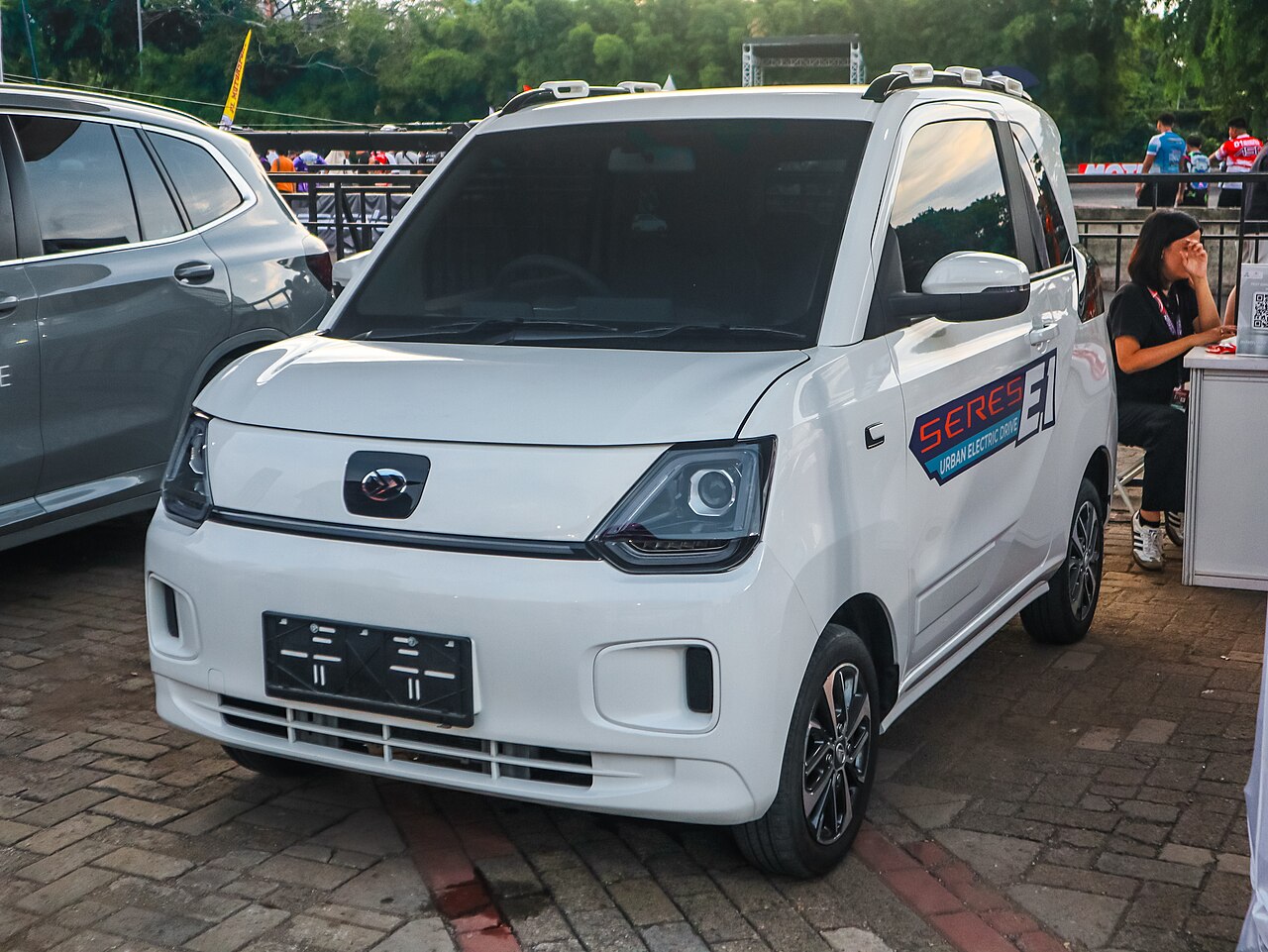
    Top image: Photo: Sulthan Naufal, CC BY-SA 4.0, via Wikimedia Commons. Pictured: the Seres E1 on display at IIMS 2025 in Indonesia.

    Update, 30 October 2026: PEVS 2026 has now opened. Read our report on the opening, including new industry ministry figures on battery EVs’ market share and the full exhibitor list: PEVS 2026 opens as battery EVs reach 16.88% of Indonesia’s car market.

    Indonesia’s dedicated electric-vehicle show, the Periklindo Electric Vehicle Show (PEVS) 2026, opens at JIExpo Kemayoran in Central Jakarta on 29 October and runs until 1 November. Organisers are hoping it will generate Rp500 billion in transactions over its four days.

    Key details

    • Dates: Thursday 29 October to Sunday 1 November 2026.
    • Venue: JIExpo Kemayoran, Jakarta, halls B3–C3, according to Medcom.
    • Entry: free for the public, with online registration required (Medcom; Antara).
    • Organisers: the Indonesian Electric Vehicle Industry Association (Periklindo) with event company Dyandra Promosindo (MarkLines; Medcom).
    • Theme: “The Future of A Clean and Efficient Mobility”.

    What is on show

    According to Medcom, the show will cover battery-electric, hybrid, plug-in hybrid, range-extended and hydrogen fuel-cell vehicles. PEVS 2026 project manager Rudi MF said the programme will also go beyond road vehicles, with battery-powered transport for water, air and rail, alongside wider use of solar panels.

    The programme is split into business-to-business, business-to-consumer and business-to-government strands, covering industry deals, hands-on experiences and education for the public, and links with investors and government, Antara reported. The sources we reviewed did not publish a full exhibitor list; last year’s show attracted 143 exhibitors and more than 40,000 visitors.

    Rp500 billion target

    Periklindo chairman Moeldoko set the Rp500 billion transaction target when the show was announced in May, presenting EVs as a response to geopolitical pressure on oil prices. “Our choice is to stand still or create a breakthrough,” he said (translated from Indonesian, via Antara).

    The market backdrop has improved since then. EV sales in the first nine months of 2026 have already passed the full-year 2025 total, as we reported in our January–September sales round-up.

    Conference the day before

    Periklindo is also holding its third Periklindo Electric Vehicle Conference (PEVC) on 28 October at the Mövenpick Hotel Jakarta, after two editions in Bali, detikOto reported. Four plenary sessions are planned: Indonesia’s 2027 economic and geopolitical outlook, next-generation EVs and autonomous driving, electric commercial fleets for logistics, and electrification of urban delivery, maritime and industrial uses.

    What it means for buyers

    Motor shows are often where brands announce launch prices and offer show-only packages, so PEVS may be a useful place to compare cars and electric motorbikes side by side, especially as the 60% local-content rule for 2027 starts to shape which models keep their tax incentives. As always, check what is included in any deal (home charger, battery warranty, free servicing) and whether prices are on-the-road for your city. The show also falls shortly before November’s Gaikindo auto week, where several new EVs are due to debut, so buyers who are not in a hurry may want to see both. Our EV directory lists the car and motorbike brands currently on sale in Indonesia.

    Sources: Antara (22 May 2026); Medcom (21 May 2026); detikOto (5 Aug 2026); MarkLines (28 May 2026).

  • Green SM launches VinFast electric motorbike taxis in Jakarta

    Green SM launches VinFast electric motorbike taxis in Jakarta

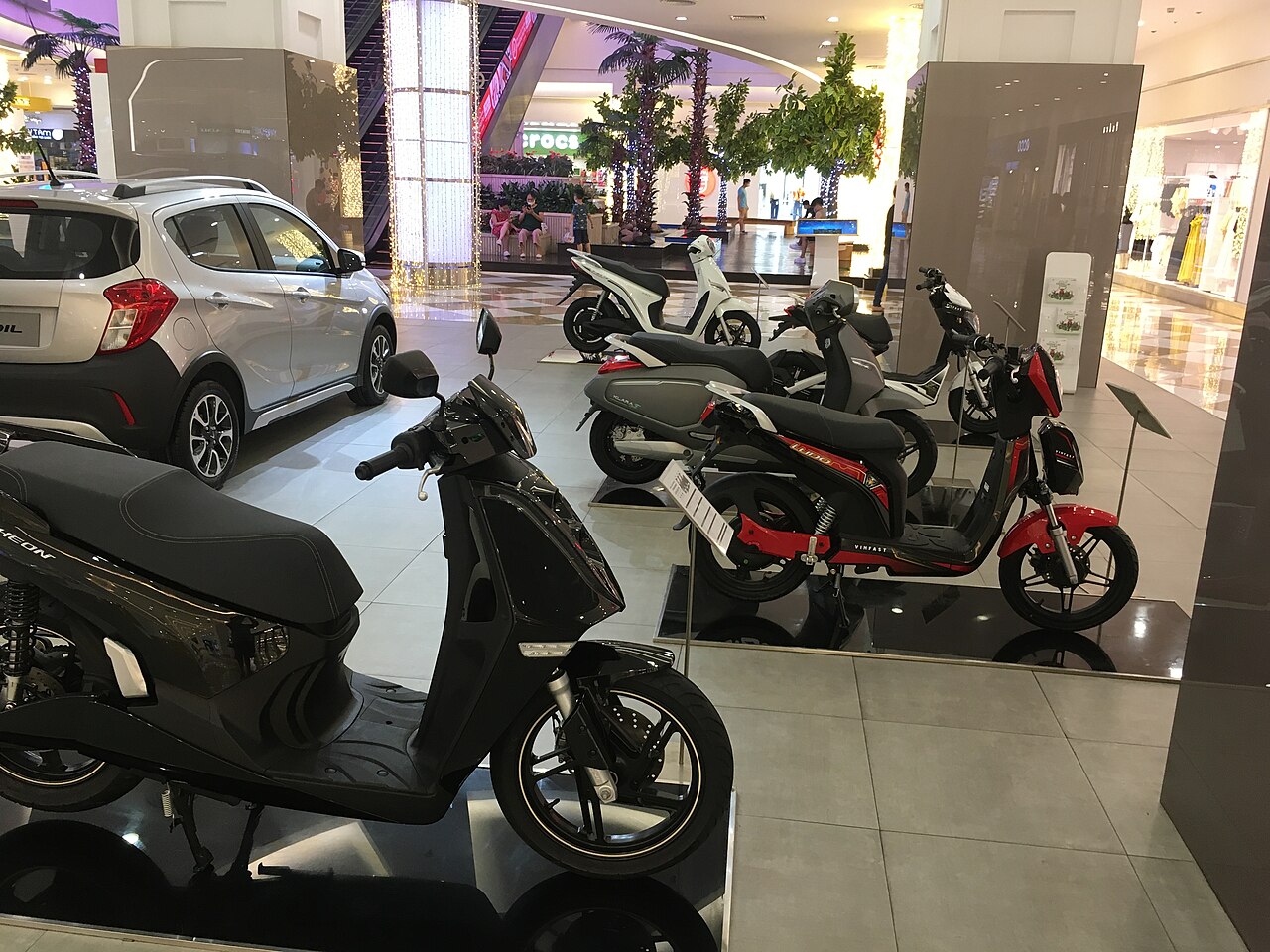
    Top image: Photo: Newone, CC BY-SA 4.0, via Wikimedia Commons

    Green SM, the Vietnamese all-electric ride-hailing company, has added two wheels to its Indonesian business. Its Green SM Bike service, which uses VinFast electric scooters, began operating in Jakarta on 16 September, according to Antara.

    The launch means Green SM now runs electric cars and motorbikes in the capital, only days after it introduced its six-seat Green Limo taxi service. Antara reported that Indonesia is the company’s first market outside Vietnam for its electric motorbike service.

    Where it runs and on what

    At launch, the service covers selected parts of South, West and Central Jakarta, with expansion to other Indonesian cities not ruled out, Jawa Pos reported. The fleet is made up of two VinFast scooter models, the Evo and the Feliz II, both aimed at everyday urban riding.

    Green SM is also building charging and battery-swap facilities to keep the fleet moving, according to Jawa Pos. Details of how many bikes are on the road at launch were not given in the reports we reviewed.

    Rent-to-own deals for drivers

    Rather than asking riders to bring their own motorbike, Green SM is offering its partner drivers VinFast scooters on rental terms:

    • Rent-to-own: from Rp 39,000 a day, with the scooter becoming the driver’s after two years.
    • Fixed-term rental: contracts of three, six or twelve months, with a Rp 150,000 deposit.

    By our own rough calculation, paying Rp 39,000 every day for two years would add up to about Rp 28.5 million. The actual total will depend on the contract terms, which may not require payment every calendar day.

    Antara reported that drivers who meet the programme’s requirements could earn up to Rp 160,000 a day during an initial two-month period, plus performance bonuses. Applicants must be aged between 21 and 54.5, hold a SIM C motorcycle licence, and provide an ID card, family card, police clearance certificate and a compatible smartphone. No registration fee is charged, but a deposit is due when the vehicle is handed over.

    Why it matters

    Motorbike taxis (ojek) are one of the most intensive uses of two-wheelers in Indonesian cities, so electrifying them could cut fuel costs and tailpipe emissions faster than private sales alone. Green SM’s model, where the platform supplies the vehicle, also sidesteps the upfront price that has held back many private buyers, especially while the government’s e-motorbike purchase incentive remains on hold.

    The company is entering a market dominated by established ride-hailing platforms, and its success will depend on keeping bikes charged and available across a busy city.

    What it means for riders and buyers

    • Passengers in the covered parts of Jakarta now have another electric option for short trips.
    • Would-be ojek drivers should compare the total cost of the rent-to-own deal with buying a scooter outright, and check battery charging or swapping arrangements before signing.
    • Private buyers can find VinFast and other brands in the IndoEVs EV directory and our electric motorbike buyer’s guide.

    Sources: Antara (19 Sept 2026); Jawa Pos (22 Sept 2026).

  • Green SM launches six-seat VinFast electric taxi service in Jakarta

    Green SM launches six-seat VinFast electric taxi service in Jakarta

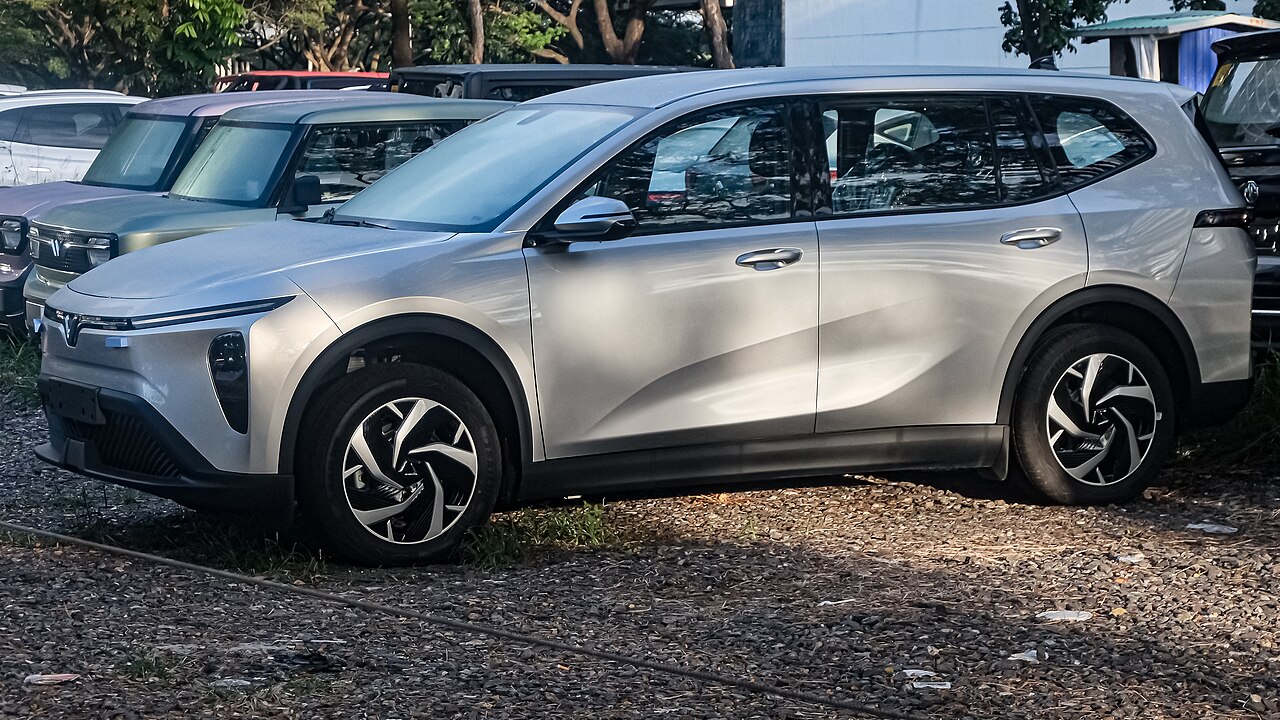
    Top image: Photo: Ethan Llamas, CC BY-SA 4.0, via Wikimedia Commons

    Green SM, an all-electric ride-hailing platform that runs VinFast cars, has launched a six-seat electric taxi service in Jakarta called Green Limo. The whole fleet uses the VinFast Limo Green, a three-row electric MPV, and the company is handing over its first 500 cars to drivers in the capital between 19 and 29 September 2026.

    Alongside the new service, Green SM has opened a vehicle rental scheme that lets would-be drivers lease a new VinFast and work on its platform. It is a clear attempt to grow its driver base quickly while putting more of VinFast’s locally sold models on Indonesian roads.

    A third car tier for families and groups

    According to the company’s launch announcement, Green Limo is the firm’s third four-wheel service in Indonesia, after Green Car and Green Premium. It is pitched at families, larger groups, business travellers and passengers with plenty of luggage.

    The cars are being delivered from Green SM’s depot in Kemayoran, Central Jakarta, where the handover event also includes test drives and sign-ups for prospective drivers. First-time Green Limo passengers get 20% off a trip, capped at Rp 50,000, from 19 September to 3 October, IDN Times reported.

    Green SM’s global chief executive, Pham Nhat Minh Hoang, said the service “offers a suitable option for journeys where space and comfort are priorities.”

    Renting a VinFast to drive

    The rental programme is the more significant part of the announcement for the wider market. Drivers can start with an initial payment from Rp 2 million, and daily rental fees start at Rp 254,000. The cars on offer are the Limo Green, the VF e34 (also listed as the Nerio Green), the VF 5 (Herio Green) and the VF 6.

    To attract drivers, Green SM says it will guarantee daily earnings of up to Rp 400,000 for the first two months, subject to conditions, and share up to 92% of fare revenue with drivers. It also lists monthly bonuses of Rp 1 million for signing up, Rp 676,000 as a “brand bonus” and up to Rp 1.34 million for operations, plus free charging at VinFast-linked V-Green charging stations. The company claims drivers can earn up to Rp 14 million a month.

    By our own calculation, the maximum guaranteed daily figure is Rp 146,000 more than the lowest daily rental fee, before any bonuses. However, the guarantee is described as “up to” and depends on conditions that the announcement does not spell out, so drivers should read the contract terms carefully.

    The Limo Green in Indonesia

    VinFast launched the Limo Green at the Indonesia International Motor Show in February. detikOto reported that it cost around Rp 380 million with the battery, or around Rp 319 million under VinFast’s battery-rental option. The first 2,000 buyers at the show received a Rp 20 million discount, bringing the on-the-road Jakarta price down to around Rp 299 million. The MPV measures 4,740 mm long, has a 2,840 mm wheelbase and has a claimed range of 450 km. At launch, VinFast said the model was aimed mainly at fleet and taxi operators.

    VinFast began operating its plant in Subang, West Java, in December 2025. It has an initial capacity of 50,000 vehicles a year, according to Gaikindo. VinFast’s Indonesian range now runs from the VF 3 micro-SUV to the VF 7. You can find the full line-up and prices in our VinFast directory entry.

    What it means for passengers and buyers

    • Passengers: Jakarta gains another large electric ride-hailing option. It is a quieter alternative to petrol MPVs for airport runs and group trips, and the introductory discount runs until 3 October.
    • Would-be drivers: the rental route removes the need to buy a car outright, but the headline earnings are maximums. Check what the guarantee conditions are, how long the contract lasts and what happens if you leave the scheme early.
    • Private buyers: big fleet deals like this one help build a service and charging network for VinFast models. That is worth considering if you are cross-shopping a VF 6 or VF 7 against Chinese rivals. Our electric car buying guide and charging explainer cover the basics.

    Related: Green SM has also launched Green SM Bike, an electric motorbike taxi service in Jakarta using VinFast scooters.

    Sources: Green SM via Media OutReach Newswire / The Manila Times; IDN Times; detikOto; Gaikindo; Kompas Otomotif

  • Electric Cars in Indonesia: Prices, Models and What to Know Before Buying (2026)

    Electric Cars in Indonesia: Prices, Models and What to Know Before Buying (2026)

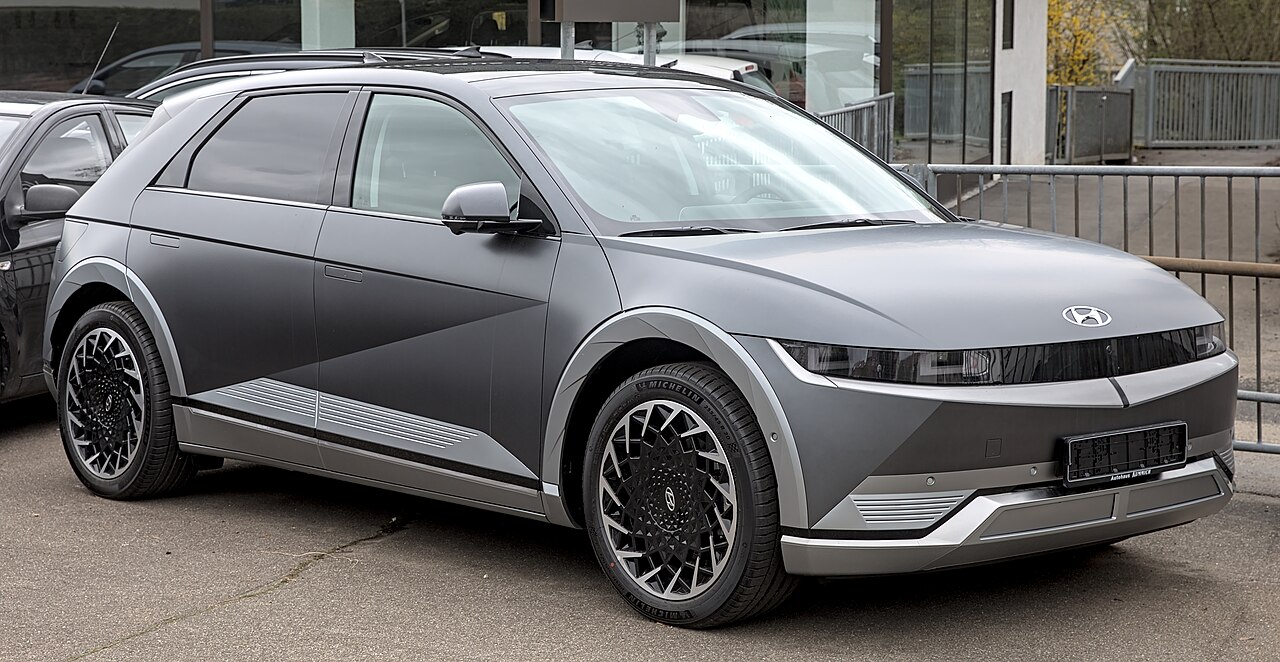
    Top image: Photo: Alexander-93, CC BY-SA 4.0, via Wikimedia Commons

    Electric cars have gone from niche to mainstream in Indonesia remarkably quickly. Battery electric vehicle (BEV) wholesales reached 101,171 units in the first eight months of 2026, almost double the same period of 2025, according to Gaikindo data reported by Kompas. There is now a model for almost every budget, from compact city cars under Rp200 million to luxury SUVs costing billions. This guide sets out what electric cars cost in Indonesia in 2026, which models people are buying, which incentives apply, and what it costs to run one compared with a petrol car.

    What electric cars cost in Indonesia: price bands

    The prices below are on-the-road (OTR) Jakarta figures unless stated, taken mainly from Kompas’s September 2026 price list. Prices elsewhere in the country are usually higher because of shipping and regional taxes.

    Entry level: under about Rp250 million

    • Wuling Aira EV: Rp155 million (Standard Range) to Rp175 million (Long Range).
    • VinFast VF 3: Rp152 million with a battery-rental plan, or around Rp215 million with the battery included, according to Moladin.
    • Wuling Air EV Lite: Rp214 million to Rp251 million.
    • BYD Atto 1: Rp205 million (Dynamic) and Rp245 million (Premium), per Kompas.
    • Geely EX2: Rp239.9 million (Pro) and Rp269.9 million (Max).
    • Chery Q: Rp249.9 million to Rp269.9 million at normal list price.

    Mid-range: roughly Rp250 million to Rp500 million

    This is where the family crossovers sit. The Jaecoo J5 EV costs Rp279.9 million to Rp324.9 million. The MG S5 EV runs from Rp355.9 million and the BYD M6 seven-seater from Rp423 million. Several newcomers launched at GIIAS 2026 with introductory prices, including the Changan Nevo Q05 from Rp309 million and the BAIC T1 at a retail price of Rp393 million.

    Upper and premium: Rp500 million and above

    Above the mid-range you will find the BYD Sealion 7 Performance (Rp719 million), the Hyundai Kona Electric (about Rp565 million to Rp690 million) and the Ioniq 5 (Rp809 million to around Rp926 million). Past the Rp1 billion mark are cars such as the Hyundai Ioniq 6 (Rp1.237 billion) and the Lexus ES 350e (Rp1.48 billion).

    The models Indonesians are actually buying

    Chinese brands have almost all of the market. Gaikindo’s January to August 2026 figures, compiled by Kompas, show that all of the ten best-selling BEVs are Chinese:

    1. Jaecoo J5: 23,359 units
    2. BYD Atto 1: 19,909
    3. Geely EX2: 9,769
    4. BYD M6: 6,694
    5. BYD Sealion 7: 4,251

    Most sales are compact, affordable models. For many buyers an EV is now priced like a mid-spec petrol hatchback or small SUV, not like a luxury car.

    Incentives: what applies in 2026

    National taxes: PPN DTP and PPnBM

    Until the end of 2025, locally built EVs with at least 40% local content (TKDN) had 10 percentage points of the 12% VAT paid by the government (PPN DTP), so buyers paid 2%. That scheme, set out in PMK 12/2025, expired in December 2025. The import-duty and luxury-tax exemptions for fully imported (CBU) EVs also ended on 31 December 2025. Qualifying BEVs have also been exempt from luxury-goods sales tax (PPnBM), according to Kompas.

    In May 2026 the government announced a new PPN DTP scheme of 40% to 100% for pure battery EVs only (no hybrids), with a quota of 100,000 cars. Kompas reported that nickel-based batteries would get the larger discount. The launch was pushed back more than once, first from June and then into August. In September the industry minister said the government was also studying incentives tied to local content, and the required TKDN is due to rise from 40% now to 60% in 2027–2029 and 80% in 2030. Ask the dealer in writing which tax treatment applies to the exact variant you are buying.

    Regional taxes and Jakarta’s odd-even exemption

    Annual vehicle tax (PKB) and the transfer-of-ownership fee (BBNKB) are set by each province. In May 2026 Jakarta confirmed that EVs remain exempt from both. Jakarta EVs are also still exempt from the odd-even number-plate restriction under Governor Regulation 88/2019. Outside Jakarta the rules vary, so check with your local Samsat office.

    Running costs: electricity versus petrol

    Here is a simple monthly comparison for 1,000 km of driving. We assume an EV covers about 6.6 km per kWh, a figure the energy ministry has used (Republika), and a petrol car does 12 km per litre. Both are illustrative. Your own car and driving style will change the numbers.

    • EV, home charging (about 152 kWh at Rp1,444.70/kWh for 1,300–2,200 VA households): around Rp219,000. PLN also offers a 30% discount for night charging between 22:00 and 05:00, which brings this down to roughly Rp153,000.
    • EV, public SPKLU (Rp2,467/kWh): around Rp374,000, plus a service fee of up to Rp25,000 per fast-charging session or Rp57,000 per ultra-fast session.
    • Petrol car on Pertalite (Rp10,000/litre): around Rp833,000.
    • Petrol car on Pertamax (Rp15,950/litre in Java and Bali from 1 September 2026): around Rp1.33 million.

    These figures leave out local electricity taxes and the car’s charging losses, but the gap is clear. Mostly charging at home costs a fraction of running a petrol car, and EVs also need less routine servicing because they have no oil changes.

    What to check before you buy

    • Battery ownership. Some brands sell cars with a battery-rental plan. The price looks lower, but you pay a monthly fee. Compare the total cost over the years you expect to own the car.
    • Warranty. Confirm how long the battery warranty lasts, what mileage it covers and what capacity it guarantees, and check whether it transfers to the next owner.
    • Home power supply. Many homes need a higher electricity connection before they can use a wallbox charger. Include that cost in your budget.
    • Service network. Several brands are new to Indonesia. Check where the nearest authorised workshop is, especially outside Java.
    • Resale value. Used EV prices are still settling, and battery health is the main thing buyers look at.

    Prices, tariffs and incentive rules in Indonesia change often, sometimes month to month. Figures here were correct according to the sources linked at the time of writing; always confirm current prices, promotions and eligibility with an authorised dealer or the relevant provider before you commit.

    FAQ

    What is the cheapest electric car in Indonesia?

    In September 2026 the cheapest listed options were the VinFast VF 3 at Rp152 million on a battery-rental plan and the Wuling Aira EV from Rp155 million with the battery included.

    Are EVs exempt from Jakarta’s odd-even rule?

    Yes. Battery electric vehicles remain exempt under Governor Regulation 88/2019, and Jakarta also still waives PKB and BBNKB for EVs.

    Is the 2026 PPN DTP discount in force?

    The scheme of 40% to 100% depending on battery type has been announced but delayed several times. Check its current status with the dealer before you sign.

    Do hybrids get the same incentives?

    No. The government has said the new PPN DTP scheme covers pure battery EVs only, not hybrids.

    Related: EV taxes and incentives in Indonesia in 2026: what buyers now pay

    Sources: Kompas – Update Daftar Harga Mobil Listrik September 2026; Kompas – Cicilan Mobil Listrik Rp 200 Jutaan: BYD Atto 1 dan Geely EX2; Kompas – Daftar Mobil Listrik Terlaris hingga Agustus 2026; Moladin – 15 Mobil Listrik Termurah September 2026; CNN Indonesia – Daftar Insentif Mobil Listrik yang Disetop; Kompas – Insentif Mobil Listrik Berakhir 2026; Kompas – Menkeu Targetkan Insentif Mobil dan Motor Listrik Mulai Juni 2026; CNBC Indonesia – Purbaya Tunda Insentif Mobil Listrik; DDTCNews – Subsidi dan PPN DTP untuk Kendaraan Listrik Akan Segera Diluncurkan; Antara – Pemerintah kaji insentif kendaraan listrik berbasis TKDN; Kompas – Mobil Listrik Tetap Bebas Ganjil Genap di Jakarta; Republika – Isi Daya Fast Charging di SPKLU Kena Tambahan Biaya; Nasional.news – Tarif Listrik PLN September 2026; GridOto – PLN Diskon 50 Persen Pemasangan Home Charging; Antara – Harga BBM 1 September 2026