Tag: Plug-in hybrids

  • Sarmuji to hear Periklindo out on ending EVs’ Jakarta odd-even exemption

    Sarmuji to hear Periklindo out on ending EVs’ Jakarta odd-even exemption

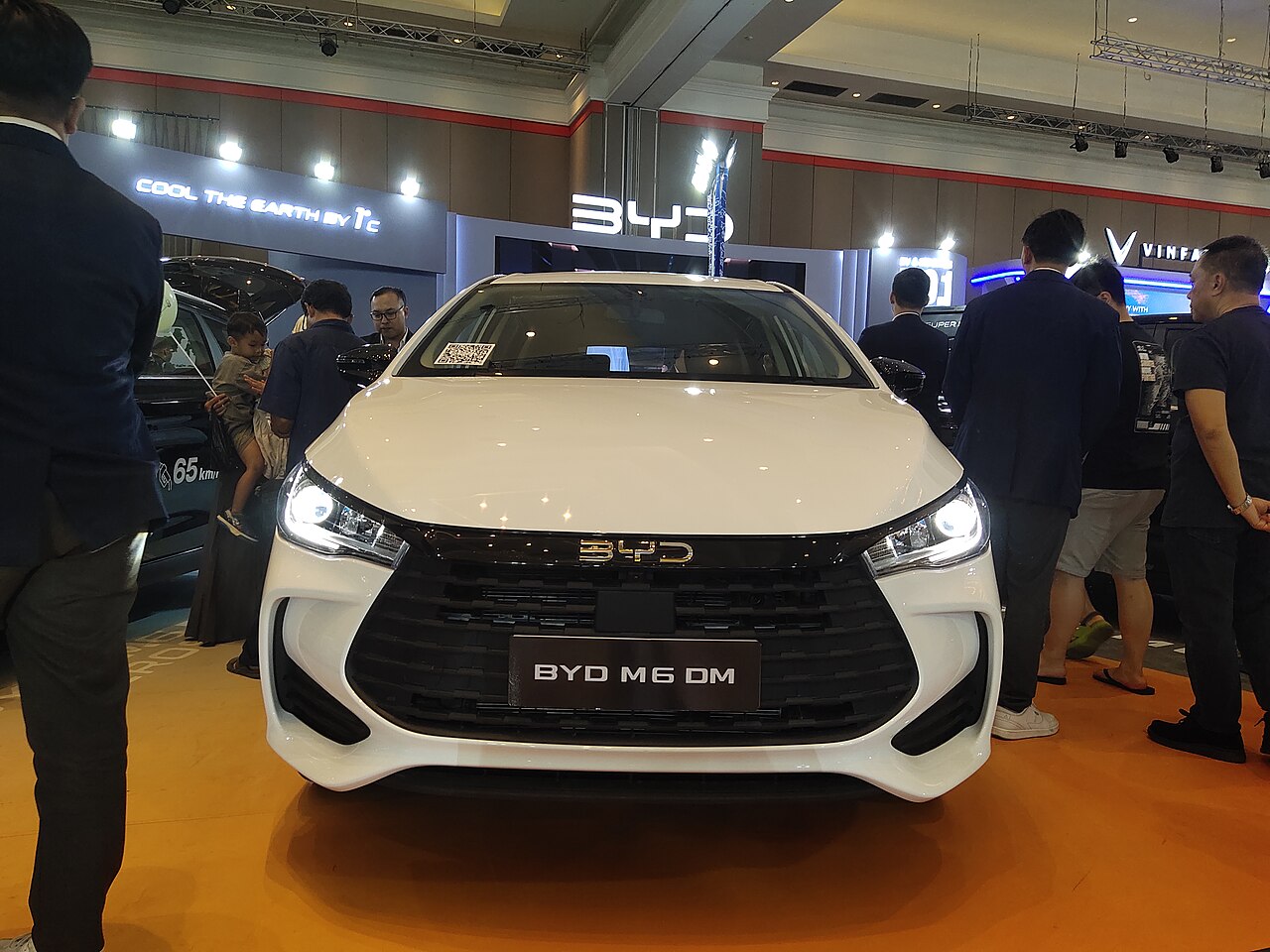
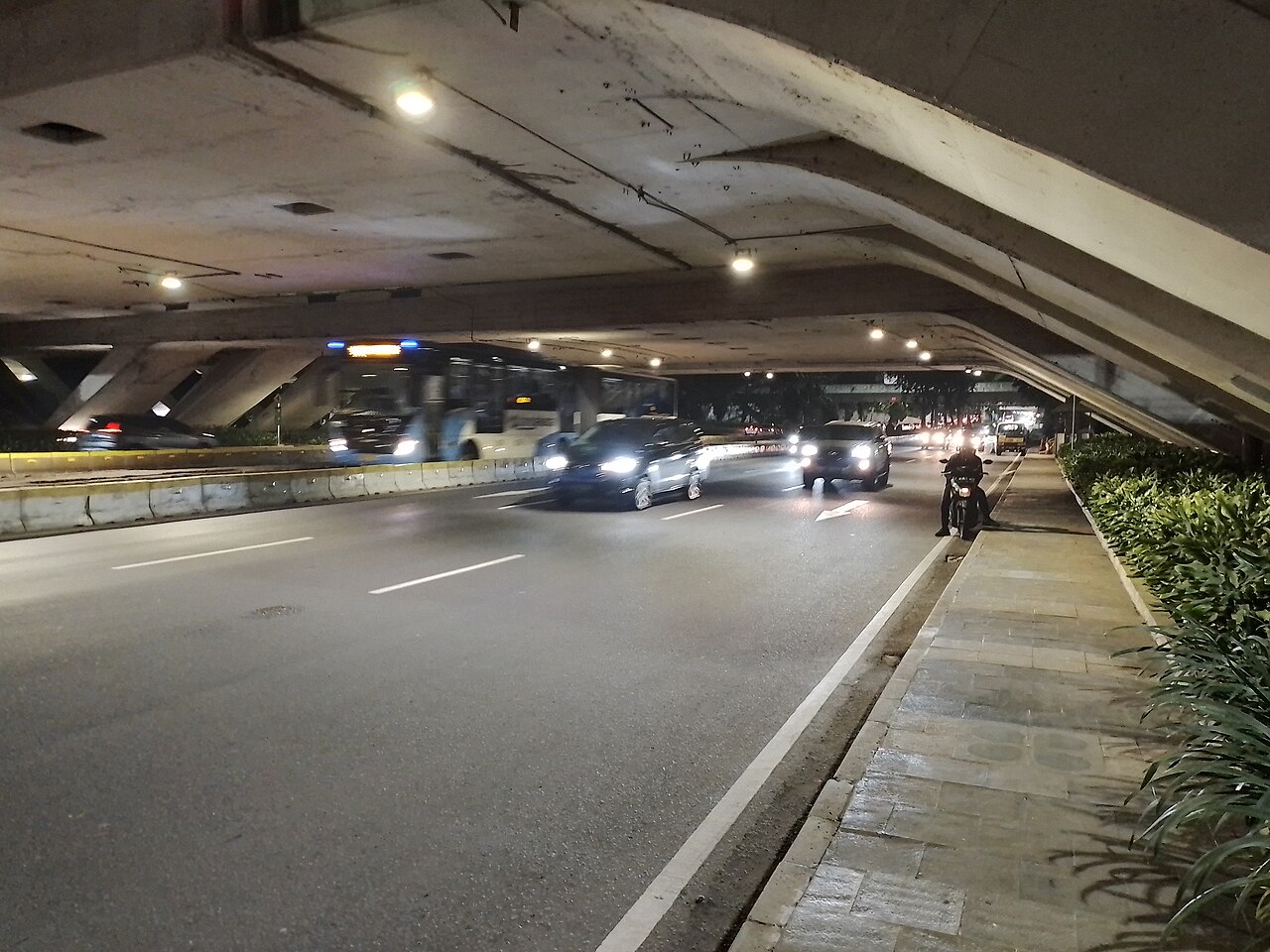
    Top image: Photo: RasyaAbhirama13, CC BY-SA 3.0, via Wikimedia Commons

    Indonesia’s Minister of Industry, Muhammad Sarmuji, says the government will not take a position on scrapping electric vehicles’ exemption from Jakarta’s odd-even traffic rule until it has heard the full case from the industry association that floated the idea.

    Speaking to reporters at the Ministry of Industry in Jakarta on Wednesday 28 October, Sarmuji said the Indonesian Electric Vehicle Industry Association (Periklindo) would soon meet the ministry to explain its reasoning, CNBC Indonesia and Suara.com reported.

    “Periklindo will hold an audience with us. We will listen more fully to what its aspirations are.” – Muhammad Sarmuji, Minister of Industry, quoted by Suara.com (translated from Indonesian)

    What Periklindo proposed

    The idea came from Periklindo chairman Moeldoko, who suggested that the odd-even exemption for EVs could be reconsidered once electric vehicles make up roughly 30% of the vehicle population. As we reported on 27 October, he framed it as a future step rather than an immediate change. According to Suara.com, Moeldoko said he had discussed the idea with Jakarta Governor Pramono Anung, and argued that the perk is still needed for now because EV numbers remain low.

    “Right now the population is still small, so let [sales] stay buoyant first.” – Moeldoko, Periklindo chairman, quoted by Suara.com (translated from Indonesian)

    A non-fiscal incentive with real weight

    Jakarta’s odd-even scheme limits access to a set of major roads on alternating dates, depending on whether a car’s number plate ends in an odd or even digit. Battery electric vehicles are currently exempt, making it one of the most visible everyday advantages of owning an EV in the capital.

    Sarmuji said the government would weigh the gains and losses before deciding whether to keep or drop this non-fiscal incentive, acknowledging that removing it would directly affect EV sales in Jakarta, Suara.com reported. CNBC Indonesia noted that no decision or timeline has been set. Jakarta’s provincial administration is also looking at the rules separately – see our earlier report on the odd-even review and industry warnings over the EV exemption.

    Hybrids back in the frame

    In the same remarks, Sarmuji repeated his view that plug-in hybrids (PHEVs) and range-extended EVs (REEVs) could merit incentives, arguing that their fuel savings could help reduce the state’s fuel-subsidy bill and improve air quality. He did not say what form or size any such incentive might take, according to CNBC Indonesia.

    The minister first pushed the idea earlier this month, as covered in our report on hybrid and REEV incentives. On 27 October he also urged Toyota to step up battery-electric production and exports (read more).

    What it means for buyers

    • Nothing changes yet. Battery EVs remain exempt from Jakarta’s odd-even rule, and no decision or timetable has been announced.
    • The proposed trigger is a long way off. Periklindo’s suggested threshold is an EV share of around 30%, and Moeldoko himself argues the perk should stay for now.
    • Watch the hybrid debate. If PHEVs and REEVs gain incentives, the gap between them and pure EVs could narrow. Our guide to hybrids, PHEVs, REEVs and EVs explains the differences.

    Explainer: how the rule works, which roads and vehicles it covers and what the review could mean for buyers, in our guide to Jakarta’s odd-even rule and EVs.

    Sources: CNBC Indonesia – Respons Menperin Soal Usul Mobil Listrik Tak Perlu Lagi Insentif Gage (28 Oct 2026); Suara.com – Insentif Bebas Ganjil Genap untuk Mobil Listrik Mau Dicabut? Ini Kata Menperin (28 Oct 2026)
  • Hybrid, PHEV, REEV or full EV: which suits drivers in Indonesia?

    Hybrid, PHEV, REEV or full EV: which suits drivers in Indonesia?

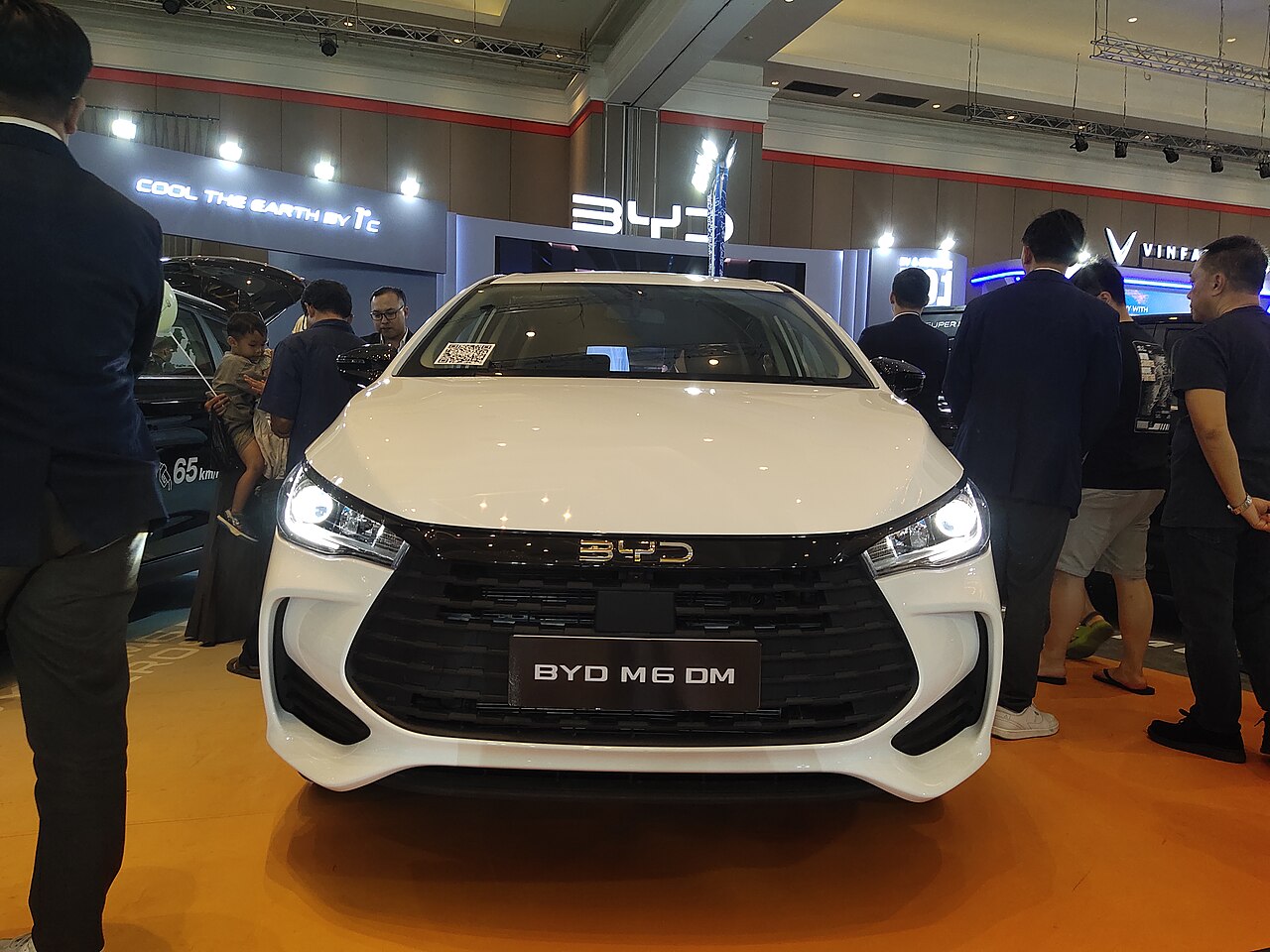
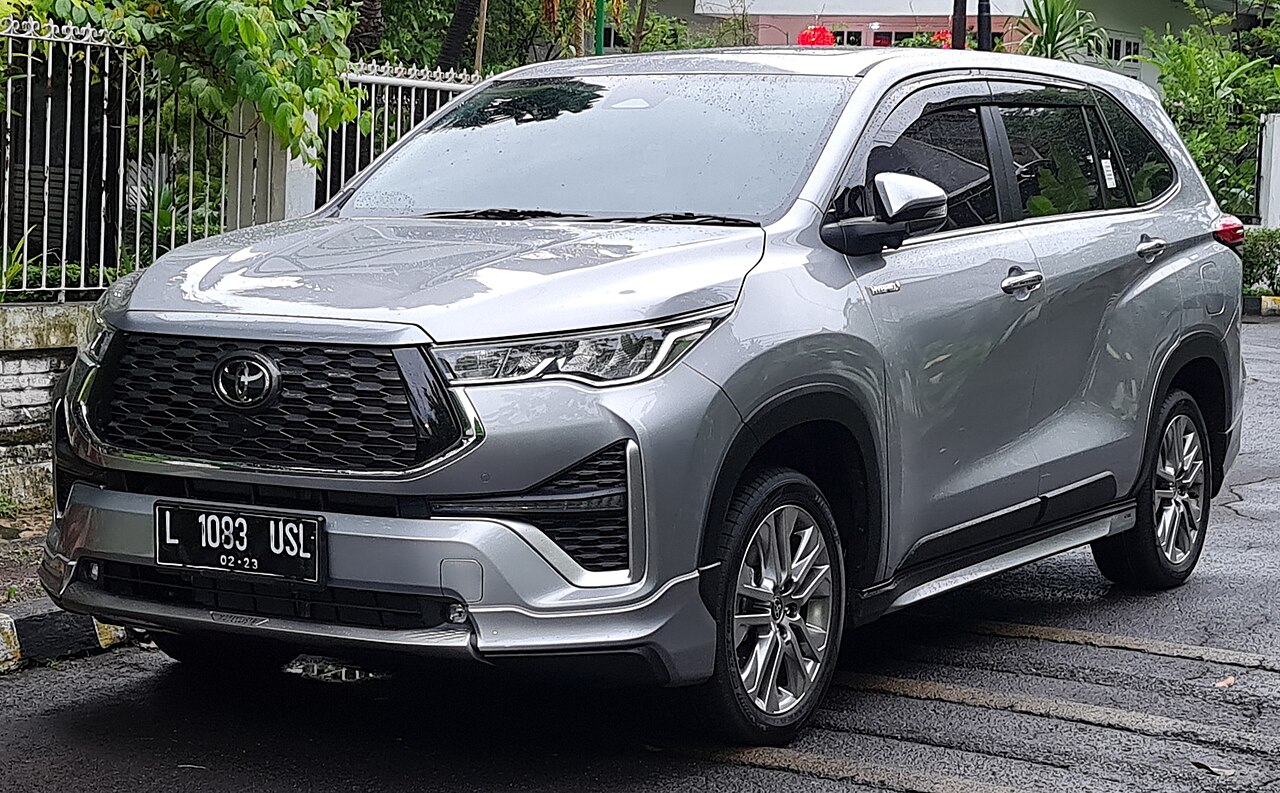
    Top image: Photo: M Raisfath, CC BY 4.0, via Wikimedia Commons. The BYD M6 DM-i, Indonesia’s best-selling plug-in hybrid so far in 2026, at GIIAS in Bandung.

    Walk into an Indonesian showroom in late 2026 and the word “electrified” can mean four quite different cars. Some never plug in, some plug in but still burn petrol most days, one type uses its engine only as a generator, and some have no engine at all. The government is now debating whether the three petrol-assisted types should get some of the perks that so far go only to full battery EVs. This guide explains how each works, how they are treated today and which suits which kind of driver.

    The four types in plain terms

    Hybrid (HEV)

    A conventional hybrid pairs a petrol engine with an electric motor and a small battery that is charged by the engine and by braking. You fill it with petrol and never plug it in. The electric side mainly helps at low speeds and in stop-start traffic, which is where it saves the most fuel.

    Plug-in hybrid (PHEV)

    A PHEV has a much larger battery that you charge from the mains, so it can cover shorter trips on electricity alone before the engine takes over. Chinese brands often market these under their own names, such as BYD’s DM-i, Chery’s CSH or Jaecoo’s SHS. The fuel savings depend almost entirely on how often you charge it: an uncharged PHEV is simply a heavy hybrid.

    Range-extended EV (REEV, sometimes EREV)

    A REEV is driven only by its electric motor. It carries a battery that is large by plug-in standards and a petrol engine whose job is to generate electricity when the battery runs low, not to turn the wheels. KatadataOTO describes the driving experience as much closer to a pure EV than a PHEV. Changan’s Deepal S05 REEV, launched this year as the first REEV on sale in Indonesia, lists a pure electric mode, a range-extending mode in which the engine-driven generator tops up the battery, regenerative braking and a “camping mode” that runs the generator while the car is parked.

    Battery electric vehicle (BEV)

    A BEV has no engine and runs entirely on its battery, charged at home or at public SPKLU stations. It has the lowest running costs and the fewest moving parts, but it depends on you having somewhere reliable to charge. Our charging guide covers the options.

    What Indonesians are actually buying

    Gaikindo’s wholesale figures (factory-to-dealer shipments) for January to September 2026 show the battery EV has overtaken the hybrid:

    • Battery EVs: 117,218 units, or 17.26% of a total market of 679,020, according to detikOto. Kompas gives a rounded figure of about 117,800 (17.3%); the small gap appears to come from different data cuts.
    • Hybrids: 65,968 units, or 9.72% of the market (detikOto). Hybrids led electrified sales from 2021 to 2024 before BEVs surged in 2025 and 2026.
    • Plug-in hybrids: 10,264 units, up 209.5% on the same period of 2025, led by the BYD M6 with 5,121 and the Chery Tiggo 8 CSH with 2,066 (CNN Indonesia). We covered the PHEV surge here.
    • REEVs: still a niche. CNN Indonesia’s PHEV table counts 29 Deepal S05 REEVs over the nine months.

    Our own calculation from these figures: battery EVs, hybrids and plug-ins together made up about 28.5% of all vehicles wholesaled in the first nine months.

    How the rules treat each type today

    Luxury tax. Under the luxury-tax regulation PP 74/2021, battery EVs are taxed on a 0% base, while plug-in hybrids and full hybrids pay luxury tax on a reduced share of their price, with the size of the reduction tied to fuel economy and emissions, as Gaikindo summarised when the rule was issued. The wider 2026 picture, including the end of the VAT discount and changes to regional vehicle tax, is in our EV tax and incentives guide.

    Odd-even and other perks. In Jakarta, battery EVs are exempt from the odd-even number-plate restriction; hybrids, PHEVs and REEVs are not. The city is reviewing that rule, and some brands have warned against removing the EV exemption.

    What may change. On 21 October Industry Minister Muhammad Sarmuji told Gaikindo that he wants non-fiscal incentives for hybrids, PHEVs and REEVs, including odd-even exemption and dedicated parking, and that tax relief is also being studied, though not necessarily at BEV levels (Koran Jakarta; our report is here). Nothing has been issued yet.

    “The plug-in hybrid and REEV incentives will be formulated.” — Industry Minister Muhammad Sarmuji, to detikOto (translated from Indonesian)

    Which one suits you?

    • Choose a battery EV if you can charge at home or at work, most of your driving is in and around one city, and you want the lowest running costs and, in Jakarta, freedom from odd-even. Our running-cost comparison sets out what charging costs against petrol.
    • Consider a REEV if you want to drive on electricity day to day but regularly travel where chargers are thin, such as long inter-city trips. Changan’s marketing head Ridjal Mulyadi told KatadataOTO that drivers covering about 170 km a day or less would run mainly on the battery. The choice is small: the S05 is priced in the Rp 500 million range.
    • Consider a PHEV only if you will plug it in most days. It suits households that can charge but want a petrol fallback for family trips.
    • Choose a hybrid if you cannot charge at all, for example in a flat or boarding house with no parking socket. You will still save fuel in traffic, with no change to how you refuel.

    Things to check before you buy

    • Your charging access, whether a home connection upgrade from PLN or a reliable SPKLU near your route.
    • Battery warranty terms for BEVs, PHEVs and REEVs, including whether they transfer to a second owner.
    • Your region’s vehicle tax. Exemptions are now set by each province, so check with your local Samsat or Bapenda.
    • Policy timing. Past EV incentives have been tied to local-content thresholds, so if a hybrid or REEV scheme is announced, ask the dealer where the car is assembled.

    Bottom line: the more reliably you can plug in, the further along the scale towards a full EV it makes sense to go.

    Sources: detikOto, Oct 2026; CNN Indonesia, 19 Oct 2026; Kompas.com, 17 Oct 2026; KatadataOTO, 11 Jul 2026; Kompas.com (biz), 28 Apr 2026; Koran Jakarta, 21 Oct 2026; Gaikindo, PP 74/2021 summary.

  • Industry minister seeks hybrid and REEV incentives, including odd-even exemption

    Industry minister seeks hybrid and REEV incentives, including odd-even exemption

    Top image: Photo: Alex Neman, CC BY-SA 4.0, via Wikimedia Commons

    Indonesia’s Industry Minister, Muhammad Sarmuji, says his ministry will push for a package of incentives for hybrid, plug-in hybrid (PHEV) and range-extended electric vehicles (REEV). The proposed perks include exemption from city odd-even traffic rules and dedicated parking. Until now those benefits have been closely tied to battery electric vehicles (BEVs). Not everyone is convinced: a think-tank warns that the money and perks should stay focused on cars that burn no fuel at all.

    What the minister proposed

    Sarmuji spoke on Wednesday 21 October after meeting the car industry association Gaikindo at the ministry in Jakarta, CNBC Indonesia and detikFinance reported. He gave two reasons: cutting fuel consumption and emissions as fuel prices rise, and giving the domestic car industry a boost.

    According to the two reports, the ideas fall into two groups:

    • Non-fiscal incentives: easier administration, exemption from odd-even (ganjil genap) restrictions in cities, dedicated parking spaces and possibly charging facilities.
    • Fiscal incentives: some form of tax relief, which the government will study. Sarmuji said this would not necessarily match what BEVs receive.

    “The tax relief doesn’t have to be the same. What matters is that there is an incentive so the industry grows too,” he said, as quoted by detikFinance (translated from Indonesian).

    The minister acknowledged that no specific scheme exists yet for hybrids, PHEVs or REEVs. He argued that these vehicles suit local factories because they pair a battery with a combustion engine, so carmakers would not need to overhaul their existing component base. He said he would raise the plan with the Finance Ministry and other stakeholders and hoped to hold a meeting before the end of October. He is aiming to finish it this year, with early next year as a fallback, CNBC Indonesia reported. Because traffic and parking rules belong to other agencies and local governments, the ministry would also need to coordinate with them.

    Gaikindo chairman Putu Juli Ardika backed the move. He told reporters that the association’s survey, which it shared with the ministry, found that most vehicles produced in Indonesia can meet the 60% local-content (TKDN) requirement, detikFinance reported. The report did not say how a TKDN threshold would apply to hybrids specifically.

    Think-tank: keep the focus on battery EVs

    The proposal drew criticism from the INDEF Green Transition Initiative (INDEF GTI). According to KatadataOTO, the group urged President Prabowo Subianto’s government to channel incentive funding into battery-powered cars instead. It argues that BEVs give the biggest fuel saving for each rupiah of incentive, and that this would ease pressure on the state budget.

    Andry Satrio Nugroho, who heads industrial and transport decarbonisation at INDEF GTI, put it plainly: “Hybrid cars still fill up at the petrol station; electric cars don’t” (translated from Indonesian).

    INDEF GTI also pointed to fuel shortages in some regions. According to the figures KatadataOTO reported, consumption of subsidised fuel reached about 13.4 million kilolitres by September, up 9.1% on a year earlier. Energy subsidies and compensation payments have reached Rp 376.8 trillion, or 84.3% of the 2026 budget ceiling.

    Why the odd-even question matters

    The timing is sensitive. Jakarta is already reviewing its odd-even scheme, including whether BEVs should keep their exemption, and Leapmotor has already warned about what losing it could mean for EV demand. If the exemption were also given to hybrids, PHEVs and REEVs, it would cover far more cars and become less valuable to each one, especially on congested corridors where the rule is meant to cut traffic.

    Hybrids have had tax help before. Under the 2025 rules covered in our guide to EV taxes and incentives, battery EVs with at least 40% local content had 10 percentage points of VAT covered by the state, while hybrids got a smaller luxury-tax discount. The ministry is also still waiting on the Finance Ministry over a separate, long-delayed electric motorbike incentive.

    What it means for buyers

    For now, nothing has changed. No hybrid incentive has been drafted, and any tax relief needs Finance Ministry approval. Any traffic perk also depends on decisions by Jakarta and other cities. If you are choosing between a hybrid and a battery EV mainly for the odd-even exemption, that advantage could narrow, either because hybrids gain the exemption or because Jakarta changes the BEV rule. It is worth keeping an eye on the Finance Ministry meeting Sarmuji hopes to hold before the end of the month.

    Update, 23 October: Periklindo has since urged the government to extend EV incentives to buses and logistics trucks, while backing support for hybrids. Read our follow-up.

    Explainer: how hybrids, plug-in hybrids, REEVs and battery EVs differ, and which suits which driver, in our guide to choosing an electrified car in Indonesia.

    Update (27 October 2026): Periklindo chairman Moeldoko has also weighed in on the odd-even exemption. Read our follow-up.

    Update: On 27 October Sarmuji also asked Toyota to step up full battery-electric production in Indonesia. Read our follow-up.

    Explainer: how the rule works, which roads and vehicles it covers and what the review could mean for buyers, in our guide to Jakarta’s odd-even rule and EVs.

    Sources: CNBC Indonesia; detikFinance; KatadataOTO.

  • Plug-in hybrid sales pass 2025 total as BYD leans on Atto 1 and M6 DM

    Plug-in hybrid sales pass 2025 total as BYD leans on Atto 1 and M6 DM

    Top image: Photo: M Raisfath, CC BY 4.0, via Wikimedia Commons

    Sales of plug-in hybrid (PHEV) cars in Indonesia have already overtaken last year’s full-year total, and BYD is using two models to try to lead both the battery-electric and plug-in segments. The new figures, published this week, add detail to the record August for electric car sales that we reported earlier this month.

    Plug-in hybrids take off

    According to Gaikindo figures cited by Bisnis.com, PHEV wholesales (shipments from factories to dealers) reached 8,981 units between January and August 2026. The whole of 2025 produced 5,270 units. By our calculation, that means the eight-month total is already about 70% higher than last year’s full-year figure.

    BYD credits much of that growth to the M6 DM, a plug-in hybrid version of its seven-seat M6 MPV that went on sale in May. The company says cumulative M6 DM sales passed 4,400 units between May and August. It also claims the M6 DM took 47% of the plug-in market in the first half and was the best-selling model in its segment for three months running. These are the company’s own figures and have not been independently broken down by Gaikindo.

    Atto 1 tops August, but Jaecoo J5 leads the year

    In the battery-electric (BEV) segment, the BYD Atto 1 recorded 5,560 wholesales in August. That was up 31% on July and, according to BYD, made it the best-selling car of any kind in Indonesia that month. Luther Panjaitan, BYD Motor Indonesia’s head of public and government relations, called the result “a proud moment” (translated from Indonesian).

    Over the full January–August period, however, the Atto 1 is still second. Gaikindo data compiled by Bisnis.com puts the Jaecoo J5 in first place with 23,359 BEV wholesales, ahead of the Atto 1 on 19,909 and the Geely EX2 on 9,769. The rest of the top five are the BYD M6 (6,694) and the BYD Sealion 7 (4,251).

    How big is BYD’s share?

    BYD says it shipped 37,696 vehicles to dealers in Indonesia by the end of August and puts its market share at around 37%. Its statement credits both the Atto 1 and the plug-in M6 DM, so the figure appears to cover more than pure-electric cars. An analysis from Maybank Investment Bank, reported by TNGlobal, gives a lower figure. It puts BYD’s share of year-to-date BEV sales at 32.7%, followed by Jaecoo at 23% and Geely at 12%. The two numbers are measured on different bases, so they should not be compared directly.

    Maybank estimates that electrified vehicles made up 28% of all car sales in the first eight months. That breaks down as 18% battery-electric, 9% hybrid and 2% plug-in hybrid. Wholesales across the whole market reached 599,500 units, up 20% year on year.

    There is also a small difference in the baseline figures. Bisnis puts January–August 2025 BEV wholesales at 51,191 units, which gives growth of 97.6% this year to 101,171. The tally we used in August gave a slightly lower 2025 figure and growth of 99.4%. Either way, the market has roughly doubled.

    Built in Subang

    BYD says the Atto 1, M6 EV and M6 DM are now all produced at its factory in Subang, West Java. Building the cars locally helps BYD meet Indonesia’s local-content (TKDN) requirements for electric vehicles.

    What it means for buyers

    • More plug-in choice: a PHEV makes sense for drivers who regularly travel outside the areas covered by public chargers. The M6 DM’s success is likely to bring more plug-in models from Chinese brands.
    • Strong competition at the budget end: the three best-selling BEVs, the Jaecoo J5, BYD Atto 1 and Geely EX2, are all compact models. That competition tends to show up as dealer discounts. Check our buying guide and the BYD and Jaecoo directory entries before you buy.
    • Wholesales are not retail sales: these figures count cars shipped to dealers, not cars registered by buyers. Monthly rankings can change as dealers build or run down stock.

    Related: what a plug-in hybrid is, and how it compares with hybrids, REEVs and full EVs, in our electrified-car explainer.

    Sources: Bisnis.com (23 Sept 2026); Bisnis.com (13 Sept 2026); TNGlobal, Maybank Investment Bank analysis