Tag: Ride-hailing

  • Revised traffic law to classify vehicles by power source and cover self-driving

    Revised traffic law to classify vehicles by power source and cover self-driving

    Top image: Photo: Andylala Waluyo (VOA), Public domain, via Wikimedia Commons

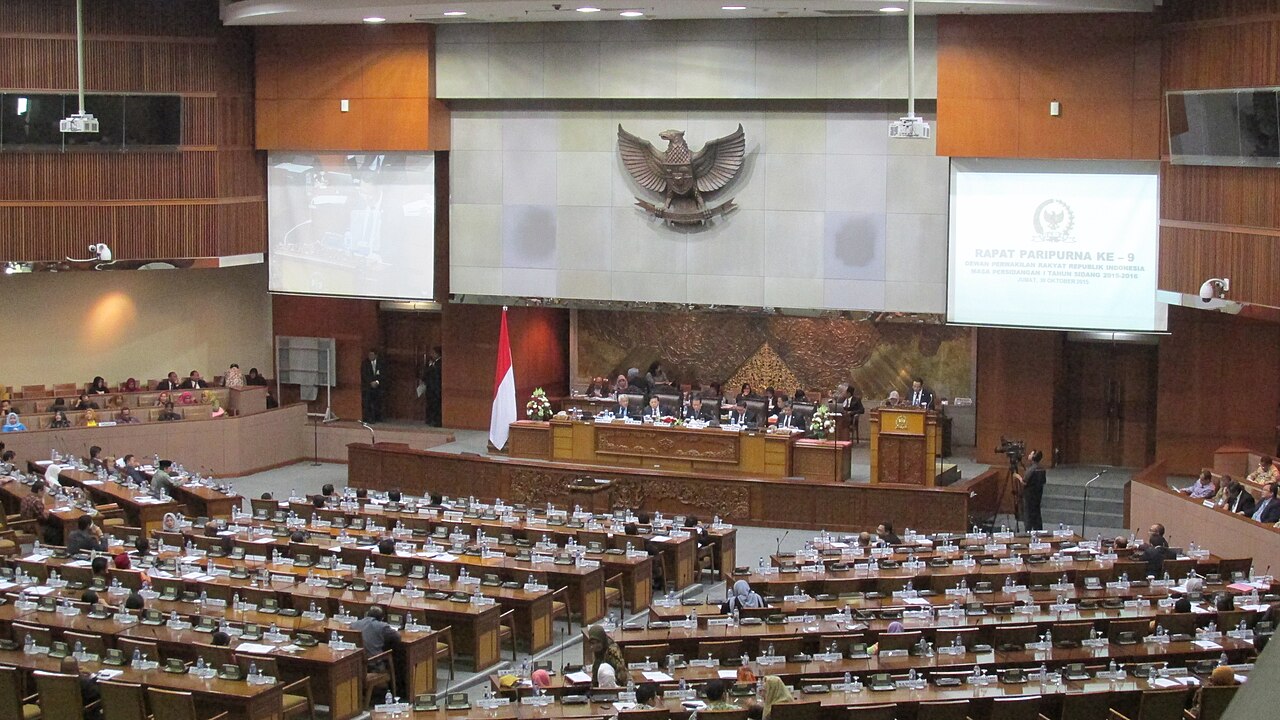
    Electric vehicles and self-driving technology are set to get an explicit place in Indonesian road law for the first time. At a working meeting with the House of Representatives’ Commission V on 30 September, Transport Minister Dudy Purwagandhi said the government accepts lawmakers’ proposals to classify motor vehicles by their power source and to cover autonomous driving systems in a revised version of Law No. 22 of 2009 on Road Traffic and Transport (UU LLAJ), CNBC Indonesia and detikOto reported.

    The current law dates from 2009, before battery-electric cars and motorbikes were on sale in meaningful numbers in Indonesia. Since then, EV rules have mostly been set through presidential and ministerial regulations rather than primary legislation.

    What the draft would change for EVs

    According to detikOto, the proposals sit in Chapter VII of the bill, which deals with vehicle types. The revision would set out:

    • Vehicle categories by use: private vehicles, public transport and shared or ride-hailing services, each with its own requirements.
    • Classification by power source: vehicles grouped by fuel or energy type, which brings battery-electric vehicles into the law’s own definitions.
    • Autonomous technology: rules for steering systems with partial or full automated control.

    Autonomous vehicles will not become a separate vehicle category. Instead, detikOto reported, self-driving is treated as a development of steering technology with automatic control systems. Kumparan added that the bill also anticipates electronic traffic enforcement.

    A much wider rewrite

    The EV provisions are one part of a broad overhaul. Viva reported that the government’s list of issues (DIM) proposes revising 89 articles, adding 56 new ones and deleting five. The headline changes concern ride-hailing (ojol) platforms, including tariffs and the obligations of app companies, and tougher criminal penalties for over-dimension, overloaded (ODOL) trucks that would extend liability from drivers to vehicle owners, companies and cargo owners.

    The minister wants the work done quickly. “Our hope is this can be completed in 2026, so it can be implemented in 2027,” he said, as quoted by Viva (translated from Indonesian). CNBC Indonesia noted that the bill is on the 2026 priority legislation list (Prolegnas). No detailed EV wording has been published yet, and the bill still has to pass through committee deliberations before a plenary vote.

    Why it matters

    Much of Indonesia’s EV policy so far has been about money, such as the tax incentives and the local-content (TKDN) rules. Day-to-day questions about how EVs are treated on the road and in transport services have been handled piecemeal. This year, for example, some owners have faced refusals on ferries while operators set their own charging and safety rules. Bringing power source into the main traffic law could give regulators a clearer base for EV-specific technical, safety and transport rules later on.

    The ride-hailing provisions also matter for electrification, because app-based fleets are among the fastest adopters of electric cars and motorbikes in Jakarta, including the VinFast-based Green SM services.

    What it means for buyers

    Nothing changes yet for people who own or are buying an electric car or motorbike. Registration, taxes and incentives stay under the existing rules until the revised law is passed and its implementing regulations are issued, which on the government’s timetable would be 2027 at the earliest. The practical details, such as how EVs will be defined, what technical requirements follow, and how driver-assistance features are treated, will depend on the final text and the regulations that come after it. We will report on them as they emerge.

    Sources: CNBC Indonesia; detikOto; Viva; Kumparan
  • Green SM launches VinFast electric motorbike taxis in Jakarta

    Green SM launches VinFast electric motorbike taxis in Jakarta

    Top image: Photo: Newone, CC BY-SA 4.0, via Wikimedia Commons

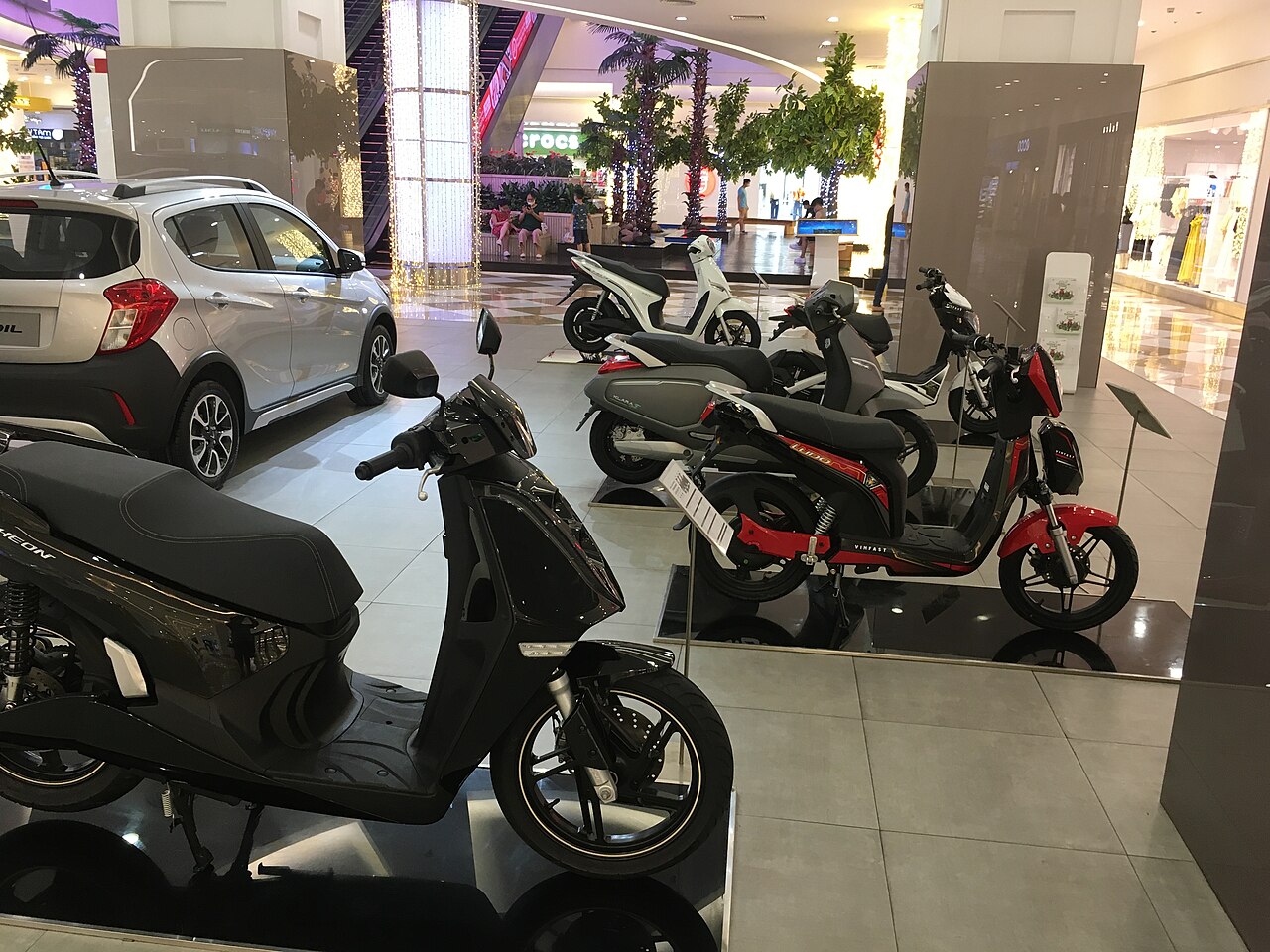
    Green SM, the Vietnamese all-electric ride-hailing company, has added two wheels to its Indonesian business. Its Green SM Bike service, which uses VinFast electric scooters, began operating in Jakarta on 16 September, according to Antara.

    The launch means Green SM now runs electric cars and motorbikes in the capital, only days after it introduced its six-seat Green Limo taxi service. Antara reported that Indonesia is the company’s first market outside Vietnam for its electric motorbike service.

    Where it runs and on what

    At launch, the service covers selected parts of South, West and Central Jakarta, with expansion to other Indonesian cities not ruled out, Jawa Pos reported. The fleet is made up of two VinFast scooter models, the Evo and the Feliz II, both aimed at everyday urban riding.

    Green SM is also building charging and battery-swap facilities to keep the fleet moving, according to Jawa Pos. Details of how many bikes are on the road at launch were not given in the reports we reviewed.

    Rent-to-own deals for drivers

    Rather than asking riders to bring their own motorbike, Green SM is offering its partner drivers VinFast scooters on rental terms:

    • Rent-to-own: from Rp 39,000 a day, with the scooter becoming the driver’s after two years.
    • Fixed-term rental: contracts of three, six or twelve months, with a Rp 150,000 deposit.

    By our own rough calculation, paying Rp 39,000 every day for two years would add up to about Rp 28.5 million. The actual total will depend on the contract terms, which may not require payment every calendar day.

    Antara reported that drivers who meet the programme’s requirements could earn up to Rp 160,000 a day during an initial two-month period, plus performance bonuses. Applicants must be aged between 21 and 54.5, hold a SIM C motorcycle licence, and provide an ID card, family card, police clearance certificate and a compatible smartphone. No registration fee is charged, but a deposit is due when the vehicle is handed over.

    Why it matters

    Motorbike taxis (ojek) are one of the most intensive uses of two-wheelers in Indonesian cities, so electrifying them could cut fuel costs and tailpipe emissions faster than private sales alone. Green SM’s model, where the platform supplies the vehicle, also sidesteps the upfront price that has held back many private buyers, especially while the government’s e-motorbike purchase incentive remains on hold.

    The company is entering a market dominated by established ride-hailing platforms, and its success will depend on keeping bikes charged and available across a busy city.

    What it means for riders and buyers

    • Passengers in the covered parts of Jakarta now have another electric option for short trips.
    • Would-be ojek drivers should compare the total cost of the rent-to-own deal with buying a scooter outright, and check battery charging or swapping arrangements before signing.
    • Private buyers can find VinFast and other brands in the IndoEVs EV directory and our electric motorbike buyer’s guide.

    Sources: Antara (19 Sept 2026); Jawa Pos (22 Sept 2026).

  • Green SM launches six-seat VinFast electric taxi service in Jakarta

    Green SM launches six-seat VinFast electric taxi service in Jakarta

    Top image: Photo: Ethan Llamas, CC BY-SA 4.0, via Wikimedia Commons

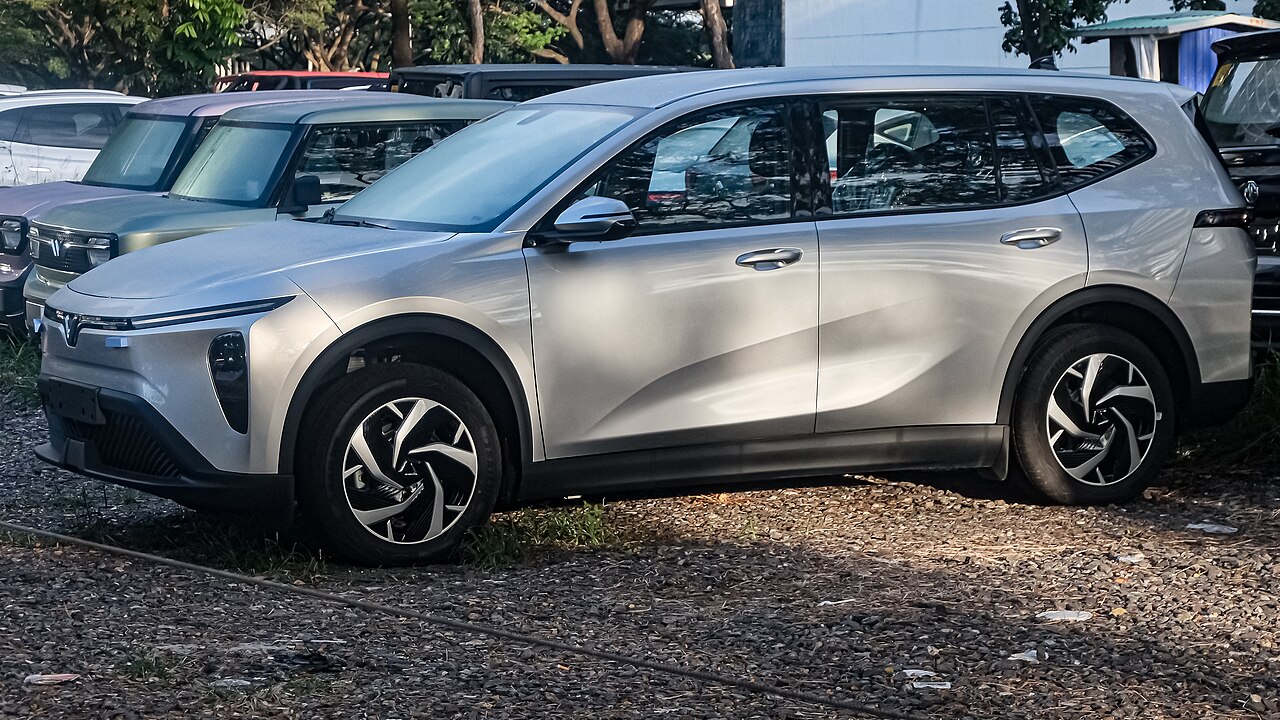
    Green SM, an all-electric ride-hailing platform that runs VinFast cars, has launched a six-seat electric taxi service in Jakarta called Green Limo. The whole fleet uses the VinFast Limo Green, a three-row electric MPV, and the company is handing over its first 500 cars to drivers in the capital between 19 and 29 September 2026.

    Alongside the new service, Green SM has opened a vehicle rental scheme that lets would-be drivers lease a new VinFast and work on its platform. It is a clear attempt to grow its driver base quickly while putting more of VinFast’s locally sold models on Indonesian roads.

    A third car tier for families and groups

    According to the company’s launch announcement, Green Limo is the firm’s third four-wheel service in Indonesia, after Green Car and Green Premium. It is pitched at families, larger groups, business travellers and passengers with plenty of luggage.

    The cars are being delivered from Green SM’s depot in Kemayoran, Central Jakarta, where the handover event also includes test drives and sign-ups for prospective drivers. First-time Green Limo passengers get 20% off a trip, capped at Rp 50,000, from 19 September to 3 October, IDN Times reported.

    Green SM’s global chief executive, Pham Nhat Minh Hoang, said the service “offers a suitable option for journeys where space and comfort are priorities.”

    Renting a VinFast to drive

    The rental programme is the more significant part of the announcement for the wider market. Drivers can start with an initial payment from Rp 2 million, and daily rental fees start at Rp 254,000. The cars on offer are the Limo Green, the VF e34 (also listed as the Nerio Green), the VF 5 (Herio Green) and the VF 6.

    To attract drivers, Green SM says it will guarantee daily earnings of up to Rp 400,000 for the first two months, subject to conditions, and share up to 92% of fare revenue with drivers. It also lists monthly bonuses of Rp 1 million for signing up, Rp 676,000 as a “brand bonus” and up to Rp 1.34 million for operations, plus free charging at VinFast-linked V-Green charging stations. The company claims drivers can earn up to Rp 14 million a month.

    By our own calculation, the maximum guaranteed daily figure is Rp 146,000 more than the lowest daily rental fee, before any bonuses. However, the guarantee is described as “up to” and depends on conditions that the announcement does not spell out, so drivers should read the contract terms carefully.

    The Limo Green in Indonesia

    VinFast launched the Limo Green at the Indonesia International Motor Show in February. detikOto reported that it cost around Rp 380 million with the battery, or around Rp 319 million under VinFast’s battery-rental option. The first 2,000 buyers at the show received a Rp 20 million discount, bringing the on-the-road Jakarta price down to around Rp 299 million. The MPV measures 4,740 mm long, has a 2,840 mm wheelbase and has a claimed range of 450 km. At launch, VinFast said the model was aimed mainly at fleet and taxi operators.

    VinFast began operating its plant in Subang, West Java, in December 2025. It has an initial capacity of 50,000 vehicles a year, according to Gaikindo. VinFast’s Indonesian range now runs from the VF 3 micro-SUV to the VF 7. You can find the full line-up and prices in our VinFast directory entry.

    What it means for passengers and buyers

    • Passengers: Jakarta gains another large electric ride-hailing option. It is a quieter alternative to petrol MPVs for airport runs and group trips, and the introductory discount runs until 3 October.
    • Would-be drivers: the rental route removes the need to buy a car outright, but the headline earnings are maximums. Check what the guarantee conditions are, how long the contract lasts and what happens if you leave the scheme early.
    • Private buyers: big fleet deals like this one help build a service and charging network for VinFast models. That is worth considering if you are cross-shopping a VF 6 or VF 7 against Chinese rivals. Our electric car buying guide and charging explainer cover the basics.

    Related: Green SM has also launched Green SM Bike, an electric motorbike taxi service in Jakarta using VinFast scooters.

    Sources: Green SM via Media OutReach Newswire / The Manila Times; IDN Times; detikOto; Gaikindo; Kompas Otomotif