Tag: Prices

  • GAC opens Aion i60 pre-bookings in Indonesia, price guided at Rp500m-plus

    GAC opens Aion i60 pre-bookings in Indonesia, price guided at Rp500m-plus

    Top image: Photo: JustAnotherCarDesigner, CC0, via Wikimedia Commons

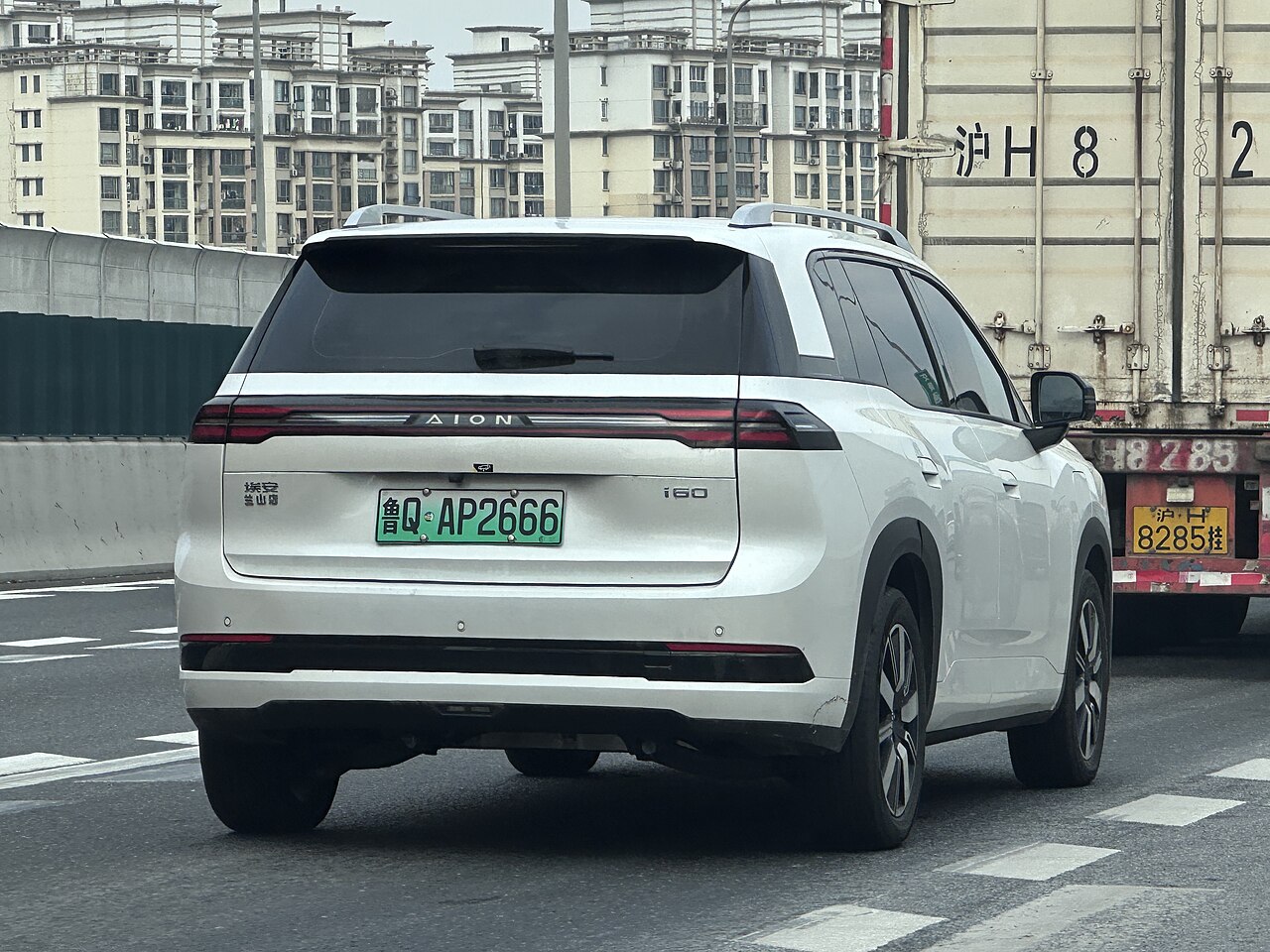
    GAC Indonesia has unveiled the Aion i60 electric SUV in Jakarta and opened pre-bookings, putting a guide price of “Rp500 million-something” on the car while holding back the official figure until Gaikindo Auto Week (GAW) later this month. The model is the battery-electric crossover that GAC hinted at in October without naming it, when it promised a car that had never been shown in Indonesia.

    The launch took place on Saturday, 7 November, according to Kompas.com and OtoDream.

    First right-hand-drive i60

    Indonesia gets the i60 in right-hand-drive form, and GAC is presenting that as a first. The two outlets frame it slightly differently: Kompas.com describes the launch as the model’s Southeast Asian debut in right-hand-drive configuration, while OtoDream quotes GAC Indonesia chief executive Andry Ciu going further.

    “The Aion i60 launched in Indonesia is the first right-hand-drive [version] outside China.” – Andry Ciu, CEO, GAC Indonesia, to OtoDream (translated from Indonesian)

    GAC markets the car as an “All-Rounder Vehicle”, a family crossover that borrows from SUV, MPV and saloon packaging. Masato Katsumata, chief technology officer of GAC International, told reporters the company was aiming for a quality standard that combined comfort, safety and reliability, and described Indonesia as a strategic market.

    Size, range and equipment

    According to Kompas.com, the i60 measures 4,685 mm long, 1,854 mm wide and 1,660 mm tall, on a 2,775 mm wheelbase. GAC claims an effective cabin length of more than three metres, with 1,037 mm of second-row legroom and 1,020 mm of headroom.

    OtoDream reports the following headline claims for the Indonesian car:

    • Range of up to 602 km on a single charge (the test standard was not stated)
    • DC fast charging from 30% to 70% in about 15 minutes
    • A 60-litre front boot (“frunk”)
    • A 15.6-inch, 2.5K-resolution infotainment screen and a “nap mode” for resting in the car
    • Level 2 driver assistance with 15 functions, including adaptive cruise control, traffic jam assist and lane keeping assist

    Neither outlet gave the battery capacity or motor output for Indonesian-market cars. As we noted in October, the Chinese-market i60 is sold with 56.68 kWh and 77.65 kWh packs and quoted on China’s CLTC cycle, which tends to produce higher range figures than the WLTP standard used in Europe. Buyers should treat the 602 km claim as a best-case number until GAC publishes full specifications.

    Pre-booking terms and deliveries

    Pre-bookings run from 7 to 19 November 2026 through GAC Indonesia’s dealer network, with a booking fee of Rp99,000. GAC says customers who book in that window are eligible for unspecified “free upgrade” offers, and deliveries are targeted to start in December 2026. The official price is due at GAW 2026, which OtoDream says runs from 20 to 29 November.

    Neither report said whether the i60 will be imported or assembled locally. That matters: from 2027 the government wants electric cars to reach 60% local content with locally built battery packs to keep their tax advantages, and locally assembled rivals are already lining up, such as the XPeng G9L due on 11 November.

    What it means for buyers

    At around Rp500 million, the i60 would sit in the middle of the Aion range in Indonesia; our Aion directory entry lists current models from about Rp345 million for the Aion UT to Rp755 million for the Hyptec HT. The Rp99,000 booking fee is a low-risk way to hold a place in the queue, but buyers should wait for the confirmed price, battery size and warranty terms at GAW before committing, and check how any free upgrades compare with show discounts other brands typically offer at the event. Our guide to EV taxes and incentives in 2026 explains how import status can affect the final on-the-road price.

    Sources: Kompas.com – GAC Resmi Luncurkan AION i60 di Indonesia, Harga Rp 500 Jutaan (7 Nov 2026); OtoDream – Indonesia Jadi Negara Pertama Peluncuran Aion i60 di Luar China (7 Nov 2026).
  • PEVS 2026: Honda, Polytron and United cut electric motorbike prices

    PEVS 2026: Honda, Polytron and United cut electric motorbike prices

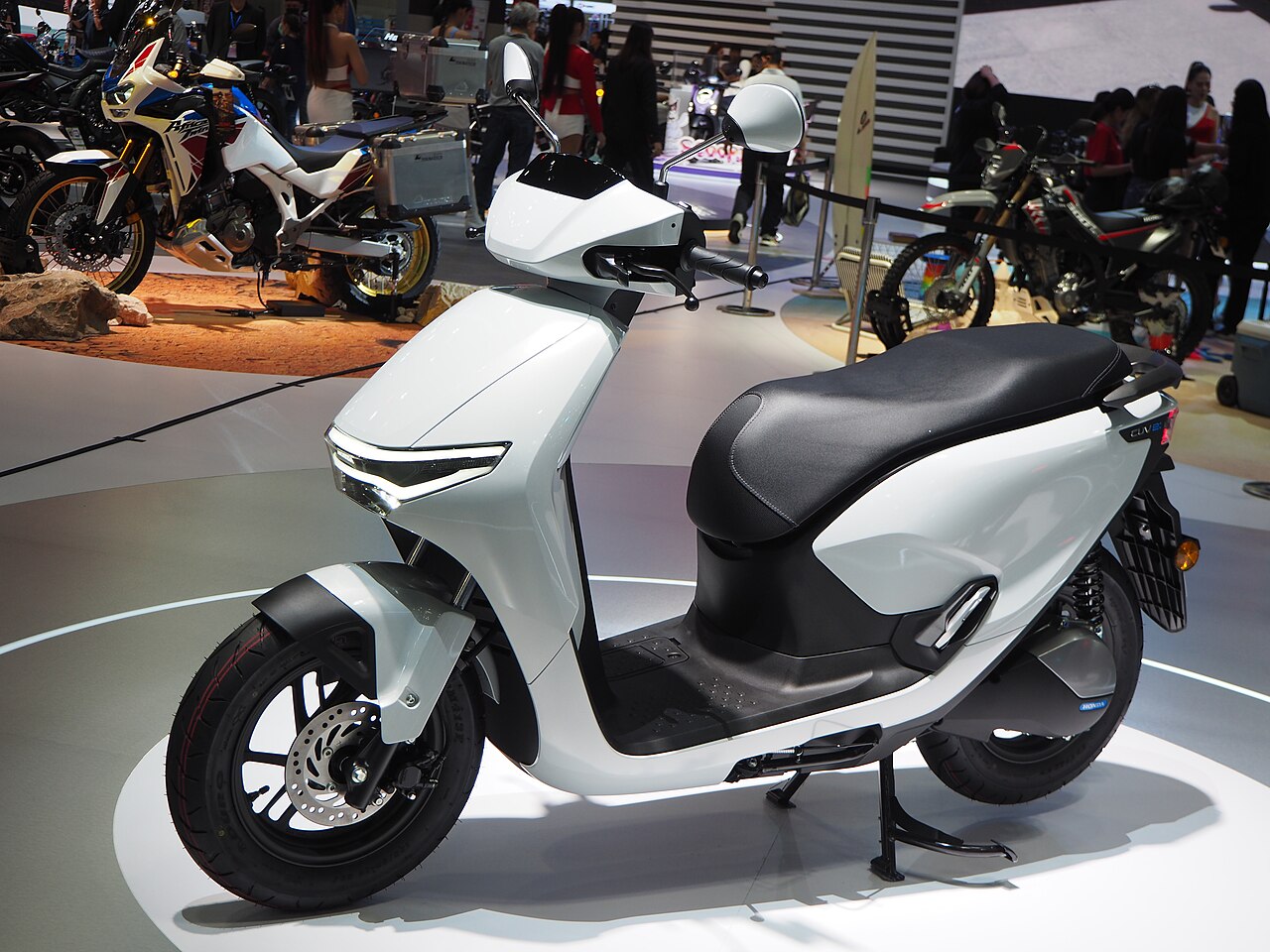
    Top image: Photo: Chanokchon, CC BY-SA 4.0, via Wikimedia Commons (Honda CUV e:, pictured at a show in Thailand)

    Electric motorbike shoppers at the Periklindo Electric Vehicle Show (PEVS) 2026 in Jakarta are being offered some of the deepest price cuts seen on Indonesia’s two-wheeler market this year. Honda’s CUV e: scooter and United’s TX1800 are both being quoted at close to half their normal price, while Polytron, Alva and Indomobil eMotor are also running show-only discounts. The exhibition, which opened on Thursday 29 October at JIExpo Kemayoran, closes on Sunday 1 November.

    Honda: CUV e: from about Rp 29 million

    According to kumparanOTO, sales staff from Wahana Honda, the Jakarta dealer for Astra Honda Motor, said the cheapest version of the Honda CUV e: works out at around Rp 29 million once all show offers are combined, down from a normal Rp 54.5 million. The top CUV e: RoadSync Duo, which is sold with two Honda Power Pack e: batteries and a charging point, was quoted at about Rp 34 million instead of Rp 59.6 million. The smaller ICON e: was cut from about Rp 28 million to roughly Rp 23 million on the road in Jakarta. Kumparan did not say whether the CUV e: figures were on-the-road prices.

    Otodream, which listed the official promotions at the show, put Honda’s discounts at Rp 25 million on the CUV e: and Rp 4.9 million on the ICON e:. It added that credit buyers can have three instalments taken off a 35-instalment plan.

    United and Polytron

    United E-Motor is offering the TX1800 for Rp 18.1 million on the road in Jakarta, down from Rp 34.9 million, kumparan reported. That is a saving of Rp 16.8 million, or roughly 48% (our calculation).

    Polytron is selling its Fox 350 in two ways. With a battery-rental scheme, the price falls from Rp 22.5 million to Rp 17 million (on the road in Greater Jakarta). Bought outright with the battery, it drops from Rp 34.5 million to Rp 29 million. Both cuts work out at Rp 5.5 million (our calculation). Otodream, however, described Polytron’s offer as a direct subsidy of up to Rp 6 million on the Fox electric range. The gap may reflect different variants or extra stand offers, so buyers should confirm the final figure before paying. Kumparan did not report the monthly battery-rental fee.

    Alva and Indomobil eMotor

    Otodream reported that Alva is offering discounts of up to Rp 6 million on its electric motorbikes during the show. Indomobil eMotor has up to Rp 2.5 million off selected models, subject to its terms and conditions, Medcom reported. It is showing six bikes: the QT, QT Pro, Adora, Sprinto, Tyranno and Tyranno X. Visitors can test-ride them at the stand.

    “We want people to get to know electric motorbikes not only through specification information.”

    — Pius Wirawan, CEO of PT Indomobil Emotor Internasional, to Medcom (translated from Indonesian)

    Organiser cashback and who is there

    On top of the brand deals, organiser Dyandra Promosindo is running a spin-the-wheel cashback game worth up to Rp 2.5 million per win. Its total pool is up to Rp 200 million across car and motorbike purchases made at the show. According to Liputan6, the two-wheeler exhibitors are Alva, Astra Honda Motor, Indomobil E-Motor, Polytron, Selis, United and VinFast. Entry is free with online registration. The show is open from 10:00 to 19:00 WIB on Saturday and from 10:00 to 18:00 WIB on Sunday.

    What it means for buyers

    • The deadline is Sunday. All the offers reported here are tied to purchases made at PEVS, which ends on 1 November.
    • Check what the “normal” price means. Show discounts are measured against list prices quoted by sales staff. Dealer prices outside the show can already be lower. Our directory entry for United, for example, lists October promotional prices well below Rp 34.9 million for some models. Ask for a written, on-the-road quote for your region.
    • Battery rental versus ownership. Polytron’s rental scheme lowers the upfront cost but adds a recurring fee. Compare the total over the years you expect to keep the bike.
    • Ask about batteries and service. Check the battery warranty, where swaps or charging are available near you, and how close the nearest service point is. Our running-costs guide explains how charging costs compare with petrol.

    For context on demand, see our report on September motorbike sales and the e-motorbike incentive, and on the Pertamina, PLN and Len charging deal for the national Molinas e-motorbike programme.

    Follow-up: PEVS 2026 closed on 1 November with 35,257 visitors; read our wrap-up, including the Just EV coalition’s report card for carmakers.

    Sources: kumparanOTO; Otodream; Medcom.id; Liputan6

  • Omoda O4 EV set for Indonesian production from November

    Omoda O4 EV set for Indonesian production from November

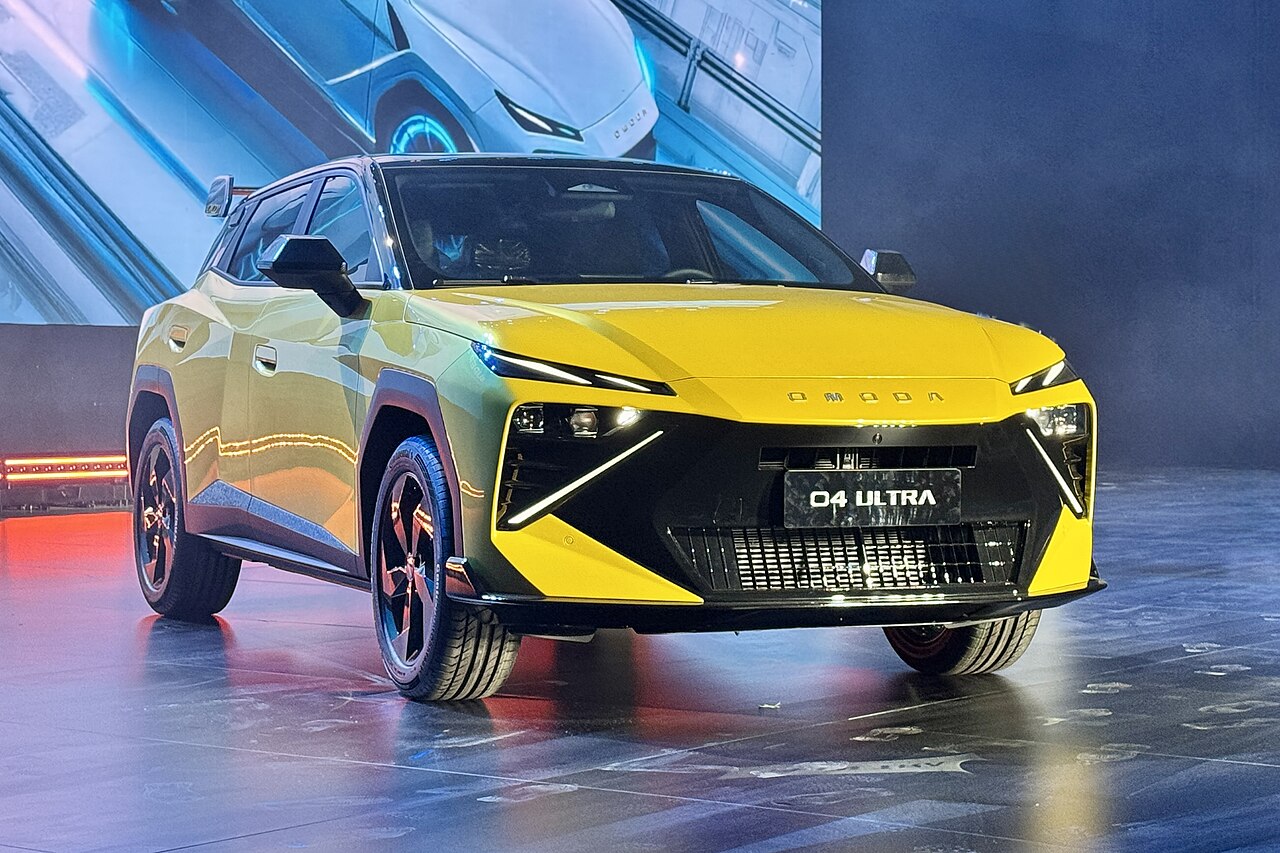
    Top image: Photo: Jigugo, CC BY-SA 4.0, via Wikimedia Commons

    Omoda Jaecoo plans to start building the Omoda O4 electric car in Indonesia in November 2026, with official prices to be revealed when production begins, according to reports by detikOto and Deliknews.

    Shawn Xu, President Director of Omoda Jaecoo International, told Indonesian journalists at the company’s OJ Building in Wuhu, China, that the O4 would move onto an Indonesian production line in around two months, and that the official launch, including pricing, would take place at the same time.

    “At that same time, we will officially launch it [including the price].” – Shawn Xu, President Director, Omoda Jaecoo International, quoted by Deliknews (translated from Indonesian)

    Neither report named the plant that will build the car. The O4 was first shown to the Indonesian public in July 2026, and the brand has been taking reservations with a Rp 5 million booking fee since the GIIAS 2026 show, Deliknews reported.

    Claimed specifications

    • Battery: 65.05 kWh lithium iron phosphate (LFP)
    • Range: up to 553 km on the NEDC test cycle (a photo caption on detikOto gives 533 km, but the article text and Deliknews both state 553 km)
    • Charging: DC fast charging at up to 119 kW, with 20–80% in about 22 minutes
    • Performance: 160 kW and 275 Nm; 0–100 km/h in a claimed 7.1 seconds
    • Cabin tech: a voice-controlled “Super AI Cockpit” that the company says runs on a large language model with ten AI agents

    The styling follows the brand’s “Cyber Mecha” design language, with what Omoda calls “Cyber Lightning” headlamps.

    Where it fits

    The O4 would join a growing Chery-group electric line-up in Indonesia. Sister brand Jaecoo’s J5 EV, listed at Rp 279.9 million to Rp 324.9 million OTR Jakarta in September (see our Jaecoo directory entry), has been among the country’s best-selling EVs this year, as our January–September sales round-up shows. Omoda’s existing electric model in Indonesia is the E5 (Omoda in our EV directory).

    What it means for buyers

    • No price yet. Anyone paying the Rp 5 million booking fee is committing before the price is known, so check the refund terms with the dealer.
    • Local production matters. Indonesia’s EV tax incentives are linked to local-content (TKDN) requirements, so locally built models are generally better placed to qualify – see our EV tax incentives guide. The launch price will show how much of that advantage reaches buyers.
    • Treat the range claim with care. NEDC figures tend to be optimistic, so real-world range is likely to be lower than 553 km.

    Sources: detikOto – Omoda O4 Diproduksi di Indonesia November 2026, Bakal Dijual Harga Berapa? (24 Oct 2026); Deliknews – Omoda O4 Mulai Diproduksi November 2026, Harga Resminya Segera Terungkap (24 Oct 2026)

  • EV running costs in Indonesia: home charging, SPKLU, tax and petrol compared

    EV running costs in Indonesia: home charging, SPKLU, tax and petrol compared

    Top image: Photo: MoCars, CC0, via Wikimedia Commons

    Purchase price gets most of the attention when Indonesians compare an electric car with a petrol one. Over several years of ownership, though, the running costs matter just as much. This guide sets out what electricity costs at home and at public SPKLU chargers in late 2026, how that compares with fuel at the pump, where the regional vehicle tax now stands, and which other costs and perks to factor in. All tariffs and prices below were current in mid-October 2026. Our own calculations are labelled as such.

    Home charging: the cheapest option

    Most EV owners do most of their charging at home, so the household electricity tariff is the number that matters most. The government left PLN’s non-subsidised tariffs unchanged for the October–December 2026 quarter. Energy and Mineral Resources Minister Bahlil Lahadalia confirmed on 5 October that prices would stay as they were, according to a summary of the tariff table. Earlier in the month he had hinted that a rise was unlikely, Bisnis.com reported.

    The household rates per kWh this quarter are:

    • 900 VA (non-subsidised, R-1): Rp1,352
    • 1,300 VA and 2,200 VA (R-1): Rp1,444.70
    • 3,500–5,500 VA (R-2) and 6,600 VA and above (R-3): Rp1,699.53

    Most homes need at least 2,200 VA to run a car charger alongside everyday appliances, and many owners upgrade further. That can push them into the higher R-2 band, so it is worth checking where you will land before you increase your connection.

    The PLN home-charging discount

    Owners who sign up for PLN’s Home Charging Service (HCS) get a 30% discount on electricity used for charging between 22:00 and 05:00. In August, Investor Trust reported that PLN was offering HCS installation from Rp11.7 million under a promotion running until 31 December 2026, with electricity vouchers of up to Rp1.3 million. It also reported that home-charging customers had passed 92,000 by June.

    Our calculation: with the 30% discount, a 2,200 VA household pays about Rp1,011 per kWh overnight, and an R-2 or R-3 household about Rp1,190.

    Public charging at SPKLU

    Public chargers cost more. Recent guides from Auto2000 and Navigasi put PLN’s SPKLU energy rate at roughly Rp2,466–2,475 per kWh. Fast chargers (about 25–50 kW) add a service fee of up to Rp25,000 per session, and ultra-fast chargers (above 50 kW) add up to Rp57,000.

    Navigasi gives a worked example. Charging a 45 kWh battery from 10% to 80% (about 31.5 kWh) on a fast charger comes to around Rp114,000 once the session fee and 11% VAT are included. In practice, public fast charging costs well over twice as much per kWh as overnight charging at home. It makes sense for long trips, but it is an expensive way to cover your everyday driving. For details on finding chargers and connector types, see our guide to charging in Indonesia and the PLN SPKLU directory entry.

    How this compares with petrol

    Fuel prices did not change on 1 October. Pertamina’s prices stayed at Rp10,000 a litre for subsidised Pertalite, Rp15,950 for Pertamax (RON 92) and Rp19,600 for Pertamax Turbo, Katadata reported. BP 92 and Vivo Revvo 92 were listed at Rp16,130.

    To compare like with like, we used two assumptions of our own. They are illustrative figures, not test results. The electric car uses 15 kWh per 100 km, which is typical of a compact EV in mixed driving. The petrol car averages 12 km per litre, which is typical of a small hatchback or MPV in city traffic. On those assumptions, our calculation of the energy cost per 100 km is:

    • Home charging at 2,200 VA, with the HCS night discount: about Rp15,200
    • Home charging at 2,200 VA, without the discount: about Rp21,700
    • SPKLU energy only (Rp2,475/kWh, before any session fee or VAT): about Rp37,100
    • Pertalite at Rp10,000/litre: about Rp83,300
    • Pertamax at Rp15,950/litre: about Rp132,900

    Over 15,000 km a year, the gap is large. On our assumptions, discounted home charging costs about Rp2.3 million a year, against roughly Rp12.5 million on Pertalite or Rp19.9 million on Pertamax. Your own figures will depend on your car, your driving and how much you use public chargers. Keep in mind too that access to subsidised Pertalite is restricted for many cars, so Pertamax is often the fairer comparison.

    Regional vehicle tax: no longer automatically zero

    For several years, battery EVs in most provinces paid little or no annual vehicle tax (PKB) and no transfer duty (BBNKB). That is changing. Home Affairs Minister Tito Karnavian signed Permendagri No. 11 of 2026 on 1 April. Under it, battery EVs are treated as ordinary motor vehicles and are no longer named as exempt, Tirto explained. Provinces can still grant relief, but it is no longer automatic.

    Provinces are responding differently. West Java’s governor, Dedi Mulyadi, said in April that he wants EV tax to remain a source of regional revenue, Liputan6 reported. In Jakarta, Bapenda said in May that the PKB and BBNKB exemptions were unchanged for now, according to CNN Indonesia. In July, however, a special adviser to the governor, Firdaus Ali, described a scheme still under study. It would tax EVs on a sliding scale, from a possible exemption below Rp150 million up to 75% of the normal rate for luxury models, Suara reported. No final regulation had been named in that report.

    The practical advice is to check your provincial Bapenda’s current rate before you buy, and to budget for some annual tax even if the first year is free. Our guide to EV taxes and incentives in 2026 covers the national VAT and luxury-tax side.

    Other costs and perks

    Servicing

    An electric drivetrain has no engine oil, spark plugs, fuel filters or clutch, so routine servicing is usually simpler. Tyres, brakes, suspension, air-conditioning and the 12-volt battery still need attention. Before you sign, ask the dealer for the scheduled service prices and check the battery warranty terms, including the duration and any mileage cap.

    Jakarta’s odd-even exemption

    Battery EVs remain exempt from Jakarta’s odd-even (ganjil genap) number-plate restriction. Transport agency head Syafrin Liputo confirmed in May that the city would keep the policy, CNN Indonesia reported. For commuters on restricted roads, that can be worth as much as the fuel savings.

    Insurance and resale

    Insurance premiums are linked to the vehicle’s value, so a pricier EV will cost more to insure than a cheaper petrol rival. Resale values for many newer Chinese EV brands are still being established. Shop around for cover, and treat resale assumptions with caution.

    What it means for buyers

    If you can charge at home overnight, an EV’s energy bill is a fraction of what a petrol car costs to fuel. It stays far cheaper even against subsidised Pertalite. That advantage shrinks if you rely mainly on public fast chargers, and regional tax is becoming a cost to budget for rather than a perk to count on. Before you buy, check the tariff band your home will need, compare HCS installation offers, and confirm your province’s EV tax rate. You can compare models and prices in our electric car buying guide and the IndoEVs EV directory.

    Sources: Journalarta (PLN tariffs, Oct 2026); Bisnis.com; Investor Trust; Auto2000; Navigasi; Katadata; Tirto; Liputan6; CNN Indonesia; Suara.com.

  • MG opens MGS6 EV pre-orders in Indonesia at indicative Rp 550 million

    MG opens MGS6 EV pre-orders in Indonesia at indicative Rp 550 million

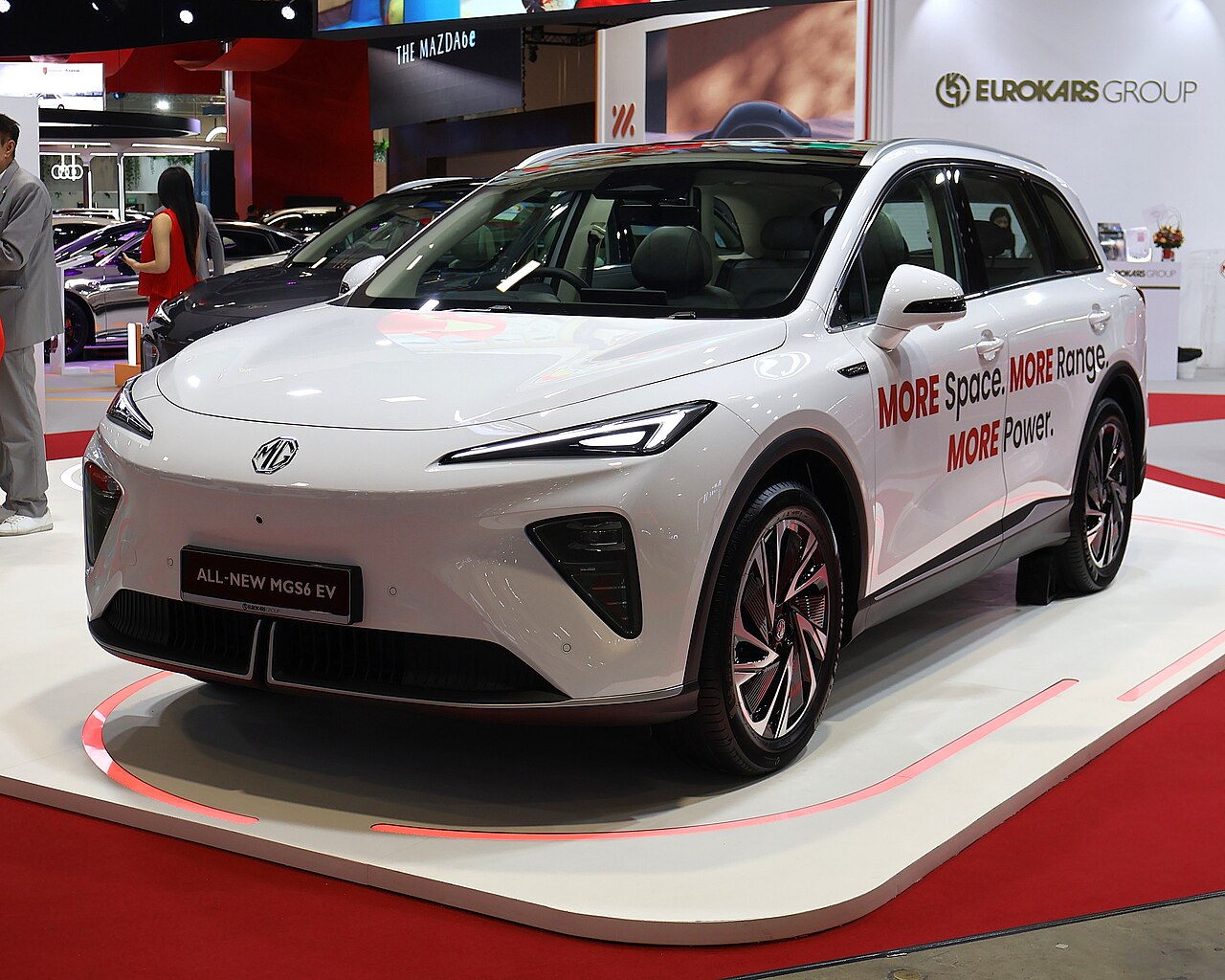
    Top image: MGS6 EV show car in Singapore. Photo: S5A-0043, CC BY 4.0, via Wikimedia Commons

    MG Motors Indonesia has opened pre-orders for the MGS6 EV, a five-seat electric SUV, but has not yet confirmed the price. The company unveiled the car in Jakarta on 14 October and gave an indicative starting price of Rp 550 million. The official price list is due at Gaikindo Auto Week (GAW) 2026, detikOto reported.

    Buyers can reserve a car now with a Rp 5 million booking fee and lock in the indicative price. MG says cars delivered to customers will be assembled locally at its Cikarang plant in West Java. Production is about to begin and deliveries are planned from December 2026.

    “Production will start soon, while deliveries will begin in December 2026,” said Harry Kurniawan, head of marketing at MG Motors Indonesia (translated from Indonesian).

    What buyers get

    The MGS6 EV comes in rear-wheel-drive (RWD) and all-wheel-drive (AWD) versions. The specifications MG published at the launch, as reported by CNN Indonesia and detikOto, are:

    • Output: up to 361 PS and 540 Nm. The AWD version reaches 100 km/h from a standstill in 5.1 seconds.
    • Battery and range: CATL cells, with up to 605 km of range on the NEDC cycle.
    • Charging: 30% to 80% in 32 minutes on a DC fast charger.
    • Safety: seven airbags, the MG Pilot driver-assistance suite with 16 ADAS functions, and a five-star NCAP rating.

    KatadataOTO gives separate figures for each version. It lists a 77 kWh NMC battery, 605 km of range for the RWD car and 550 km for the AWD car, and outputs of 241 hp and 350 Nm (RWD) and 356 hp and 540 Nm (AWD). That suggests the headline 361 PS figure applies to the AWD car only. The car measures 4,706 mm long on a 2,835 mm wheelbase. It has a front boot of 67–86 litres and a rear boot of 561 to 1,690 litres. MG has not confirmed the battery size or the per-version outputs for Indonesia, so buyers should check the final specification sheet at GAW.

    Where it fits on price

    At Rp 550 million, the MGS6 EV sits well above MG’s existing electric cars in Indonesia. In CNN Indonesia’s October price list, the MG S5 EV costs Rp 333.9 million to Rp 455.9 million, the MG4 EV costs Rp 405 million to Rp 419 million, and the ZS EV costs Rp 417.5 million. The MG Cyberster roadster, at Rp 1.704 billion, remains the brand’s flagship.

    Indonesian outlets have named the Deepal S07 and Xpeng G6 as the MGS6 EV’s closest rivals. The Deepal S07 is listed at Rp 619 million in the same CNN Indonesia list, while KatadataOTO quotes a Rp 599–619 million range. The Xpeng G6 costs Rp 679 million to Rp 769 million. On these figures, the MGS6 EV’s indicative price undercuts the Deepal by about Rp 50–70 million and the cheapest G6 by about Rp 129 million (IndoEVs calculation, based on published Jakarta prices).

    What it means for buyers

    The Rp 550 million figure is an indicative “from” price, not a confirmed one. MG has not said what the AWD version will cost, so buyers who book now are committing before the full price list is out. Local assembly matters too. Indonesia’s local-content (TKDN) rules for EVs tighten in 2027, and a car built in Cikarang is better placed for tax incentives than a fully imported rival. MG has not published a TKDN figure for the MGS6 EV. For background, see our coverage of the 60% local-content rule and our guide to EV taxes and incentives in 2026.

    The launch comes as the market’s top end gets busier: BYD’s premium brand Danza launched the D9 and Z9 GT the same week. You can find MG’s other models in our EV directory entry for MG.

    Sources: detikOto (16 Oct); detikOto (14 Oct); CNN Indonesia; KatadataOTO; CNN Indonesia October EV price list

  • BYD raises Seal and Sealion 7 prices in Indonesia by up to Rp 250 million

    BYD raises Seal and Sealion 7 prices in Indonesia by up to Rp 250 million

    Top image: Photo: Alexander Migl, CC BY-SA 4.0, via Wikimedia Commons

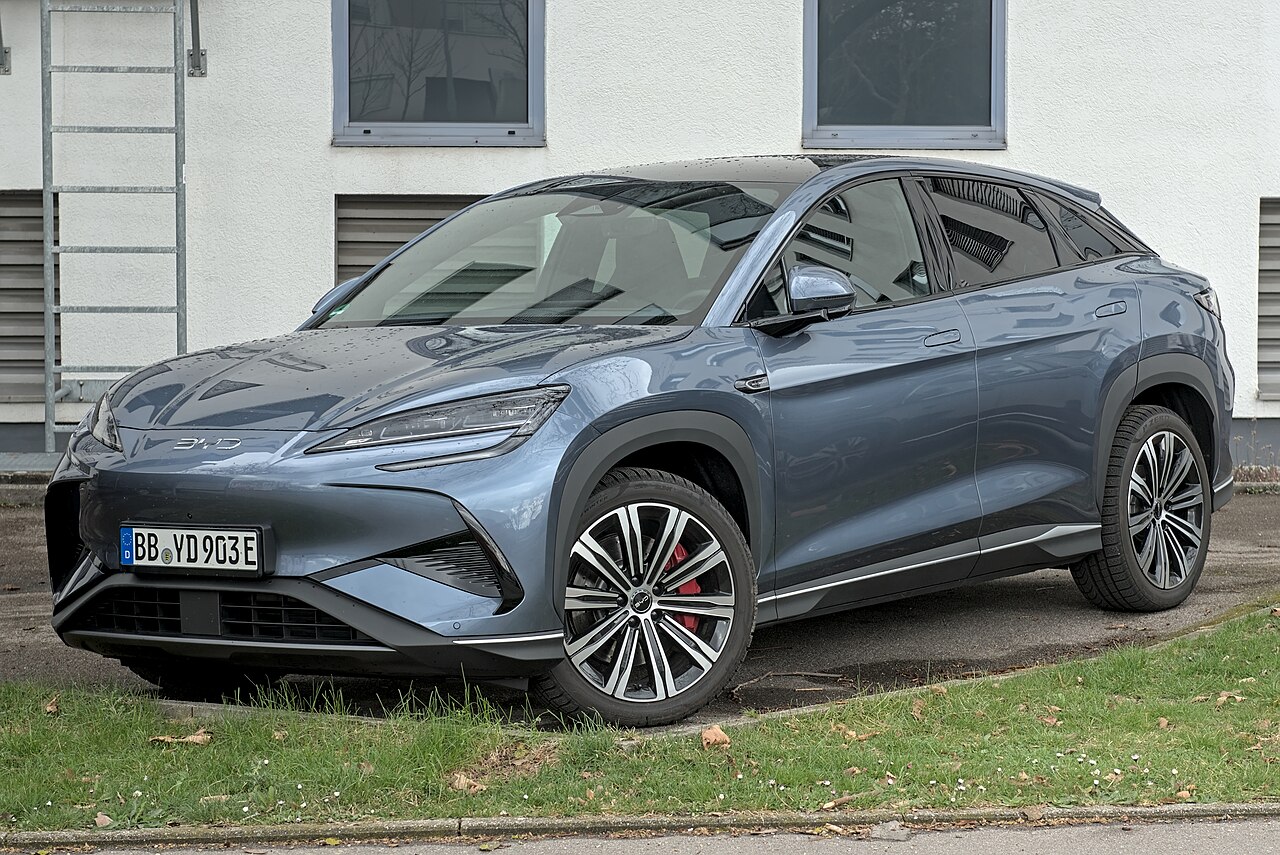
    BYD’s two most expensive models in Indonesia, the Seal saloon and the Sealion 7 SUV, have become dramatically dearer this month. According to an October price round-up published by Ranah Auto, the Sealion 7 Premium has moved from Rp 629 million to Rp 879 million, a rise of Rp 250 million, while the Seal Premium has gone from Rp 639 million to Rp 869 million.

    The new figures match the October price lists compiled by CNN Indonesia and Moladin, which both list the Seal at Rp 869 million and the Sealion 7 at Rp 879 million in Jakarta on-the-road terms.

    How big are the increases?

    By our own calculation, the Sealion 7’s new price is around 40% higher than before, and the Seal’s is about 36% higher. Smaller rises have hit the locally produced M6 MPV, according to Ranah Auto:

    • Sealion 7 Premium: Rp 629 million → Rp 879 million (+Rp 250 million)
    • Seal Premium: Rp 639 million → Rp 869 million (+Rp 230 million)
    • M6 Superior (7-seat): Rp 423 million → Rp 435 million (+Rp 12 million)
    • M6 Superior Captain Seat: Rp 433 million → Rp 445 million (+Rp 12 million)
    • M6 Standard: unchanged at Rp 395 million

    The entry-level Atto 1 is unaffected for now, still listed at Rp 199 million to Rp 245 million depending on variant. The Dolphin (Rp 369–429 million) and Atto 3 (Rp 415 million) appear on the October lists too, though neither outlet says whether those prices changed.

    Outside BYD, Ranah Auto also reports a Rp 10 million rise for the Changan Deepal S07, now Rp 629 million. CNN Indonesia’s list, published a few days earlier, still shows the Deepal S07 at Rp 619 million, so buyers should check with dealers for the current figure.

    Why now?

    None of the reports we reviewed gives an official explanation, and BYD Indonesia has not publicly commented on the new prices in the sources we found. The timing is notable, however. The duty-free scheme for fully imported (CBU) electric cars expired at the end of 2025. In January, OtoDream reported that BYD had kept prices unchanged despite the incentive ending, with the Sealion 7 then listed at Rp 629–719 million and the Seal at Rp 639–750 million.

    The Seal and Sealion 7 are not among the models BYD has said it builds at its Subang plant, which currently focuses on the Atto 1 and M6 range. That pattern, with big jumps on the imported flagships and only modest rises on the M6, is consistent with import costs finally being passed on, but this is our interpretation rather than a confirmed reason. We covered a similar move by Jaecoo last month in Jaecoo raises J5 EV prices, and our guide to EV tax incentives in 2026 explains which support schemes still apply.

    What it means for buyers

    • Flagship shoppers face a new price bracket. At close to Rp 880 million, the Sealion 7 now sits alongside the Toyota bZ4X (Rp 889 million on CNN Indonesia’s list) rather than undercutting it by a wide margin.
    • Locally built models look better value. The Atto 1 and the base M6 have held their prices, and BYD’s plug-in hybrid M6 DM-i starts at Rp 298 million on Moladin’s list.
    • Check stock and order dates. Dealers may still hold cars ordered at older prices, so it is worth asking whether a quoted price is guaranteed until delivery.

    See all BYD models and local production details in our BYD directory entry, or browse every brand in the Indonesia EV directory.

    Sources: Ranah Auto (7 Oct 2026); CNN Indonesia (5 Oct 2026); Moladin (1 Oct 2026); OtoDream (11 Jan 2026).

  • iCAR V23 passes 1,000 deliveries in Indonesia as Chery brand builds network

    iCAR V23 passes 1,000 deliveries in Indonesia as Chery brand builds network

    Top image: Photo: JustAnotherCarDesigner, CC0, via Wikimedia Commons

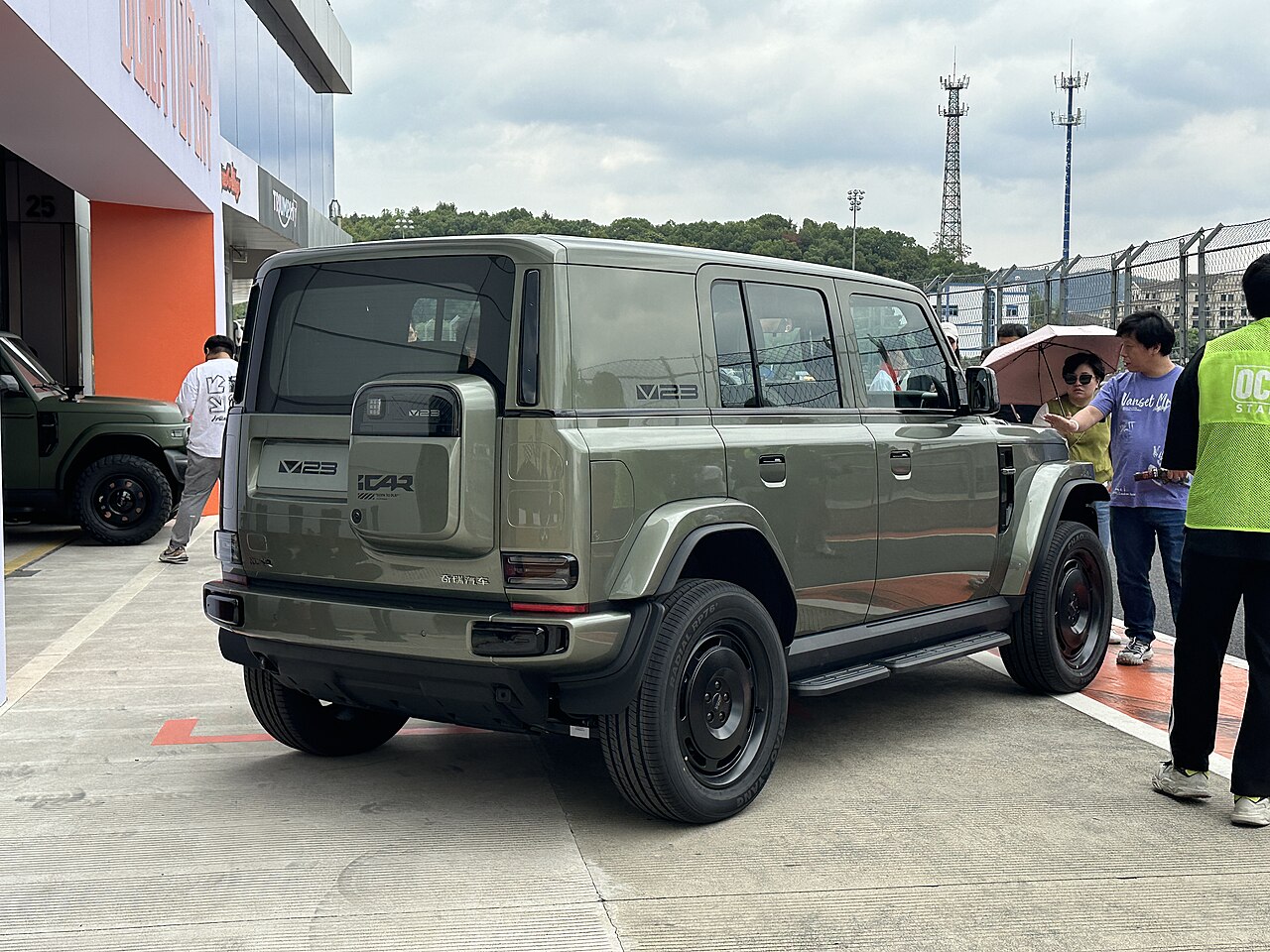
    iCAR, the lifestyle electric-car brand owned by China’s Chery, says 1,000 Indonesian customers have now taken delivery of its V23 electric SUV. The milestone was reached by the end of September 2026, detikOto reported.

    “Reaching 1,000 customers who have received the iCAR V23 is a very meaningful moment for iCAR’s journey in Indonesia,” said Bayu Apriadi, iCAR Indonesia’s regional sales manager, as quoted by detikOto (translated from Indonesian).

    A niche model with a growing network

    The V23 is a small, boxy SUV with retro off-road styling, aimed at buyers who want something more distinctive than the mainstream crossovers that dominate Indonesia’s EV market. It went on sale in Indonesia in February 2026 at the Indonesia International Motor Show, and is reported to be assembled locally in Bekasi, West Java.

    A thousand deliveries in roughly eight months is modest next to the market’s best-selling EVs, but it is a meaningful base for a new brand selling a single model. iCAR says it now has 16 service centres across Indonesia.

    Prices and specifications

    Published prices vary slightly by source. Car portal Oto.com lists three variants, on the road in Jakarta:

    • X RWD: Rp 389.9 million
    • Y RWD: Rp 439.9 million
    • Z iWD (dual motor): Rp 519.9 million

    iCAR’s official website currently shows the V23 from Rp 399.9 million and a Pro Plus Collector Series at Rp 789 million. Buyers should confirm the current price with a dealer, as several Chinese brands have raised EV prices this year.

    The official site lists a 59.93 kWh battery and a 100 kW (136 PS) motor for the rear-wheel-drive versions, with a claimed range of 360 to 401 km depending on the test cycle (NEDC or CLTC). Oto.com lists an 81 kWh battery and 208 hp for the top Z iWD.

    After-sales package

    Much of iCAR’s pitch is about ownership costs. According to detikOto, V23 buyers get:

    • free service labour for four years or 60,000 km;
    • a two-year pick-up and drop-off service membership;
    • three years of 24-hour roadside assistance;
    • an eight-year or 160,000 km battery warranty, and a six-year or 160,000 km vehicle warranty.

    What it means for buyers

    The V23 sits in the crowded Rp 390–520 million bracket, where it competes with more conventional electric SUVs. Its appeal is mainly its looks and the long warranty and service package. Before buying, check that one of the 16 service centres is within easy reach, since a young brand’s network is still thin outside the big cities, and compare the cost against the wider EV market. You can find iCAR and its sister brands Chery, Omoda and Jaecoo in our EV directory.

    Sources: detikOto; iCAR Indonesia; Oto.com; Wikipedia

  • Jaecoo raises J5 EV Premium price again, citing currency and shipping costs

    Jaecoo raises J5 EV Premium price again, citing currency and shipping costs

    Top image: Photo: Alexander Migl, CC BY-SA 4.0, via Wikimedia Commons

    Indonesia’s best-selling electric car has become a little more expensive again. Jaecoo has lifted the price of the top J5 EV Premium to Rp 324.9 million on the road in Jakarta, while the entry-level Standard stays at Rp 279.9 million. The company says currency movements, shipping and production costs are behind the change.

    The adjustment was reported by kumparanOTO on 23 September, and followed up by Kompas and detikOto, which noted that no version of the J5 is now sold below Rp 250 million.

    A step-by-step climb from the launch price

    The J5 EV made its name with aggressive launch pricing of Rp 249.9 million for the Standard and Rp 299.9 million for the Premium. Since then the price has moved up in stages:

    • April 2026: the Standard rose to Rp 279.9 million and the Premium to Rp 309.9 million, according to Moladin.
    • Before this month’s change: kumparanOTO says the range last stood at Rp 279.9 million to Rp 319.9 million.
    • Now: Rp 279.9 million (Standard) and Rp 324.9 million (Premium).

    Headlines differ depending on the starting point. Kompas and detikOto compare today’s prices with the launch prices, giving increases of Rp 30 million for the Standard and Rp 25 million for the Premium. Compared with the previous list price, the latest move affects only the Premium and amounts to Rp 5 million. By our own calculation, the Standard is now 12% above its launch price and the Premium about 8% higher, and the gap between the two versions has widened to Rp 45 million.

    The hardware has not changed. According to detikOto, the J5 EV still uses a 60.9 kWh battery with a claimed 461 km range on the NEDC cycle, a 155 kW motor and fast charging of up to 130 kW.

    Why Jaecoo says prices went up

    Jim Ma, business unit director at Jaecoo Indonesia, told Kompas that exchange rates, shipping costs and production costs had all fed into the decision. He said the company had options to keep prices flat but chose not to cut corners to do so:

    “We will not sacrifice quality just to hold prices down.” – Jim Ma, Jaecoo Indonesia, to Kompas (translated from Indonesian)

    He also told kumparanOTO that after-sales service and the customer experience would stay the same despite the higher price.

    Demand is holding up so far

    The price rise comes while the J5 EV is still selling strongly. kumparanOTO’s figures show monthly wholesales of between 1,942 units in January and 3,214 units in August 2026, averaging roughly 3,000 a month. The J5 was the best-selling battery electric vehicle in Indonesia over January to August, as we reported in our August sales round-up.

    Jaecoo told kumparanOTO that buyers in Greater Jakarta (Jabodetabek) should wait no more than a month for delivery.

    What it means for buyers

    • The Standard is unchanged, for now. If you only need the base version, the price is the same as it has been since April. The Premium now costs Rp 45 million more.
    • Prices are OTR Jakarta. On-the-road prices in other provinces can differ because of regional taxes, so check with your local dealer.
    • Compare before you commit. At Rp 279.9 million to Rp 324.9 million, the J5 now sits in a busy mid-range bracket. Our electric car buying guide sets out the main rivals and their prices.
    • Ask about dealer offers. A higher list price does not rule out discounts or financing deals, which vary by dealer and month.

    Sources: kumparanOTO – Harga Jaecoo J5 Naik Lagi, Inden Paling Lama Satu Bulan (23 Sept 2026); Kompas – Harga Jaecoo J5 EV Naik, Ini Dalih Jaecoo Indonesia (25 Sept 2026); detikOto – Harga Jaecoo J5 Naik, Tak Ada Lagi yang di Bawah Rp 250 Juta (28 Sept 2026); Moladin – Update Penyesuaian Jaecoo J5 EV April 2026.

  • Green SM launches six-seat VinFast electric taxi service in Jakarta

    Green SM launches six-seat VinFast electric taxi service in Jakarta

    Top image: Photo: Ethan Llamas, CC BY-SA 4.0, via Wikimedia Commons

    Green SM, an all-electric ride-hailing platform that runs VinFast cars, has launched a six-seat electric taxi service in Jakarta called Green Limo. The whole fleet uses the VinFast Limo Green, a three-row electric MPV, and the company is handing over its first 500 cars to drivers in the capital between 19 and 29 September 2026.

    Alongside the new service, Green SM has opened a vehicle rental scheme that lets would-be drivers lease a new VinFast and work on its platform. It is a clear attempt to grow its driver base quickly while putting more of VinFast’s locally sold models on Indonesian roads.

    A third car tier for families and groups

    According to the company’s launch announcement, Green Limo is the firm’s third four-wheel service in Indonesia, after Green Car and Green Premium. It is pitched at families, larger groups, business travellers and passengers with plenty of luggage.

    The cars are being delivered from Green SM’s depot in Kemayoran, Central Jakarta, where the handover event also includes test drives and sign-ups for prospective drivers. First-time Green Limo passengers get 20% off a trip, capped at Rp 50,000, from 19 September to 3 October, IDN Times reported.

    Green SM’s global chief executive, Pham Nhat Minh Hoang, said the service “offers a suitable option for journeys where space and comfort are priorities.”

    Renting a VinFast to drive

    The rental programme is the more significant part of the announcement for the wider market. Drivers can start with an initial payment from Rp 2 million, and daily rental fees start at Rp 254,000. The cars on offer are the Limo Green, the VF e34 (also listed as the Nerio Green), the VF 5 (Herio Green) and the VF 6.

    To attract drivers, Green SM says it will guarantee daily earnings of up to Rp 400,000 for the first two months, subject to conditions, and share up to 92% of fare revenue with drivers. It also lists monthly bonuses of Rp 1 million for signing up, Rp 676,000 as a “brand bonus” and up to Rp 1.34 million for operations, plus free charging at VinFast-linked V-Green charging stations. The company claims drivers can earn up to Rp 14 million a month.

    By our own calculation, the maximum guaranteed daily figure is Rp 146,000 more than the lowest daily rental fee, before any bonuses. However, the guarantee is described as “up to” and depends on conditions that the announcement does not spell out, so drivers should read the contract terms carefully.

    The Limo Green in Indonesia

    VinFast launched the Limo Green at the Indonesia International Motor Show in February. detikOto reported that it cost around Rp 380 million with the battery, or around Rp 319 million under VinFast’s battery-rental option. The first 2,000 buyers at the show received a Rp 20 million discount, bringing the on-the-road Jakarta price down to around Rp 299 million. The MPV measures 4,740 mm long, has a 2,840 mm wheelbase and has a claimed range of 450 km. At launch, VinFast said the model was aimed mainly at fleet and taxi operators.

    VinFast began operating its plant in Subang, West Java, in December 2025. It has an initial capacity of 50,000 vehicles a year, according to Gaikindo. VinFast’s Indonesian range now runs from the VF 3 micro-SUV to the VF 7. You can find the full line-up and prices in our VinFast directory entry.

    What it means for passengers and buyers

    • Passengers: Jakarta gains another large electric ride-hailing option. It is a quieter alternative to petrol MPVs for airport runs and group trips, and the introductory discount runs until 3 October.
    • Would-be drivers: the rental route removes the need to buy a car outright, but the headline earnings are maximums. Check what the guarantee conditions are, how long the contract lasts and what happens if you leave the scheme early.
    • Private buyers: big fleet deals like this one help build a service and charging network for VinFast models. That is worth considering if you are cross-shopping a VF 6 or VF 7 against Chinese rivals. Our electric car buying guide and charging explainer cover the basics.

    Related: Green SM has also launched Green SM Bike, an electric motorbike taxi service in Jakarta using VinFast scooters.

    Sources: Green SM via Media OutReach Newswire / The Manila Times; IDN Times; detikOto; Gaikindo; Kompas Otomotif

  • Electric Cars in Indonesia: Prices, Models and What to Know Before Buying (2026)

    Electric Cars in Indonesia: Prices, Models and What to Know Before Buying (2026)

    Top image: Photo: Alexander-93, CC BY-SA 4.0, via Wikimedia Commons

    Electric cars have gone from niche to mainstream in Indonesia remarkably quickly. Battery electric vehicle (BEV) wholesales reached 101,171 units in the first eight months of 2026, almost double the same period of 2025, according to Gaikindo data reported by Kompas. There is now a model for almost every budget, from compact city cars under Rp200 million to luxury SUVs costing billions. This guide sets out what electric cars cost in Indonesia in 2026, which models people are buying, which incentives apply, and what it costs to run one compared with a petrol car.

    What electric cars cost in Indonesia: price bands

    The prices below are on-the-road (OTR) Jakarta figures unless stated, taken mainly from Kompas’s September 2026 price list. Prices elsewhere in the country are usually higher because of shipping and regional taxes.

    Entry level: under about Rp250 million

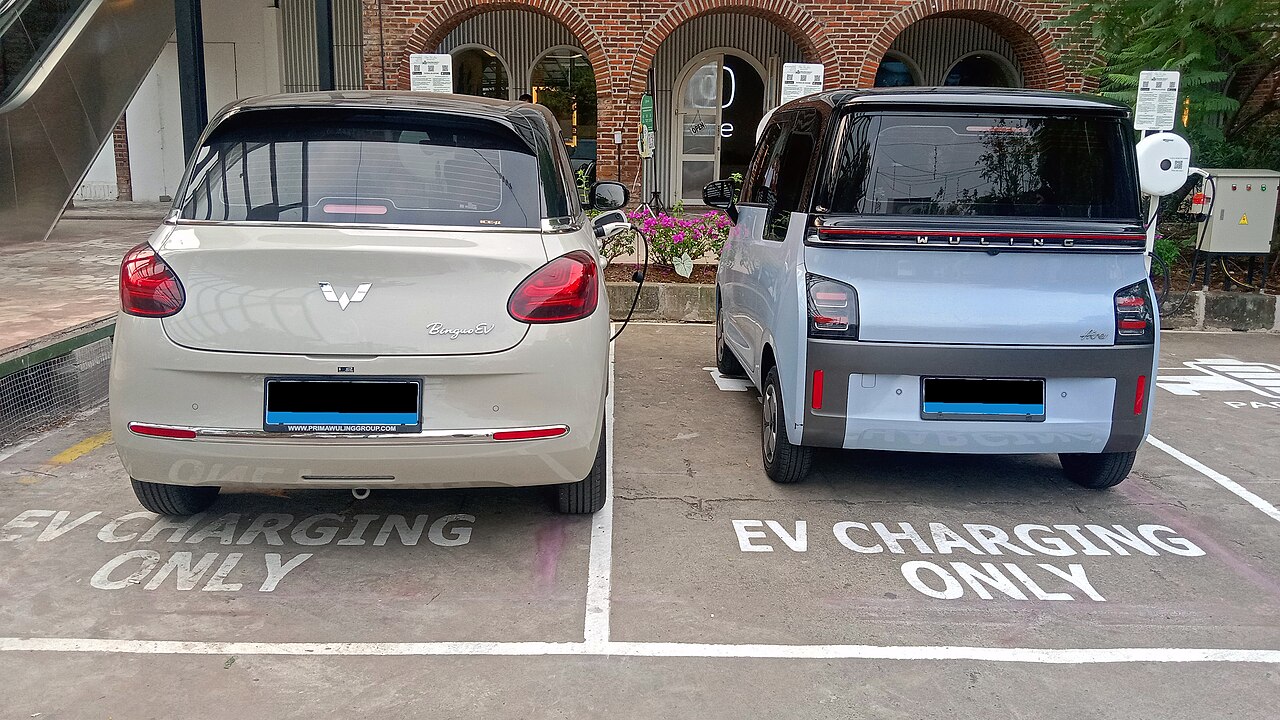
    • Wuling Aira EV: Rp155 million (Standard Range) to Rp175 million (Long Range).
    • VinFast VF 3: Rp152 million with a battery-rental plan, or around Rp215 million with the battery included, according to Moladin.
    • Wuling Air EV Lite: Rp214 million to Rp251 million.
    • BYD Atto 1: Rp205 million (Dynamic) and Rp245 million (Premium), per Kompas.
    • Geely EX2: Rp239.9 million (Pro) and Rp269.9 million (Max).
    • Chery Q: Rp249.9 million to Rp269.9 million at normal list price.

    Mid-range: roughly Rp250 million to Rp500 million

    This is where the family crossovers sit. The Jaecoo J5 EV costs Rp279.9 million to Rp324.9 million. The MG S5 EV runs from Rp355.9 million and the BYD M6 seven-seater from Rp423 million. Several newcomers launched at GIIAS 2026 with introductory prices, including the Changan Nevo Q05 from Rp309 million and the BAIC T1 at a retail price of Rp393 million.

    Upper and premium: Rp500 million and above

    Above the mid-range you will find the BYD Sealion 7 Performance (Rp719 million), the Hyundai Kona Electric (about Rp565 million to Rp690 million) and the Ioniq 5 (Rp809 million to around Rp926 million). Past the Rp1 billion mark are cars such as the Hyundai Ioniq 6 (Rp1.237 billion) and the Lexus ES 350e (Rp1.48 billion).

    The models Indonesians are actually buying

    Chinese brands have almost all of the market. Gaikindo’s January to August 2026 figures, compiled by Kompas, show that all of the ten best-selling BEVs are Chinese:

    1. Jaecoo J5: 23,359 units
    2. BYD Atto 1: 19,909
    3. Geely EX2: 9,769
    4. BYD M6: 6,694
    5. BYD Sealion 7: 4,251

    Most sales are compact, affordable models. For many buyers an EV is now priced like a mid-spec petrol hatchback or small SUV, not like a luxury car.

    Incentives: what applies in 2026

    National taxes: PPN DTP and PPnBM

    Until the end of 2025, locally built EVs with at least 40% local content (TKDN) had 10 percentage points of the 12% VAT paid by the government (PPN DTP), so buyers paid 2%. That scheme, set out in PMK 12/2025, expired in December 2025. The import-duty and luxury-tax exemptions for fully imported (CBU) EVs also ended on 31 December 2025. Qualifying BEVs have also been exempt from luxury-goods sales tax (PPnBM), according to Kompas.

    In May 2026 the government announced a new PPN DTP scheme of 40% to 100% for pure battery EVs only (no hybrids), with a quota of 100,000 cars. Kompas reported that nickel-based batteries would get the larger discount. The launch was pushed back more than once, first from June and then into August. In September the industry minister said the government was also studying incentives tied to local content, and the required TKDN is due to rise from 40% now to 60% in 2027–2029 and 80% in 2030. Ask the dealer in writing which tax treatment applies to the exact variant you are buying.

    Regional taxes and Jakarta’s odd-even exemption

    Annual vehicle tax (PKB) and the transfer-of-ownership fee (BBNKB) are set by each province. In May 2026 Jakarta confirmed that EVs remain exempt from both. Jakarta EVs are also still exempt from the odd-even number-plate restriction under Governor Regulation 88/2019. Outside Jakarta the rules vary, so check with your local Samsat office.

    Running costs: electricity versus petrol

    Here is a simple monthly comparison for 1,000 km of driving. We assume an EV covers about 6.6 km per kWh, a figure the energy ministry has used (Republika), and a petrol car does 12 km per litre. Both are illustrative. Your own car and driving style will change the numbers.

    • EV, home charging (about 152 kWh at Rp1,444.70/kWh for 1,300–2,200 VA households): around Rp219,000. PLN also offers a 30% discount for night charging between 22:00 and 05:00, which brings this down to roughly Rp153,000.
    • EV, public SPKLU (Rp2,467/kWh): around Rp374,000, plus a service fee of up to Rp25,000 per fast-charging session or Rp57,000 per ultra-fast session.
    • Petrol car on Pertalite (Rp10,000/litre): around Rp833,000.
    • Petrol car on Pertamax (Rp15,950/litre in Java and Bali from 1 September 2026): around Rp1.33 million.

    These figures leave out local electricity taxes and the car’s charging losses, but the gap is clear. Mostly charging at home costs a fraction of running a petrol car, and EVs also need less routine servicing because they have no oil changes.

    What to check before you buy

    • Battery ownership. Some brands sell cars with a battery-rental plan. The price looks lower, but you pay a monthly fee. Compare the total cost over the years you expect to own the car.
    • Warranty. Confirm how long the battery warranty lasts, what mileage it covers and what capacity it guarantees, and check whether it transfers to the next owner.
    • Home power supply. Many homes need a higher electricity connection before they can use a wallbox charger. Include that cost in your budget.
    • Service network. Several brands are new to Indonesia. Check where the nearest authorised workshop is, especially outside Java.
    • Resale value. Used EV prices are still settling, and battery health is the main thing buyers look at.

    Prices, tariffs and incentive rules in Indonesia change often, sometimes month to month. Figures here were correct according to the sources linked at the time of writing; always confirm current prices, promotions and eligibility with an authorised dealer or the relevant provider before you commit.

    FAQ

    What is the cheapest electric car in Indonesia?

    In September 2026 the cheapest listed options were the VinFast VF 3 at Rp152 million on a battery-rental plan and the Wuling Aira EV from Rp155 million with the battery included.

    Are EVs exempt from Jakarta’s odd-even rule?

    Yes. Battery electric vehicles remain exempt under Governor Regulation 88/2019, and Jakarta also still waives PKB and BBNKB for EVs.

    Is the 2026 PPN DTP discount in force?

    The scheme of 40% to 100% depending on battery type has been announced but delayed several times. Check its current status with the dealer before you sign.

    Do hybrids get the same incentives?

    No. The government has said the new PPN DTP scheme covers pure battery EVs only, not hybrids.

    Related: EV taxes and incentives in Indonesia in 2026: what buyers now pay

    Sources: Kompas – Update Daftar Harga Mobil Listrik September 2026; Kompas – Cicilan Mobil Listrik Rp 200 Jutaan: BYD Atto 1 dan Geely EX2; Kompas – Daftar Mobil Listrik Terlaris hingga Agustus 2026; Moladin – 15 Mobil Listrik Termurah September 2026; CNN Indonesia – Daftar Insentif Mobil Listrik yang Disetop; Kompas – Insentif Mobil Listrik Berakhir 2026; Kompas – Menkeu Targetkan Insentif Mobil dan Motor Listrik Mulai Juni 2026; CNBC Indonesia – Purbaya Tunda Insentif Mobil Listrik; DDTCNews – Subsidi dan PPN DTP untuk Kendaraan Listrik Akan Segera Diluncurkan; Antara – Pemerintah kaji insentif kendaraan listrik berbasis TKDN; Kompas – Mobil Listrik Tetap Bebas Ganjil Genap di Jakarta; Republika – Isi Daya Fast Charging di SPKLU Kena Tambahan Biaya; Nasional.news – Tarif Listrik PLN September 2026; GridOto – PLN Diskon 50 Persen Pemasangan Home Charging; Antara – Harga BBM 1 September 2026